
 IN
INundefined
Pipe Clamps & Hangers
43 products available
𝗪𝗵𝗮𝘁 𝗮𝗿𝗲 𝗣𝗶𝗽𝗲 𝗖𝗹𝗮𝗺𝗽𝘀 & 𝗛𝗮𝗻𝗴𝗲𝗿𝘀?
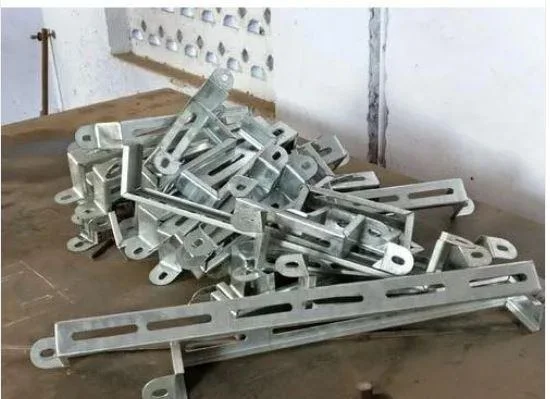
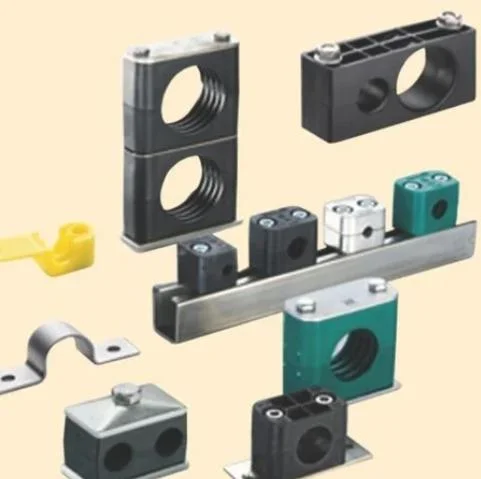
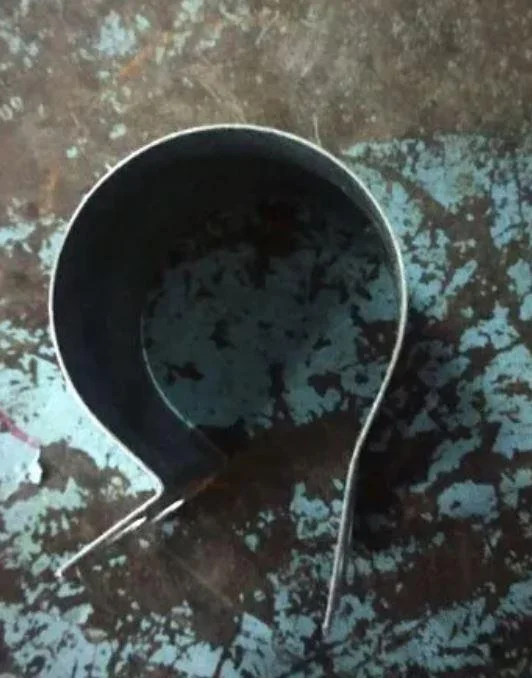
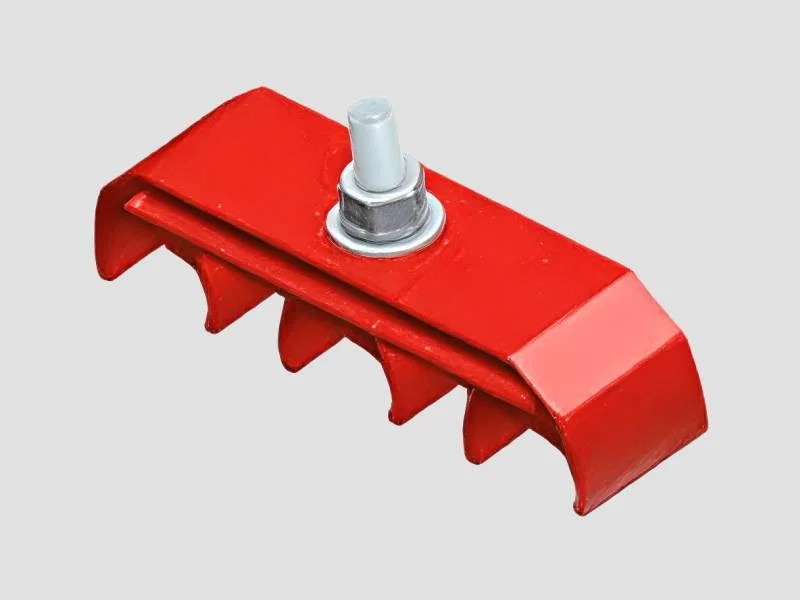
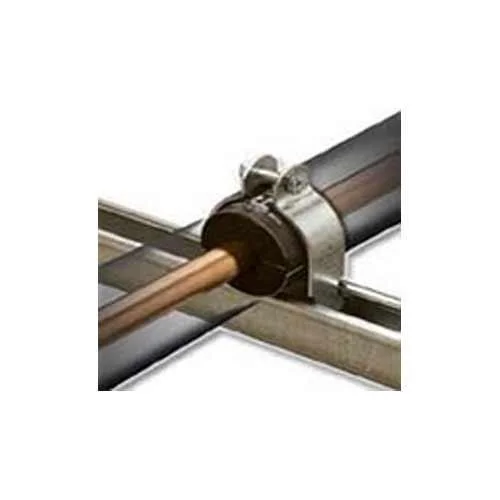
Pipe clamps and hangers are essential components used to secure and support piping systems in various industrial applications. They are designed to hold pipes in place, preventing movement and vibration while ensuring structural integrity. These fittings are typically made from durable materials like steel, stainless steel, or plastic, offering robust support under various environmental conditions.
The primary applications of pipe clamps and hangers span across multiple industries including construction, oil and gas, HVAC, and manufacturing. They are commonly utilized in plumbing systems, as well as in the installation of electrical conduits and mechanical systems. In these contexts, reliable pipe support solutions are critical for maintaining system efficiency and safety, making these components vital to operational success. The market for pipe clamps and hangers continues to grow, driven by increasing demand for infrastructure development and maintenance.
𝗞𝗲𝘆 𝗙𝗲𝗮𝘁𝘂𝗿𝗲𝘀 𝗮𝗻𝗱 𝗦𝗽𝗲𝗰𝗶𝗳𝗶𝗰𝗮𝘁𝗶𝗼𝗻𝘀
Pipe clamps and hangers offer various features that enhance their usability and effectiveness in industrial settings. Understanding these features can help businesses select the right product for their needs.
Key specifications include:
1. Material Type
- Common materials include carbon steel, stainless steel, and plastic.
- Each material offers different levels of corrosion resistance and load-bearing capacity.
2. Load Capacity
- Varies based on design and material, accommodating different pipe sizes and weights.
- Load ratings ensure safe use under specified conditions.
3. Size Range
- Available in various sizes to fit different pipe diameters.
- Standard sizes help simplify selection for common applications.
4. Temperature Resistance
- Designed to endure varying temperature ranges based on material.
- Important for applications in extreme heat or cold environments.
5. Finish Type
- Options include galvanized, painted, or coated finishes.
- Finishes enhance durability and resistance to environmental factors.
6. Installation Method
- Can be mounted using bolts, screws, or welding.
- Selection depends on the specific application and installation environment.
7. Compliance Standards
- Must meet industry standards and regulations for safety and performance.
- Ensures reliability across various applications.
In summary, understanding the key features and specifications of pipe clamps and hangers is crucial for making informed purchasing decisions. These specifications directly impact the performance and longevity of piping systems.
𝗖𝗼𝗺𝗺𝗼𝗻 𝗔𝗽𝗽𝗹𝗶𝗰𝗮𝘁𝗶𝗼𝗻𝘀 𝗮𝗻𝗱 𝗨𝘀𝗲 𝗖𝗮𝘀𝗲𝘀
Pipe clamps and hangers are versatile components used across numerous industries. Their adaptability makes them suitable for a range of applications.
1. Construction: Used to secure plumbing and HVAC systems, ensuring proper alignment and stability.
2. Oil and Gas: Essential for supporting pipelines in drilling and transportation, minimizing movement and wear.
3. Manufacturing: Employed in machinery and equipment setups, providing reliable support for piping systems.
4. Chemical Processing: Used to hold pipes that transport corrosive substances, designed to withstand harsh conditions.
5. Automotive: Integral to vehicle manufacturing, securing fuel and exhaust lines for safety and efficiency.
6. Renewable Energy: Applied in solar and wind installations, ensuring reliable support for piping in energy systems.
7. Food and Beverage: Utilized in sanitary piping systems to maintain cleanliness and compliance with health standards.
𝗣𝗿𝗼𝗱𝘂𝗰𝘁 𝗩𝗮𝗿𝗶𝗮𝗻𝘁𝘀 𝗮𝗻𝗱 𝗦𝘂𝗯𝗰𝗮𝘁𝗲𝗴𝗼𝗿𝗶𝗲𝘀
Pipe clamps and hangers come in various designs to cater to the diverse needs of different industries. This product diversity allows for tailored solutions.
Adjustable Pipe Clamps: These clamps feature a flexible design that allows for easy adjustments to fit different pipe sizes. They are ideal for applications where pipe diameters may vary.
U-Bolt Clamps: Commonly used for securing pipes to walls or ceilings, these clamps provide a strong hold and are easy to install. They are frequently used in plumbing and HVAC systems.
Spring Clamps: Designed to absorb vibrations and movements, these clamps maintain a secure grip on pipes. They are particularly useful in high-movement applications.
Riser Clamps: These are specifically designed to support vertical pipes, ensuring stability and alignment in multi-story buildings. They help manage vertical loads effectively.
𝗕𝗲𝗻𝗲𝗳𝗶𝘁𝘀 𝗮𝗻𝗱 𝗔𝗱𝘃𝗮𝗻𝘁𝗮𝗴𝗲𝘀
Choosing the right pipe clamps and hangers offers numerous benefits that can enhance operational efficiency.
1. Enhanced Stability: Provides secure support for pipes, reducing movement and potential damage.
2. Improved Safety: Minimizes risks associated with loose or unsupported piping systems, protecting workers and equipment.
3. Versatility: Available in various designs and materials, suitable for a wide range of applications.
4. Cost-Effectiveness: Durable materials and designs reduce maintenance costs over time, offering long-term savings.
5. Easy Installation: Many clamps and hangers are designed for quick and simple installation, minimizing downtime.
6. Compliance Assurance: Helps ensure that piping systems meet safety and regulatory standards.
𝗕𝘂𝘆𝗶𝗻𝗴 𝗚𝘂𝗶𝗱𝗲 𝗳𝗼𝗿 𝗕𝟮𝗕 𝗕𝘂𝘆𝗲𝗿𝘀
When sourcing pipe clamps and hangers, several factors should be considered to ensure the right choice for your application.
1. Quality Assessment: Look for products that meet industry standards for durability and performance. Check for certifications that indicate quality.
2. Supplier Verification: Vet suppliers to ensure they offer reliable products and have a good reputation in the market. Look for customer reviews and case studies.
3. Pricing and MOQ: Consider the cost of products and any minimum order quantity requirements. Compare pricing among suppliers to find the best deal.
4. Delivery and Lead Times: Assess the logistics involved in delivery, including how quickly the supplier can fulfill orders. Timely delivery is crucial for project planning.
5. Compliance Requirements: Ensure that the products meet relevant compliance and regulatory needs specific to your industry. This can include safety standards and environmental regulations.
𝗖𝗼𝗺𝗽𝗹𝗶𝗮𝗻𝗰𝗲 𝗮𝗻𝗱 𝗖𝗲𝗿𝘁𝗶𝗳𝗶𝗰𝗮𝘁𝗶𝗼𝗻𝘀
Compliance with industry standards is crucial for the safety and effectiveness of pipe clamps and hangers. Common quality standards include ISO 9001, which ensures consistent quality management processes. Additionally, certifications such as CE indicate that products meet European safety and health requirements.
Safety testing requirements are vital to ensure that the products can withstand various environmental conditions and operational stresses. It is also essential to consider regional compliance considerations, as different areas may have specific regulations governing the use of piping systems in industrial applications.
𝗪𝗵𝘆 𝗦𝗼𝘂𝗿𝗰𝗲 𝗣𝗶𝗽𝗲 𝗖𝗹𝗮𝗺𝗽𝘀 & 𝗛𝗮𝗻𝗴𝗲𝗿𝘀 𝗳𝗿𝗼𝗺 𝗣𝗲𝗽𝗮𝗴𝗼𝗿𝗮?
Pepagora offers a reliable platform for sourcing pipe clamps and hangers, providing several key advantages for businesses.
Verified Supplier Network: Pepagora connects buyers with a network of verified suppliers, ensuring that products meet quality and performance standards. This verification process builds trust and confidence in sourcing decisions.
Streamlined RFQ Process: The request for quotation system simplifies the procurement process, allowing buyers to easily compare offers from multiple suppliers. This efficiency saves time and aids in making informed choices.
Trade Assurance and Support: Buyers benefit from trade assurance protection, which safeguards transactions and provides support throughout the purchasing process. This feature promotes peace of mind when sourcing products.
Regional Coverage: Pepagora has a broad geographic reach, serving markets in India, the GCC, and Southeast Asia. This extensive network ensures that businesses can access quality products regardless of their location.
Newly Added



_2045888631_1229.webp)

Recently Added
Bakshi Enterprises
Premium Poly V Belts For Automotive And Agricultural Machinery
Industrial GI Pipes 10 100mm NB 1.80 5.40mm Thickness
Industrial PU Tubes Durable Flexible Abrasion Oil Chemical Resistant
Anurag Industrial Corporation
Industrial Electrical Cables Panel Wires Multicore Armoured LAN
Industrial Electrical Switches For Automation And Control Panels
Industrial GI Pipe Fittings Galvanized Iron Corrosion Resistant
Prakash Industries
Premium PVC Tank Joints And Nipples For Sintex Tanks, Agriculture, Construction
Industrial Fluid System Reducer Connectors High Pressure Applications
Industrial PVC Flow Tap R Handle 15mm 20mm Leak Proof Water Control
Essen Metals & Alloy
UV Resistant Shade Net Threads For Greenhouse Construction
Premium Zig Zag Wire High Durability Horticulture Construction
Premium Galvanized Steel Clamps For Greenhouse And Polyhouse Construction
Associated Surgical Co
Premium Diagnostics Instruments For Clinics Labs And Hospitals
Medicon Gynecology Instruments For OB/GYN Professionals And Hospitals
Premium Intestinal And Stomach Surgical Instruments For Hospitals And Clinics
Mammon Furnace & Fabricatiors Co
Industrial Cupola Furnace For Foundries Melting Iron Alloys Efficient Durable
Ladle Furnace For Precise Temperature Control In Molten Steel Processing
Industrial Paper Board Mill Machine For High Volume Production
M K Hardware
Industrial PVC Nylon Braided Hoses Durable PU Cover Reliable
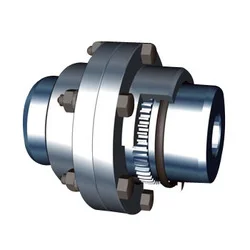
Chemical Industry Flexible Aluminium Gear Coupling With Welding Connection
Industrial Stainless Steel Swivel Hose Clamp Welding Connection
Industrial Tools & Metals
Industrial Sheet Metal Cable Trays Ladder Perforated MS SS GI Aluminum
Industrial Allen Nuts And Bolts Galvanized Zinc Plated Forged Metal
Industrial Anchor Bolts Forged Metal Galvanized Zinc Plated Standard
Wavers India Tap Mounting (P) Ltd
Industrial Angle Valve 2 in 1 for HVAC Plumbing Fluid Control
Premium Brass Pillar Cocks For Commercial And Residential Bathrooms
Commercial Residential Dual Lever Brass Center Hole Basin Mixer
Bhomik Industries
PVC Coated Stainless Steel Cable Ties Heavy Duty Corrosion Resistant
Premium Copper Lug Thimbles For Secure Wire Termination And Protection
Industrial Electrical Grounding Premium Stainless Steel Earthing Kits
Why Businesses Trust Pepagora
Thousands of companies trust Pepagora to source smarter and sell faster
Expand Your Sales Globally
25000+Products listed.Get discovered by global buyers
Tools to boost visibility
Build your own catalog

Source Smarter,Grow Faster
4000+Active RFQs
100+ Countries served
Easy Sourcing Tools
