
 IN
INundefined
Pineapples
4 products available
𝗪𝗵𝗮𝘁 𝗮𝗿𝗲 𝗣𝗶𝗻𝗲𝗮𝗽𝗽𝗹𝗲𝘀?
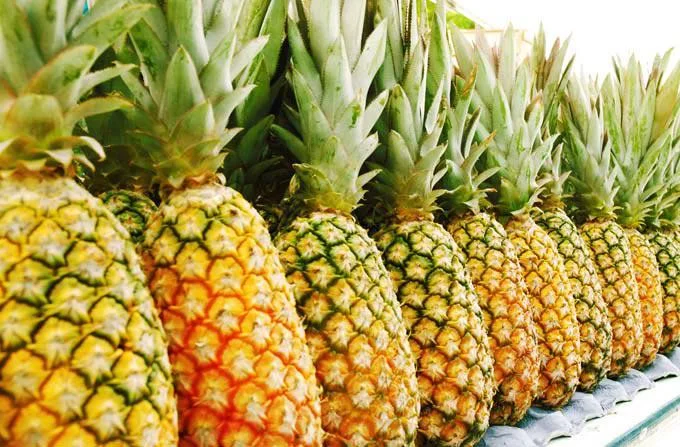
Pineapples are tropical fruits known for their unique flavor, vibrant appearance, and nutritional benefits. They belong to the Bromeliaceae family and are cultivated in warm climates around the world. The fruit is characterized by its spiky exterior, sweet and juicy flesh, and high vitamin C content. Pineapples are typically harvested when ripe, ensuring they have the best taste and nutritional value.
In the B2B context, pineapples are primarily used in food and beverage industries. They are processed into juices, canned products, and dried snacks. Additionally, they serve as an ingredient in various culinary dishes, contributing to flavor profiles in both sweet and savory contexts. The market for pineapples continues to grow as consumers increasingly seek healthy and natural food options, making them relevant for food manufacturers, retailers, and restaurants.
𝗞𝗲𝘆 𝗙𝗲𝗮𝘁𝘂𝗿𝗲𝘀 𝗮𝗻𝗱 𝗦𝗽𝗲𝗰𝗶𝗳𝗶𝗰𝗮𝘁𝗶𝗼𝗻𝘀
Pineapples are valued for their distinctive taste and versatility. They are available in various sizes and can be sold whole or processed. When considering pineapples for business applications, understanding their specifications is crucial.
Key specifications include:
1. Size
- Pineapples vary in size, typically ranging from 1 to 5 kilograms.
- Size affects price and potential use in different applications.
2. Ripeness
- Ripeness is determined by color and firmness.
- Ideal ripeness ensures maximum flavor and sweetness.
3. Variety
- Common varieties include Smooth Cayenne, Queen, and Red Spanish.
- Each variety has unique flavor profiles and uses.
4. Shelf Life
- Fresh pineapples have a shelf life of about 3 to 5 days at room temperature.
- Proper refrigeration can extend their usability.
5. Nutritional Content
- Pineapples are rich in vitamins, particularly vitamin C and manganese.
- They are low in calories, making them a healthy choice for consumers.
6. Packaging Options
- Pineapples can be packaged whole, sliced, or canned.
- Packaging affects freshness and marketability.
In summary, understanding the key specifications of pineapples helps businesses choose the right products for their needs and ensures they meet market demands.
𝗖𝗼𝗺𝗺𝗼𝗻 𝗔𝗽𝗽𝗹𝗶𝗰𝗮𝘁𝗶𝗼𝗻𝘀 𝗮𝗻𝗱 𝗨𝘀𝗲 𝗖𝗮𝘀𝗲𝘀
Pineapples serve various industries due to their versatility and popularity.
1. Food and Beverage Industry: Pineapples are used in juices, smoothies, and cocktails. They are also a key ingredient in sauces and marinades.
2. Culinary: Restaurants use fresh pineapples in salads, desserts, and main dishes, enhancing flavor and presentation.
3. Snack Food: Dried and candied pineapples are popular snack items, appealing to health-conscious consumers.
4. Bakery: Pineapples are incorporated into baked goods, such as pizzas and pastries, adding a unique twist to traditional recipes.
5. Nutraceuticals: Pineapples are used in dietary supplements for their health benefits, including anti-inflammatory properties.
6. Cosmetics: Pineapple extracts are increasingly found in skincare products for their beneficial properties.
𝗣𝗿𝗼𝗱𝘂𝗰𝘁 𝗩𝗮𝗿𝗶𝗮𝗻𝘁𝘀 𝗮𝗻𝗱 𝗦𝘂𝗯𝗰𝗮𝘁𝗲𝗴𝗼𝗿𝗶𝗲𝘀
Pineapples are available in several variants, catering to different market needs.
Fresh Pineapples: These are whole fruits sold in various sizes. They are ideal for direct consumption or culinary use.
Canned Pineapples: This variant includes sliced or chunked pineapples preserved in juice or syrup. They are convenient for food manufacturers and restaurants.
Dried Pineapples: These are dehydrated fruits, often used in snacks and trail mixes. They offer a long shelf life and a concentrated flavor.
Juice Concentrate: Pineapple juice concentrate is commonly used in beverages and food products. It provides a natural sweetener and flavor enhancer.
𝗕𝗲𝗻𝗲𝗳𝗶𝘁𝘀 𝗮𝗻𝗱 𝗔𝗱𝘃𝗮𝗻𝘁𝗮𝗴𝗲𝘀
Sourcing pineapples offers numerous benefits for businesses.
1. Nutritional Value: Pineapples are rich in vitamins and minerals, making them a healthy addition to diets.
2. Versatility: Their various applications in food and beverage production allow for diverse product offerings.
3. Consumer Demand: Increasing consumer interest in healthy and natural products drives demand for pineapples.
4. Taste: The unique sweetness and acidity of pineapples enhance the flavor of many dishes and products.
5. Profitability: Businesses can capitalize on the popularity of pineapples to expand their product lines and increase revenue.
6. Seasonal Availability: Sourcing from different regions can help maintain a year-round supply of fresh pineapples.
𝗕𝘂𝘆𝗶𝗻𝗴 𝗚𝘂𝗶𝗱𝗲 𝗳𝗼𝗿 𝗕𝟮𝗕 𝗕𝘂𝘆𝗲𝗿𝘀
When sourcing pineapples for business purposes, several factors should be considered to ensure quality and reliability.
1. Quality Assessment: Evaluate pineapples based on appearance, firmness, and ripeness. High-quality fruit is essential for maintaining consumer satisfaction.
2. Supplier Verification: Vet potential suppliers to ensure they meet industry standards and have a reputation for delivering quality products.
3. Pricing and MOQ: Understand pricing structures and minimum order quantities to manage budgets effectively and ensure profitability.
4. Delivery and Lead Times: Consider logistics and delivery schedules to maintain stock levels and meet customer demand.
5. Compliance Requirements: Familiarize yourself with any regulatory standards related to food safety, labeling, and import/export regulations.
𝗖𝗼𝗺𝗽𝗹𝗶𝗮𝗻𝗰𝗲 𝗮𝗻𝗱 𝗖𝗲𝗿𝘁𝗶𝗳𝗶𝗰𝗮𝘁𝗶𝗼𝗻𝘀
Pineapples must adhere to various quality standards and certifications to ensure safety and reliability for consumers and businesses.
Relevant quality standards include ISO 9001, which focuses on quality management systems, and HACCP, which ensures safe food handling and processing practices. Compliance with these standards is crucial for maintaining product quality.
Industry certifications, such as CE, indicate that products meet European health, safety, and environmental protection standards. This certification is essential for businesses exporting pineapples to the EU market.
Safety and testing requirements may vary by region, but ensuring that pineapples are free from contaminants and meet food safety regulations is a universal necessity. Additionally, regional compliance considerations may include local food safety laws and standards that must be met to operate legally.
𝗪𝗵𝘆 𝗦𝗼𝘂𝗿𝗰𝗲 𝗣𝗶𝗻𝗲𝗮𝗽𝗽𝗹𝗲𝘀 𝗳𝗿𝗼𝗺 𝗣𝗲𝗽𝗮𝗴𝗼𝗿𝗮?
Pepagora provides a trusted platform for sourcing pineapples, ensuring a seamless experience for buyers.
Verified Supplier Network: Pepagora connects businesses with verified suppliers, ensuring quality products and reliable sourcing. Each supplier undergoes a thorough vetting process to maintain high standards.
Streamlined RFQ Process: The request for quotation (RFQ) process is efficient and user-friendly. Buyers can easily submit their requirements and receive competitive quotes from multiple suppliers.
Trade Assurance and Support: Pepagora offers trade assurance, protecting buyers from risks associated with transactions. This support builds confidence in sourcing decisions.
Regional Coverage: With a strong presence in India, the GCC, and Southeast Asia, Pepagora facilitates access to a wide range of pineapple suppliers, ensuring businesses can source products locally and efficiently.
In conclusion, Pepagora is committed to helping businesses find the right pineapples while providing support and assurance throughout the sourcing process.
Newly Added





Recently Added
Export, India
Organic Fresh Bananas For Food Industry South Indian Cuisine
Organic Green Grapes Fresh Hygienical Food Grade
Organic Sweet Lemons Fresh Hygienical Food Grade Yellow
LMP Exim
Premium Dry Coconut For Food Manufacturing And Confectionery
Premium Husked Coconuts For Food Processing And Retail
Bulk Premium Semi Husked Coconuts for Food and Beverage
VNP Exim Trading
Premium Fresh Apples Multiple Sizes Hygienic Packed Nutrient Rich
Premium Fresh Bananas For Food Industry Bulk Orders
Premium Fresh Oranges Bulk Supply For Juice Production
Ashra Enterprises
Premium Indian Exporter High Quality Millet Grains Cattle Feed
Premium Indian Green Lentils Mung Dal Bulk Supply
Premium Indian Yellow Corn Maize For Food Feed Industrial
Vayalfresh Global Traders
Organic Fresh Purple Onions Medium Size 5Kg Box
Fresh Agriculture Grade Red Tomatoes In 5Kg Box Packaging
Fresh Lemons Agriculture Grade 5Kg Box Sour Citrus Fruit
Why Businesses Trust Pepagora
Thousands of companies trust Pepagora to source smarter and sell faster
Expand Your Sales Globally
25000+Products listed.Get discovered by global buyers
Tools to boost visibility
Build your own catalog

Source Smarter,Grow Faster
4000+Active RFQs
100+ Countries served
Easy Sourcing Tools
