
 IN
INundefined
Pigmentation Control Creams
1 products available
𝗪𝗵𝗮𝘁 𝗮𝗿𝗲 𝗣𝗶𝗴𝗺𝗲𝗻𝘁𝗮𝘁𝗶𝗼𝗻 𝗖𝗼𝗻𝘁𝗿𝗼𝗹 𝗖𝗿𝗲𝗮𝗺𝘀?
Pigmentation control creams are specialized formulations designed to address skin discoloration issues, such as dark spots, melasma, and hyperpigmentation. These creams often contain active ingredients that inhibit melanin production, promoting a more uniform skin tone. The primary goal of these products is to reduce the visibility of pigmentation irregularities, resulting in a clearer and brighter complexion.
In the B2B context, pigmentation control creams are utilized by various sectors including cosmetic manufacturers, dermatology clinics, and beauty salons. They are essential for businesses aiming to offer solutions for skin concerns that affect a significant portion of the population. As awareness of skincare and beauty continues to rise, the demand for effective pigmentation control products is increasing, making this a relevant area for investment in the beauty and personal care industry.
The market for pigmentation control creams is expanding, driven by consumer interest in skincare innovations and natural beauty solutions. This sector is characterized by a growing emphasis on ingredient transparency and efficacy, with companies looking to differentiate themselves through unique formulations and proven results.
𝗞𝗲𝘆 𝗙𝗲𝗮𝘁𝘂𝗿𝗲𝘀 𝗮𝗻𝗱 𝗦𝗽𝗲𝗰𝗶𝗳𝗶𝗰𝗮𝘁𝗶𝗼𝗻𝘀
Pigmentation control creams offer a variety of features and specifications that enhance their effectiveness and usability. When selecting a product, businesses should focus on the following specifications to ensure quality and performance.
Key specifications include:
1. Active Ingredients
- Commonly used ingredients include hydroquinone, kojic acid, niacinamide, and alpha arbutin.
- These components are known for their ability to inhibit melanin synthesis.
2. pH Level
- The ideal pH level for effectiveness typically ranges from 4.5 to 6.5.
- This range helps maintain skin balance while enhancing absorption.
3. Texture and Absorption Rate
- Creams may vary from lightweight gels to thicker lotions.
- Products should be tested for quick absorption to ensure user satisfaction.
4. Packaging Type
- Options often include airless pumps, tubes, or jars.
- Packaging should protect the formula from light and air exposure.
5. Shelf Life
- Most formulations have a shelf life of 12 to 24 months.
- Proper storage conditions are crucial for maintaining product efficacy.
6. Cruelty-Free Certification
- Many formulations are now labeled as cruelty-free.
- This certification appeals to consumers who prioritize ethical products.
7. Non-Comedogenic Properties
- Formulations should be non-comedogenic to avoid clogging pores.
- This feature is particularly important for acne-prone skin.
8. Dermatologist-Tested Assurance
- Products that are dermatologist-tested offer added credibility.
- This assurance often influences purchasing decisions.
In summary, selecting pigmentation control creams with the appropriate features and specifications is essential for businesses looking to meet consumer demands effectively.
𝗖𝗼𝗺𝗺𝗼𝗻 𝗔𝗽𝗽𝗹𝗶𝗰𝗮𝘁𝗶𝗼𝗻𝘀 𝗮𝗻𝗱 𝗨𝘀𝗲 𝗖𝗮𝘀𝗲𝘀
Pigmentation control creams have a wide range of applications across various industries. These creams serve multiple purposes depending on the target market and specific needs.
1. Cosmetics Industry: In this sector, pigmentation control creams are integral to product lines focusing on skin brightening and evening out skin tone. Manufacturers often incorporate these creams into their offerings to address common skin concerns.
2. Dermatology Clinics: Dermatologists frequently recommend pigmentation control creams as part of treatment plans for patients dealing with hyperpigmentation issues. These products are essential for post-treatment care following procedures like chemical peels or laser therapy.
3. Beauty Salons: Many beauty salons utilize pigmentation control creams in their skincare treatments. Salons may incorporate these creams into facials or other services aimed at enhancing skin clarity.
4. E-commerce Platforms: Online retailers increasingly feature pigmentation control creams as part of their skincare selections. This allows consumers to access a variety of products from different brands conveniently.
5. Spa and Wellness Centers: Many spas offer pigmentation control treatments as part of their services. These creams can be used in conjunction with other therapies to enhance overall skin health.
6. Health and Wellness Retailers: Stores focusing on health and wellness also carry pigmentation control creams, appealing to consumers interested in holistic skincare solutions.
In conclusion, the versatility of pigmentation control creams allows them to cater to diverse markets and applications, making them a valuable addition to numerous product lines.
𝗣𝗿𝗼𝗱𝘂𝗰𝘁 𝗩𝗮𝗿𝗶𝗮𝗻𝘁𝘀 𝗮𝗻𝗱 𝗦𝘂𝗯𝗰𝗮𝘁𝗲𝗴𝗼𝗿𝗶𝗲𝘀
Pigmentation control creams come in a variety of formulations to meet different consumer needs and preferences. While specific subcategories are not available, the following variants are commonly offered in the market.
Hydroquinone Creams: These creams contain hydroquinone as the primary active ingredient, which is known for its powerful lightening effects on dark spots. They are often used for targeted treatment of hyperpigmentation.
Kojic Acid Creams: Formulated with kojic acid, these creams are popular for their ability to inhibit melanin production. They are suitable for individuals seeking a more natural approach to skin lightening.
Niacinamide Creams: These variants include niacinamide, known for its anti-inflammatory properties. They help improve skin texture while reducing pigmentation, making them ideal for sensitive skin types.
Alpha Arbutin Creams: Containing alpha arbutin, these creams are effective in brightening the skin and fading dark spots. They are often marketed as gentler alternatives to hydroquinone-based products.
In summary, the availability of different variants allows businesses to cater to a wide range of consumer preferences and skin concerns, enhancing their product offerings.
𝗕𝗲𝗻𝗲𝗳𝗶𝘁𝘀 𝗮𝗻𝗱 𝗔𝗱𝘃𝗮𝗻𝘁𝗮𝗴𝗲𝘀
Pigmentation control creams provide numerous benefits that make them attractive to both consumers and businesses. Understanding these advantages can aid in making informed purchasing decisions.
Key benefits include:
1. Effective Skin Brightening: These creams are formulated to significantly reduce dark spots and uneven skin tone, promoting a brighter complexion.
2. Improved Skin Texture: Regular use can enhance skin texture and clarity, leading to a smoother appearance.
3. Targeted Treatment: Many pigmentation control creams offer targeted solutions for specific areas of concern, allowing for precise application.
4. Increased Consumer Demand: As awareness of skincare increases, there is a growing market for effective pigmentation solutions, leading to potential sales growth.
5. Versatility: These creams can be integrated into various skincare routines, appealing to a broad audience.
6. Enhanced Brand Reputation: Offering high-quality pigmentation control creams can strengthen a brand's reputation as a leader in skincare innovation.
In conclusion, the numerous benefits of pigmentation control creams make them a strategic addition to any skincare line, ensuring customer satisfaction and loyalty.
𝗕𝘂𝘆𝗶𝗻𝗴 𝗚𝘂𝗶𝗱𝗲 𝗳𝗼𝗿 𝗕𝟮𝗕 𝗕𝘂𝘆𝗲𝗿𝘀
When sourcing pigmentation control creams, B2B buyers should consider several key factors to ensure they are making the best purchasing decisions for their businesses.
1. Quality Assessment: Evaluate the quality of the creams by requesting samples and analyzing ingredient lists. Look for products with clinically proven active ingredients for effectiveness.
2. Supplier Verification: Conduct thorough research to verify the credibility of suppliers. Check for industry certifications and customer reviews to ensure reliable partnerships.
3. Pricing and MOQ: Understand the pricing structure and minimum order quantities (MOQ) from suppliers. Compare costs across different vendors to find competitive options while considering product quality.
4. Delivery and Lead Times: Discuss logistics with suppliers to establish clear delivery timelines. Ensure that they can meet your business's demand without delays.
5. Compliance Requirements: Be aware of any regulatory standards that apply to pigmentation control creams. Ensure that the products meet safety and testing requirements specific to your region.
In summary, careful consideration of these factors can help B2B buyers make informed decisions when sourcing pigmentation control creams, ultimately benefiting their business operations.
𝗖𝗼𝗺𝗽𝗹𝗶𝗮𝗻𝗰𝗲 𝗮𝗻𝗱 𝗖𝗲𝗿𝘁𝗶𝗳𝗶𝗰𝗮𝘁𝗶𝗼𝗻𝘀
Compliance and certifications are critical aspects of sourcing pigmentation control creams, ensuring that products meet safety and quality standards. Manufacturers should adhere to relevant quality standards such as ISO 9001, which focuses on maintaining effective quality management systems. This certification demonstrates a commitment to providing high-quality products consistently.
Additionally, compliance with Good Manufacturing Practices (GMP) is essential for ensuring that products are produced safely and meet regulatory guidelines. Certifications such as CE mark assure consumers that the products have been assessed and comply with European health, safety, and environmental protection standards.
Safety and testing requirements are also paramount, as they guarantee that the creams are safe for consumer use. Manufacturers should conduct rigorous testing to assess potential allergens and irritants in their formulations.
Lastly, regional compliance considerations are important, as different markets may have specific regulations governing the use of active ingredients in skincare products. Adhering to these regulations is vital for market entry and consumer safety.
𝗪𝗵𝘆 𝗦𝗼𝘂𝗿𝗰𝗲 𝗣𝗶𝗴𝗺𝗲𝗻𝘁𝗮𝘁𝗶𝗼𝗻 𝗖𝗼𝗻𝘁𝗿𝗼𝗹 𝗖𝗿𝗲𝗮𝗺𝘀 𝗳𝗿𝗼𝗺 𝗣𝗲𝗽𝗮𝗴𝗼𝗿𝗮?
Pepagora provides a trusted platform for sourcing pigmentation control creams, offering several key advantages that can enhance the purchasing experience for businesses.
Verified Supplier Network: Pepagora connects buyers with a network of verified suppliers, ensuring that businesses can source high-quality products from reputable manufacturers. This reduces the risk associated with unreliable suppliers.
Streamlined RFQ Process: The platform offers a streamlined Request for Quotation (RFQ) process, allowing buyers to quickly compare offers from multiple suppliers. This efficiency helps businesses make informed purchasing decisions faster.
Trade Assurance and Support: Pepagora offers trade assurance and support, providing buyers with protection during transactions. This added layer of security enhances confidence in the sourcing process.
Regional Coverage: With a strong presence in regions such as India, the Gulf Cooperation Council (GCC), and Southeast Asia, Pepagora facilitates access to a wide range of suppliers and products. This regional coverage ensures that buyers can find suitable options to meet their specific market needs.
In summary, sourcing pigmentation control creams from Pepagora presents businesses with a reliable and efficient solution, helping them access quality products while minimizing risks.
Newly Added


Recently Added
DR. Ajay Gupta
Alopecia Areata Treatment Solutions For Clinics And Distributors
Clinics Distributors Homeopathic Anal Warts Treatment Natural Relief
Anxiety Homeopathy Treatment Natural Relief For Depression And Stress
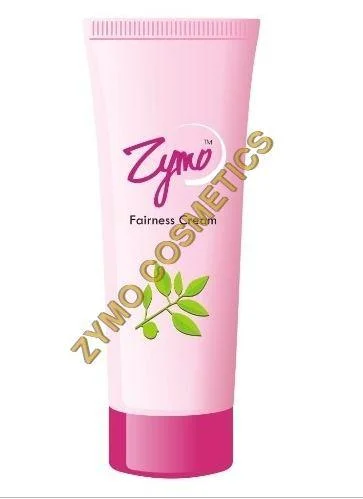
Zymo Cosmetics
Premium Whitening Face Wash For Brightening And Dark Spot Reduction
Pimple Care Face Wash For Acne Prone Skin And Oily Skin
Whitening Cream For Hyperpigmentation And Radiant Skin
Why Businesses Trust Pepagora
Thousands of companies trust Pepagora to source smarter and sell faster
Expand Your Sales Globally
25000+Products listed.Get discovered by global buyers
Tools to boost visibility
Build your own catalog

Source Smarter,Grow Faster
4000+Active RFQs
100+ Countries served
Easy Sourcing Tools
