
 IN
INundefined
Perforated Metal Sheets
18 products available
𝗪𝗵𝗮𝘁 𝗮𝗿𝗲 𝗣𝗲𝗿𝗳𝗼𝗿𝗮𝘁𝗲𝗱 𝗠𝗲𝘁𝗮𝗹 𝗦𝗵𝗲𝗲𝘁𝘀?
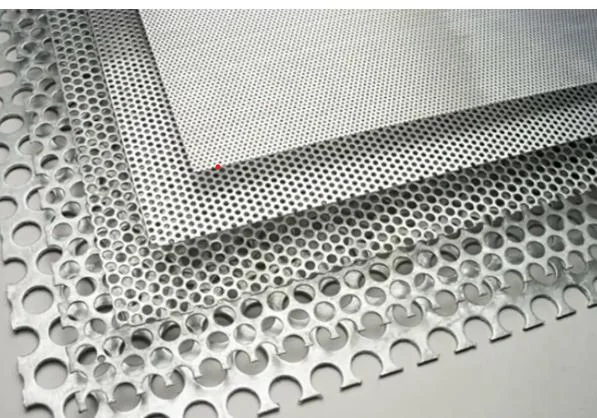
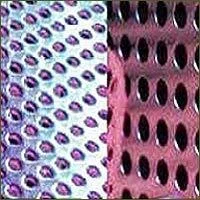
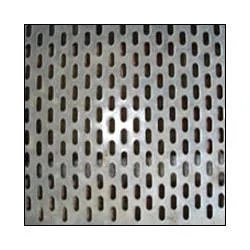
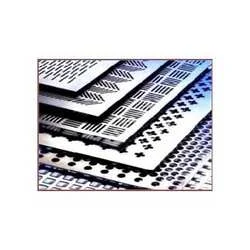
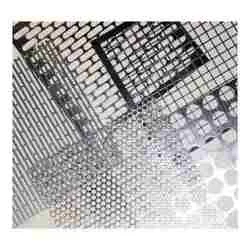
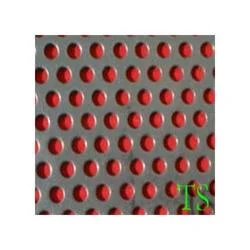
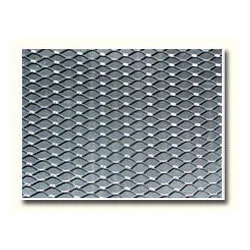
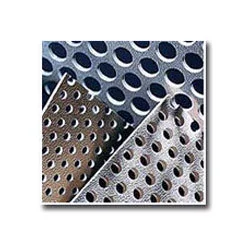
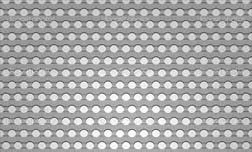
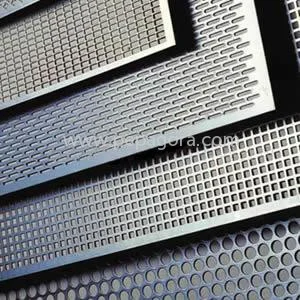
Perforated metal sheets are sheets of metal that have been mechanically punched, stamped, or drilled with a pattern of holes or slots. This process creates a variety of shapes and sizes of openings, allowing for the customization of the metal sheet according to specific needs. The perforation patterns can be uniform or varied, depending on the application requirements. These sheets are typically made from materials such as stainless steel, aluminum, or mild steel, providing strength and durability.
Perforated metal sheets find extensive use across various industries due to their versatility. They are commonly used in architectural applications, filtration systems, sound reduction solutions, and as protective barriers. Industries such as construction, automotive, and manufacturing leverage these sheets for practical solutions. The ability to allow air, light, and sound to pass through while maintaining structural integrity makes perforated metal sheets a valuable asset in both functional and aesthetic applications.
In the current market, the demand for perforated metal sheets is driven by their wide-ranging capabilities and performance. As industries seek sustainable and efficient solutions, the use of perforated metal sheets continues to grow. Their adaptability to different environments and processes positions them as essential components in modern industrial and commercial applications.
𝗞𝗲𝘆 𝗙𝗲𝗮𝘁𝘂𝗿𝗲𝘀 𝗮𝗻𝗱 𝗦𝗽𝗲𝗰𝗶𝗳𝗶𝗰𝗮𝘁𝗶𝗼𝗻𝘀
Perforated metal sheets offer several key features that enhance their functionality across various applications. They are designed to meet specific performance needs while providing aesthetic appeal. Understanding the specifications of perforated metal sheets is crucial for selecting the right product for your requirements.
Key specifications include:
1. Material Type
- Available in metals such as stainless steel, aluminum, and mild steel.
- Each material offers unique properties such as corrosion resistance and strength.
2. Hole Size
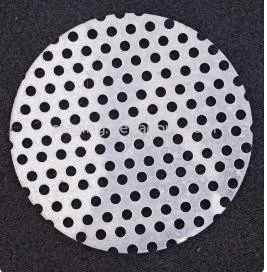
- Varies based on application needs, typically ranging from small perforations to larger openings.
- Custom sizes can be produced as per client specifications.
3. Hole Pattern
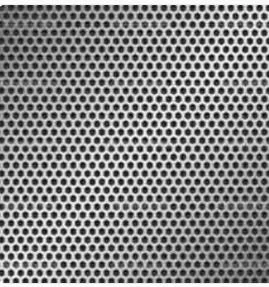
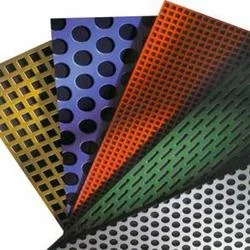
- Can be staggered, straight, or custom patterns.
- Affects airflow, light passage, and aesthetic appeal.
4. Sheet Thickness
- Available in various thicknesses, generally ranging from 0.5 mm to 6 mm.
- Thickness impacts strength and durability.
5. Sheet Size
- Standard sheet sizes are available, but custom dimensions can be provided.
- Commonly used sizes include 4x8 feet and 5x10 feet.
6. Finish
- Options include mill finish, painted, or powder-coated.
- Finishes improve corrosion resistance and visual appeal.
7. Load Capacity
- Determines how much weight the sheet can support without deforming.
- Varies based on material and thickness.
8. Compliance with Standards
- Many sheets meet industry standards such as CE for quality assurance.
- Compliance ensures reliability and safety for intended applications.
In summary, understanding these specifications is vital when choosing perforated metal sheets. Each feature can significantly impact performance, making it essential to select the right combination for your business needs.
𝗖𝗼𝗺𝗺𝗼𝗻 𝗔𝗽𝗽𝗹𝗶𝗰𝗮𝘁𝗶𝗼𝗻𝘀 𝗮𝗻𝗱 𝗨𝘀𝗲 𝗖𝗮𝘀𝗲𝘀
Perforated metal sheets are utilized in a wide range of industries, showcasing their adaptability and functionality across various applications.
1. Construction: In the construction industry, perforated metal sheets are used for facades, sunshades, and architectural elements. Their aesthetic appeal combined with functionality allows for both decorative and practical uses.
2. Automotive: In automotive manufacturing, these sheets serve as sound dampening panels and air filters. They help in reducing noise while ensuring proper airflow in vehicle engines.
3. Filtration: The filtration industry employs perforated metal sheets in water and air filtration systems. Their precise hole sizes ensure effective filtering while maintaining structural integrity.
4. HVAC: In heating, ventilation, and air conditioning systems, perforated sheets are used for air distribution and noise reduction. They help in managing airflow efficiently.
5. Retail Displays: Retail environments utilize perforated metal sheets for product displays and shelving. The versatility in design allows for showcasing products effectively.
6. Industrial Equipment: Many industrial machines use perforated sheets for protective enclosures and guards. They enhance safety while allowing visibility and airflow.
7. Agriculture: In agriculture, perforated metal sheets are used in storage bins and silos for ventilation purposes. They help in maintaining the quality of stored products.
𝗣𝗿𝗼𝗱𝘂𝗰𝘁 𝗩𝗮𝗿𝗶𝗮𝗻𝘁𝘀 𝗮𝗻𝗱 𝗦𝘂𝗯𝗰𝗮𝘁𝗲𝗴𝗼𝗿𝗶𝗲𝘀
Perforated metal sheets come in various forms, each designed to meet specific needs across industries. While the exact subcategories may vary, the diversity in product offerings allows for tailored solutions.
Standard Perforated Sheets
These sheets feature uniform hole patterns and sizes, making them suitable for a wide range of applications. They are commonly used in architectural designs and industrial settings.
Custom Perforated Sheets
Custom options allow businesses to specify unique hole patterns, sizes, and sheet dimensions based on their specific requirements. This flexibility is ideal for specialized applications.
Architectural Perforated Sheets
Designed with aesthetics in mind, these sheets are used in building facades and decorative elements. They combine functionality with visual appeal, enhancing the overall design.
𝗕𝗲𝗻𝗲𝗳𝗶𝘁𝘀 𝗮𝗻𝗱 𝗔𝗱𝘃𝗮𝗻𝘁𝗮𝗴𝗲𝘀
Choosing perforated metal sheets offers numerous benefits that can significantly enhance operational efficiency and product performance.
1. Versatility: Perforated metal sheets can be used in various applications, making them a flexible solution for different industries.
2. Customization: They can be customized in terms of hole size, pattern, and material, allowing businesses to meet specific project requirements.
3. Lightweight: Despite their durability, perforated sheets are relatively lightweight, making them easier to handle and install.
4. Aesthetic Appeal: The variety of patterns and finishes available allows for creative design solutions in architectural applications.
5. Improved Airflow: Their perforated design enables optimal airflow, making them ideal for ventilation and filtration applications.
6. Cost-Effective: Perforated sheets can provide significant cost savings by reducing material usage while maintaining structural integrity.
𝗕𝘂𝘆𝗶𝗻𝗴 𝗚𝘂𝗶𝗱𝗲 𝗳𝗼𝗿 𝗕𝟮𝗕 𝗕𝘂𝘆𝗲𝗿𝘀
When sourcing perforated metal sheets, businesses should keep several key factors in mind to ensure they select the right product.
1. Quality Assessment: Evaluate the quality of materials and manufacturing processes. Look for compliance with industry standards to ensure durability and performance.
2. Supplier Verification: Always vet suppliers to ensure they have a reliable track record. Check for certifications and customer reviews to gauge their credibility.
3. Pricing and MOQ: Understand the pricing structure and minimum order quantity (MOQ) requirements. This helps in budgeting and planning for procurement.
4. Delivery and Lead Times: Inquire about delivery options and lead times. Timely delivery is crucial for maintaining project schedules.
5. Compliance Requirements: Ensure that the products meet all necessary compliance and regulatory requirements for your industry. This includes certifications and safety standards.
𝗖𝗼𝗺𝗽𝗹𝗶𝗮𝗻𝗰𝗲 𝗮𝗻𝗱 𝗖𝗲𝗿𝘁𝗶𝗳𝗶𝗰𝗮𝘁𝗶𝗼𝗻𝘀
Perforated metal sheets must adhere to various industry standards and regulations to ensure safety and quality. ISO 9001 is a widely recognized quality management standard that ensures manufacturers meet customer and regulatory requirements.
In addition, industry certifications such as CE signify that the product meets European safety and environmental standards. Compliance with these standards is critical for ensuring product reliability and safety in applications.
Manufacturers should also adhere to safety and testing requirements to guarantee that perforated metal sheets are fit for their intended use. Regional compliance considerations may vary, so it is essential to be aware of local regulations that may apply.
𝗪𝗵𝘆 𝗦𝗼𝘂𝗿𝗰𝗲 𝗣𝗲𝗿𝗳𝗼𝗿𝗮𝘁𝗲𝗱 𝗠𝗲𝘁𝗮𝗹 𝗦𝗵𝗲𝗲𝘁𝘀 𝗳𝗿𝗼𝗺 𝗣𝗲𝗽𝗮𝗴𝗼𝗿𝗮?
Pepagora is a trusted platform for sourcing perforated metal sheets, offering several key advantages to B2B buyers.
Verified Supplier Network: Pepagora connects buyers with a verified network of suppliers. This ensures that you engage with reputable manufacturers who meet strict quality and compliance standards.
Streamlined RFQ Process: The platform simplifies the request for quotation (RFQ) process, allowing buyers to receive competitive quotes from multiple suppliers quickly. This efficiency can save time and resources.
Trade Assurance and Support: Buyers benefit from trade assurance, providing protection in transactions. Pepagora’s support team is available to assist with any inquiries or concerns, ensuring a smooth purchasing experience.
Regional Coverage: With a strong presence in India, GCC, and Southeast Asia, Pepagora offers extensive regional coverage. This ensures that businesses can easily access quality perforated metal sheets tailored to their specific needs.
Newly Added


Recently Added
Abr Enviro Systems
Industrial Compressed Air Moisture Separator For Maximum Efficiency
Industrial Solenoid Valves For Pneumatic Airflow Control In Filtration Systems
Premium Collecting Plates Durable Customizable For Hospitality
CALCUTTA WIRE NETTING COMPANY
Galvanized Chicken Wire Mesh For Fencing And Construction
Industrial Stainless Steel Hexagonal Wire Mesh For Fencing And Reinforcement
Architectural Stainless Steel Decorated Wire Mesh For Facades Partitions
Balaji Trade Centre
Industrial Stainless Steel Sheets Coils Plates Corrosion Resistant
Industrial Aluminium Checkered Plates Non Slip Diamond Pattern
Industrial Stainless Steel ERW Seamless Pipes For High Pressure Heat Transfer
Jain Wire Netting Stores
Industrial Crimped Wire Mesh For Screening Mining Quarrying
Premium GI Wire And Concertina Wire For High Security Fencing
Industrial Woven Wire Mesh Galvanized Stainless Steel Filtration Sieving
Dhruva Associates
Industrial Aluminum Sheets Premium Strength Corrosion Resistant
Industrial Aluminium Sheets And Plates For Construction Automotive Aerospace
Industrial Aluminum Perforated Sheets For Filtration And Ventilation
Arvind Steel & Hardware
Industrial Galvanized Corrugated Sheets For Roofing And Cladding
Industrial Construction Galvanized Color Coated Steel Sheets
Industrial Galvalume Profile Sheets For Roofing And Cladding
Ishwar Chand Steel Co
Industrial Stainless Steel Pipes High Corrosion Resistance Durable
Industrial Stainless Steel Sheets 304 316 310 202 204 Grades
Premium Commercial Dust Bins for Hospitals, Hotels, and Offices
Calcutta Wire Netting Co .pvt
Industrial PVC Mesh Waterproof Fire Resistant Green Black 4Ft 2Mtr
Industrial Galvanized Stainless Steel Wire 0.020 0.499 Gauge Corrosion Resistant
Expanded Metal Mesh Diamond Galvanized Stainless Steel 2.5m Width
Aman Engineering Corporation
Industrial Hose Clamp Type Eight For High Pressure Fluid Systems
Industrial Premium Wire Clamps For Durable Cable Management
Industrial Bearing Sleeves Dry Running Corrosion Resistant High Temperature
Konark Metal Industries
Industrial Stainless Steel Pipes And Tubes For High Temperature Fluid Transport
Industrial Stainless Steel And MS Pipe Fittings And Flanges
Industrial Stainless Steel Rods And Wires For High Performance Applications
Why Businesses Trust Pepagora
Thousands of companies trust Pepagora to source smarter and sell faster
Expand Your Sales Globally
25000+Products listed.Get discovered by global buyers
Tools to boost visibility
Build your own catalog

Source Smarter,Grow Faster
4000+Active RFQs
100+ Countries served
Easy Sourcing Tools
