
 IN
INundefined
Percussion Instruments (Djembe, Conga, Tabla)
2 products available
What are Percussion Instruments (Djembe, Conga, Tabla)?
Percussion instruments such as the Djembe, Conga, and Tabla are essential components of music across many cultures. These instruments produce sound through the striking of their surfaces, typically with hands or mallets. The Djembe is a goblet-shaped drum originating from West Africa, characterized by its deep, resonant tones. Congas are tall, narrow cylindrical drums that are integral to Afro-Cuban music, while the Tabla is a pair of hand-played drums from India known for its intricate rhythms and versatile sound.
These instruments are widely used in various settings including music studios, concert halls, cultural performances, and educational institutions. They serve not only as musical tools but also as cultural artifacts, connecting communities through rhythm and sound. The demand for these percussion instruments is growing in the global market, driven by the increasing popularity of world music and the rise of multicultural music genres.
As businesses look to enhance their product offerings, understanding the relevance of these instruments is crucial. They are not only popular among musicians but also in industries such as entertainment, education, and cultural preservation. This growing interest presents opportunities for manufacturers and suppliers to cater to a diverse audience.
𝗞𝗲𝘆 𝗙𝗲𝗮𝘁𝘂𝗿𝗲𝘀 𝗮𝗻𝗱 𝗦𝗽𝗲𝗰𝗶𝗳𝗶𝗰𝗮𝘁𝗶𝗼𝗻𝘀
Percussion instruments such as the Djembe, Conga, and Tabla come with a variety of features that influence their performance and suitability for different applications. Understanding these specifications is vital for businesses looking to invest in quality instruments.
Key specifications include:
1. Material Composition
- Common materials include wood, fiberglass, and synthetic skins.
- Wood types can vary and affect both sound quality and durability.
2. Size and Dimensions
- Each instrument comes in various sizes, impacting sound and playability.
- Typical height for Congas ranges from 28 to 30 inches, while Djembes can be between 10 to 15 inches in diameter.
3. Sound Quality
- The tonal range can vary based on the material and construction.
- Djembes are known for their rich bass tones, while Tablas offer a wide range of pitches.
4. Finishing
- Instruments may have natural or synthetic finishes.
- A good finish enhances aesthetics and durability.
5. Weight
- The weight of the instruments can affect portability and ease of use.
- Lighter models are often preferred for traveling musicians.
6. Customization Options
- Many manufacturers offer customization in size, design, and materials.
- Customization can enhance brand identity for businesses.
In summary, understanding the key features and specifications of percussion instruments is essential for making informed purchasing decisions.
𝗖𝗼𝗺𝗺𝗼𝗻 𝗔𝗽𝗽𝗹𝗶𝗰𝗮𝘁𝗶𝗼𝗻𝘀 𝗮𝗻𝗱 𝗨𝘀𝗲 𝗖𝗮𝘀𝗲𝘀
Percussion instruments like Djembe, Conga, and Tabla find applications across multiple industries, each with unique demands.
1. Music Education: Schools and music academies utilize these instruments for teaching rhythm and music theory to students of all ages.
2. Professional Music: Musicians and bands incorporate these instruments into performances, enriching their sound and connecting with diverse audiences.
3. Cultural Events: Traditional ceremonies and festivals often feature percussion instruments, preserving cultural heritage and enhancing community engagement.
4. Therapy and Wellness: Music therapy programs use these instruments to promote emotional well-being and social interaction among participants.
5. Recording Studios: Professionals in music production frequently use these instruments to add depth and authenticity to recordings.
6. Dance Studios: Percussion instruments are often used in dance classes to teach rhythm and enhance the overall experience.
7. Fitness Programs: Some fitness classes incorporate rhythmic drumming as a way to motivate participants and enhance physical activity.
𝗣𝗿𝗼𝗱𝘂𝗰𝘁 𝗩𝗮𝗿𝗶𝗮𝗻𝘁𝘀 𝗮𝗻𝗱 𝗦𝘂𝗯𝗰𝗮𝘁𝗲𝗴𝗼𝗿𝗶𝗲𝘀
There is a diverse range of percussion instruments available, each suited for different playing styles and music genres.
Djembe
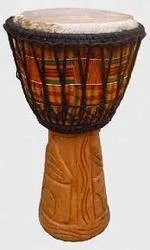
The Djembe is a versatile drum that can be played in both solo and group settings. Its unique goblet shape allows for a wide range of tones, making it ideal for various musical genres, including African, jazz, and world music. The Djembe is typically played with bare hands, allowing for dynamic sound modulation.
Conga
Congas are cylindrical drums that are popular in Latin music. They come in different sizes, each producing distinct tones. Typically, congas are played in sets, providing a rich, layered sound. Musicians use both hands to create intricate rhythms, making them a staple in bands and orchestras.
Tabla
The Tabla consists of two hand-played drums, each producing different pitches. It is a central instrument in Indian classical music and offers great versatility in rhythm patterns. The Tabla's ability to produce intricate and nuanced sounds makes it essential for both traditional performances and contemporary fusion music.
𝗕𝗲𝗻𝗲𝗳𝗶𝘁𝘀 𝗮𝗻𝗱 𝗔𝗱𝘃𝗮𝗻𝘁𝗮𝗴𝗲𝘀
Investing in percussion instruments such as Djembe, Conga, and Tabla brings numerous advantages to businesses and musicians alike.
1. Versatility: These instruments can be used across various musical genres and settings, making them suitable for diverse applications.
2. Cultural Significance: They serve as important cultural symbols, enhancing the authenticity of musical performances and educational programs.
3. High Demand: The growing interest in world music and cultural integration increases the market demand for these instruments.
4. Easy to Learn: Many percussion instruments are accessible to beginners, making them ideal for educational purposes and community engagement.
5. Quality Craftsmanship: Well-crafted instruments provide superior sound quality and durability, ensuring long-term use and satisfaction.
6. Customization Potential: The ability to customize these instruments allows businesses to cater to specific market preferences and needs.
𝗕𝘂𝘆𝗶𝗻𝗴 𝗚𝘂𝗶𝗱𝗲 𝗳𝗼𝗿 𝗕𝟮𝗕 𝗕𝘂𝘆𝗲𝗿𝘀
When sourcing percussion instruments such as Djembe, Conga, and Tabla, businesses should consider several key factors to ensure they make informed purchasing decisions.
1. Quality Assessment: Look for instruments made from high-quality materials that ensure durability and sound integrity. Pay attention to craftsmanship details, such as finishing and assembly.
2. Supplier Verification: Vet suppliers by checking their credentials, customer reviews, and history in the industry. A reliable supplier should provide transparent information about their products.
3. Pricing and MOQ: Understand the pricing structure and minimum order quantities offered by suppliers. Compare prices across different providers to ensure competitive pricing.
4. Delivery and Lead Times: Discuss logistics with suppliers, including shipping options and lead times. Timely delivery is crucial for businesses planning events or performances.
5. Compliance Requirements: Ensure that the products meet any regional or industry-specific regulations, including safety standards and certifications like CE.
𝗖𝗼𝗺𝗽𝗹𝗶𝗮𝗻𝗰𝗲 𝗮𝗻𝗱 𝗖𝗲𝗿𝘁𝗶𝗳𝗶𝗰𝗮𝘁𝗶𝗼𝗻𝘀
Compliance and certification are vital in the percussion instrument industry to ensure quality and safety standards are met. Adhering to relevant quality standards, such as ISO 9001, helps manufacturers maintain consistent quality in their production processes.
Certificates like CE demonstrate that the products meet European safety, health, and environmental requirements. This is particularly important for businesses exporting instruments to different regions, as compliance with local regulations can affect market access.
Furthermore, manufacturers should consider safety and testing requirements to ensure their products are safe for all users. This includes examining materials for toxicity and ensuring that the construction of the instruments meets durability standards. Regional compliance considerations may vary, so understanding local regulations is essential for businesses operating in multiple markets.
Why Source Percussion Instruments (Djembe, Conga, Tabla) from Pepagora?
Pepagora offers a reliable platform for sourcing percussion instruments like Djembe, Conga, and Tabla, catering to the needs of B2B buyers. One of the key advantages is the verified supplier network, which ensures that buyers can connect with reputable manufacturers who adhere to quality standards.
The streamlined RFQ process simplifies obtaining quotes and comparing offers, enabling businesses to make informed purchasing decisions quickly. This efficient system saves time and resources, allowing buyers to focus on selecting the right products for their needs.
Trade assurance and support provided by Pepagora further enhance buyer protection. This includes secure transactions and responsive customer service, ensuring that businesses have the support they need throughout the procurement process.
Additionally, Pepagora's regional coverage extends across India, the GCC, and Southeast Asia, allowing businesses to source instruments from a wide geographical area. This broad reach helps buyers find the best products suited to their specific markets and customer demands.
Newly Added


Recently Added
Artz Creatives
Educational Music Therapy Easy Play Melody Harp For Beginners
Professional Seven Bar Energy Chimes Solid Wood Aluminum Meditation
Premium 15 String Plucked Psaltery Lap Harp For Music Education
Haribhau Vishwanath Co
Professional E flat Alto Saxophone For Jazz And Concert Bands
Professional Reedless Flutes For Classical Folk Contemporary Music
Sangat Digital Electronic Tabla With Tanpura Pakhawaj Dholak Duff
Why Businesses Trust Pepagora
Thousands of companies trust Pepagora to source smarter and sell faster
Expand Your Sales Globally
25000+Products listed.Get discovered by global buyers
Tools to boost visibility
Build your own catalog

Source Smarter,Grow Faster
4000+Active RFQs
100+ Countries served
Easy Sourcing Tools
