
 IN
INundefined
Pediatric Beds & Cribs
1 products available
𝗪𝗵𝗮𝘁 𝗮𝗿𝗲 𝗣𝗲𝗱𝗶𝗮𝘁𝗿𝗶𝗰 𝗕𝗲𝗱𝘀 & 𝗖𝗿𝗶𝗯𝘀?
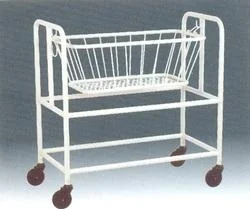
Pediatric beds and cribs are specialized sleeping furniture designed specifically for infants and young children. These products prioritize safety and comfort, ensuring that children have a secure sleeping environment. Constructed with child-friendly materials, they often feature adjustable heights, removable sides, and safety rails to accommodate the needs of growing children.
These beds and cribs are widely used in various settings, including hospitals, pediatric clinics, daycare centers, and homes. Their design allows for easy monitoring of children while providing a safe space for rest. In the healthcare sector, pediatric cribs often come equipped with additional features, such as adjustable mattress heights or integrated monitoring systems, to enhance safety and care.
The market for pediatric beds and cribs is significant, driven by the increasing awareness of child safety and the demand for quality sleep solutions. With advancements in design and materials, manufacturers are continuously evolving their offerings to meet safety standards and consumer expectations. This industry is also influenced by regulations that govern child safety, making compliance a critical aspect for manufacturers looking to succeed in this market.
𝗞𝗲𝘆 𝗙𝗲𝗮𝘁𝘂𝗿𝗲𝘀 𝗮𝗻𝗱 𝗦𝗽𝗲𝗰𝗶𝗳𝗶𝗰𝗮𝘁𝗶𝗼𝗻𝘀
Pediatric beds and cribs come with various features designed to enhance safety, functionality, and comfort for children. Understanding the specifications is essential for making informed purchasing decisions.
Key specifications include:
1. Safety Standards
- Products must comply with safety regulations such as ASTM and CPSC.
- These standards ensure that the beds and cribs are free from hazardous materials and designed to prevent accidents.
2. Adjustable Mattress Height
- Many models feature adjustable heights to accommodate growing children.
- Mattress height can range from 24 to 36 inches, allowing for easy access.
3. Material Quality
- Pediatric beds and cribs are typically made from high-quality wood or durable metal.
- Non-toxic finishes and materials are essential for child safety.
4. Weight Capacity
- Most pediatric cribs support a weight capacity up to 50 pounds.
- This allows for extended use as the child grows.
5. Dimensions
- Standard crib dimensions are generally 28 inches wide by 52 inches long.
- Custom sizes may be available based on specific needs.
6. Mobility Features
- Some models include wheels for easy movement within a space.
- Locking mechanisms ensure stability when stationary.
7. Design Variability
- Pediatric beds come in various styles, from traditional to contemporary designs.
- Customization options may be available to match specific décor.
8. Warranty and Support
- Manufacturers often provide warranties ranging from 1 to 5 years.
- This ensures that buyers have support in case of defects or issues.
In summary, the specifications of pediatric beds and cribs are critical in ensuring safety and usability. Buyers should consider these features to select the best option for their needs.
𝗖𝗼𝗺𝗺𝗼𝗻 𝗔𝗽𝗽𝗹𝗶𝗰𝗮𝘁𝗶𝗼𝗻𝘀 𝗮𝗻𝗱 𝗨𝘀𝗲 𝗖𝗮𝘀𝗲𝘀
Pediatric beds and cribs serve multiple industries, providing safe sleeping solutions for children.
1. Healthcare Facilities: Hospitals and pediatric clinics utilize specialized cribs for newborns and infants requiring medical care. These beds often include monitoring systems for vital signs.
2. Daycare Centers: Childcare facilities use pediatric beds to provide a secure and comfortable sleeping environment for toddlers, allowing caregivers to monitor sleeping children easily.
3. Residential Homes: Parents purchase pediatric cribs for their children to ensure a safe sleeping area that meets modern safety standards, accommodating their child as they grow.
4. Hotels and Resorts: Family-friendly accommodations may offer cribs on request, allowing guests traveling with young children to have suitable sleeping arrangements.
5. Schools: Some educational institutions with nurseries or preschools provide pediatric beds for nap time, ensuring a safe and comfortable space for children.
6. Foster Care Agencies: Agencies may require pediatric beds for temporary placements, ensuring that children have a safe place to sleep.
7. Non-Profit Organizations: Organizations that support families in need may distribute pediatric beds to ensure all children have access to safe sleeping environments.
𝗣𝗿𝗼𝗱𝘂𝗰𝘁 𝗩𝗮𝗿𝗶𝗮𝗻𝘁𝘀 𝗮𝗻𝗱 𝗦𝘂𝗯𝗰𝗮𝘁𝗲𝗴𝗼𝗿𝗶𝗲𝘀
Pediatric beds and cribs are available in various forms to meet different needs and preferences.
Convertible Cribs: These cribs can transform into toddler beds or daybeds as the child grows. They often have adjustable mattress heights, making them versatile for long-term use.
Portable Cribs: Designed for travel, these lightweight cribs can be easily set up and taken down. They provide a safe sleeping option for families on the go.
Safety Cribs: These models prioritize additional safety features, such as rounded edges and non-toxic finishes. They are essential for environments where child safety is paramount.
Bunk Beds: For older children, bunk beds designed specifically for children provide a space-saving solution while ensuring safety features tailored for younger users.
Stackable Cribs: Ideal for daycare centers, these cribs can be stacked when not in use to save space. They are designed for easy storage while maintaining safety standards.
𝗕𝗲𝗻𝗲𝗳𝗶𝘁𝘀 𝗮𝗻𝗱 𝗔𝗱𝘃𝗮𝗻𝘁𝗮𝗴𝗲𝘀
Investing in pediatric beds and cribs offers several key benefits for businesses and caregivers.
1. Enhanced Safety: Designed with child safety in mind, these products reduce the risk of accidents. Features like safety rails and non-toxic materials contribute to a secure environment.
2. Comfort for Children: Pediatric beds provide a comfortable sleeping space, promoting better sleep quality for children. This is crucial for their overall development.
3. Versatility: Many pediatric beds can adapt to the child's growth, allowing for extended use. Convertible designs help save costs in the long run.
4. Easy Maintenance: High-quality materials often used in pediatric beds are easy to clean and maintain, ensuring hygiene and longevity.
5. Compliance with Standards: Purchasing from reputable suppliers ensures that the products meet industry safety standards, giving buyers peace of mind.
6. Aesthetic Appeal: A variety of designs and styles are available, allowing parents and facilities to select beds that fit their décor and preferences.
𝗕𝘂𝘆𝗶𝗻𝗴 𝗚𝘂𝗶𝗱𝗲 𝗳𝗼𝗿 𝗕𝟮𝗕 𝗕𝘂𝘆𝗲𝗿𝘀
When sourcing pediatric beds and cribs, buyers should consider several factors to ensure they make an informed decision.
1. Quality Assessment: Evaluate the materials used in the construction of beds and cribs. Look for certifications that indicate compliance with safety and quality standards.
2. Supplier Verification: Conduct thorough research on suppliers. Check for reviews, references, and any certifications that validate their reliability and product quality.
3. Pricing and MOQ: Understand the pricing structure and minimum order quantities (MOQ) required by suppliers. This helps in budgeting and ensures sufficient stock for business needs.
4. Delivery and Lead Times: Inquire about delivery times and logistics. Timely delivery is essential for businesses relying on these products in healthcare or childcare settings.
5. Compliance Requirements: Familiarize yourself with local regulations governing pediatric beds and cribs. Ensure that the products meet safety standards relevant to your region.
𝗖𝗼𝗺𝗽𝗹𝗶𝗮𝗻𝗰𝗲 𝗮𝗻𝗱 𝗖𝗲𝗿𝘁𝗶𝗳𝗶𝗰𝗮𝘁𝗶𝗼𝗻𝘀
Pediatric beds and cribs must adhere to various quality standards and certifications to ensure safety and reliability. Compliance with recognized standards such as ISO 9001 ensures that manufacturers maintain consistent quality management practices. This includes the use of non-toxic materials and meeting rigorous safety testing protocols.
Industry certifications like CE mark demonstrate that the products conform to European health, safety, and environmental protection standards. These certifications often involve thorough testing to ensure that the beds and cribs are safe for children.
Safety and testing requirements include assessments for structural integrity, material toxicity, and overall design safety. These evaluations help reduce the risk of accidents and injuries in pediatric settings.
Regional compliance considerations may vary, with specific regulations applicable in different countries. It's crucial for manufacturers and suppliers to stay informed about local laws governing the production and sale of pediatric beds and cribs.
𝗪𝗵𝘆 𝗦𝗼𝘂𝗿𝗰𝗲 𝗣𝗲𝗱𝗶𝗮𝘁𝗿𝗶𝗰 𝗕𝗲𝗱𝘀 & 𝗖𝗿𝗶𝗯𝘀 𝗳𝗿𝗼𝗺 𝗣𝗲𝗽𝗮𝗴𝗼𝗿𝗮?
Pepagora offers a trusted platform for sourcing pediatric beds and cribs, providing several key advantages for B2B buyers.
Verified Supplier Network: Pepagora connects buyers with a network of verified suppliers who meet stringent quality and safety standards. This reduces the risk of sourcing products from unreliable manufacturers.
Streamlined RFQ Process: The request for quotation (RFQ) process is efficient, allowing buyers to receive competitive quotes from multiple suppliers quickly. This simplifies decision-making and enhances procurement efficiency.
Trade Assurance and Support: Pepagora provides trade assurance, protecting buyers from potential risks associated with online transactions. This includes support in case of product discrepancies or issues.
Regional Coverage: Pepagora has a broad geographic reach, serving buyers in India, the GCC, and Southeast Asia. This ensures that businesses can access quality pediatric beds and cribs tailored to their regional needs.
By leveraging Pepagora's platform, businesses can confidently source high-quality pediatric beds and cribs to meet their specific requirements.


Recently Added
Aradhana Surgi Tech
Premium Sports And Daily Mobility Wheelchairs Durable Comfortable Reliable
Premium Hospital Bed Mattresses For Patient Comfort And Durability
ICU Hi Low Bed with Electric Height Adjustment and Safety Features
Atharva Kitchens & Interiors
Premium Wardrobe Cupboards Durable Termite Resistant
Premium Wooden TV Units With Smart Features And Termite Resistant Construction
Professional Wooden Workstations For Air Water Solar Control
Why Businesses Trust Pepagora
Thousands of companies trust Pepagora to source smarter and sell faster
Expand Your Sales Globally
25000+Products listed.Get discovered by global buyers
Tools to boost visibility
Build your own catalog

Source Smarter,Grow Faster
4000+Active RFQs
100+ Countries served
Easy Sourcing Tools
