
 IN
INundefined
Parts Organizers & Bins
1 products available
𝗪𝗵𝗮𝘁 𝗮𝗿𝗲 𝗣𝗮𝗿𝘁𝘀 𝗢𝗿𝗴𝗮𝗻𝗶𝘇𝗲𝗿𝘀 & 𝗕𝗶𝗻𝘀?
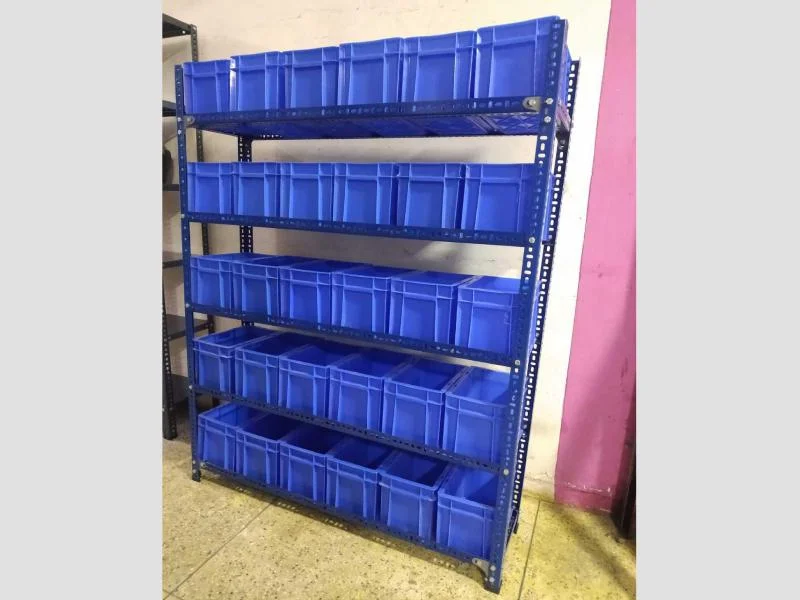
Parts organizers and bins are storage solutions designed to efficiently manage and categorize small parts and components in various settings. They are typically made from durable materials such as plastic or metal, and they come in a variety of sizes and configurations to accommodate different types of items. These organizers often feature compartments or drawers, allowing for easy access and organization of parts.
The primary uses of parts organizers and bins span across industries such as manufacturing, automotive, electronics, and retail. Businesses utilize these storage solutions to streamline operations, reduce clutter, and enhance efficiency. By keeping components neatly stored and easily accessible, companies can minimize downtime and improve productivity.
In today’s competitive market, the relevance of parts organizers and bins is growing, as companies increasingly recognize the importance of organization in their operations. Efficient storage solutions not only improve workflow but also contribute to a safer work environment. As businesses look for ways to optimize their processes, the demand for effective storage solutions continues to rise.
𝗞𝗲𝘆 𝗙𝗲𝗮𝘁𝘂𝗿𝗲𝘀 𝗮𝗻𝗱 𝗦𝗽𝗲𝗰𝗶𝗳𝗶𝗰𝗮𝘁𝗶𝗼𝗻𝘀
Parts organizers and bins come with a range of features that enhance their utility and effectiveness. When selecting a suitable product, it is essential to consider the specifications that best meet your business needs.
Key specifications include:
1. Material
- Common materials include high-density polyethylene, polypropylene, and steel.
- The choice of material affects durability and resistance to wear.
2. Size and Dimensions
- Available in various sizes, from small bins for tiny components to larger containers.
- Specific dimensions should be chosen based on the storage space available.
3. Load Capacity
- Each organizer has a specified load capacity, indicating the maximum weight it can hold.
- This is crucial for ensuring the safety and integrity of stored items.
4. Configuration Options
- Many organizers feature customizable compartments or removable dividers.
- This allows users to tailor the storage space to their specific needs.
5. Stackability
- Some bins are designed to be stackable, optimizing vertical space.
- This feature is particularly useful in environments with limited floor space.
6. Visibility Features
- Clear bins enable easy identification of contents, improving access speed.
- Labels can also be added for better organization.
7. Mobility Options
- Certain models come with wheels or handles for easy transport.
- This is beneficial in dynamic work environments where items need to be moved frequently.
8. Ventilation
- Some bins include ventilation holes to reduce moisture buildup.
- This feature is important for storing sensitive materials that may be affected by humidity.
In summary, understanding the key features and specifications of parts organizers and bins helps businesses select the right solutions for their storage needs. The right choices can lead to improved organization, efficiency, and safety in the workplace.
𝗖𝗼𝗺𝗺𝗼𝗻 𝗔𝗽𝗽𝗹𝗶𝗰𝗮𝘁𝗶𝗼𝗻𝘀 𝗮𝗻𝗱 𝗨𝘀𝗲 𝗖𝗮𝘀𝗲𝘀
Parts organizers and bins are versatile products used across multiple industries, enhancing organization and efficiency.
1. Manufacturing: In manufacturing facilities, these organizers are used to store components like screws, bolts, and electronic parts, ensuring quick access during assembly processes.
2. Automotive: Automotive repair shops utilize parts bins to manage various small parts and tools, improving workflow and reducing search times for mechanics.
3. Electronics: Electronic component suppliers use parts organizers to categorize items such as resistors, capacitors, and connectors, facilitating easy inventory management.
4. Retail: Retail environments benefit from using bins to display small merchandise items, making it easier for customers to browse and select products.
5. Warehousing: In warehouses, parts organizers help store small items efficiently, optimizing space and improving inventory accuracy.
6. Construction: Construction sites employ parts bins to hold tools and fasteners, allowing workers to keep their equipment organized and accessible.
7. Healthcare: Medical facilities use organizers to store supplies and small instruments, ensuring that critical items are readily available when needed.
𝗣𝗿𝗼𝗱𝘂𝗰𝘁 𝗩𝗮𝗿𝗶𝗮𝗻𝘁𝘀 𝗮𝗻𝗱 𝗦𝘂𝗯𝗰𝗮𝘁𝗲𝗴𝗼𝗿𝗶𝗲𝘀
Parts organizers and bins are available in various forms, catering to different storage needs and preferences.
Stackable Bins: These bins are designed to be stacked on top of one another, saving floor space. They often feature open tops for easy access or transparent sides for visibility.
Drawer Units: Drawer units come with multiple drawers, allowing for a compact yet organized storage solution. They are ideal for small parts and can be placed on workbenches or shelves.
Tote Bins: Tote bins offer portability and are perfect for transporting tools and materials on-site. They usually come with handles for easy carrying.
Wall-Mounted Organizers: These organizers are designed to be mounted on walls, freeing up valuable floor space. They typically feature a combination of hooks and bins for versatile storage.
Mobile Workstations: Combining storage with mobility, these workstations feature built-in organizers and wheels for easy relocation. They are ideal for dynamic work environments.
𝗕𝗲𝗻𝗲𝗳𝗶𝘁𝘀 𝗮𝗻𝗱 𝗔𝗱𝘃𝗮𝗻𝘁𝗮𝗴𝗲𝘀
Parts organizers and bins offer numerous advantages that enhance operational efficiency and organization in various settings.
Key benefits include:
1. Improved Organization: By categorizing parts and components, these products help maintain a tidy workspace, reducing clutter.
2. Increased Efficiency: Easy access to organized items minimizes downtime during tasks, allowing employees to focus on their work.
3. Enhanced Safety: Proper storage reduces the risk of accidents, such as trips and falls, associated with cluttered work environments.
4. Cost-Effectiveness: Investing in quality organizers can lead to long-term savings by minimizing loss and damage to small parts.
5. Customization: Many organizers can be tailored to specific needs, offering flexibility to adapt to changing storage requirements.
6. Space Optimization: Efficient storage solutions maximize available space, making it easier to manage inventory and resources.
𝗕𝘂𝘆𝗶𝗻𝗴 𝗚𝘂𝗶𝗱𝗲 𝗳𝗼𝗿 𝗕𝟮𝗕 𝗕𝘂𝘆𝗲𝗿𝘀
When sourcing parts organizers and bins, several factors should be considered to ensure the best purchase for your business.
1. Quality Assessment: Evaluate the quality of materials and construction. Durable products will withstand wear and tear, ensuring a longer lifespan.
2. Supplier Verification: Research and vet suppliers to ensure they provide reliable products and services. Check reviews and request references when necessary.
3. Pricing and MOQ: Understand the price range for different types of organizers and inquire about minimum order quantities. This helps in budgeting and planning.
4. Delivery and Lead Times: Discuss logistics and delivery schedules with suppliers. Timely delivery is crucial for maintaining operations.
5. Compliance Requirements: Ensure that the products meet any relevant industry standards and regulatory requirements, which can vary by region.
𝗖𝗼𝗺𝗽𝗹𝗶𝗮𝗻𝗰𝗲 𝗮𝗻𝗱 𝗖𝗲𝗿𝘁𝗶𝗳𝗶𝗰𝗮𝘁𝗶𝗼𝗻𝘀
Parts organizers and bins are subject to various compliance and certification standards that ensure their quality and safety. While specific standards may vary by industry, some common relevant standards include ISO 9001, which focuses on quality management systems, ensuring that products meet customer and regulatory requirements.
Industry certifications, such as CE marking, indicate that products comply with European health, safety, and environmental protection standards. This certification is essential for products sold in the European market and assures buyers of their safety and reliability.
Additionally, safety and testing requirements may apply, particularly for products used in healthcare or industrial settings. These requirements ensure that the organizers are not only functional but also safe for their intended use.
Regional compliance considerations are also important as different countries may have specific regulations regarding storage solutions. Buyers should familiarize themselves with these regulations to ensure compliance and avoid potential issues.
𝗪𝗵𝘆 𝗦𝗼𝘂𝗿𝗰𝗲 𝗣𝗮𝗿𝘁𝘀 𝗢𝗿𝗴𝗮𝗻𝗶𝘇𝗲𝗿𝘀 & 𝗕𝗶𝗻𝘀 𝗳𝗿𝗼𝗺 𝗣𝗲𝗽𝗮𝗴𝗼𝗿𝗮?
Pepagora provides a trusted platform for sourcing parts organizers and bins, ensuring that businesses find the right solutions for their needs. One of the key advantages of using Pepagora is the verified supplier network. Each supplier is vetted to ensure quality and reliability, giving buyers confidence in their purchases.
The platform simplifies the request for quotation (RFQ) process, allowing businesses to easily compare options from multiple suppliers. This streamlining saves time and helps buyers make informed decisions based on their specific requirements.
Additionally, Pepagora offers trade assurance and support, providing buyer protection throughout the purchasing process. This feature helps mitigate risks associated with online sourcing, ensuring that businesses receive the products they expect.
With a broad regional coverage that includes India, the GCC, and Southeast Asia, Pepagora connects buyers with suppliers across various markets. This geographic reach allows businesses to source products that meet their local needs while benefiting from competitive pricing and quality options.


Recently Added
Shree Vari Storage System
Adjustable Chrome Wire Shelf On Casters For Home Office Storage
Commercial & Residential Chrome Metal Multi Tier Wire Shelf With Adjustable Shelves
Warehouse Storage Modular Multi Level Wire Shelving Unit Adjustable Height Metal
Why Businesses Trust Pepagora
Thousands of companies trust Pepagora to source smarter and sell faster
Expand Your Sales Globally
25000+Products listed.Get discovered by global buyers
Tools to boost visibility
Build your own catalog

Source Smarter,Grow Faster
4000+Active RFQs
100+ Countries served
Easy Sourcing Tools
