
 IN
INundefined
Papayas
4 products available
𝗪𝗵𝗮𝘁 𝗮𝗿𝗲 𝗣𝗮𝗽𝗮𝘆𝗮𝘀?
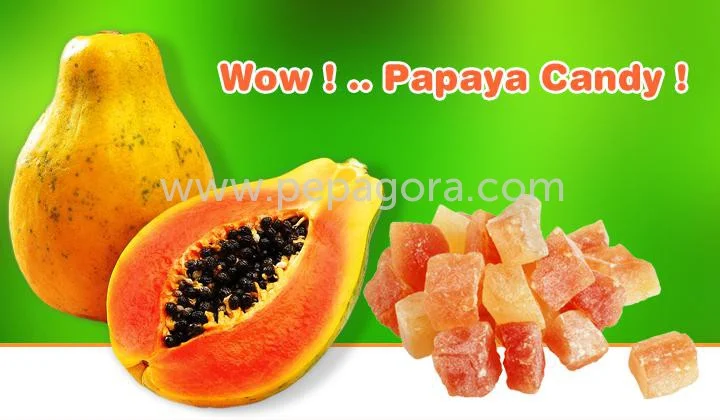
Papayas are tropical fruits known for their sweet flavor, vibrant color, and numerous health benefits. They belong to the Caricaceae family and are native to Central America and Mexico. The fruit is typically pear-shaped, with a smooth skin that ranges from green to yellow when ripe. Inside, the flesh is orange or pink, containing numerous black seeds. Papayas are rich in vitamins, particularly vitamin C, and enzymes like papain, which aids in digestion.
In the B2B context, papayas are primarily used in the food industry, including fresh consumption, juices, and processed products. They are also utilized in the cosmetic and pharmaceutical sectors due to their beneficial properties. The growing demand for healthy and organic food options has made papayas increasingly relevant in various markets, positioning them as a vital product for exporters, distributors, and retailers.
As the global market expands, the significance of papayas continues to rise, especially in regions where they are cultivated under ideal climatic conditions. The fruit's versatility and health benefits contribute to its popularity, making it a valuable commodity in international trade.
𝗞𝗲𝘆 𝗙𝗲𝗮𝘁𝘂𝗿𝗲𝘀 𝗮𝗻𝗱 𝗦𝗽𝗲𝗰𝗶𝗳𝗶𝗰𝗮𝘁𝗶𝗼𝗻𝘀
Papayas offer several key features that make them desirable for various applications. When assessing papayas, it's essential to consider their quality, size, and flavor profile. Below are some key specifications that define this product.
1. Size
- Papayas can vary significantly in size, typically ranging from 1 to 10 pounds per fruit.
- Size can influence pricing and marketability.
2. Color
- Ripe papayas display a vibrant yellow or orange skin.
- Color indicates ripeness and flavor quality.
3. Flavor Profile
- Papayas have a sweet and tropical flavor, which varies slightly among different varieties.
- Flavor intensity can affect consumer preference and sales.
4. Nutritional Value
- Rich in vitamin C, vitamin A, and dietary fiber.
- Contains beneficial enzymes like papain.
5. Shelf Life
- Fresh papayas have a shelf life of about 5 to 7 days when stored properly.
- Ripeness stage affects the shelf life and marketability.
6. Packaging
- Typically shipped in bulk or retail packaging to minimize damage.
- Packaging options can include cartons or crates.
7. Availability
- Available year-round in tropical regions.
- Seasonal variations may occur depending on the cultivation area.
In summary, understanding the specifications of papayas is crucial for businesses involved in sourcing and distributing this product. Quality, size, and flavor all significantly impact market demand.
𝗖𝗼𝗺𝗺𝗼𝗻 𝗔𝗽𝗽𝗹𝗶𝗰𝗮𝘁𝗶𝗼𝗻𝘀 𝗮𝗻𝗱 𝗨𝘀𝗲 𝗖𝗮𝘀𝗲𝘀
Papayas are versatile fruits that find applications across various industries. The following sectors commonly utilize papayas:
1. Food and Beverage Industry: Papayas are consumed fresh, used in salads, desserts, and drinks. Their sweet flavor makes them a popular ingredient in smoothies and health drinks.
2. Cosmetics: The enzymes in papayas are beneficial in skincare products, such as exfoliants and masks. They help in skin rejuvenation and brightening.
3. Pharmaceutical Industry: Papain, derived from papayas, is used in digestive aids and supplements. It is valued for its ability to break down proteins.
4. Nutraceuticals: Papayas are included in dietary supplements due to their high vitamin content and health benefits, making them appealing to health-conscious consumers.
5. Agriculture: Papaya seeds are sometimes used in agriculture as a natural pesticide due to their properties.
6. Cooking: In some regions, green papayas are used in savory dishes and salads, showcasing their versatility beyond sweet applications.
7. Export Markets: Papayas are exported to various regions, benefiting from their long shelf life and popularity in international markets.
𝗣𝗿𝗼𝗱𝘂𝗰𝘁 𝗩𝗮𝗿𝗶𝗮𝗻𝘁𝘀 𝗮𝗻𝗱 𝗦𝘂𝗯𝗰𝗮𝘁𝗲𝗴𝗼𝗿𝗶𝗲𝘀
Papayas exhibit diversity in terms of varieties, each with unique characteristics and applications.
Hawaiian Papaya
This variant is known for its sweet, rich flavor and smaller size. Hawaiian papayas are often consumed fresh or used in juices and smoothies.
Caribbean Red Papaya
This type is larger and has a vibrant orange flesh. It is highly favored for its sweetness and is often used in desserts and fruit salads.
Sunrise Papaya
Sunrise papayas are known for their yellow skin and sweet flavor. They are popular in the fresh fruit market and are often exported for their quality.
𝗕𝗲𝗻𝗲𝗳𝗶𝘁𝘀 𝗮𝗻𝗱 𝗔𝗱𝘃𝗮𝗻𝘁𝗮𝗴𝗲𝘀
Sourcing papayas comes with several benefits that make them an attractive option for businesses and consumers alike.
1. Nutritional Benefits: Papayas offer high vitamin C and A content, contributing to a healthy diet and appealing to health-conscious consumers.
2. Versatility: The fruit can be used in various ways, from fresh consumption to cosmetic applications, making it a valuable product across multiple industries.
3. Ease of Sourcing: Papayas are widely cultivated in tropical regions, ensuring a steady supply for businesses involved in distribution.
4. Competitive Pricing: Due to their availability and cultivation in various regions, papayas can often be sourced at competitive prices.
5. Health Benefits: The presence of enzymes like papain aids digestion, making papayas a beneficial addition to health products and dietary supplements.
6. Market Demand: The growing trend towards healthy eating and organic products boosts the demand for papayas in various markets.
𝗕𝘂𝘆𝗶𝗻𝗴 𝗚𝘂𝗶𝗱𝗲 𝗳𝗼𝗿 𝗕𝟮𝗕 𝗕𝘂𝘆𝗲𝗿𝘀
When sourcing papayas, buyers should consider several factors to ensure they make informed purchasing decisions.
1. Quality Assessment: Evaluate the quality based on size, color, and ripeness. High-quality papayas will have vibrant skin and a sweet aroma.
2. Supplier Verification: Vet suppliers carefully to ensure they meet quality standards and reliability. Look for suppliers with established reputations in the market.
3. Pricing and MOQ: Understand the pricing structure and minimum order quantities. Comparing prices from different suppliers can help in securing the best deal.
4. Delivery and Lead Times: Consider logistics and lead times for delivery. Ensure suppliers can meet your timelines for fresh produce.
5. Compliance Requirements: Be aware of regulatory requirements for importing papayas, including safety standards and certifications needed in your region.
𝗖𝗼𝗺𝗽𝗹𝗶𝗮𝗻𝗰𝗲 𝗮𝗻𝗱 𝗖𝗲𝗿𝘁𝗶𝗳𝗶𝗰𝗮𝘁𝗶𝗼𝗻𝘀
Compliance with quality standards and certifications is crucial for businesses involved in the sourcing of papayas.
Papayas must adhere to recognized quality standards such as ISO 9001, ensuring that processes meet international quality management requirements.
HACCP (Hazard Analysis Critical Control Point) is vital for ensuring food safety throughout the supply chain. Adhering to these standards helps mitigate risks related to food safety.
Certification such as CE indicates compliance with European health, safety, and environmental protection standards, which is vital for exporting to European markets.
In addition, businesses should consider regional compliance requirements that may differ from one market to another, ensuring that all products meet local regulations.
𝗪𝗵𝘆 𝗦𝗼𝘂𝗿𝗰𝗲 𝗣𝗮𝗽𝗮𝘆𝗮𝘀 𝗳𝗿𝗼𝗺 𝗣𝗲𝗽𝗮𝗴𝗼𝗿𝗮?
Pepagora provides a trusted platform for sourcing papayas, offering several key advantages for buyers.
Verified Supplier Network: Pepagora collaborates with a network of verified suppliers who meet strict quality standards. This ensures that clients receive only the best products.
Streamlined RFQ Process: The platform offers a streamlined Request for Quotation (RFQ) system that simplifies the purchasing process, allowing buyers to quickly compare and evaluate offers.
Trade Assurance and Support: Pepagora provides trade assurance and support, protecting buyers throughout the transaction process and ensuring a secure purchasing experience.
Regional Coverage: With a strong presence in regions such as India, the GCC, and Southeast Asia, Pepagora offers extensive geographic reach, making it easier for businesses to source papayas from trusted local suppliers.
Newly Added



Recently Added
LMP Exim
Premium Dry Coconut For Food Manufacturing And Confectionery
Premium Husked Coconuts For Food Processing And Retail
Bulk Premium Semi Husked Coconuts for Food and Beverage
VNP Exim Trading
Premium Fresh Apples Multiple Sizes Hygienic Packed Nutrient Rich
Premium Fresh Bananas For Food Industry Bulk Orders
Premium Fresh Oranges Bulk Supply For Juice Production
Sakthi Fruits
Tomato Sauce Bulk Supply 100% Red Tomatoes 6 Month Shelf Life
100% Pure Chilli Sauce 700ml High Effectiveness OEM
Premium Soya Sauce 700ml 100% Pure No Chemicals 6 Month Shelf Life
Why Businesses Trust Pepagora
Thousands of companies trust Pepagora to source smarter and sell faster
Expand Your Sales Globally
25000+Products listed.Get discovered by global buyers
Tools to boost visibility
Build your own catalog

Source Smarter,Grow Faster
4000+Active RFQs
100+ Countries served
Easy Sourcing Tools
