
 IN
INundefined
Panel Boards & Cabinets
9 products available
𝗪𝗵𝗮𝘁 𝗮𝗿𝗲 𝗣𝗮𝗻𝗲𝗹 𝗕𝗼𝗮𝗿𝗱𝘀 & 𝗖𝗮𝗯𝗶𝗻𝗲𝘁𝘀?
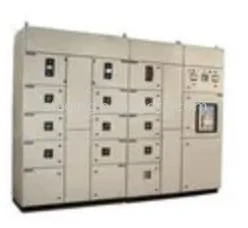
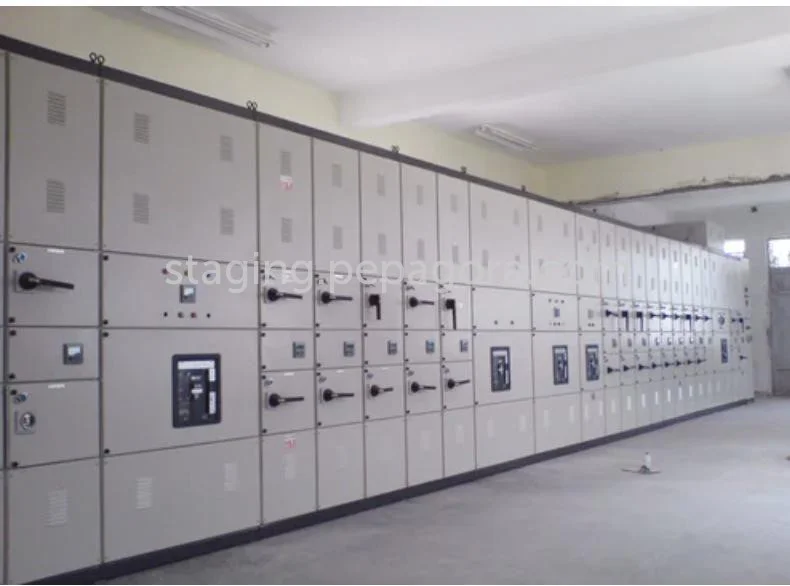
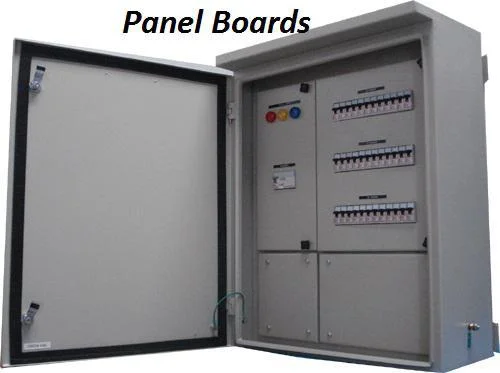
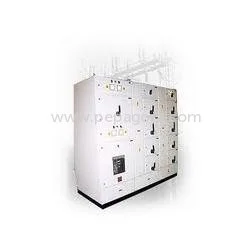
Panel boards and cabinets are essential components in electrical distribution systems. They serve as a central hub for managing and controlling electrical circuits in various applications. Typically constructed from durable materials, these units provide a safe and organized enclosure for circuit breakers, fuses, and other electrical components. Panel boards facilitate the distribution of electricity throughout a facility while ensuring user safety and compliance with electrical codes.
The primary uses of panel boards and cabinets extend across numerous sectors, including manufacturing, commercial buildings, and infrastructure projects. In these environments, they manage power distribution, protect electrical circuits, and provide a means for easy access to electrical components for maintenance and upgrades. Their versatility makes them indispensable in any setting where electricity is utilized, ensuring operational efficiency and safety.
In today’s industrial landscape, panel boards and cabinets are increasingly relevant as organizations seek to optimize energy usage and improve safety protocols. With the growing emphasis on automation and smart technology in various sectors, the demand for reliable electrical management solutions continues to rise, positioning panel boards and cabinets as critical assets in modern infrastructure.
𝗞𝗲𝘆 𝗙𝗲𝗮𝘁𝘂𝗿𝗲𝘀 𝗮𝗻𝗱 𝗦𝗽𝗲𝗰𝗶𝗳𝗶𝗰𝗮𝘁𝗶𝗼𝗻𝘀
Panel boards and cabinets come with a range of features and specifications that enhance their functionality and safety. These specifications are designed to meet the diverse needs of various industries and ensure compliance with safety standards.
Key specifications include:
1. Material Construction
- Typically made from steel or aluminum for durability.
- Corrosion-resistant finishes are often applied.
2. Voltage Rating
- Common voltage ratings include 120V, 240V, and 480V.
- Units are designed to handle specific voltage applications.
3. Circuit Capacity
- Available in multiple configurations, such as 12, 24, or 48 circuits.
- Designed to accommodate various load requirements.
4. Enclosure Type
- Options include NEMA-rated enclosures for indoor and outdoor use.
- Additional features may include locking mechanisms for security.
5. Size and Dimensions
- Standard sizes vary to fit different installation spaces.
- Custom sizes may be available to meet specific project needs.
6. Mounting Options
- Can be wall-mounted or freestanding, depending on application.
- Flexibility in installation enhances usability.
7. Compliance Standards
- Many products adhere to international standards such as CE marking.
- Compliance with local electrical codes is critical.
8. Safety Features
- Integrated surge protection and grounding options.
- Features to prevent overload and short-circuiting.
These specifications ensure that panel boards and cabinets are well-suited for their intended applications, providing safety and reliability in electrical distribution.
𝗖𝗼𝗺𝗺𝗼𝗻 𝗔𝗽𝗽𝗹𝗶𝗰𝗮𝘁𝗶𝗼𝗻𝘀 𝗮𝗻𝗱 𝗨𝘀𝗲 𝗖𝗮𝘀𝗲𝘀
Panel boards and cabinets are utilized in a variety of industries, each with specific applications that highlight their importance.
1. Manufacturing: In manufacturing plants, panel boards manage power distribution to machinery and equipment, ensuring efficient operation and minimizing downtime.
2. Commercial Buildings: These units are critical in commercial spaces, controlling electrical circuits for lighting, HVAC systems, and office equipment, contributing to energy efficiency.
3. Data Centers: In data centers, panel boards facilitate the distribution of power to servers and networking equipment, ensuring uninterrupted service and operational reliability.
4. Construction: During construction projects, temporary panel boards provide essential power to tools and equipment, supporting various phases of development.
5. Renewable Energy: Panel boards are integral to solar and wind energy systems, managing power from generation to distribution.
6. Transportation: In transportation infrastructure, panel boards control power for signaling systems and communication equipment, enhancing safety and efficiency.
7. Healthcare: Hospitals use panel boards to manage power for critical medical devices and systems, ensuring reliability in patient care.
𝗣𝗿𝗼𝗱𝘂𝗰𝘁 𝗩𝗮𝗿𝗶𝗮𝗻𝘁𝘀 𝗮𝗻𝗱 𝗦𝘂𝗯𝗰𝗮𝘁𝗲𝗴𝗼𝗿𝗶𝗲𝘀
Panel boards and cabinets are available in various configurations to suit different needs and environments.
Standard Panel Boards
These are designed for general use in commercial and industrial settings. They typically feature multiple circuit options and are available in various sizes to accommodate different electrical loads.
Smart Panel Boards
Equipped with advanced monitoring and control features, smart panel boards allow for real-time data tracking and energy management. They are particularly beneficial in facilities focused on energy efficiency and automation.
Modular Cabinets
Modular designs offer flexibility in configuration and expansion. These cabinets can be easily reconfigured or expanded to accommodate changing electrical needs in growing operations.
Custom Panel Boards
For specialized applications, custom panel boards can be designed to meet specific requirements, including unique voltage ratings and circuit configurations.
𝗕𝗲𝗻𝗲𝗳𝗶𝘁𝘀 𝗮𝗻𝗱 𝗔𝗱𝘃𝗮𝗻𝘁𝗮𝗴𝗲𝘀
Choosing panel boards and cabinets offers several key benefits that enhance operational efficiency and safety.
1. Improved Safety: Panel boards provide a centralized location for managing electrical circuits, reducing the risk of accidents and ensuring compliance with safety regulations.
2. Enhanced Durability: Constructed from robust materials, these products are designed to withstand harsh environments, providing long-lasting performance.
3. Simplified Maintenance: Easy access to circuit components allows for quick maintenance and troubleshooting, minimizing downtime.
4. Flexibility and Scalability: With various configurations available, panel boards can be tailored to meet evolving electrical needs as businesses grow.
5. Energy Efficiency: Properly managed electrical distribution can lead to significant energy savings, contributing to lower operational costs.
6. Compliance Assurance: Sourcing panel boards that meet industry standards ensures that businesses remain compliant with local regulations and safety codes.
𝗕𝘂𝘆𝗶𝗻𝗴 𝗚𝘂𝗶𝗱𝗲 𝗳𝗼𝗿 𝗕𝟮𝗕 𝗕𝘂𝘆𝗲𝗿𝘀
When sourcing panel boards and cabinets, B2B buyers should consider several important factors to ensure they make informed decisions.
1. Quality Assessment: Evaluate the build quality and materials used in panel boards. Look for certifications and compliance with industry standards that guarantee reliability.
2. Supplier Verification: Vet potential suppliers by checking their reputation, track record, and customer reviews. A reliable supplier ensures timely delivery and support.
3. Pricing and MOQ: Understand the pricing structure and minimum order quantities. Compare costs among suppliers to find the best value for your investment.
4. Delivery and Lead Times: Assess logistics capabilities and expected lead times to ensure that products arrive when needed for projects.
5. Compliance Requirements: Verify that products meet all relevant safety and compliance standards to avoid potential legal issues.
𝗖𝗼𝗺𝗽𝗹𝗶𝗮𝗻𝗰𝗲 𝗮𝗻𝗱 𝗖𝗲𝗿𝘁𝗶𝗳𝗶𝗰𝗮𝘁𝗶𝗼𝗻𝘀
Panel boards and cabinets must adhere to various quality standards and compliance requirements to ensure safety and performance.
ISO 9001 is a widely recognized quality management standard that assures customers of consistent product quality. Compliance with this standard indicates that manufacturers follow stringent quality control processes.
CE certification demonstrates that products meet European Union safety and health requirements. This certification is crucial for businesses looking to operate within EU markets.
Safety and testing requirements are essential for panel boards and cabinets. These products must undergo rigorous testing to ensure they can withstand electrical loads and environmental conditions.
Regional compliance considerations may vary based on local laws and regulations. It is vital for manufacturers and suppliers to stay informed about the specific requirements in their target markets.
𝗪𝗵𝘆 𝗦𝗼𝘂𝗿𝗰𝗲 𝗣𝗮𝗻𝗲𝗹 𝗕𝗼𝗮𝗿𝗱𝘀 & 𝗖𝗮𝗯𝗶𝗻𝗲𝘁𝘀 𝗳𝗿𝗼𝗺 𝗣𝗲𝗽𝗮𝗴𝗼𝗿𝗮?
Pepagora provides a trusted platform for sourcing panel boards and cabinets, offering several key advantages for B2B buyers.
Verified Supplier Network: Pepagora connects buyers with a network of verified suppliers, ensuring that products are sourced from reputable manufacturers. This reduces the risk of purchasing substandard products.
Streamlined RFQ Process: The platform features a user-friendly request for quotation (RFQ) system, making it easy for buyers to receive competitive quotes from multiple suppliers. This simplifies the procurement process and saves time.
Trade Assurance and Support: Pepagora offers buyer protection through trade assurance, ensuring that transactions are secure. The platform also provides support throughout the purchasing process, helping buyers navigate any challenges.
Regional Coverage: With a presence in India, GCC, and Southeast Asia, Pepagora has extensive regional coverage, allowing buyers to source products locally while benefiting from competitive pricing and reduced shipping times.
This combination of advantages makes Pepagora an ideal choice for businesses seeking reliable panel boards and cabinets.
Newly Added


Recently Added
All Tech Power Control Industries
Industrial Power Distribution Premium Bus Duct Systems Low Impedance
Industrial Commercial Premium Bus Ducts Lower Impedance Voltage Drop
Industrial CT Metering Panel Single Three Phase Toroidal Coil
Bharath Control Systems
Industrial Power Distribution Board Toroidal Autotransformer High Efficiency
H.T. Project Works Industrial Solutions Durable Components
Industrial Commercial Panel Boards Power Control Wiring Services
Balaji Power
Industrial Energy Efficiency Automatic Power Factor Control Panel
Industrial AMF Panels Automatic Mains Failure Power Systems
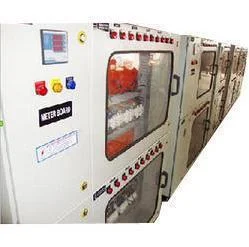
Industrial Commercial Electrical Meter Panel Boards For Power Management
Sri Guru Engineering
Industrial Water Chiller 5.0TR Remote Control Reliable Durable
Industrial Fire Retardant Tube Freezer For Food Processing
Industrial PLC Panel Remote Control Boxes OEM New Reliable Durable
Askib Engineers Private Limited
Industrial Brinell Microscope 25X Magnification 0.01mm LC NABL Certified
NABL Certified Rubber Bellows for Hardness Testers 8 Inch 12 Inch
NABL Certified Steel Ball Indentors For Rockwell Brinell Hardness Testers
Comtron Electric India
Industrial Mini Single Phase Controller with 72 Amp Volt Meter
Industrial Auto Starter Single Phasing Preventer For 3 Phase Motors
Industrial BCH Type AC Contactor 4NO Contacts Auxiliary Block
BMEET
Premium Electrical Switches And Sockets For Reliability And Safety
Industrial Electrical Cables And Wires With Heat Resistance And Flexibility
Industrial Commercial Residential Premium LED CFL Tube Gaseous Lamps
GAURANG ELECTRONIC INDUSTRIES
Industrial DIN 96x48x110mm ABS Plastic Electrical Panel Cabinet
Industrial Panel Mount DIN 96x48x110mm Digital Meter Enclosure ABS Plastic CE
Industrial Control Panel ABS DIN Enclosure 96x48x110mm with Cassette
H.B Power Controls
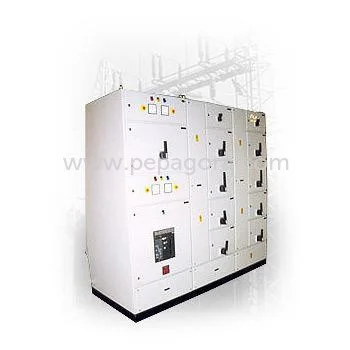
Industrial Power Panel Board For Electrical Distribution And Control
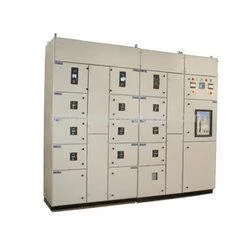
Industrial Power Distribution Panel Reliable Multi Circuit Load Management
Professional Electrical Energy Meter Panel Boards For Monitoring And Control
Why Businesses Trust Pepagora
Thousands of companies trust Pepagora to source smarter and sell faster
Expand Your Sales Globally
25000+Products listed.Get discovered by global buyers
Tools to boost visibility
Build your own catalog

Source Smarter,Grow Faster
4000+Active RFQs
100+ Countries served
Easy Sourcing Tools
