
 IN
INundefined
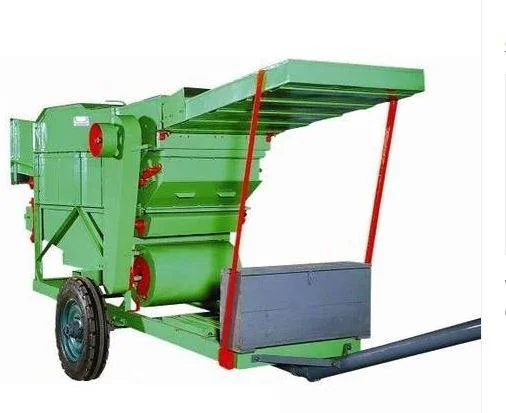
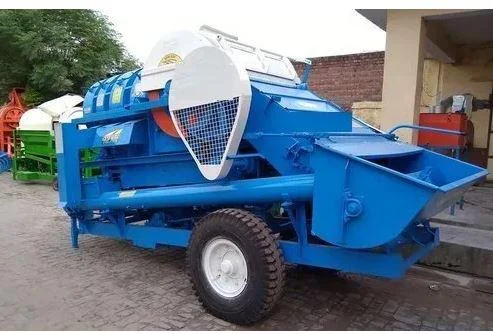
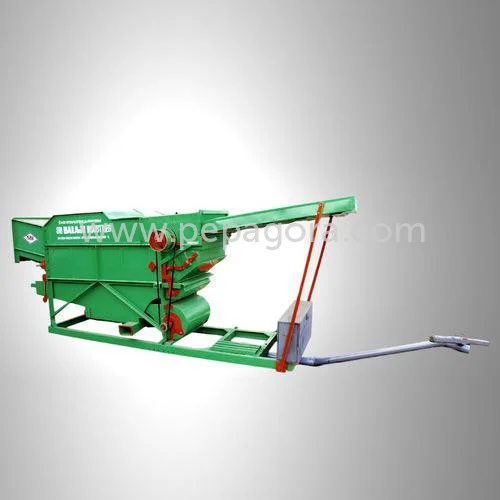
Paddy/Wheat Threshers
7 products available
𝗪𝗵𝗮𝘁 𝗮𝗿𝗲 𝗣𝗮𝗱𝗱𝘆/𝗪𝗵𝗲𝗮𝘁 𝗧𝗵𝗿𝗲𝘀𝗵𝗲𝗿𝘀?
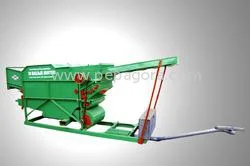
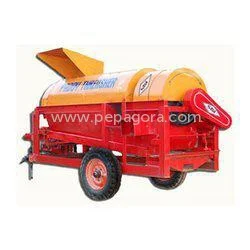
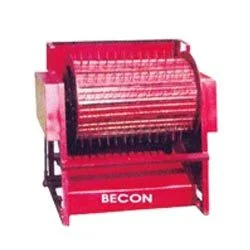
Paddy and wheat threshers are agricultural machines designed to separate grains from their chaff and straw. They operate by mechanically beating the harvested crop to detach the grain kernels from the plant material. This process is crucial in grain harvesting, as it significantly increases efficiency and reduces labor costs. Threshers can be operated in the field or as part of a stationary setup, depending on the scale of operation and specific requirements.
These machines are primarily used by farmers, agricultural cooperatives, and commercial grain processors. They play a vital role in the harvesting process, allowing for quicker processing of crops and higher yields. Threshers are essential for ensuring that grains are clean and ready for market or storage. With the increasing demand for efficiency in agriculture, the relevance of paddy and wheat threshers has grown, driving innovation and advancements in this equipment sector.
𝗞𝗲𝘆 𝗙𝗲𝗮𝘁𝘂𝗿𝗲𝘀 𝗮𝗻𝗱 𝗦𝗽𝗲𝗰𝗶𝗳𝗶𝗰𝗮𝘁𝗶𝗼𝗻𝘀
Paddy and wheat threshers come equipped with various features that enhance their performance and usability. Understanding these features and specifications is crucial for B2B buyers looking to invest in reliable machinery.
Key specifications include:
1. Threshing Capacity
- This refers to the amount of grain the thresher can process in a given time.
- Typical capacities range from 500 kg to 2000 kg per hour.
2. Power Source
- Threshers can be powered by diesel engines or electric motors.
- Engine power usually ranges from 5 HP to 30 HP depending on the model.
3. Weight
- The weight of threshers can influence portability and stability.
- Average weights range from 200 kg to 800 kg.
4. Dimensions
- Size can impact transport and storage.
- Standard dimensions vary but typically fall within a range of 2m x 1.5m x 1.5m.
5. Material of Construction
- High-quality steel and alloy materials are commonly used for durability.
- Some models may feature corrosion-resistant finishes.
6. Safety Features
- Threshers often include safety guards and emergency stop mechanisms.
- Compliance with safety standards is critical for operation.
7. Maintenance Requirements
- Regular maintenance intervals should be specified for optimal performance.
- Common maintenance includes lubrication and inspection of moving parts.
8. Warranty
- Manufacturer warranties vary, commonly ranging from 1 year to 5 years.
- A warranty can indicate the manufacturer's confidence in their product.
In summary, understanding these key specifications helps buyers select the right paddy and wheat thresher that meets their operational needs and budget.
𝗖𝗼𝗺𝗺𝗼𝗻 𝗔𝗽𝗽𝗹𝗶𝗰𝗮𝘁𝗶𝗼𝗻𝘀 𝗮𝗻𝗱 𝗨𝘀𝗲 𝗖𝗮𝘀𝗲𝘀
Paddy and wheat threshers are versatile machines with applications across various industries.
1. Agriculture: Farmers use threshers to efficiently harvest paddy and wheat, reducing the time and labor involved in traditional methods.
2. Grain Processing: Agricultural cooperatives employ threshers to prepare grains for milling and storage, enhancing productivity in grain processing facilities.
3. Food Production: Companies in the food industry rely on threshers to ensure high-quality grain supply for products like flour and rice.
4. Exporting: Grain exporters utilize threshers to meet quality standards for international shipping, ensuring the grains are free from impurities.
5. Research and Development: Agricultural research institutions use these machines for experiments related to crop yield and efficiency improvements.
6. Sustainable Farming: Organic farmers may use threshers to handle crops with minimal environmental impact, emphasizing efficiency and quality.
7. Custom Harvesting Services: Businesses offering harvesting as a service invest in threshers to provide timely and efficient grain harvesting for multiple clients.
𝗣𝗿𝗼𝗱𝘂𝗰𝘁 𝗩𝗮𝗿𝗶𝗮𝗻𝘁𝘀 𝗮𝗻𝗱 𝗦𝘂𝗯𝗰𝗮𝘁𝗲𝗴𝗼𝗿𝗶𝗲𝘀
Paddy and wheat threshers come in several variants to meet diverse agricultural needs.
Manual Threshers
These threshers are operated by hand and are ideal for small-scale farmers. They are cost-effective and easy to transport, making them suitable for remote areas.
Motorized Threshers
Powered by engines, motorized threshers are designed for larger operations. They offer higher efficiency and capacity, catering to medium and large-scale farming.
Combine Harvesters
These advanced machines combine harvesting and threshing in a single operation. They are suitable for extensive agricultural fields, maximizing efficiency and reducing labor costs.
Self-Propelled Threshers
Self-propelled variants are equipped with their own wheels and engines, allowing them to move across fields independently. They are ideal for large farms looking for mobility and efficiency.
𝗕𝗲𝗻𝗲𝗳𝗶𝘁𝘀 𝗮𝗻𝗱 𝗔𝗱𝘃𝗮𝗻𝘁𝗮𝗴𝗲𝘀
Investing in paddy and wheat threshers offers several key advantages.
1. Increased Efficiency: Threshers significantly speed up the harvesting process compared to manual methods, allowing for more crops to be processed in less time.
2. Labor Cost Reduction: Automating the threshing process reduces the need for manual labor, leading to lower operational costs for farmers and businesses.
3. Consistent Quality: Threshers provide uniform grain separation, ensuring that the harvested product is clean and of high quality.
4. Enhanced Yield: With improved efficiency and reduced loss during processing, farmers can achieve better crop yields.
5. Versatile Use: Threshers can handle different types of grains, making them a valuable investment for varied agricultural operations.
6. Durable Construction: Quality threshers are built to withstand rigorous use, providing long-term reliability and performance.
𝗕𝘂𝘆𝗶𝗻𝗴 𝗚𝘂𝗶𝗱𝗲 𝗳𝗼𝗿 𝗕𝟮𝗕 𝗕𝘂𝘆𝗲𝗿𝘀
When sourcing paddy and wheat threshers, it is essential to consider several key factors to ensure a wise investment.
1. Quality Assessment: Evaluate the build quality and material used in the construction of threshers. Look for models that meet industry standards for durability and performance.
2. Supplier Verification: Vet suppliers thoroughly by checking references, reviews, and certifications. A reliable supplier will provide transparency in their operations and product offerings.
3. Pricing and MOQ: Understand the pricing structures and minimum order quantities (MOQ) offered by suppliers. This information is crucial for budgeting and planning procurement.
4. Delivery and Lead Times: Inquire about the logistics involved in delivery, including lead times. Timely delivery is vital for maintaining operational schedules, especially during harvesting seasons.
5. Compliance Requirements: Ensure that the selected threshers comply with relevant regulations and certifications, such as CE marking, to meet safety and quality benchmarks.
𝗖𝗼𝗺𝗽𝗹𝗶𝗮𝗻𝗰𝗲 𝗮𝗻𝗱 𝗖𝗲𝗿𝘁𝗶𝗳𝗶𝗰𝗮𝘁𝗶𝗼𝗻𝘀
Paddy and wheat threshers must adhere to various compliance and certification standards to ensure quality and safety.
ISO 9001 is an important quality management standard that many manufacturers strive to meet. This certification ensures that products are produced consistently and that quality management systems are in place.
CE marking is essential for products sold in the European market. It signifies that the product meets EU safety, health, and environmental protection standards.
Safety and testing requirements are also critical. Manufacturers should conduct thorough testing of their machines to ensure they operate safely and efficiently under various conditions.
Regional compliance considerations may vary, so it is important for buyers to be aware of local regulations and standards that apply to agricultural machinery in their respective markets.
𝗪𝗵𝘆 𝗦𝗼𝘂𝗿𝗰𝗲 𝗣𝗮𝗱𝗱𝘆/𝗪𝗵𝗲𝗮𝘁 𝗧𝗵𝗿𝗲𝘀𝗵𝗲𝗿𝘀 𝗳𝗿𝗼𝗺 𝗣𝗲𝗽𝗮𝗴𝗼𝗿𝗮?
Pepagora provides a trusted platform for sourcing paddy and wheat threshers, offering several key advantages to B2B buyers.
Verified Supplier Network: Pepagora features a network of verified suppliers, ensuring that buyers can connect with reputable manufacturers. This helps in mitigating risks associated with purchasing agricultural machinery.
Streamlined RFQ Process: The Request for Quotation (RFQ) process is simplified on Pepagora's platform. Buyers can easily request quotes from multiple suppliers, facilitating informed decision-making and competitive pricing.
Trade Assurance and Support: The platform offers trade assurance that protects buyers throughout the purchasing process. This includes support for any disputes or issues that may arise, ensuring a secure transaction.
Regional Coverage: Pepagora caters to a wide geographic reach, including India, GCC countries, and Southeast Asia. This extensive coverage allows buyers to find suitable threshers tailored to their local market needs.
Newly Added


Recently Added
Becon Engineering Corporation
Industrial Three Phase Motor Starter with Electronic Overload Protection
Industrial Single Phase Electric Motor Energy Efficient Durable
Manual Knapsack Sprayer For Agriculture Horticulture Durable Reliable
Babu Engineering
Industrial Hydraulic Mixing Machine 10/7 Cu.Ft High Volume Construction
Premium Bed Type Mixing Machine Hydraulic Discharge High Productivity
Industrial Pan Mixer Hydraulic Discharge High Performance Construction
FOWLER WESTRUP (INDIA) PVT LIMITED
High Performance MC C72 Vegetable Color Sorter For Whole Carrots
Food Processing High Performance Biscuit Color Sorter Machine
Agricultural Bulk Grain Storage Galvanized Silo Systems
Sri Balaji Industries
Industrial Supari Betel Nut Cutting Machine High Speed Precision Stainless Steel
Agricultural Processing Maize Dehusker Efficient High Throughput
Industrial Maize Thresher 4000 Kg/Hr High Efficiency 10 35HP
Meet Machines
Grain Lifting Suction Hose Machines Electric Diesel 2 10+ HP
Agricultural Paddy Husk Loading Machine 20Ton/hr Mild Steel 10 20HP
Flexible Screw Conveyor For Dry Bulk Materials Transport
K B Engineering works
Five Tine Cultivator Tractor PTO Soil Loosening Weed Control
Heavy Duty Nine Tine Cultivator For Deep Tillage And Soil Aeration
Heavy Duty Tractor Cultivator 40 45HP 1050rpm 210kg Soil Tilling
Why Businesses Trust Pepagora
Thousands of companies trust Pepagora to source smarter and sell faster
Expand Your Sales Globally
25000+Products listed.Get discovered by global buyers
Tools to boost visibility
Build your own catalog

Source Smarter,Grow Faster
4000+Active RFQs
100+ Countries served
Easy Sourcing Tools
