
 IN
INundefined
Paddy (Rice) Seeds
0 products available
What are Paddy (Rice) Seeds?
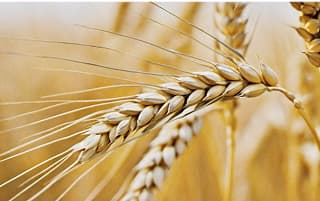
Paddy (Rice) Seeds are the seeds from the rice plant (Oryza sativa), which is one of the most important staple food crops worldwide. These seeds are cultivated in flooded fields, or paddies, and are a critical component of the agricultural economy in many countries. Paddy seeds are carefully selected for their varietal characteristics, including growth rate, yield potential, and resistance to pests and diseases.
The primary use of paddy seeds is for rice cultivation, which serves as a fundamental food source for a significant portion of the global population. Rice is not only a dietary staple but also plays a vital role in various industries, such as food processing, animal feed, and biofuel production. The market for paddy seeds has been expanding due to increasing demand for rice, driven by population growth and changing dietary habits, making it an important sector in agricultural investment and innovation.
As the agricultural industry evolves, the relevance of high-quality paddy seeds becomes more pronounced. With a focus on sustainability and food security, the development of improved seed varieties and cultivation practices remains crucial. Furthermore, the paddy seed market is influenced by factors such as climate change, trade policies, and technological advancements, making it a dynamic area for businesses involved in agricultural production.
𝗞𝗲𝘆 𝗙𝗲𝗮𝘁𝘂𝗿𝗲𝘀 𝗮𝗻𝗱 𝗦𝗽𝗲𝗰𝗶𝗳𝗶𝗰𝗮𝘁𝗶𝗼𝗻𝘀
Paddy seeds come with a range of features and specifications that are essential for successful cultivation. Understanding these specifications is vital for farmers and agricultural businesses aiming to optimize their production processes.
Key specifications include:
1. Germination Rate
- This indicates the percentage of seeds that are expected to sprout under optimal conditions.
- A higher germination rate leads to better crop yield.
2. Seed Size
- Refers to the physical dimensions of the seeds, affecting planting density and crop establishment.
- Seed size can influence the growth rate and overall health of the plants.
3. Disease Resistance
- Indicates the seed's ability to withstand specific diseases, such as blast or bacterial blight.
- Resistant varieties can reduce the need for chemical treatments.
4. Maturity Duration
- The time taken from planting to harvest, influencing cultivation cycles.
- Shorter maturity durations can allow for multiple cropping seasons.
5. Yield Potential
- The maximum expected yield per hectare under optimal conditions.
- Higher yield potential can significantly increase profitability.
6. Adaptability
- Refers to how well the seeds perform in varying environmental conditions.
- Varieties that adapt well can be cultivated in diverse geographical regions.
7. Nutritional Value
- The nutritional composition of the rice produced, including protein and micronutrient content.
- Higher nutritional value is increasingly important for consumer preferences.
8. Certification Status
- Indicates whether the seeds meet specific quality standards and regulations.
- Certified seeds often come with guarantees of quality and performance.
In summary, understanding the features and specifications of paddy seeds is essential for making informed purchasing decisions and optimizing agricultural outcomes.
𝗖𝗼𝗺𝗺𝗼𝗻 𝗔𝗽𝗽𝗹𝗶𝗰𝗮𝘁𝗶𝗼𝗻𝘀 𝗮𝗻𝗱 𝗨𝘀𝗲 𝗖𝗮𝘀𝗲𝘀
Paddy seeds are integral to various industries, reflecting their versatility and importance in the global economy.
1. Agriculture: The primary application of paddy seeds is in rice production, which provides food for millions and underpins the livelihoods of farmers.
2. Food Processing: Processed rice products, such as flour, noodles, and snacks, rely on high-quality paddy seeds to ensure consistent quality and taste.
3. Animal Feed: Rice by-products can be used in animal feed, contributing to livestock nutrition and enhancing the quality of meat and dairy products.
4. Biofuels: Some rice varieties are being explored for biofuel production, providing an alternative energy source while utilizing agricultural waste.
5. Export Markets: Countries that produce surplus rice can export paddy seeds or finished rice products, creating economic opportunities and supporting trade.
6. Research and Development: The agricultural research sector uses paddy seeds for breeding programs aimed at developing new varieties with improved traits.
7. Sustainable Farming: Innovative farming practices increasingly utilize paddy seeds as part of sustainable agricultural systems that promote environmental health.
𝗣𝗿𝗼𝗱𝘂𝗰𝘁 𝗩𝗮𝗿𝗶𝗮𝗻𝘁𝘀 𝗮𝗻𝗱 𝗦𝘂𝗯𝗰𝗮𝘁𝗲𝗴𝗼𝗿𝗶𝗲𝘀
Paddy seeds are available in various forms, catering to different agricultural needs and preferences. Although specific subcategories are not available, the diversity within the paddy seed market allows for tailored solutions.
Hybrid Varieties
These seeds are engineered to provide enhanced traits such as higher yield potential and disease resistance. They are popular among farmers seeking to maximize production.
Heirloom Varieties
Heirloom seeds preserve traditional rice strains, offering unique flavors and cultural significance. They appeal to niche markets focused on sustainability and heritage crops.
High-Yield Varieties
These seeds are specifically bred for maximum productivity, making them ideal for commercial farming operations aiming to increase profitability.
Organic Varieties
Organic paddy seeds are produced without synthetic fertilizers or pesticides, appealing to environmentally conscious consumers and farmers.
𝗕𝗲𝗻𝗲𝗳𝗶𝘁𝘀 𝗮𝗻𝗱 𝗔𝗱𝘃𝗮𝗻𝘁𝗮𝗴𝗲𝘀
Sourcing quality paddy seeds provides numerous advantages for agricultural businesses and farmers.
Key benefits include:
1. Improved Yield: High-quality seeds can significantly enhance crop yield, leading to increased profitability for farmers.
2. Disease Resistance: Seeds with built-in disease resistance reduce the need for chemical treatments, lowering production costs and environmental impact.
3. Adaptability: Varieties that adapt well to different climatic conditions ensure successful cultivation across diverse regions.
4. Nutritional Quality: Seeds that produce nutritionally rich rice support health-conscious consumers and open new market opportunities.
5. Cost Efficiency: Selecting the right seeds can lead to savings in inputs such as fertilizers and pesticides, optimizing overall production costs.
6. Sustainability: Investing in high-quality seeds contributes to sustainable farming practices, promoting long-term agricultural viability.
𝗕𝘂𝘆𝗶𝗻𝗴 𝗚𝘂𝗶𝗱𝗲 𝗳𝗼𝗿 𝗕𝟮𝗕 𝗕𝘂𝘆𝗲𝗿𝘀
When sourcing paddy seeds, it is essential to consider various factors to ensure successful procurement and cultivation.
1. Quality Assessment: Evaluate the germination rate, disease resistance, and certification status to ensure the seeds meet industry standards. Conduct lab tests if necessary.
2. Supplier Verification: Vet suppliers for their reliability and reputation in the market. Check for certifications and customer reviews to ensure they provide quality products.
3. Pricing and MOQ: Understand the pricing structure and minimum order quantity (MOQ) to align with your budget and production needs. Compare quotes from multiple suppliers.
4. Delivery and Lead Times: Discuss logistics with suppliers to ensure timely delivery. Consider lead times in relation to your planting schedule to avoid delays.
5. Compliance Requirements: Ensure that the seeds comply with local agricultural regulations and quality standards. This may include certifications such as CE and adherence to safety guidelines.
𝗖𝗼𝗺𝗽𝗹𝗶𝗮𝗻𝗰𝗲 𝗮𝗻𝗱 𝗖𝗲𝗿𝘁𝗶𝗳𝗶𝗰𝗮𝘁𝗶𝗼𝗻𝘀
Paddy seeds must adhere to various compliance standards and certifications, ensuring quality and safety in agricultural practices.
Relevant quality standards include ISO 9001, which focuses on quality management systems, and HACCP, which emphasizes food safety at all stages of production. Additionally, Good Distribution Practices (GDP) ensure that seeds are handled and distributed properly, maintaining their quality.
Industry certifications, such as CE marking, indicate that the seeds meet European health, safety, and environmental protection standards. These certifications can enhance marketability and consumer trust.
Safety and testing requirements are critical in ensuring that paddy seeds are free from contaminants and pests. Regular testing for seed health and quality is essential for maintaining compliance.
Regional compliance considerations may vary, so it is important for businesses to stay informed about local agricultural regulations and standards that apply to paddy seed procurement.
Why Source Paddy (Rice) Seeds from Pepagora?
Pepagora provides a trusted platform for sourcing paddy (rice) seeds, offering several key advantages that benefit agricultural businesses.
Verified Supplier Network: Pepagora connects buyers with a network of verified suppliers, ensuring that customers can trust the quality and reliability of the products offered. This verification process helps mitigate risks associated with sourcing agricultural inputs.
Streamlined RFQ Process: The platform simplifies the request for quotation (RFQ) process, allowing buyers to easily compare prices and specifications from multiple suppliers. This efficiency saves time and facilitates informed decision-making.
Trade Assurance and Support: Pepagora offers trade assurance, providing buyers with protection against potential risks associated with transactions. This support builds confidence in the sourcing process and fosters long-term business relationships.
Regional Coverage: With a presence in India, the GCC, and Southeast Asia, Pepagora has a broad geographic reach that enables businesses to access a diverse range of paddy seed varieties. This regional coverage supports different agricultural practices and market demands, catering to a wide array of customers.
Newly Added
Currently, no products are listed. Explore other categories listed below or post your buying request
Explore Verified Categories
Browse trusted industries powered by verified suppliers.
Recently Added













Why Businesses Trust Pepagora
Thousands of companies trust Pepagora to source smarter and sell faster
Expand Your Sales Globally
25000+Products listed.Get discovered by global buyers
Tools to boost visibility
Build your own catalog

Source Smarter,Grow Faster
4000+Active RFQs
100+ Countries served
Easy Sourcing Tools
