
 IN
INundefined
Oven Systems (Rotary, Deck)
8 products available
What are Oven Systems (Rotary, Deck)?
Oven systems, including rotary and deck ovens, are essential equipment used in various industrial baking processes. Rotary ovens feature a rotating rack that ensures even cooking and baking by allowing heat to circulate uniformly. Deck ovens, on the other hand, consist of a series of independent baking decks that provide high-temperature cooking, making them suitable for baking bread, pastries, and pizzas. These systems are designed to deliver consistent performance and superior results, crucial in high-demand commercial environments.
These ovens are widely utilized in the food and beverage industry, particularly in bakeries, pizzerias, and restaurants. They enable businesses to produce high-quality baked goods efficiently and consistently. The choice between rotary and deck ovens often depends on the specific baking requirements and space constraints of a facility. With advancements in technology, these ovens also offer energy-efficient options, enhancing their appeal in a competitive market.
In today's industrial baking landscape, the relevance of oven systems cannot be overstated. As consumer demand for quality baked products continues to grow, businesses need reliable and efficient baking solutions. The market for oven systems is expanding, driven by innovation and the need for energy-efficient equipment, making it a vital area for investment in food production.
𝗞𝗲𝘆 𝗙𝗲𝗮𝘁𝘂𝗿𝗲𝘀 𝗮𝗻𝗱 𝗦𝗽𝗲𝗰𝗶𝗳𝗶𝗰𝗮𝘁𝗶𝗼𝗻𝘀
Oven systems, such as rotary and deck ovens, come equipped with a range of features designed to enhance performance and efficiency. Understanding these specifications is crucial for making informed purchasing decisions.
Key specifications include:
1. Temperature Control
- Allows precise baking temperatures for various products.
- Typically ranges between 200°F to 500°F.
2. Cooking Capacity
- Indicates the volume of products that can be baked simultaneously.
- Varies based on oven size, generally accommodating anywhere from 20 to 100 trays.
3. Energy Efficiency
- Features designed to minimize energy consumption.
- Energy savings can reach up to 30% compared to traditional ovens.
4. Humidity Control
- Maintains optimal moisture levels during baking.
- Important for products like bread that require steam during the cooking process.
5. Construction Material
- Typically made from stainless steel for durability and ease of cleaning.
- Ensures long service life and resistance to corrosion.
6. Control System
- Digital control panels for easy temperature and timer adjustments.
- Some models include programmable settings for different recipes.
7. Safety Features
- Includes features like automatic shut-off and cool-touch exteriors.
- Enhances user safety during operation.
8. Warranty and Support
- Varies by manufacturer, typically ranging from 1 to 3 years.
- Ensures peace of mind and support for maintenance issues.
These specifications collectively contribute to the overall efficiency and effectiveness of oven systems, making them a critical component in commercial kitchens.
𝗖𝗼𝗺𝗺𝗼𝗻 𝗔𝗽𝗽𝗹𝗶𝗰𝗮𝘁𝗶𝗼𝗻𝘀 𝗮𝗻𝗱 𝗨𝘀𝗲 𝗖𝗮𝘀𝗲𝘀
Oven systems are integral to many sectors and applications. Their versatility makes them suitable across various industries.
1. Bakery: Rotary and deck ovens are widely used in bakeries for producing bread, pastries, and cakes. Their ability to maintain consistent temperatures ensures that baked goods rise properly and achieve the desired texture.
2. Pizzerias: Deck ovens are particularly favored for baking pizzas due to their high-temperature capabilities. They provide a crispy crust while keeping the toppings perfectly cooked.
3. Food Processing: In food manufacturing, these ovens are used for drying and roasting products, enhancing flavors and extending shelf life.
4. Catering Services: Mobile catering operations often utilize compact rotary ovens to serve freshly baked goods on-site, ensuring quality and taste.
5. Restaurants: Many restaurants incorporate these ovens into their kitchens to prepare a variety of dishes, including roasted meats and vegetables, alongside baked items.
6. Confectionery: In the production of confections, precise temperature control is essential for tempering chocolate and baking delicate items.
7. Snack Food Production: Snack manufacturers use these ovens to bake chips, crackers, and other products, relying on their efficiency and consistency.
𝗣𝗿𝗼𝗱𝘂𝗰𝘁 𝗩𝗮𝗿𝗶𝗮𝗻𝘁𝘀 𝗮𝗻𝗱 𝗦𝘂𝗯𝗰𝗮𝘁𝗲𝗴𝗼𝗿𝗶𝗲𝘀
Oven systems offer a range of variants, each designed to meet specific baking needs. The diversity in design and functionality caters to different market segments.
Rotary Oven
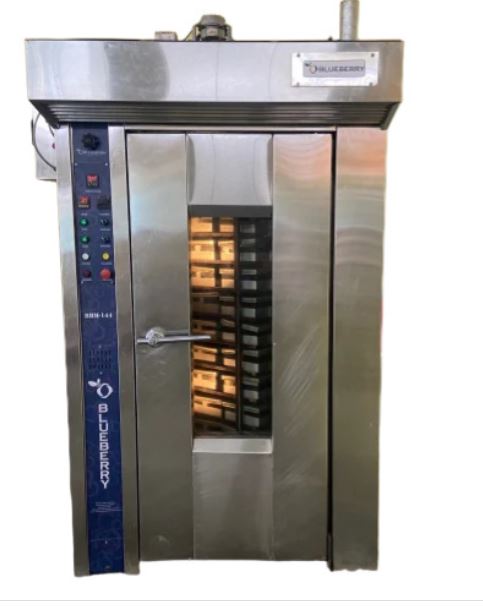
This variant is designed for high-volume baking. It features a rotating rack that ensures even heat distribution, making it suitable for products such as bread and pastries. Its efficiency and consistent results make it a favorite in large bakeries.
Deck Oven
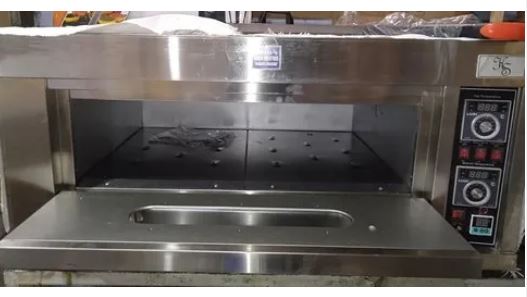
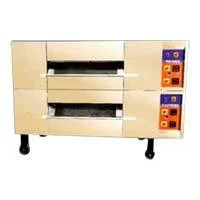
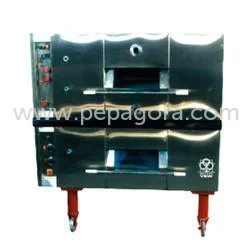
Deck ovens consist of multiple baking chambers, allowing for simultaneous baking. They are ideal for pizzerias and bakeries that require high-temperature baking. Their design provides excellent crust development, which is crucial for artisan bread and pizzas.
𝗕𝗲𝗻𝗲𝗳𝗶𝘁𝘀 𝗮𝗻𝗱 𝗔𝗱𝘃𝗮𝗻𝘁𝗮𝗴𝗲𝘀
Investing in oven systems provides numerous advantages to businesses in the food industry.
1. Enhanced Baking Quality: These ovens ensure even cooking and consistent results, critical for maintaining product quality.
2. Increased Production Efficiency: High-capacity baking enables businesses to meet demand without sacrificing quality.
3. Energy Savings: Many models are designed to be energy-efficient, reducing operational costs over time.
4. Versatility: The ability to bake a wide range of products makes these ovens suitable for various applications.
5. User-Friendly Controls: Digital controls simplify the baking process, allowing for easy adjustments and programming.
6. Durability: Constructed from high-quality materials, these ovens are built to withstand the rigors of commercial use.
𝗕𝘂𝘆𝗶𝗻𝗴 𝗚𝘂𝗶𝗱𝗲 𝗳𝗼𝗿 𝗕𝟮𝗕 𝗕𝘂𝘆𝗲𝗿𝘀
When sourcing oven systems, businesses should consider several critical factors to ensure they make the right investment.
1. Quality Assessment: Evaluate the build quality and materials used in the ovens. Look for certifications and customer reviews to assess reliability.
2. Supplier Verification: Vet potential suppliers to ensure they have a track record of providing quality equipment and good customer service.
3. Pricing and MOQ: Understand the pricing structure and minimum order quantities. This will help budget effectively and avoid unnecessary expenses.
4. Delivery and Lead Times: Inquire about delivery schedules and lead times to ensure timely installation and operation.
5. Compliance Requirements: Ensure that the ovens meet relevant industry standards and regulations, such as safety and environmental compliance.
𝗖𝗼𝗺𝗽𝗹𝗶𝗮𝗻𝗰𝗲 𝗮𝗻𝗱 𝗖𝗲𝗿𝘁𝗶𝗳𝗶𝗰𝗮𝘁𝗶𝗼𝗻𝘀
Compliance with industry standards is essential for oven systems to ensure quality and safety. Relevant quality standards include ISO 9001, which focuses on quality management systems, ensuring consistent product quality.
HACCP (Hazard Analysis and Critical Control Points) is another crucial standard, particularly in food production, as it helps identify and manage potential hazards in the baking process.
Oven systems typically carry certifications such as CE, which signifies that they meet European safety standards. This certification is critical for manufacturers looking to sell in the European market.
Safety and testing requirements are also paramount, ensuring that ovens operate safely under commercial conditions. Regular testing and adherence to safety protocols help mitigate risks in the workplace.
Additionally, regional compliance considerations may vary, so it is important for buyers to be aware of local regulations governing food equipment safety and environmental impact.
Why Source Oven Systems (Rotary, Deck) from Pepagora?
Pepagora offers a reliable platform for sourcing oven systems, including rotary and deck ovens, with several advantages that cater to B2B buyers.
Verified Supplier Network: Pepagora connects buyers with a network of verified suppliers, ensuring that businesses can find quality manufacturers who meet their specific needs.
Streamlined RFQ Process: The request for quotation process at Pepagora is designed to be user-friendly, allowing buyers to easily compare options and make informed decisions.
Trade Assurance and Support: Pepagora provides trade assurance, offering buyers protection and support throughout the purchasing process, ensuring peace of mind with every transaction.
Regional Coverage: With a strong presence in India, the GCC, and Southeast Asia, Pepagora facilitates access to local and international suppliers, broadening options for businesses looking to invest in oven systems.
Newly Added


Recently Added
Venkateswara Engineering Works
Industrial Heavy Duty Cake Kneader with CI Body and SS Drum
Industrial Cake Kneader Heavy Duty Dough Mixer CI Body SS Drum 1 HP
Commercial Fully Automatic Chapati Machine For High Volume Production
Bake & Safe Bakery Equipments
Commercial Dough Sheeters for Bakeries and Pizzerias
Industrial Planetary Mixer with Dual Impellers for Food and Pharma
Industrial Heavy Duty Bread Slicer For Bakeries And Food Processing
Adans Impex
Industrial Double Trolley Oven For High Volume Baking And Drying
Industrial Four Trolley Oven For Baking Curing Drying Applications
Industrial Wooden Rotary Ovens For Precise Heating And Drying
Atlanta Enterprise
Commercial Juicers High Volume Extraction Low Power Silent Operation
Commercial Coffee Makers For Hotels Offices Restaurants
Commercial Mixer Grinder 3 4 Jar Stainless Steel High Volume
Azfar Industries
Commercial Residential Balustrade Support Systems Stainless Steel
Commercial Stainless Steel Bulk Fryer With LPG Electric Options
Commercial Kitchen Premium Chinese Burner Durable Heat Resistant
E. S. S. E. M. M. Corporation
Commercial Heavy Duty 5 Meat Forks Rotisserie with Manual Controls
Commercial Dish Warmer 30 Plate Single Head Food Warmer
Commercial Electric Pressure Fryer For High Volume Kitchens
Dinesh Industries
Commercial Vegetable Cutting Machine 8-Blade Electric For Hotels and Restaurants
Charcoal Barbecue Grill Stainless Steel For Outdoor and Home Use
Electric Single Deck 2-Tray Oven Stainless Steel For Commercial Bakery Use
BLUEBERRY BAKERY MACHINESMACHINES
Commercial Rusk Panning Machine For Uniform Coating In Food Production
Cake Mixer Machine 60 Litre Stainless Steel for Bakery
Cookie Dropping Machine 3 HP Stainless Steel for Bakery
KVR Industries
Commercial Soft Serve Ice Cream Machine For High Volume Dessert Production
Commercial Automatic Softy Ice Cream Machine For Cafes & Dessert Shops
Commercial Electric Softy Ice Cream Machine with Night Mode for Continuous Operation
Why Businesses Trust Pepagora
Thousands of companies trust Pepagora to source smarter and sell faster
Expand Your Sales Globally
25000+Products listed.Get discovered by global buyers
Tools to boost visibility
Build your own catalog

Source Smarter,Grow Faster
4000+Active RFQs
100+ Countries served
Easy Sourcing Tools
