
 IN
INundefined
Other Pneumatic Tools
31 products available
𝗪𝗵𝗮𝘁 𝗮𝗿𝗲 𝗢𝘁𝗵𝗲𝗿 𝗣𝗻𝗲𝘂𝗺𝗮𝘁𝗶𝗰 𝗧𝗼𝗼𝗹𝘀?
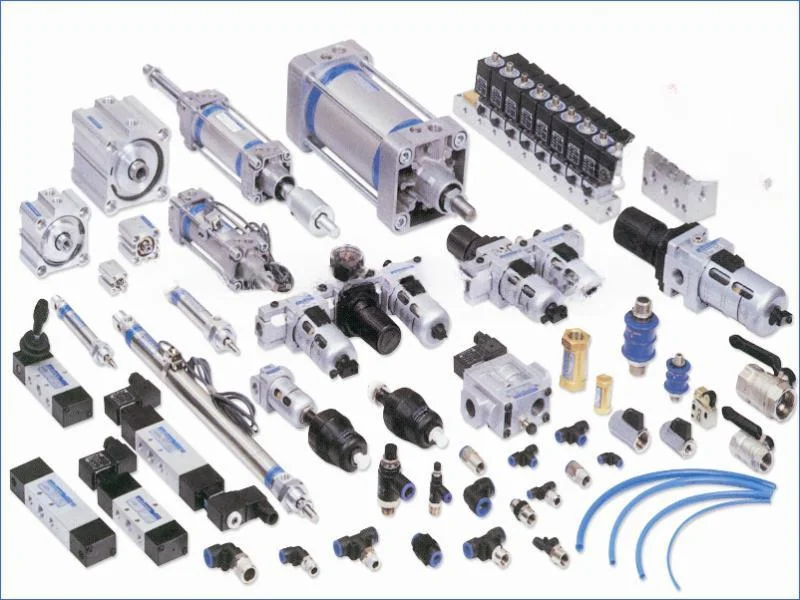
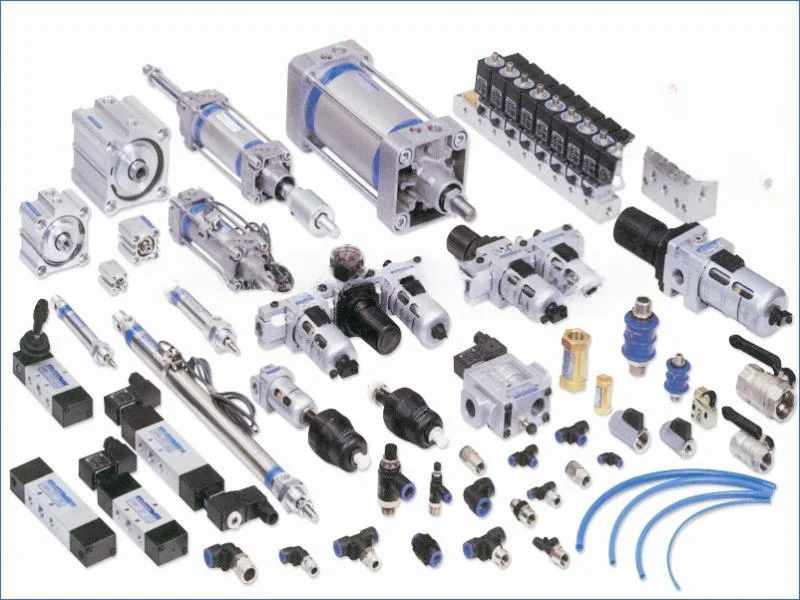
Other pneumatic tools encompass a wide range of equipment that operates using compressed air. These tools are essential in various industrial and commercial settings where efficiency and power are critical. Unlike traditional electric tools, pneumatic tools harness the energy from compressed air, making them lighter and often more powerful for certain applications. They are designed to perform tasks ranging from fastening and cutting to sanding and polishing.
The primary uses of other pneumatic tools extend across multiple industries, including manufacturing, construction, automotive, and maintenance. Businesses leverage these tools for their speed and efficiency, which can significantly enhance productivity. Common applications include assembly lines, auto repair shops, and construction sites, where they help streamline processes and improve worker safety. The relevance of these tools in the market cannot be understated, as they are pivotal in industries that demand quick turnaround and high levels of output.
𝗞𝗲𝘆 𝗙𝗲𝗮𝘁𝘂𝗿𝗲𝘀 𝗮𝗻𝗱 𝗦𝗽𝗲𝗰𝗶𝗳𝗶𝗰𝗮𝘁𝗶𝗼𝗻𝘀
When considering other pneumatic tools, it is important to understand their key features and specifications that determine their performance and suitability for various tasks. These specifications often dictate the tool's efficiency, reliability, and application versatility.
Key specifications include:
1. Power Source
- Operates using compressed air
- Allows for continuous operation without overheating
2. Air Consumption
- Defined in cubic feet per minute (CFM)
- Varies based on tool type and application
3. Maximum Pressure
- Typically rated in pounds per square inch (PSI)
- Determines the tool's capacity to perform heavy-duty tasks
4. Weight
- Generally lighter than electric counterparts
- Enhances maneuverability and ease of use
5. Noise Level
- Measured in decibels (dB)
- Important for workplace safety and compliance
6. Durability
- Constructed from high-quality materials
- Designed to withstand harsh working conditions
7. Maintenance Requirements
- Low maintenance due to fewer moving parts
- Regular lubrication and air filter checks recommended
8. Compatibility with Accessories
- Wide range of attachments and accessories available
- Enhances versatility for specific tasks
In summary, understanding these specifications is vital for selecting the right pneumatic tools that meet operational needs and ensure efficiency.
𝗖𝗼𝗺𝗺𝗼𝗻 𝗔𝗽𝗽𝗹𝗶𝗰𝗮𝘁𝗶𝗼𝗻𝘀 𝗮𝗻𝗱 𝗨𝘀𝗲 𝗖𝗮𝘀𝗲𝘀
Other pneumatic tools find application in a variety of industries, each benefiting from their unique capabilities.
1. Manufacturing: In manufacturing, pneumatic tools are used for assembly operations, where speed and precision are crucial. They help in tasks like fastening, drilling, and painting.
2. Automotive: In the automotive industry, these tools are widely utilized for tasks such as tire changing, engine assembly, and bodywork repair, allowing for quick and efficient service.
3. Construction: Pneumatic tools are essential on construction sites for tasks like nailing, stapling, and demolition, providing the power needed for heavy-duty applications.
4. Maintenance and Repair: Maintenance professionals use pneumatic tools for quick fixes and routine repairs, ensuring equipment operates smoothly and efficiently.
5. Woodworking: In woodworking, pneumatic tools are employed for sanding, cutting, and drilling, enhancing the quality and speed of the finishing process.
6. Aerospace: The aerospace industry uses pneumatic tools for precision assembly and maintenance of aircraft components, ensuring safety and compliance with industry standards.
7. Metalworking: In metalworking, these tools facilitate cutting, grinding, and shaping metals, providing the power required for high-performance tasks.
𝗣𝗿𝗼𝗱𝘂𝗰𝘁 𝗩𝗮𝗿𝗶𝗮𝗻𝘁𝘀 𝗮𝗻𝗱 𝗦𝘂𝗯𝗰𝗮𝘁𝗲𝗴𝗼𝗿𝗶𝗲𝘀
Other pneumatic tools come in various types, each designed for specific applications.
Impact Wrenches: These tools are essential in automotive and construction applications for loosening and tightening bolts quickly and efficiently. They are designed to deliver high torque with minimal effort.
Pneumatic Sanders: Used primarily in woodworking and automotive refinishing, pneumatic sanders provide a smooth finish with less fatigue for the user. Their lightweight design enhances maneuverability.
Pneumatic Nailers: These tools streamline fastening tasks in construction and woodworking, allowing for rapid nailing without manual effort. They are designed for use with various nail sizes.
Pneumatic Drills: Ideal for drilling holes in various materials, pneumatic drills offer high speeds and power, making them suitable for heavy-duty applications.
𝗕𝗲𝗻𝗲𝗳𝗶𝘁𝘀 𝗮𝗻𝗱 𝗔𝗱𝘃𝗮𝗻𝘁𝗮𝗴𝗲𝘀
Pneumatic tools offer numerous benefits that make them a preferred choice in industrial settings.
Key benefits include:
1. Lightweight Design: Pneumatic tools are generally lighter than electric tools, reducing operator fatigue during extended use.
2. High Power Output: These tools deliver more power for heavy-duty tasks, enabling faster completion of work.
3. Durability: Built to withstand tough conditions, pneumatic tools often have a longer lifespan with proper maintenance.
4. Lower Operating Costs: Compressed air is often less expensive than electricity, making pneumatic tools cost-effective over time.
5. Versatility: With a wide range of attachments and accessories available, these tools can be adapted for various tasks and industries.
6. Safety: Pneumatic tools are less likely to cause electrical hazards, making them safer to operate in wet or hazardous environments.
𝗕𝘂𝘆𝗶𝗻𝗴 𝗚𝘂𝗶𝗱𝗲 𝗳𝗼𝗿 𝗕𝟮𝗕 𝗕𝘂𝘆𝗲𝗿𝘀
When sourcing other pneumatic tools, businesses should consider several factors to ensure they make informed purchases.
1. Quality Assessment: Evaluate the quality of materials and construction. Look for reputable brands known for durability and reliability.
2. Supplier Verification: Vet suppliers for their industry reputation, customer reviews, and certifications to ensure they provide high-quality products.
3. Pricing and MOQ: Understand the pricing structure and minimum order quantities (MOQ) to align with budgetary and operational needs.
4. Delivery and Lead Times: Inquire about delivery schedules and lead times to ensure timely availability of tools for projects.
5. Compliance Requirements: Check for compliance with industry standards and regulations to ensure tools meet safety and operational requirements.
𝗖𝗼𝗺𝗽𝗹𝗶𝗮𝗻𝗰𝗲 𝗮𝗻𝗱 𝗖𝗲𝗿𝘁𝗶𝗳𝗶𝗰𝗮𝘁𝗶𝗼𝗻𝘀
Compliance with industry standards and certifications is crucial for ensuring the quality and safety of other pneumatic tools.
ISO 9001 is a widely recognized quality management standard that ensures manufacturers maintain high quality throughout their production processes. Compliance with this standard indicates a commitment to quality and customer satisfaction.
CE certification is essential for products sold in European markets, signifying that the tools meet safety, health, and environmental protection requirements. This certification is crucial for companies looking to expand their market reach.
Safety and testing requirements are also paramount. Tools should undergo rigorous testing to ensure they can withstand operational stresses and maintain performance.
Regional compliance considerations may vary, so businesses must be aware of local regulations regarding pneumatic tools to avoid legal issues and ensure safe operation.
𝗪𝗵𝘆 𝗦𝗼𝘂𝗿𝗰𝗲 𝗢𝘁𝗵𝗲𝗿 𝗣𝗻𝗲𝘂𝗺𝗮𝘁𝗶𝗰 𝗧𝗼𝗼𝗹𝘀 𝗳𝗿𝗼𝗺 𝗣𝗲𝗽𝗮𝗴𝗼𝗿𝗮?
Pepagora offers a trusted platform for sourcing other pneumatic tools, providing several key advantages for B2B buyers.
Verified Supplier Network: Pepagora has a strong network of verified suppliers, ensuring that businesses can access high-quality tools from reputable manufacturers. This verification process helps buyers make informed decisions and reduces risks associated with sourcing.
Streamlined RFQ Process: The platform features a streamlined Request for Quotation (RFQ) process, allowing buyers to easily request quotes from multiple suppliers. This competitive environment fosters better pricing and options for buyers.
Trade Assurance and Support: Pepagora provides trade assurance, protecting buyers from potential issues during transactions. Their support services ensure a smooth purchasing process, offering assistance when needed.
Regional Coverage: With a geographical reach across India, GCC, and Southeast Asia, Pepagora connects buyers with suppliers in key markets, facilitating easier access to pneumatic tools for various business needs.
In conclusion, sourcing other pneumatic tools through Pepagora not only simplifies the buying process but also ensures access to quality products and reliable suppliers, crucial for enhancing operational efficiency.
Newly Added









Recently Added
Bihar Mica House
Industrial PTFE Tubing Chemical Resistance Electrical Insulation Fluid Transfer
Industrial PTFE Bushes For Electrical Insulation And Low Friction
Industrial Natural Mica Thins For Thermal Resistance And Electrical Insulation
Charu Chemical Laboratories (Unit 1)
Charu Chemical Labs High Accuracy Chart Drive Microprocessor Direct Drive Motors
Industrial Chart Recorder Ribbon Cassettes For Extreme Conditions
Industrial Temperature Recorder For Precise Monitoring In Demanding Environments
Yash Systems Manufacturing Co Pvt Ltd
Automotive Brake Shoe Grinding Machine 40 Micron Precision Manual Automatic
Industrial Precision Grease Dispensing Machine 0.3gm 50gm 2% Accuracy
Industrial Material Handling Trolleys And Pallets For Storage And Transport
B. N. D. Engineers Private Limited
Industrial Air Compressor Valves Premium Plate Ring Spring Sets
Industrial Gas Compressor Valves For Reliability And Performance
Industrial Air Cooled Heat Exchangers For Efficient Thermal Management
Balaji Industries
Industrial Two Way Manifold Block And Bleed Valves For Fluid Control
Industrial Three Way Manifold H Type Valve For High Pressure Fluid Control
Industrial Machinery Pinion Snubbers For Precision Control And Durability
Apex Gear Craft
Industrial Machinery Parts For Construction And Manufacturing Sectors
Industrial Metal V Belt Pulleys For Power Transmission Systems
Industrial Automation Precision Metal Timing Pulleys For Power Transmission
Sujatha Electronics
Industrial Air Preparation Units Automatic Drain Filter Regulator G1/4 G1
Industrial Automation Square Cylinders VDMA 24562 A20 A21 Series 32 100mm
Industrial Automation Compact ISO Cylinder 32 100mm Bore Magnetic Reed Switch
Sovereign Electro Electronics
Industrial OEM Air Preparation Units Automatic Drain G1/4 G3/8 G1/2 G3/4
Industrial Automation Square Cylinders VDMA 24562 Galvanized OEM
Industrial Air Cylinder 32 200mm Bore CETOP OEM Reliable Durable
Guru Nanak Engineering Corporation
Industrial Twin Lobe Rotary Air Compressor Energy Efficient Low Maintenance
Industrial Twin Lobe Rotary Air Compressor RAC 01 Energy Efficient Oil Free
Industrial Twin Lobe Rotary Gas Compressor For High Performance Efficiency
Apurva Enterprises
Industrial Fluid Systems Premium Straight Tube Fittings Carbon Steel Stainless Steel Brass
Industrial Instrumentation Ball Valves High Pressure Two Piece Three Piece
Industrial Needle Valves For Precise Flow Control In High Pressure Systems
Why Businesses Trust Pepagora
Thousands of companies trust Pepagora to source smarter and sell faster
Expand Your Sales Globally
25000+Products listed.Get discovered by global buyers
Tools to boost visibility
Build your own catalog

Source Smarter,Grow Faster
4000+Active RFQs
100+ Countries served
Easy Sourcing Tools
