
 IN
INundefined
Other Metals
208 products available
𝗪𝗵𝗮𝘁 𝗮𝗿𝗲 𝗢𝘁𝗵𝗲𝗿 𝗠𝗲𝘁𝗮𝗹𝘀?
Other metals refer to a diverse range of metallic materials that do not fall into the primary categories of ferrous or non-ferrous metals. This classification includes metals such as titanium, zirconium, and others that are typically used for specialized applications. These metals possess unique properties, such as high strength, corrosion resistance, and lightweight characteristics, making them suitable for various demanding environments.
In the industrial landscape, other metals find applications in numerous sectors, including aerospace, automotive, healthcare, and electronics. Due to their superior performance in extreme conditions, they are often utilized in manufacturing parts that require durability and reliability. Industries rely on these metals for components such as aircraft frames, medical devices, and electronic casings, where performance and safety are critical.
The market for other metals is expanding, driven by technological advancements and increasing demand for lightweight materials. As industries strive for efficiency and sustainability, the relevance of these metals continues to grow. Their unique properties allow manufacturers to innovate and create products that enhance performance while reducing weight, thereby contributing to overall efficiency.
𝗞𝗲𝘆 𝗙𝗲𝗮𝘁𝘂𝗿𝗲𝘀 𝗮𝗻𝗱 𝗦𝗽𝗲𝗰𝗶𝗳𝗶𝗰𝗮𝘁𝗶𝗼𝗻𝘀
Other metals are characterized by specific features that enhance their performance in various applications. Understanding these features is essential for making informed purchasing decisions.
Key specifications include:
1. Corrosion Resistance
- High resistance to oxidation and corrosive environments
- Suitable for use in harsh conditions
2. Strength-to-Weight Ratio
- Exceptional strength relative to weight
- Ideal for applications requiring lightweight materials without sacrificing strength
3. Temperature Tolerance
- Ability to withstand high and low temperatures
- Critical for applications in extreme environments
4. Weldability
- Compatibility with welding processes
- Facilitates manufacturing and fabrication
5. Machinability
- Ease of machining for precision components
- Important for intricate designs and manufacturing processes
6. Biocompatibility
- Safe for use in medical applications
- Non-toxic properties suitable for healthcare products
7. Electrical Conductivity
- Varies among different other metals
- Relevant for electrical and electronic applications
In summary, the key features and specifications of other metals make them highly valuable across a range of industries, providing solutions that meet specific performance requirements.
𝗖𝗼𝗺𝗺𝗼𝗻 𝗔𝗽𝗽𝗹𝗶𝗰𝗮𝘁𝗶𝗼𝗻𝘀 𝗮𝗻𝗱 𝗨𝘀𝗲 𝗖𝗮𝘀𝗲𝘀
Other metals are utilized in various industries due to their unique properties and performance characteristics.
1. Aerospace: Other metals like titanium are used in aircraft structures and components, offering high strength and reduced weight, which improve fuel efficiency.
2. Automotive: These metals are employed in high-performance vehicles, where weight reduction contributes to better fuel economy and enhanced performance.
3. Healthcare: Biocompatible metals are essential in medical devices, implants, and surgical instruments, ensuring safety and reliability in patient care.
4. Electronics: Other metals are used in electronic components, providing durability and performance in devices that require precision engineering.
5. Marine: Corrosion-resistant metals are vital in maritime applications, where exposure to saltwater and harsh environments demands reliable materials.
6. Oil and Gas: Specialized alloys are employed in drilling and extraction equipment, where durability and resistance to extreme conditions are paramount.
7. Construction: Other metals are also used in construction for structural components that require strength and resistance to environmental factors.
𝗣𝗿𝗼𝗱𝘂𝗰𝘁 𝗩𝗮𝗿𝗶𝗮𝗻𝘁𝘀 𝗮𝗻𝗱 𝗦𝘂𝗯𝗰𝗮𝘁𝗲𝗴𝗼𝗿𝗶𝗲𝘀
The diversity of other metals leads to various product variants that cater to specific applications and industries.
Titanium Alloys: These alloys are known for their high strength and lightweight properties. They are commonly used in aerospace and medical applications, where performance and reliability are critical.
Zirconium Alloys: Zirconium is recognized for its corrosion resistance and is often used in nuclear applications and chemical processing industries.
Nickel Alloys: Nickel-based alloys are known for their excellent mechanical properties and resistance to heat and corrosion. They are widely used in high-temperature applications, such as gas turbines.
Tantalum: Tantalum is used in medical implants and electronic components due to its biocompatibility and excellent corrosion resistance.
𝗕𝗲𝗻𝗲𝗳𝗶𝘁𝘀 𝗮𝗻𝗱 𝗔𝗱𝘃𝗮𝗻𝘁𝗮𝗴𝗲𝘀
Sourcing other metals provides several key benefits to businesses across various sectors.
1. Enhanced Performance: Other metals offer superior properties, such as strength and corrosion resistance, which improve the overall performance of products.
2. Weight Reduction: The lightweight nature of these metals allows manufacturers to design more efficient products, reducing energy consumption and costs.
3. Versatility: The wide range of applications for other metals enables businesses to innovate and adapt to changing market demands.
4. Long Lifespan: The durability of other metals leads to longer-lasting products, reducing maintenance and replacement costs over time.
5. Customization: Many suppliers offer customization options, allowing businesses to obtain materials tailored to their specific needs and applications.
6. Competitive Advantage: Utilizing other metals can provide a competitive edge in manufacturing, enabling companies to produce high-quality, innovative products.
𝗕𝘂𝘆𝗶𝗻𝗴 𝗚𝘂𝗶𝗱𝗲 𝗳𝗼𝗿 𝗕𝟮𝗕 𝗕𝘂𝘆𝗲𝗿𝘀
When sourcing other metals, there are several important factors to consider to ensure the right purchase.
1. Quality Assessment: Evaluate the quality of the metals based on industry standards and certifications. This ensures that the materials meet the required specifications for your applications.
2. Supplier Verification: Vet suppliers to confirm their reliability and reputation in the market. Look for reviews, certifications, and history of successful transactions.
3. Pricing and MOQ: Understand the pricing structure and minimum order quantities (MOQ) that suppliers offer. This helps in budgeting and planning for procurement.
4. Delivery and Lead Times: Clarify the expected delivery schedules and lead times for orders. Timely delivery is crucial for maintaining production schedules.
5. Compliance Requirements: Ensure that the metals comply with relevant regulations and standards in your industry. This includes certifications like CE, which indicate adherence to safety and quality measures.
𝗖𝗼𝗺𝗽𝗹𝗶𝗮𝗻𝗰𝗲 𝗮𝗻𝗱 𝗖𝗲𝗿𝘁𝗶𝗳𝗶𝗰𝗮𝘁𝗶𝗼𝗻𝘀
In the realm of other metals, compliance with industry standards and certifications is essential for ensuring quality and safety.
Relevant quality standards include ISO 9001, which focuses on quality management systems, and HACCP, which addresses food safety management. These standards help businesses maintain consistent quality in their products.
Industry certifications such as CE indicate that the metals meet European safety and performance requirements. Compliance with these standards is critical for market acceptance and regulatory adherence.
Safety and testing requirements also play a vital role, ensuring that products made from other metals are safe for their intended applications. Regular testing for mechanical properties and corrosion resistance is essential.
Regional compliance considerations should also be taken into account, as different regions may have specific regulations governing the use of certain metals.
𝗪𝗵𝘆 𝗦𝗼𝘂𝗿𝗰𝗲 𝗢𝘁𝗵𝗲𝗿 𝗠𝗲𝘁𝗮𝗹𝘀 𝗳𝗿𝗼𝗺 𝗣𝗲𝗽𝗮𝗴𝗼𝗿𝗮?
Pepagora provides a trusted platform for sourcing other metals with several key advantages that benefit B2B buyers.
Verified Supplier Network: Pepagora offers access to a network of verified suppliers, ensuring that businesses can connect with reputable sources that meet quality and reliability standards.
Streamlined RFQ Process: The platform simplifies the request for quotation (RFQ) process, allowing buyers to easily obtain quotes from multiple suppliers, saving time and effort.
Trade Assurance and Support: Pepagora provides trade assurance, protecting buyers by ensuring that their transactions are secure. The platform also offers support to address any concerns or queries.
Regional Coverage: With a strong presence in India, the GCC, and Southeast Asia, Pepagora offers extensive geographic reach, enabling businesses to find suppliers that are conveniently located to meet their needs.
In conclusion, sourcing other metals through Pepagora offers a reliable and efficient solution for businesses seeking high-quality materials for their applications.
Newly Added











Recently Added
Vsl Alloys India Pvt Ltd
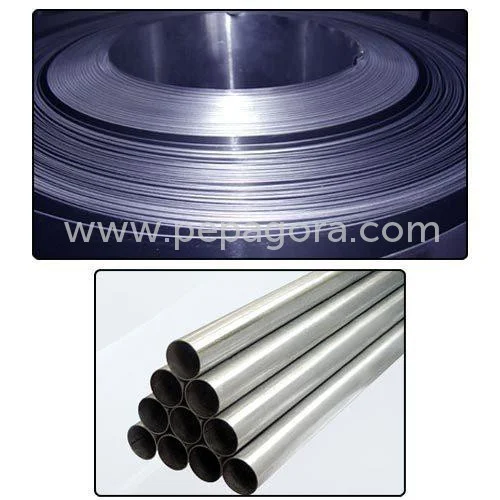
Premium Stainless Steel Coils Multiple Grades Thicknesses Finishes
Industrial Heat Exchanger Tubes For Efficient Thermal Transfer
Industrial Stainless Steel Pipes For Corrosion Resistance And Durability
Anna Company
Support Services For Importers Distributors And Wholesalers
Support Services For Importers Distributors And Wholesalers
Premium Ornamental Castings For Architectural And Decorative Applications
Orange Steel India
Industrial Stainless Steel Sheets Plates Corrosion Resistant Durable
Industrial Stainless Steel Coils And Shim Precision Components
Premium Stainless Steel Flats And Pattas For Industrial Applications
P Gopal Chettiar Rolling Works
Industrial Aluminum Slugs For Precision Manufacturing And Cold Forming
Premium Aluminum Bottles And Caps For Packaging
Brush Finished Aluminum Bottles For Fragrance Essential Oil Pesticide Pharmaceutical
Manibhadra Metal
EN Series Steel For Engineering Petrochemical Chemical Refinery Industries
Industrial Machinery Case Hardening Steel Durable Corrosion Resistant
Industrial Mild Steel Black And Bright Products For Construction
Mittal Enterprises
Tinned Copper Fuse Wire High Conductivity Corrosion Resistant
Industrial Round Enameled Copper Wires For Transformers And Motors
Tinned Copper Foils For Transformers PCBs Industrial Applications
White Line International
Industrial Nickel Copper Alloy Pipes Corrosion Resistant High Thermal
Industrial Carbon Alloy Steel Pipes Seamless Welded ERW Fabricated
Industrial Stainless Duplex Steel Pipes Corrosion Resistant Durable
Wilson Steel Suppliers
Industrial Stainless Steel Wire High Strength Corrosion Resistant
Wilson Steels ASTM ASME Stainless Steel Channel 304L 316 321
Wilson Steels ASTM ISO 300 Series Stainless Steel ERW Pipes
Jans Overseas
Premium Copper Bus Bars 99.99% Purity For Electrical Panels Transformers
Premium Copper Flat Bars Forged Hot Rolled Cold Rolled Electrical Industrial
Industrial Electrical Copper Square Bars 99.99% Pure Custom Sizes
Fluid Flow Systems
Industrial Stainless Steel Hopper For Material Handling OEM
Industrial Metal Blower Panel For Ventilation And Cooling
Industrial Packaging Conveyor System For Coal Mining Metal OEM
Why Businesses Trust Pepagora
Thousands of companies trust Pepagora to source smarter and sell faster
Expand Your Sales Globally
25000+Products listed.Get discovered by global buyers
Tools to boost visibility
Build your own catalog

Source Smarter,Grow Faster
4000+Active RFQs
100+ Countries served
Easy Sourcing Tools
