
 IN
INundefined
Other Hospital Furniture
26 products available
𝗪𝗵𝗮𝘁 𝗮𝗿𝗲 𝗢𝘁𝗵𝗲𝗿 𝗛𝗼𝘀𝗽𝗶𝘁𝗮𝗹 𝗙𝘂𝗿𝗻𝗶𝘁𝘂𝗿𝗲?
Other hospital furniture refers to a wide range of specialized furnishings used in healthcare facilities to support patient care, staff efficiency, and overall hospital functionality. This category includes items such as waiting room chairs, bedside cabinets, overbed tables, and other essential equipment that aids in creating a safe and comfortable environment for patients and healthcare workers alike. These pieces of furniture play a critical role in enhancing the patient experience and operational workflow within hospitals.
The primary uses of other hospital furniture include providing comfort and convenience to patients during their stay, facilitating healthcare delivery by providing essential storage and workspace for medical staff, and creating a welcoming atmosphere in waiting areas. Additionally, these furnishings often need to comply with strict health and safety regulations to ensure durability and hygiene. As hospitals evolve to meet the demands of modern healthcare, the market for hospital furniture continues to expand, with innovative designs and materials being introduced to enhance functionality and aesthetics.
In today's competitive healthcare environment, the relevance of other hospital furniture cannot be overstated. As healthcare providers seek to improve patient outcomes and streamline operations, the demand for high-quality, functional, and aesthetically pleasing furniture remains high. This market is increasingly driven by trends such as patient-centered care and the need for sustainable materials, reflecting the ongoing commitment to improving healthcare delivery.
𝗞𝗲𝘆 𝗙𝗲𝗮𝘁𝘂𝗿𝗲𝘀 𝗮𝗻𝗱 𝗦𝗽𝗲𝗰𝗶𝗳𝗶𝗰𝗮𝘁𝗶𝗼𝗻𝘀
When evaluating other hospital furniture, several key features and specifications should be considered to ensure suitability for various healthcare settings. These specifications help buyers make informed decisions based on their unique needs and requirements.
Key specifications include:
1. Material Composition
- Commonly made from durable, easy-to-clean materials
- Options may include metal, plastic, and upholstered surfaces
2. Weight Capacity
- Designed to support a range of weights
- Typically accommodates up to 250-400 pounds, depending on the item
3. Mobility Features
- Many items come with wheels or casters for easy movement
- Locking mechanisms may be available for stability
4. Ergonomic Design
- Focus on comfort and support for both patients and staff
- Adjustable features may be included for customization
5. Hygiene Standards
- Surfaces designed for easy cleaning and disinfection
- Compliance with healthcare cleaning protocols
6. Customization Options
- Availability of different colors, styles, and configurations
- Ability to tailor pieces to specific healthcare environments
7. Warranty Period
- Most products come with a warranty to ensure quality and longevity
- Typical warranty ranges from 1 to 5 years
8. Compliance Certifications
- Must meet industry standards such as CE certification
- Adherence to safety and quality regulations is essential
In summary, understanding these features and specifications is crucial for healthcare providers looking to invest in other hospital furniture. This knowledge aids in selecting the right products that enhance patient care and support operational efficiency.
𝗖𝗼𝗺𝗺𝗼𝗻 𝗔𝗽𝗽𝗹𝗶𝗰𝗮𝘁𝗶𝗼𝗻𝘀 𝗮𝗻𝗱 𝗨𝘀𝗲 𝗖𝗮𝘀𝗲𝘀
Other hospital furniture serves various industries beyond traditional hospital settings.
1. Healthcare Facilities: Hospitals, clinics, and outpatient centers utilize furniture to enhance patient comfort and support healthcare operations.
2. Rehabilitation Centers: Specialized furniture aids in patient recovery by providing necessary support and convenience during therapy sessions.
3. Long-term Care Facilities: Furniture designed for durability and comfort is essential in nursing homes and assisted living facilities.
4. Medical Offices: Waiting room furniture and exam room furnishings contribute to a positive patient experience.
5. Diagnostic Centers: These facilities require specific furniture arrangements to facilitate patient flow and comfort during procedures.
6. Urgent Care Clinics: Quick-access furniture solutions help streamline patient care in fast-paced environments.
7. Home Healthcare: Portable and adaptable furniture options support patients receiving care in their homes.
𝗣𝗿𝗼𝗱𝘂𝗰𝘁 𝗩𝗮𝗿𝗶𝗮𝗻𝘁𝘀 𝗮𝗻𝗱 𝗦𝘂𝗯𝗰𝗮𝘁𝗲𝗴𝗼𝗿𝗶𝗲𝘀
The category of other hospital furniture includes a diverse range of products catering to various healthcare needs.
Overbed Tables
These tables provide patients with a convenient surface for meals, reading materials, and personal items, helping to increase comfort during their stay.
Waiting Room Chairs
Designed for durability and ease of cleaning, these chairs offer comfort to patients and visitors while maintaining a professional appearance in healthcare settings.
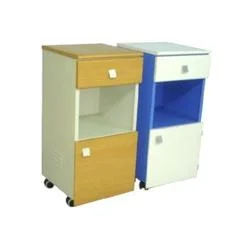
Bedside Cabinets
These storage solutions are essential for keeping personal items and medical supplies within reach of patients, enhancing their convenience and organization.
Patient Recliners
These chairs offer adjustable positions to provide comfort for patients during long hours of sitting, making them ideal for waiting areas and recovery rooms.
𝗕𝗲𝗻𝗲𝗳𝗶𝘁𝘀 𝗮𝗻𝗱 𝗔𝗱𝘃𝗮𝗻𝘁𝗮𝗴𝗲𝘀
Investing in other hospital furniture provides numerous advantages that enhance the overall healthcare experience.
1. Improved Patient Comfort: Quality furniture contributes to a more pleasant stay, making patients feel valued and cared for.
2. Enhanced Operational Efficiency: Well-designed furniture facilitates healthcare workers in performing their duties effectively, improving workflow.
3. Increased Durability: Hospital-grade furniture is built to withstand heavy use, ensuring long-term reliability and reduced replacement costs.
4. Aesthetic Appeal: Modern designs create a welcoming atmosphere that positively influences patient perception of the facility.
5. Compliance Assurance: Properly selected furniture meets health and safety standards, reducing the risk of liabilities for healthcare providers.
6. Customization Flexibility: Many options are available to suit specific needs, allowing for tailored solutions in diverse healthcare environments.
𝗕𝘂𝘆𝗶𝗻𝗴 𝗚𝘂𝗶𝗱𝗲 𝗳𝗼𝗿 𝗕𝟮𝗕 𝗕𝘂𝘆𝗲𝗿𝘀
When sourcing other hospital furniture, it is essential for buyers to consider several critical factors.
1. Quality Assessment: Evaluate materials and construction to ensure durability and ease of maintenance. Look for products with warranties and certifications to guarantee quality.
2. Supplier Verification: Conduct thorough research on suppliers, including checking references and reviews. A verified supplier network helps ensure reliable products and services.
3. Pricing and MOQ: Understand the pricing structure and minimum order quantities to find solutions that fit budgetary constraints while meeting supply needs.
4. Delivery and Lead Times: Confirm logistics and expected delivery timelines to ensure furniture arrives when needed, avoiding delays in operations.
5. Compliance Requirements: Ensure that furniture complies with relevant health and safety regulations, as well as industry certifications. This minimizes risks and ensures quality.
𝗖𝗼𝗺𝗽𝗹𝗶𝗮𝗻𝗰𝗲 𝗮𝗻𝗱 𝗖𝗲𝗿𝘁𝗶𝗳𝗶𝗰𝗮𝘁𝗶𝗼𝗻𝘀
Compliance with industry standards and certifications is crucial for other hospital furniture to ensure safety and quality.
Relevant quality standards include ISO 9001, which focuses on maintaining high-quality management systems. These standards help manufacturers produce consistent and reliable products.
Industry certifications such as CE demonstrate compliance with European health, safety, and environmental protection standards. This certification assures buyers that the products meet essential requirements.
Safety and testing requirements are vital to guarantee that furniture can withstand the rigors of healthcare environments while ensuring patient and staff safety.
Regional compliance considerations may vary, and it is important for buyers to understand local regulations and standards to ensure that their purchases meet all necessary criteria.
𝗪𝗵𝘆 𝗦𝗼𝘂𝗿𝗰𝗲 𝗢𝘁𝗵𝗲𝗿 𝗛𝗼𝘀𝗽𝗶𝘁𝗮𝗹 𝗙𝘂𝗿𝗻𝗶𝘁𝘂𝗿𝗲 𝗳𝗿𝗼𝗺 𝗣𝗲𝗽𝗮𝗴𝗼𝗿𝗮?
Pepagora provides a trusted platform for sourcing other hospital furniture with several key advantages that cater to B2B buyers.
Verified Supplier Network: Pepagora has established a network of verified suppliers, ensuring that buyers can trust the quality and reliability of the products offered. This reduces the risk of purchasing substandard furniture.
Streamlined RFQ Process: The platform facilitates a straightforward Request for Quotation (RFQ) process, allowing buyers to easily compare prices and specifications from multiple suppliers. This efficiency saves time and supports informed purchasing decisions.
Trade Assurance and Support: Pepagora offers buyer protection through trade assurance, ensuring that transactions are secure and reliable. This support builds confidence in the purchasing process.
Regional Coverage: With a presence in India, the GCC, and Southeast Asia, Pepagora provides extensive geographic coverage to meet the demands of diverse healthcare providers. This broad reach allows for better service and product availability across different regions.
Newly Added



Recently Added
Dave Electrical Corporation
Industrial Battery Chargers For Heavy Duty Manufacturing And Telecom
Professional 2A Economy Charger for 6V 12V Battery Auto Control
Defense Military Airport Panel Charger CCCV 0.40V 25A DC Industrial
Dinesh Industrial Corporation
Commercial Gym Heavy Duty Pec Fly Machine For Chest Isolation Training
Premium Strong Round Steel Frames High Grade Alloys Durable
Commercial Heavy Duty Elliptical Cross Trainer Magnetic Resistance
Dharshini Steel Industries
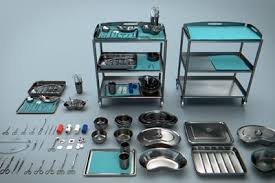
Hospital Furniture Steel Work Station With Wheel Brake System
Hospital Equipment Steel Epoxy Coated Durable Medical Furniture
Commercial Office Furniture Steel Frame Modern Panel Design
Callidai Motor Works
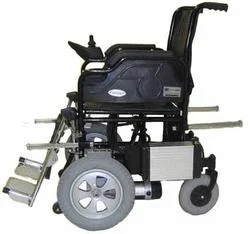
Ganda 2k4 Powered Wheelchair For Heavy Users Low Profile 4 Inch Mobility
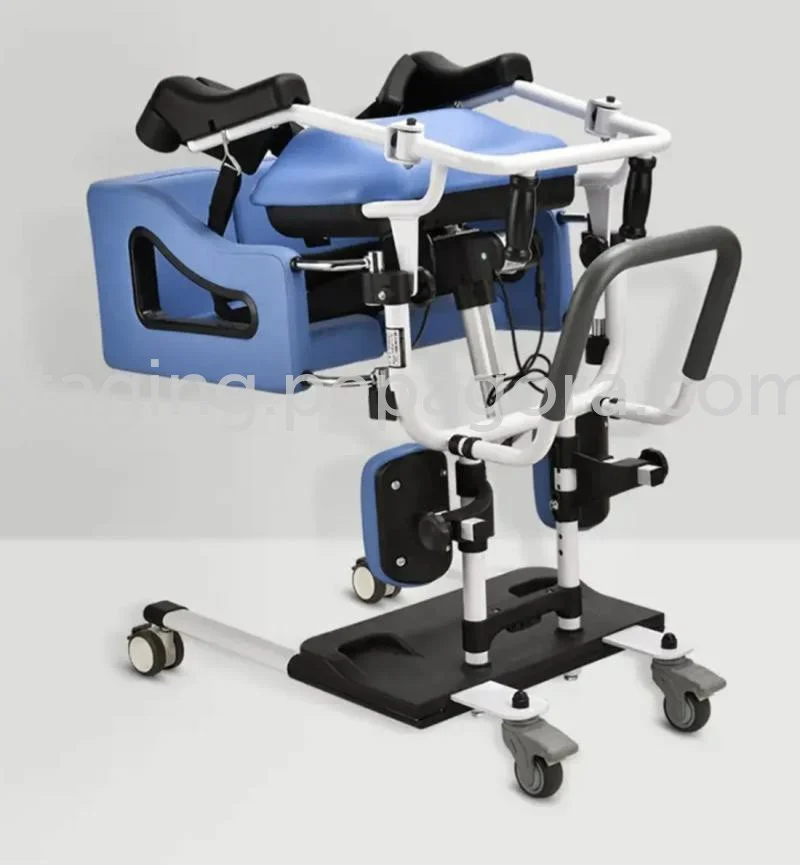
Medical Bed Wheelchair Powered Reclining Mobility Support
Healthcare Attendant Drive Wheelchair Durable Steel Construction
Anpurna Furniture Private Limited
Commercial Chairs Durable Ergonomic Seating Solutions
Commercial Dining Tables For Hotels Restaurants Offices Institutions
Premium Office Tables For Buyers With Ergonomic Support
Delhi Steam System Co.
Industrial Boiler Heater 10 High Performance Durable Efficient
Industrial Boiler Heaters For High Performance Applications
Industrial Boiler Heaters For Reliable Performance In Multiple Sizes
India Medico Instruments
Medical Examination Couch Wooden Adjustable Backrest Foam Padding
Chiropractic Electric High Low Treatment Table with Three Section Design
Premium Shoulder Cum Elbow Cycle For Rehabilitation And Strength Training
Everest Engineers
Premium Folding Attendant Wheelchair with Detachable Armrests
Premium Folding Commode Stools For Elderly And Disabled Mobility Support
Healthcare Folding Commode Chair With Side Arms And Backrest
Parmar Surgicals
Medical Surgical Instruments Stainless Steel Precision Tools
Surgical Disposable Items: Sterile Single Use Medical Supplies
Fowler Position Bed Classic Motorized Adjustable Backrest Footrest
Azfar Industries
Commercial Residential Balustrade Support Systems Stainless Steel
Commercial Stainless Steel Bulk Fryer With LPG Electric Options
Commercial Kitchen Premium Chinese Burner Durable Heat Resistant
Why Businesses Trust Pepagora
Thousands of companies trust Pepagora to source smarter and sell faster
Expand Your Sales Globally
25000+Products listed.Get discovered by global buyers
Tools to boost visibility
Build your own catalog

Source Smarter,Grow Faster
4000+Active RFQs
100+ Countries served
Easy Sourcing Tools
