
 IN
INundefined
Other Food Processing Machinery
380 products available
𝗪𝗵𝗮𝘁 𝗮𝗿𝗲 𝗢𝘁𝗵𝗲𝗿 𝗙𝗼𝗼𝗱 𝗣𝗿𝗼𝗰𝗲𝘀𝘀𝗶𝗻𝗴 𝗠𝗮𝗰𝗵𝗶𝗻𝗲𝗿𝘆?
Other Food Processing Machinery encompasses a diverse range of equipment used in the food industry that does not fall under more common categories like baking or packaging machinery. This sector includes specialized machines designed for unique processes such as mixing, blending, cooking, sterilizing, and forming food products. The machinery plays a vital role in transforming raw ingredients into finished goods, ensuring efficiency and consistency in production.
These machines find applications across various sectors, including meat and poultry processing, dairy production, snack food manufacturing, and more. They are essential for businesses aiming to enhance productivity, maintain quality, and adhere to health and safety standards. Given the rising demand for processed foods worldwide, the market for Other Food Processing Machinery is expanding, reflecting the industry's need for advanced and efficient production solutions.
𝗞𝗲𝘆 𝗙𝗲𝗮𝘁𝘂𝗿𝗲𝘀 𝗮𝗻𝗱 𝗦𝗽𝗲𝗰𝗶𝗳𝗶𝗰𝗮𝘁𝗶𝗼𝗻𝘀
Other Food Processing Machinery is designed with a variety of features that enhance its functionality and efficiency. Understanding these specifications is crucial for businesses looking to invest in the right equipment.
Key specifications include:
1. Capacity
- Refers to the amount of product the machine can process within a specified time frame.
- Ranges can vary significantly based on the type of machinery.
2. Power Consumption
- Indicates the energy requirements for the machinery to operate efficiently.
- Typically measured in kilowatts (kW).
3. Material Composition
- The materials used in construction, often stainless steel for hygiene and durability.
- Ensures compliance with food safety regulations.
4. Automation Level
- Describes the degree of automation, from manual to fully automated systems.
- Affects labor costs and operational efficiency.
5. Size and Dimensions
- The physical footprint of the machinery, which affects space considerations in production facilities.
- Important for integration into existing production lines.
6. Maintenance Requirements
- Details the upkeep needed to ensure optimal performance.
- Regular maintenance schedules help minimize downtime.
7. Temperature Control Features
- Options for heating, cooling, or maintaining temperature during processing.
- Critical for specific food products requiring precise temperature management.
8. Safety Features
- Includes emergency stops, guards, and safety interlocks.
- Essential for protecting operators and ensuring compliance with safety standards.
These specifications help businesses select machinery that meets their production needs while ensuring safety and efficiency.
𝗖𝗼𝗺𝗺𝗼𝗻 𝗔𝗽𝗽𝗹𝗶𝗰𝗮𝘁𝗶𝗼𝗻𝘀 𝗮𝗻𝗱 𝗨𝘀𝗲 𝗖𝗮𝘀𝗲𝘀
Other Food Processing Machinery serves a wide array of industries, playing a critical role in food production and processing.
1. Meat and Poultry Processing: These machines are used for cutting, grinding, and mixing meat products. They help ensure uniformity and quality in products like sausages and patties.
2. Dairy Industry: Equipment such as pasteurizers and homogenizers are essential for processing milk into cheese, yogurt, and other dairy products, ensuring safety and consistency.
3. Snack Food Manufacturing: Machinery for frying, baking, and packaging snack foods enables high-volume production while maintaining flavor and texture.
4. Beverage Production: Equipment like mixers and fillers are crucial for producing juices, soft drinks, and alcoholic beverages, ensuring proper mixing and bottling.
5. Confectionery Production: Machines for melting, molding, and cooling chocolates and candies help streamline the production process and improve product quality.
6. Bakery Products: Specialized machinery for mixing and shaping dough is vital for producing bread and pastries efficiently.
7. Frozen Food Processing: Equipment for freezing, packaging, and storing frozen foods plays a key role in preserving quality and extending shelf life.
𝗣𝗿𝗼𝗱𝘂𝗰𝘁 𝗩𝗮𝗿𝗶𝗮𝗻𝘁𝘀 𝗮𝗻𝗱 𝗦𝘂𝗯𝗰𝗮𝘁𝗲𝗴𝗼𝗿𝗶𝗲𝘀
The category of Other Food Processing Machinery includes a variety of specific machines tailored to different processing needs.
Mixers
Mixers are designed to blend ingredients uniformly, crucial in both small and large-scale production. They can handle various food types, from dough to sauces.
Cookers
Cookers are used for thermal processing, ensuring products are cooked to the desired temperature and texture. They are essential for safety and quality in products like canned foods.
Sterilizers
Sterilizers are vital for ensuring food safety by eliminating harmful microorganisms. They are commonly used in dairy and canned food production.
Forming Machines
Forming machines shape food products into specific forms, such as patties or nuggets, improving consistency and visual appeal.
𝗕𝗲𝗻𝗲𝗳𝗶𝘁𝘀 𝗮𝗻𝗱 𝗔𝗱𝘃𝗮𝗻𝘁𝗮𝗴𝗲𝘀
Investing in Other Food Processing Machinery offers several advantages for businesses looking to enhance their production capabilities.
Key benefits include:
1. Increased Efficiency: Advanced machinery allows for faster processing times, significantly boosting production output.
2. Consistent Quality: Automated processes reduce human error, ensuring uniformity and high standards in product quality.
3. Enhanced Safety: Modern machinery incorporates safety features that protect operators and comply with regulatory standards.
4. Flexibility: Many machines can be adapted for different products, allowing for quick changes in production lines.
5. Reduced Labor Costs: Automation minimizes the need for manual labor, leading to cost savings over time.
6. Improved Compliance: Equipment designed to meet industry standards helps businesses adhere to health and safety regulations.
𝗕𝘂𝘆𝗶𝗻𝗴 𝗚𝘂𝗶𝗱𝗲 𝗳𝗼𝗿 𝗕𝟮𝗕 𝗕𝘂𝘆𝗲𝗿𝘀
When sourcing Other Food Processing Machinery, businesses should consider several critical factors to ensure they choose the right equipment.
1. Quality Assessment: Evaluate the machinery's build quality and material composition. Look for reputable manufacturers that adhere to industry standards.
2. Supplier Verification: Research potential suppliers thoroughly. Check for certifications, reviews, and past performance to ensure reliability.
3. Pricing and MOQ: Understand the pricing structure and minimum order quantities (MOQ) to align with your budget and production needs.
4. Delivery and Lead Times: Consider logistics and shipping times. Ensure that suppliers can meet your delivery requirements to avoid production delays.
5. Compliance Requirements: Verify that the machinery complies with relevant food safety regulations and industry standards, such as CE certification.
𝗖𝗼𝗺𝗽𝗹𝗶𝗮𝗻𝗰𝗲 𝗮𝗻𝗱 𝗖𝗲𝗿𝘁𝗶𝗳𝗶𝗰𝗮𝘁𝗶𝗼𝗻𝘀
Compliance and certifications are vital aspects of Other Food Processing Machinery that ensure safety and quality in food production.
Various quality standards apply, including ISO 9001, which focuses on quality management systems, and HACCP, which emphasizes food safety throughout the production process. These standards are crucial for maintaining high-quality output and consumer trust.
Industry certifications, such as CE marking, indicate that the machinery meets European safety, health, and environmental protection standards. This certification is essential for businesses looking to operate within the European market.
Safety and testing requirements are also critical. Machinery must undergo rigorous testing to ensure it operates safely and effectively. Additionally, regional compliance considerations may vary, so businesses should be aware of specific regulations in their operating areas.
𝗪𝗵𝘆 𝗦𝗼𝘂𝗿𝗰𝗲 𝗢𝘁𝗵𝗲𝗿 𝗙𝗼𝗼𝗱 𝗣𝗿𝗼𝗰𝗲𝘀𝘀𝗶𝗻𝗴 𝗠𝗮𝗰𝗵𝗶𝗻𝗲𝗿𝘆 𝗳𝗿𝗼𝗺 𝗣𝗲𝗽𝗮𝗴𝗼𝗿𝗮?
Pepagora is a trusted platform for sourcing Other Food Processing Machinery, offering several key advantages to B2B buyers.
Verified Supplier Network: Pepagora connects buyers with a network of verified suppliers, ensuring that businesses can source high-quality machinery from reputable manufacturers. This network reduces the risk associated with procurement.
Streamlined RFQ Process: The Request for Quotation (RFQ) process on Pepagora is designed to be user-friendly. Buyers can easily submit requests and receive competitive quotes from multiple suppliers, facilitating informed decision-making.
Trade Assurance and Support: Pepagora provides trade assurance, protecting buyers from potential issues and ensuring a smooth procurement process. Their support team is also available to assist with any inquiries or challenges.
Regional Coverage: With a strong presence in India, the GCC region, and Southeast Asia, Pepagora offers extensive geographic reach. This allows businesses to source machinery that meets their specific regional needs while benefiting from local expertise.
Newly Added


Recently Added
Madaan International
Commercial Hand Press Juicer for Pulpy Fruits Portable & Manual
Commercial Juice Machines For High Volume Extraction
Commercial Carrot Juicer For High Volume Food Service Operations
Vijay Engineers
Industrial Plate Heat Exchanger For Food Dairy Beverage Processing
Industrial Corrugated Tube Heat Exchanger For Pasteurization 5000 20000 LPH
Industrial Plate Type Sterilizer For Milk Juice Liquid Foods
New Era Dairy Engineers (I) Pvt Ltd
Industrial Spray Bag Dryer For Dairy, Amino Acids & Chemicals
Industrial Spray Bag Dryer For Chemicals Pharmaceuticals Food Products
Industrial Spray Dryers For Food Pharmaceutical Chemical Powder Production
Pharmac Technologies Pvt Ltd
Industrial Solvent Extraction Unit 25 Liters For Food Pharma
Herbal Extraction Plants With Integrated Lab For Pharma Nutraceutical Cosmetic
Industrial Essential Oil Extraction Systems For Pharmaceutical Perfumery Herbal Food
Kanteen India Equipments Co
Commercial Planetary Mixer For Bakeries High Volume Dough Mixing
Commercial Spiral Mixers For High Volume Dough Kneading In Bakeries
Industrial Bread Slicer For Bakeries High Volume Uniform Slicing
Sanitt Equipment & Machines Pvt Ltd
Portable CIP System For Food Pharma 100 500L Tank 3000L/Hr Pump
Portable CIP Mixing Head For High Pressure Hot Water Generation
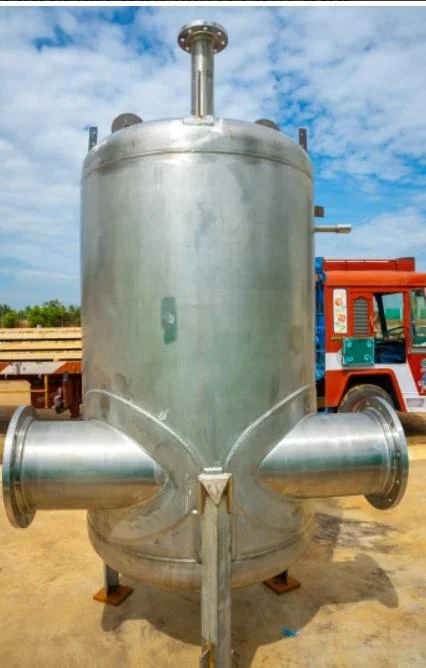
Premium Industrial Pressure Vessels For Food And Agriculture Processing
Times Automation Pvt Ltd
Flour Handling System For Biscuit Bread Rusk Food Production
Automated Sugar Handling System For Food Processing And Industrial Applications
Fully Automatic Flour Automation System For High Volume Handling
Sadas Engineering Works
Commercial Stainless Steel Sambar Milk Cooker 25L 150L Mechanical Tilting
Commercial Wet Grinder Automatic Stainless Steel Silent Operation
Automatic Papad Machine With Dual Rollers And Rotating Disc
Blue Star Automobiles (Mahila Udyojak Machinery) (Iso 9001)
Commercial Automatic Chapati Rolling Machine For High Volume Production
Commercial Kitchen High Capacity Chapati Press Machine For Puri Papad Production
Commercial Semi Automatic Chapati Rolling Machine 200 250 Rotis Per Hour
Naldehra Building Centre
Heavy Duty Bar Cutting Machine for Rebar and Rod Precision
Industrial Soya Milk Machine 100L/Hour 2HP LPG Operation
Commercial Paneer Making Machine 100kg/Hour Automated Dairy Production
Why Businesses Trust Pepagora
Thousands of companies trust Pepagora to source smarter and sell faster
Expand Your Sales Globally
25000+Products listed.Get discovered by global buyers
Tools to boost visibility
Build your own catalog

Source Smarter,Grow Faster
4000+Active RFQs
100+ Countries served
Easy Sourcing Tools
