
 IN
INundefined
Other Diagnostic Tools & Instruments
313 products available
𝗪𝗵𝗮𝘁 𝗮𝗿𝗲 𝗢𝘁𝗵𝗲𝗿 𝗗𝗶𝗮𝗴𝗻𝗼𝘀𝘁𝗶𝗰 𝗧𝗼𝗼𝗹𝘀 & 𝗜𝗻𝘀𝘁𝗿𝘂𝗺𝗲𝗻𝘁𝘀?
Other Diagnostic Tools & Instruments are specialized devices used primarily in clinical and laboratory settings to conduct various diagnostic tests. These instruments assist healthcare professionals in identifying, diagnosing, and monitoring medical conditions. They encompass a wide range of tools, from simple handheld devices to complex laboratory equipment, which are vital for effective patient care and research.
The primary uses of these diagnostic tools extend across multiple applications, including medical diagnostics, environmental testing, and industrial quality control. In healthcare, they help in the early detection of diseases and monitoring of health conditions. In industrial settings, these instruments are essential for ensuring product quality and compliance with regulatory standards. Their versatility makes them invaluable across diverse sectors.
In the current market context, the demand for Other Diagnostic Tools & Instruments is rising, driven by advancements in technology and an increasing focus on healthcare quality. The ongoing emphasis on early diagnosis and effective disease management further underscores their importance. Moreover, with the growing trend of point-of-care testing, these tools play a crucial role in enhancing accessibility to diagnostic services.
𝗞𝗲𝘆 𝗙𝗲𝗮𝘁𝘂𝗿𝗲𝘀 𝗮𝗻𝗱 𝗦𝗽𝗲𝗰𝗶𝗳𝗶𝗰𝗮𝘁𝗶𝗼𝗻𝘀
Other Diagnostic Tools & Instruments are characterized by several key features that enhance their functionality and usability. Understanding these specifications is essential for selecting the right tools for specific applications.
Key specifications include:
1. Diagnostic Accuracy
- High precision in test results
- Variability can range based on instrument type and calibration
2. User Interface
- Intuitive controls for ease of use
- Digital displays for clear reading of results
3. Portability
- Lightweight designs for easy transport
- Battery-operated options available for field use
4. Data Connectivity
- Compatibility with electronic health records
- Wireless data transfer capabilities
5. Calibration Requirements
- Regular calibration needed for accurate results
- Specific calibration intervals based on usage
6. Maintenance Needs
- Routine maintenance schedules
- Availability of replacement parts
7. Durability
- Built to withstand rigorous use
- Resistant to environmental factors
8. Safety Features
- Compliance with safety standards
- Built-in safeguards to prevent user error
In summary, understanding the key features and specifications of Other Diagnostic Tools & Instruments is crucial for making informed purchasing decisions.
𝗖𝗼𝗺𝗺𝗼𝗻 𝗔𝗽𝗽𝗹𝗶𝗰𝗮𝘁𝗶𝗼𝗻𝘀 𝗮𝗻𝗱 𝗨𝘀𝗲 𝗖𝗮𝘀𝗲𝘀
Other Diagnostic Tools & Instruments are utilized across various industries, highlighting their versatility and importance.
1. Healthcare: In hospitals and clinics, these tools are vital for diagnosing diseases, monitoring patient health, and conducting laboratory tests.
2. Environmental Testing: Instruments are used to assess air and water quality, ensuring compliance with environmental regulations.
3. Pharmaceuticals: These tools support drug development processes, from research to quality control in manufacturing.
4. Food Safety: Instruments assess food quality and safety, detecting contaminants and ensuring compliance with health standards.
5. Industrial Manufacturing: Tools are employed for quality assurance in production processes, ensuring products meet specified standards.
6. Research Laboratories: Instruments facilitate scientific research, allowing for accurate measurements and data collection.
7. Veterinary Medicine: Diagnostic tools are also essential in animal health, aiding in the diagnosis and treatment of diseases in pets and livestock.
𝗣𝗿𝗼𝗱𝘂𝗰𝘁 𝗩𝗮𝗿𝗶𝗮𝗻𝘁𝘀 𝗮𝗻𝗱 𝗦𝘂𝗯𝗰𝗮𝘁𝗲𝗴𝗼𝗿𝗶𝗲𝘀
The market for Other Diagnostic Tools & Instruments showcases a variety of options tailored to different needs. Although subcategories are not specifically available, various variants exist to cater to diverse applications.
Portable Diagnostic Kits
These kits include essential tools for on-the-go testing, ideal for fieldwork and remote locations. They are compact, user-friendly, and designed for quick diagnostics.
Laboratory Instruments
These are more complex devices used in laboratory settings for detailed analyses. They offer advanced functionality and are essential for comprehensive testing and research.
Point-of-Care Testing Devices
These instruments allow for immediate results at the site of care, enhancing patient management and facilitating timely decision-making.
𝗕𝗲𝗻𝗲𝗳𝗶𝘁𝘀 𝗮𝗻𝗱 𝗔𝗱𝘃𝗮𝗻𝘁𝗮𝗴𝗲𝘀
Investing in Other Diagnostic Tools & Instruments offers several benefits that can significantly impact operational efficiency and patient outcomes.
1. Improved Accuracy: These tools enhance diagnostic precision, reducing the likelihood of misdiagnosis and improving patient care.
2. Enhanced Efficiency: Streamlined processes allow for quicker results, leading to faster decision-making in clinical and industrial settings.
3. Versatile Usage: Their applicability across multiple sectors makes them a valuable asset for various industries.
4. Cost-Effectiveness: Investing in reliable diagnostic tools can reduce long-term operational costs associated with errors and inefficiencies.
5. Regulatory Compliance: Utilizing certified instruments helps ensure adherence to industry regulations and standards.
6. User-Friendly Design: Many tools feature intuitive interfaces, making them accessible for users with varying levels of expertise.
𝗕𝘂𝘆𝗶𝗻𝗴 𝗚𝘂𝗶𝗱𝗲 𝗳𝗼𝗿 𝗕𝟮𝗕 𝗕𝘂𝘆𝗲𝗿𝘀
When sourcing Other Diagnostic Tools & Instruments, it is essential for B2B buyers to consider several critical factors to ensure they make informed decisions.
1. Quality Assessment: Evaluate the quality of instruments based on manufacturer reputation and product reviews. Look for certifications that indicate adherence to industry standards.
2. Supplier Verification: Conduct thorough checks on suppliers to ensure reliability and trustworthiness. Verify their credentials and history in the industry.
3. Pricing and MOQ: Understand the pricing structure and minimum order quantities. Compare costs among suppliers while considering quality and service.
4. Delivery and Lead Times: Assess lead times for delivery to ensure they meet your operational needs. Consider logistics and potential delays.
5. Compliance Requirements: Ensure that selected instruments comply with relevant regulations and standards in your industry. This is crucial for legal and operational reasons.
𝗖𝗼𝗺𝗽𝗹𝗶𝗮𝗻𝗰𝗲 𝗮𝗻𝗱 𝗖𝗲𝗿𝘁𝗶𝗳𝗶𝗰𝗮𝘁𝗶𝗼𝗻𝘀
Compliance with quality standards and certifications is vital for the integrity of Other Diagnostic Tools & Instruments. The most relevant standards include ISO 9001, which ensures quality management systems are in place. Additionally, HACCP principles may apply in contexts where food safety is a concern.
In the medical field, CE certification is crucial, indicating that the product meets European safety, health, and environmental protection standards. This certification is recognized globally and enhances marketability.
Safety and testing requirements are fundamental to ensuring that instruments function correctly and safely. Manufacturers must adhere to established protocols to guarantee product reliability.
Regional compliance considerations may vary, necessitating an understanding of local regulations. Buyers should be aware of the specific compliance requirements relevant to their geographic location.
𝗪𝗵𝘆 𝗦𝗼𝘂𝗿𝗰𝗲 𝗢𝘁𝗵𝗲𝗿 𝗗𝗶𝗮𝗴𝗻𝗼𝘀𝘁𝗶𝗰 𝗧𝗼𝗼𝗹𝘀 & 𝗜𝗻𝘀𝘁𝗿𝘂𝗺𝗲𝗻𝘁𝘀 𝗳𝗿𝗼𝗺 𝗣𝗲𝗽𝗮𝗴𝗼𝗿𝗮?
Pepagora stands out as a trusted platform for sourcing Other Diagnostic Tools & Instruments, offering numerous advantages to B2B buyers.
Verified Supplier Network: Pepagora maintains a stringent verification process for suppliers, ensuring only reliable vendors are featured on the platform. This builds trust and confidence among buyers.
Streamlined RFQ Process: The request for quotation (RFQ) system simplifies the procurement process. Buyers can easily obtain quotes from multiple suppliers, facilitating informed decision-making.
Trade Assurance and Support: Pepagora offers trade assurance, protecting buyers against potential risks in transactions. Support services are available to assist throughout the purchasing process.
Regional Coverage: With a strong presence in India, GCC, and Southeast Asia, Pepagora provides extensive geographic reach, making it easier for buyers to source products tailored to their regional needs.
Newly Added


















Recently Added
Associated Surgical Co
Premium Diagnostics Instruments For Clinics Labs And Hospitals
Medicon Gynecology Instruments For OB/GYN Professionals And Hospitals
Premium Intestinal And Stomach Surgical Instruments For Hospitals And Clinics
Beetta Instruments & Equipment Co.
Histology Labs Premium Rotary Microtome For Precise Tissue Sectioning
Premium Sledge Microtomes For Histology And Pathology Labs
High Precision Freezing Microtomes For Cryosectioning In Labs
Hari Om Scientific Traders
Lab Moisture Balance for Food, Pharma, and Quality Control Analysis
Industrial Microbiology Lab OEM Colony Counter With Tough Construction
Premium Laboratory Distillation Apparatus for Precise Separation and Purification
Abhijeet Enterprise
Warehouse Gravity Roller Conveyor for Manual Material Handling
Industrial Printing Machines For Packaging Textiles Commercial
Hi Tech Engineers Elevator Chains Conveyor Belts Industrial Material Handling
Harsh Electronics
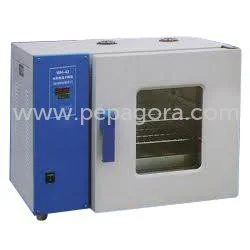
Industrial Hot Air Oven Forced Air Circulation Uniform Temperature
Industrial PID Hot Air Oven For Drying Sterilization Heat Treatment
MCB Test Apparatus 28 Days Digital Meter IS:8828 1996 6 63 Amp
Plantech Medical Systems Pvt Ltd
Ophthalmic Refraction Unit CS 04 M Motorized Lens Tray Eye Exam
Ophthalmic Refraction Unit For Precise Eye Exams And Diagnostics
Ophthalmic Refraction Unit for Accurate Eye Exams and Vision Testing
Prabhat Udyog
Premium Bulk Soya Products Exporter High Protein Milk Cake Sauce Beans
Premium Export Quality Totapuri Alphonso Mango Pulp For Food Manufacturers
Premium Indian Organic Black Green Orthodox Tea Bulk Supply
Bangalore Fine Chem
Premium Laboratory Reagents For Diagnostic Testing And Pathological Analysis
Laboratory Borosilicate Glassware Heat Resistant Chemically Durable
Food Grade Starches: Maize, Potato, Rice, Wheat Variants
Manthan
CE Approved Supralimus Stent With Sirolimus For Coronary Artery Disease
Supralimus Core Sirolimus Eluting Coronary Stent System For Cardiovascular Interventions
Professional Healthcare Optium Xceed Glucometer Blood Glucose Ketone Monitor
Pooja Scientific Instruments
Industrial High Temperature Muffle Furnace 1400C Digital Control
Digital Bomb Calorimeter for Coal Biofuels Chemicals Testing
Industrial Digital Colony Counter for Microbial Counting OEM Supply
Why Businesses Trust Pepagora
Thousands of companies trust Pepagora to source smarter and sell faster
Expand Your Sales Globally
25000+Products listed.Get discovered by global buyers
Tools to boost visibility
Build your own catalog

Source Smarter,Grow Faster
4000+Active RFQs
100+ Countries served
Easy Sourcing Tools
