
 IN
INundefined
Other Conveyors & Material Handling Systems
209 products available
𝗪𝗵𝗮𝘁 𝗮𝗿𝗲 𝗢𝘁𝗵𝗲𝗿 𝗖𝗼𝗻𝘃𝗲𝘆𝗼𝗿𝘀 & 𝗠𝗮𝘁𝗲𝗿𝗶𝗮𝗹 𝗛𝗮𝗻𝗱𝗹𝗶𝗻𝗴 𝗦𝘆𝘀𝘁𝗲𝗺𝘀?
Other Conveyors & Material Handling Systems refer to a diverse range of equipment designed to move products, materials, or components efficiently within a facility. These systems are essential in streamlining operations, reducing manual labor, and enhancing productivity. They encompass various conveyor types and material handling solutions that can be tailored to meet specific industry needs.
These systems find applications in multiple sectors, including manufacturing, logistics, food processing, and pharmaceuticals. Businesses utilize them for tasks like transporting bulk materials, packaging items, and storing products. By automating these processes, companies can achieve consistency, improve safety, and reduce operational costs. The relevance of Other Conveyors & Material Handling Systems is underscored by their ability to adapt to evolving industry demands and technological advancements.
𝗞𝗲𝘆 𝗙𝗲𝗮𝘁𝘂𝗿𝗲𝘀 𝗮𝗻𝗱 𝗦𝗽𝗲𝗰𝗶𝗳𝗶𝗰𝗮𝘁𝗶𝗼𝗻𝘀
Other Conveyors & Material Handling Systems come equipped with various features designed to enhance performance and efficiency. Understanding these specifications is crucial for selecting the right system for your business needs.
Key specifications include:
1. Load Capacity
- This specification indicates the maximum weight the system can handle.
- Typical ranges vary based on the type of conveyor, from lightweight products to heavy materials.
2. Speed
- This defines how quickly materials can be transported along the conveyor.
- Speeds can range from a few feet per minute to several hundred feet per minute.
3. Material Construction
- Conveyors are made from materials such as steel, aluminum, or plastic.
- The choice of material affects durability and suitability for specific environments.
4. Drive Type
- Systems may feature belt-driven, chain-driven, or gravity-driven designs.
- Each type offers distinct advantages depending on the application.
5. Dimensions
- The size and layout of the conveyor system must fit the operational area.
- Dimensions can be customized to optimize space utilization.
6. Control Systems
- Many conveyors integrate automated control systems for operation.
- These can include sensors for monitoring and adjusting flow rates.
7. Safety Features
- Safety mechanisms such as emergency stop buttons and guards are vital.
- These features help prevent accidents and ensure compliance with regulations.
8. Maintenance Requirements
- Understanding the maintenance needs is crucial for longevity.
- Some systems require regular lubrication, while others may need minimal upkeep.
In summary, evaluating these specifications helps businesses choose the right Other Conveyors & Material Handling Systems for their operational requirements.
𝗖𝗼𝗺𝗺𝗼𝗻 𝗔𝗽𝗽𝗹𝗶𝗰𝗮𝘁𝗶𝗼𝗻𝘀 𝗮𝗻𝗱 𝗨𝘀𝗲 𝗖𝗮𝘀𝗲𝘀
Other Conveyors & Material Handling Systems are versatile and serve multiple industries effectively.
1. Manufacturing: In manufacturing environments, these systems are used to transport raw materials and finished products along assembly lines, optimizing workflow and efficiency.
2. Logistics: Warehousing and distribution centers utilize conveyors to streamline sorting and packaging processes, enabling quick and accurate order fulfillment.
3. Food Processing: In the food industry, conveyors assist in moving items through various stages of production, from washing to packaging, ensuring hygiene and efficiency.
4. Pharmaceuticals: These systems are critical in pharmaceutical facilities for transporting sensitive materials and ensuring compliance with stringent safety standards.
5. Automotive: In automotive production, conveyors facilitate the movement of parts and assemblies, supporting just-in-time manufacturing processes.
6. Retail: Retailers use conveyor systems for efficient checkout processes, moving items from the storage area to the sales floor seamlessly.
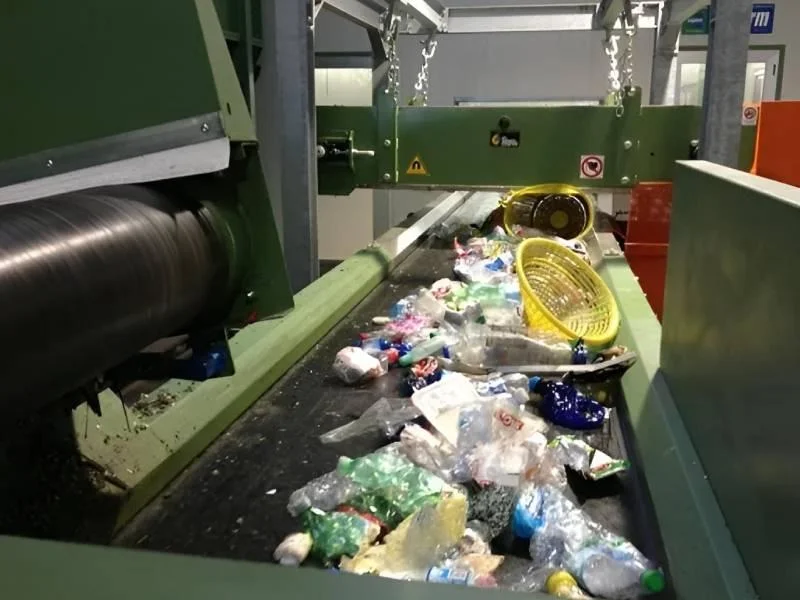
7. Recycling: In recycling plants, conveyors help sort and transport recyclable materials, improving operational efficiency and sustainability.
𝗣𝗿𝗼𝗱𝘂𝗰𝘁 𝗩𝗮𝗿𝗶𝗮𝗻𝘁𝘀 𝗮𝗻𝗱 𝗦𝘂𝗯𝗰𝗮𝘁𝗲𝗴𝗼𝗿𝗶𝗲𝘀
The diversity of Other Conveyors & Material Handling Systems allows for various configurations and setups to address specific operational needs.
Belt Conveyors
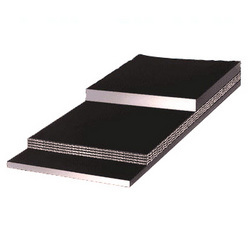
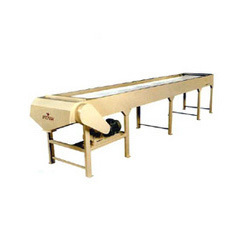
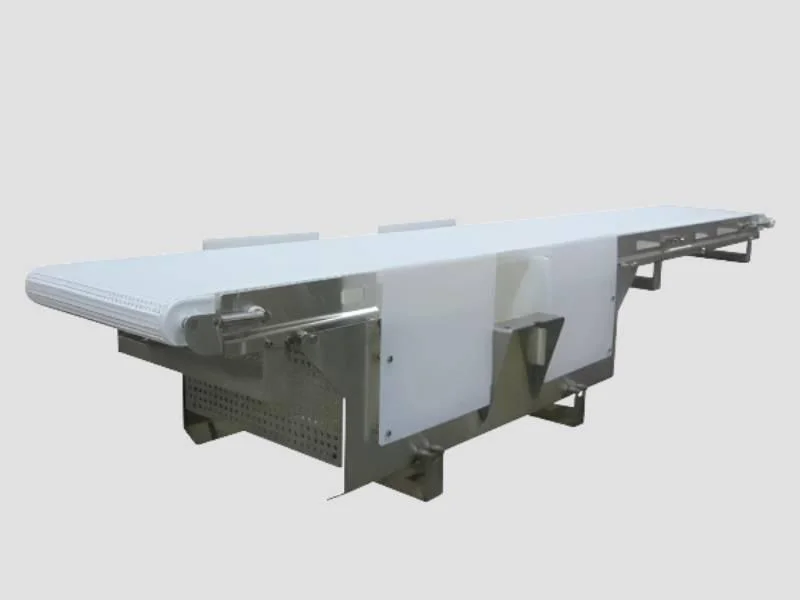
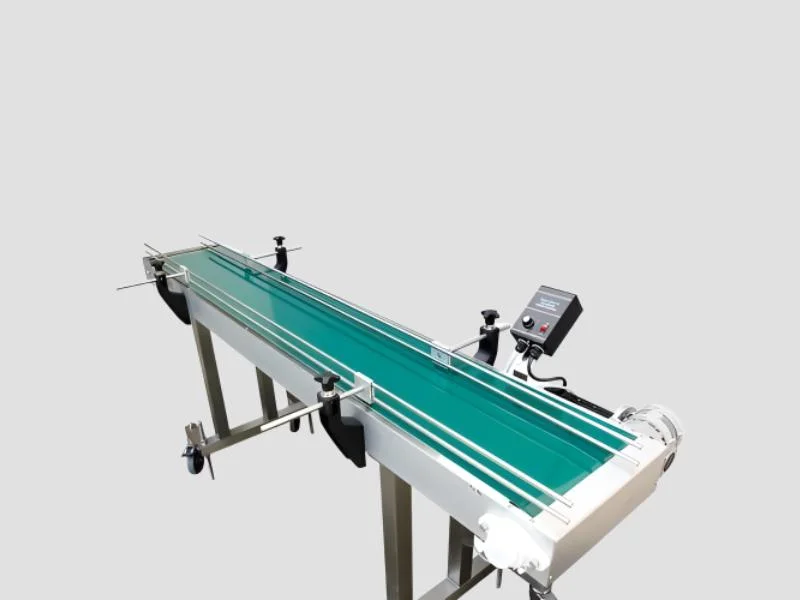
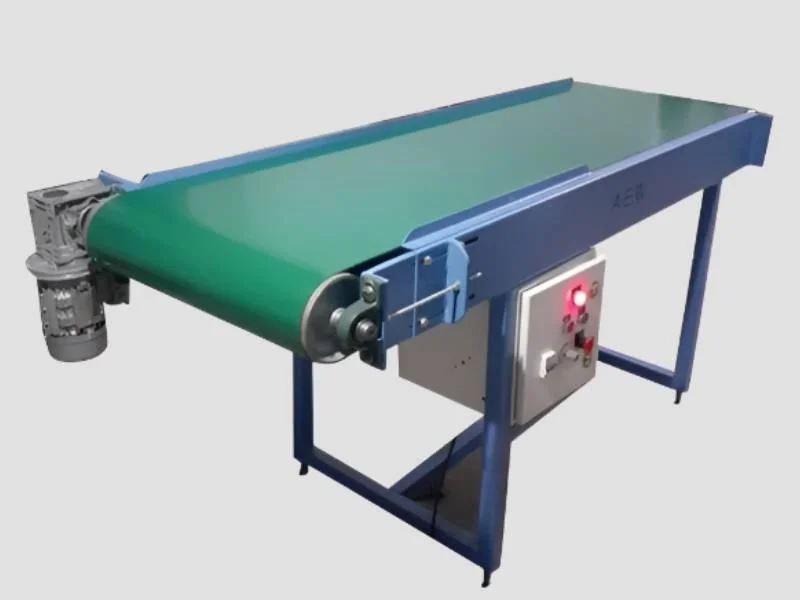
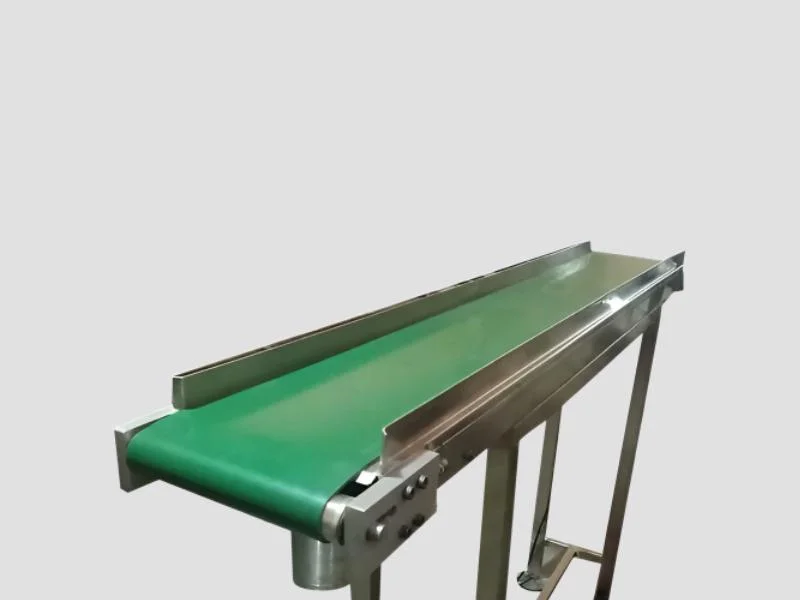
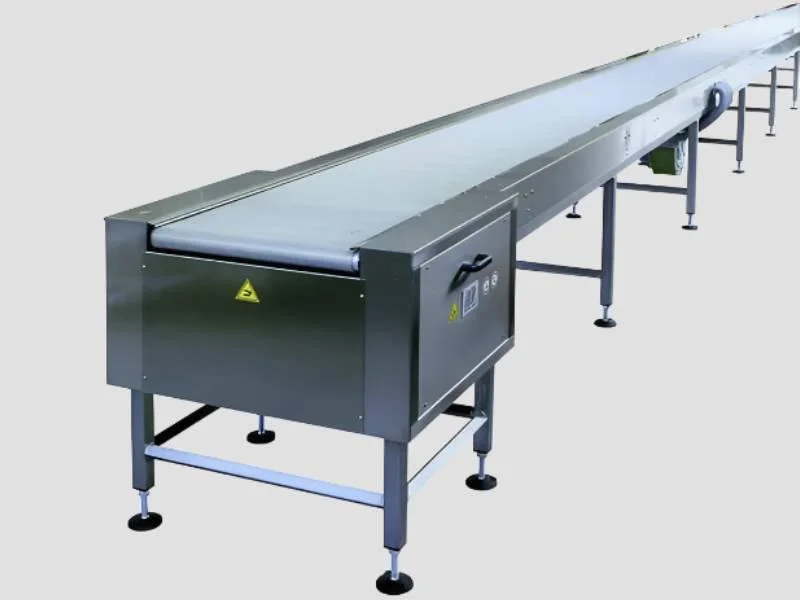
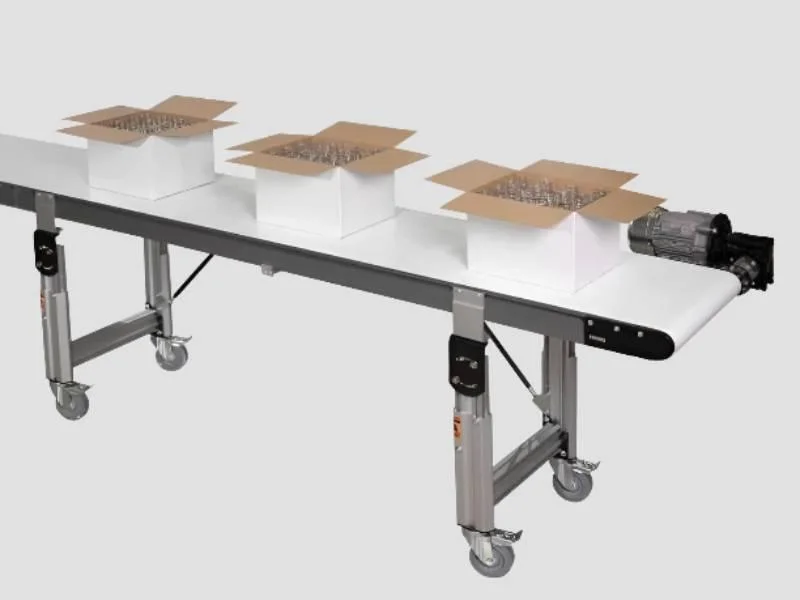
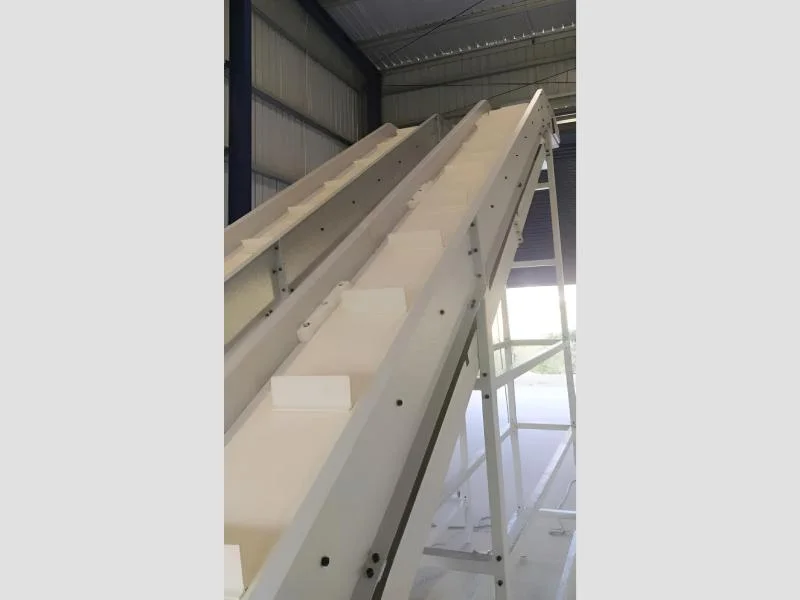
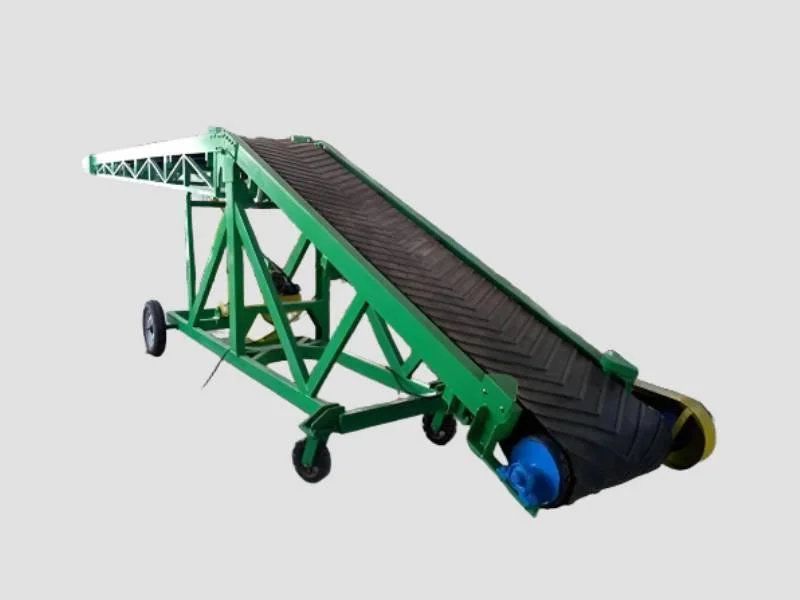
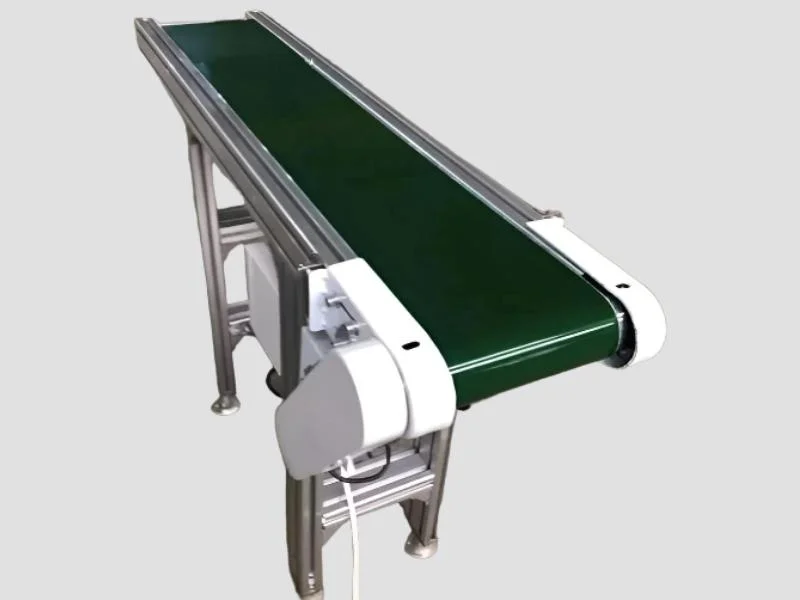
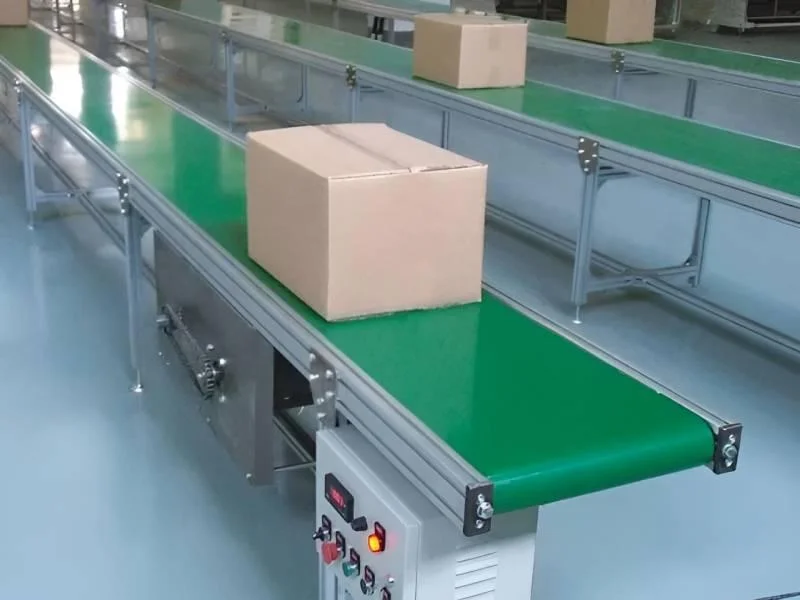
Belt conveyors are widely used for transporting materials over long distances in a continuous manner. They can handle a variety of materials, from granular substances to large packages, making them versatile for different applications.
Roller Conveyors
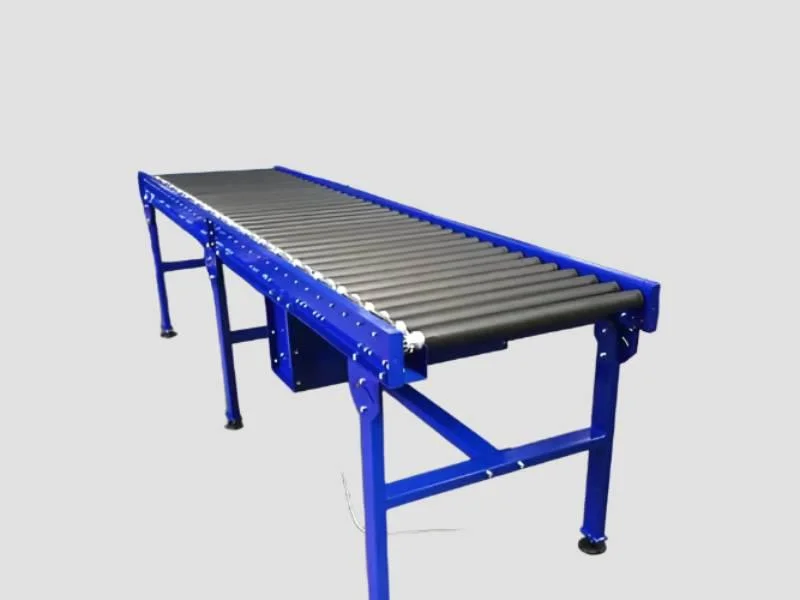
These systems utilize rollers to allow items to move along the conveyor with minimal effort. They are ideal for heavy loads and are often used in warehouses and distribution centers for sorting and transporting packages.
Chain Conveyors
Chain conveyors are designed for heavy-duty applications and are particularly effective in moving large or bulky items. They are commonly found in manufacturing environments where durability and strength are essential.
Pneumatic Conveyors
These systems utilize air pressure to transport materials through tubes. They are especially useful for moving powders and granules in industries such as food processing and pharmaceuticals.
𝗕𝗲𝗻𝗲𝗳𝗶𝘁𝘀 𝗮𝗻𝗱 𝗔𝗱𝘃𝗮𝗻𝘁𝗮𝗴𝗲𝘀
Investing in Other Conveyors & Material Handling Systems provides numerous benefits to organizations.
1. Increased Efficiency: These systems automate material transport, reducing time and labor costs associated with manual handling.
2. Enhanced Safety: By minimizing manual handling, conveyors reduce the risk of workplace injuries, making operations safer for employees.
3. Improved Accuracy: Automated systems decrease the likelihood of human error, leading to more accurate inventory management and order fulfillment.
4. Flexibility: Conveyors can be customized to meet specific operational requirements, making them suitable for various industries and applications.
5. Cost Savings: Streamlined operations lead to reduced operational costs over time, providing significant returns on investment.
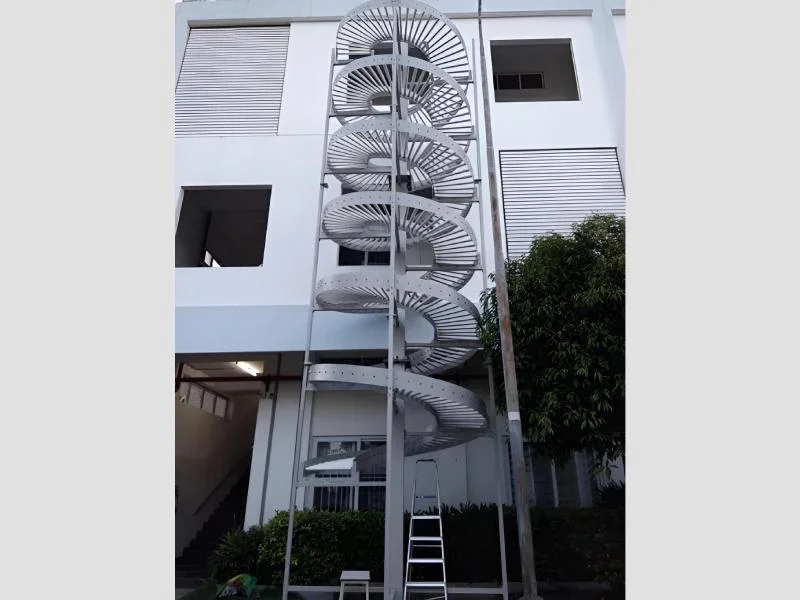
6. Space Optimization: Many conveyor systems are designed to utilize vertical space, allowing for more efficient warehouse layouts.
𝗕𝘂𝘆𝗶𝗻𝗴 𝗚𝘂𝗶𝗱𝗲 𝗳𝗼𝗿 𝗕𝟮𝗕 𝗕𝘂𝘆𝗲𝗿𝘀
When considering Other Conveyors & Material Handling Systems, several factors should be evaluated to ensure the right choice for your business.
1. Quality Assessment: Look for systems that meet established quality standards. Evaluate materials, construction quality, and overall durability to ensure reliable performance.
2. Supplier Verification: Vet potential suppliers by checking references and industry certifications. A verified supplier network can provide peace of mind regarding product quality.
3. Pricing and MOQ: Understand the pricing structure and minimum order quantities. This helps in budgeting and ensures that the investment aligns with business needs.
4. Delivery and Lead Times: Assess logistical capabilities, including delivery schedules and lead times. Timely delivery is crucial to avoid operational disruptions.
5. Compliance Requirements: Be aware of industry-specific regulations and certifications, such as CE marking, to ensure that the systems meet necessary compliance criteria.
𝗖𝗼𝗺𝗽𝗹𝗶𝗮𝗻𝗰𝗲 𝗮𝗻𝗱 𝗖𝗲𝗿𝘁𝗶𝗳𝗶𝗰𝗮𝘁𝗶𝗼𝗻𝘀
Other Conveyors & Material Handling Systems must adhere to various quality standards and certifications to ensure safe and effective operation.
Relevant quality standards include ISO 9001, which establishes guidelines for quality management systems, helping organizations enhance customer satisfaction through effective process management.
Industry certifications such as CE mark indicate compliance with European health, safety, and environmental protection standards. These certifications are crucial for manufacturers and suppliers aiming to operate in global markets.
Safety and testing requirements ensure that conveyor systems are designed with employee safety in mind. Regular testing and maintenance are essential to maintain compliance with safety regulations.
Regional compliance considerations may differ based on local laws and regulations. Companies must be aware of these variations to ensure adherence to all applicable standards.
𝗪𝗵𝘆 𝗦𝗼𝘂𝗿𝗰𝗲 𝗢𝘁𝗵𝗲𝗿 𝗖𝗼𝗻𝘃𝗲𝘆𝗼𝗿𝘀 & 𝗠𝗮𝘁𝗲𝗿𝗶𝗮𝗹 𝗛𝗮𝗻𝗱𝗹𝗶𝗻𝗴 𝗦𝘆𝘀𝘁𝗲𝗺𝘀 𝗳𝗿𝗼𝗺 𝗣𝗲𝗽𝗮𝗴𝗼𝗿𝗮?
Pepagora provides a trusted platform for sourcing Other Conveyors & Material Handling Systems with several key advantages.
Verified Supplier Network: Pepagora connects buyers with a network of verified suppliers, ensuring that all products meet quality and safety standards. This verification process gives buyers confidence in their purchasing decisions.
Streamlined RFQ Process: The Request for Quotation (RFQ) system simplifies the procurement process. Buyers can easily compare quotes from multiple suppliers to find the best fit for their needs.
Trade Assurance and Support: Pepagora offers trade assurance, providing buyer protection throughout the purchasing process. This support helps mitigate risks associated with sourcing equipment.
Regional Coverage: With a strong presence in India, the GCC, and Southeast Asia, Pepagora facilitates access to a diverse range of suppliers and products across these regions. This extensive coverage enables businesses to find local solutions tailored to their operational needs.
Newly Added





Recently Added
Fluid Flow Systems
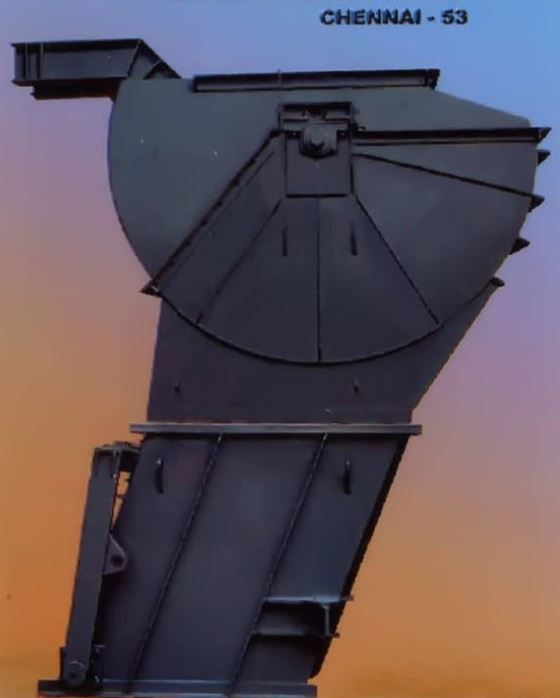
Industrial Stainless Steel Hopper For Material Handling OEM
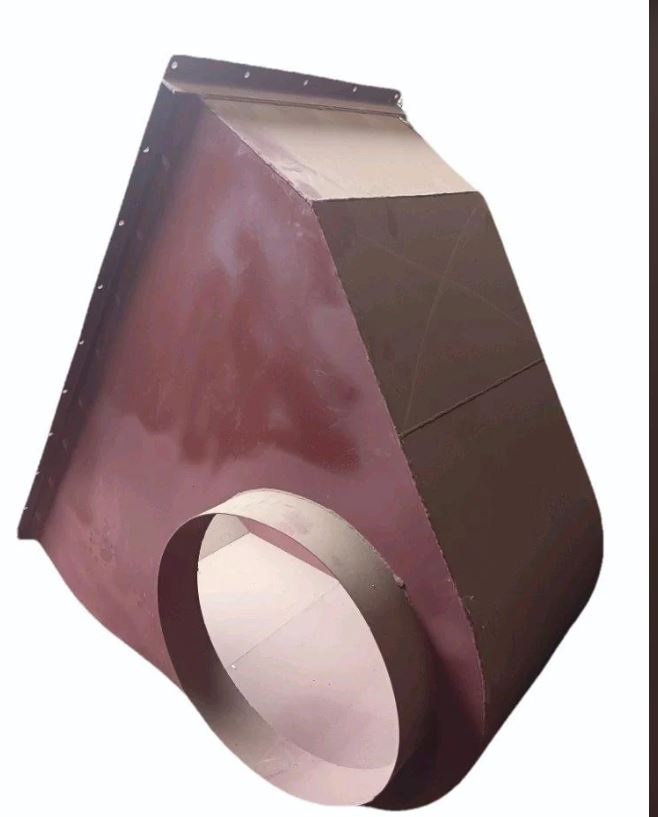
Industrial Metal Blower Panel For Ventilation And Cooling
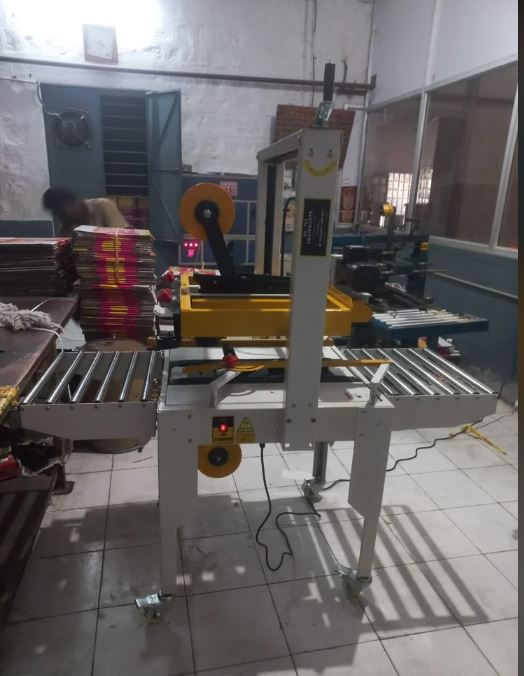
Industrial Packaging Conveyor System For Coal Mining Metal OEM
Malabar Extrusion
Industrial Aluminum Extrusion Machines For Precision Manufacturing
Industrial Aluminium Extrusions Machinery High Reliability Precision Equipment
Industrial Precision Billet Cutting Machine For Metalworking
Hertz Controls (India) Pvt Ltd
Fully Automatic Cut To Length Line For High Volume Metal Fabrication
Industrial Metal Processing High Speed Cut To Length Line 1600mm Width
Industrial Shearing Machines For Precise Metal Cutting And Durability
Industrial Equipments
Industrial Heat Exchangers In MS SS304 SS316 SS316L Horizontal Vertical Coil
Industrial Extraction Manifolds For Multiple Transducers Supply
Industrial Double Cone Rotary Vacuum Dryer For Pharmaceuticals Chemicals Food
Vijaya Medi Tech
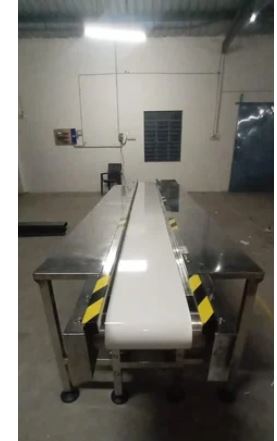
Industrial Conveyor Belts For Material Handling In Factories And Warehouses
Industrial Lense Trolleys For Ground Handling In Warehouses And Logistics
Industrial Chemical Resistant Trolleys For Heavy Duty Material Handling
Omega Equipment And Projects
Industrial Cleated Belt Conveyors For High Incline Material Handling
Steep Angle Sidewall Cleated Conveyor For Bulk Material Transport
Heavy Duty Roller Conveyors For Logistics And Manufacturing
National Hydraulics
Warehouse Semi Electric Hydraulic Order Picker For Vertical Lifting
Industrial Hydraulic Drum Lifter Tilter Shifter For Safe Heavy Handling
Industrial Hydraulic Drum Carrier For Safe Lifting And Stacking
Precision Instruments & Allieds
Industrial Induction Heater PIH 2004 700kg Capacity Heavy Duty
Industrial Induction Heater PIH 2004 High Capacity Precision Heating
Industrial Precision Induction Heater 430kg BOOSTUP Swing Arm
Hello Cranes
Crawler Cranes 20 150 Tons For Construction And Infrastructure Projects
Telescopic Crane Rental For Heavy Lifting And Precision Placement
Mobile Crane Rental 8 200 Ton For Construction Industrial Projects
Padmanaban Engineering Industries
Industrial Rotary Siever For Material Grading And Separation
Premium Tube Conveyor Systems For Hygienic Material Handling
Heavy Duty Bucket Elevator For Vertical Material Handling High Capacity
Why Businesses Trust Pepagora
Thousands of companies trust Pepagora to source smarter and sell faster
Expand Your Sales Globally
25000+Products listed.Get discovered by global buyers
Tools to boost visibility
Build your own catalog

Source Smarter,Grow Faster
4000+Active RFQs
100+ Countries served
Easy Sourcing Tools
