
 IN
INundefined
Other Construction Machinery
241 products available
𝗪𝗵𝗮𝘁 𝗮𝗿𝗲 𝗢𝘁𝗵𝗲𝗿 𝗖𝗼𝗻𝘀𝘁𝗿𝘂𝗰𝘁𝗶𝗼𝗻 𝗠𝗮𝗰𝗵𝗶𝗻𝗲𝗿𝘆?
Other construction machinery encompasses a wide range of equipment used in construction projects beyond traditional machines like excavators and bulldozers. It includes specialized tools and machines that enhance efficiency and productivity at construction sites. These machines are designed to perform specific tasks such as lifting, transporting, or compacting materials, making them essential for various construction activities.
These machines find primary use in sectors such as civil engineering, commercial construction, and infrastructure development. They can be employed for tasks such as site preparation, demolition, material handling, and road construction. The relevance of other construction machinery in the industry is significant, as they help in completing projects on time and within budget, thereby contributing to overall project success.
𝗞𝗲𝘆 𝗙𝗲𝗮𝘁𝘂𝗿𝗲𝘀 𝗮𝗻𝗱 𝗦𝗽𝗲𝗰𝗶𝗳𝗶𝗰𝗮𝘁𝗶𝗼𝗻𝘀
Other construction machinery is characterized by a variety of features and specifications tailored to meet the diverse needs of construction projects. Understanding these specifications is crucial for selecting the right machinery for specific applications.
Key specifications include:
1. Operating Weight
- Indicates the overall weight of the machine, affecting stability and transportation.
- Typically ranges from several hundred kilograms to several tons.
2. Engine Power
- Represents the horsepower or kilowatts produced by the engine, influencing performance.
- Commonly ranges from 20 kW to over 200 kW.
3. Load Capacity
- Refers to the maximum weight the machine can handle safely.
- Can vary widely based on the type of machinery, often from 500 kg to several tons.
4. Maximum Reach
- Defines the farthest distance the machine can operate effectively.
- Can range from a few meters to over 15 meters, depending on the equipment.
5. Fuel Efficiency
- Measures the machine's fuel consumption relative to its output.
- Generally expressed in liters per hour or gallons per hour.
6. Operational Speed
- Indicates how quickly the machine can perform its tasks.
- Varies significantly based on the type of machinery, usually measured in meters per minute or revolutions per minute.
7. Safety Features
- Includes mechanisms designed to protect operators and bystanders.
- Common features are emergency stop buttons, seat belts, and rollover protection systems.
8. Maintenance Requirements
- Outlines the necessary upkeep to ensure optimal performance.
- Typically includes regular oil changes, filter replacements, and inspections.
In summary, understanding the key features and specifications of other construction machinery is essential for making informed purchasing decisions that align with project requirements.
𝗖𝗼𝗺𝗺𝗼𝗻 𝗔𝗽𝗽𝗹𝗶𝗰𝗮𝘁𝗶𝗼𝗻𝘀 𝗮𝗻𝗱 𝗨𝘀𝗲 𝗖𝗮𝘀𝗲𝘀
Other construction machinery serves various industries, enhancing operational efficiency and safety.
1. Civil Engineering: These machines are crucial for tasks like earthmoving, grading, and compacting soil during the construction of roads, bridges, and tunnels.
2. Commercial Construction: Equipment such as cranes and lifts are used to handle heavy materials, facilitating the construction of high-rise buildings and large commercial spaces.
3. Infrastructure Development: Machinery such as asphalt pavers and concrete mixers play a vital role in developing and maintaining transportation networks, including roads and highways.
4. Mining: Specialized machinery is employed for extracting minerals and resources, ensuring effective material handling and processing.
5. Landscaping: Tools like skid-steer loaders and compactors are essential for site preparation, grading, and the installation of landscaping features.
6. Demolition: Other construction machinery is often utilized for safely dismantling structures and clearing debris from sites.
7. Utility Work: Equipment such as trenchers and directional drills is used for installing pipelines and electrical lines, ensuring efficient utility services.
𝗣𝗿𝗼𝗱𝘂𝗰𝘁 𝗩𝗮𝗿𝗶𝗮𝗻𝘁𝘀 𝗮𝗻𝗱 𝗦𝘂𝗯𝗰𝗮𝘁𝗲𝗴𝗼𝗿𝗶𝗲𝘀
The diversity of other construction machinery allows for various types and configurations tailored to specific applications.
Excavators
Excavators are versatile machines used for digging, lifting, and moving earth. They come in different sizes and configurations, making them suitable for projects ranging from small landscaping jobs to large-scale construction sites.
Cranes
Cranes are essential for lifting and moving heavy materials to higher elevations. They can be mobile or stationary and are used in various construction scenarios, including building tall structures and facilitating heavy load transport.
Compactors
Compactors are used to compress materials such as soil and asphalt, ensuring a solid foundation for construction. They are vital in road construction and site preparation, providing the necessary density for stability.
Telehandlers
Telehandlers combine the features of a forklift and a crane, allowing for lifting and moving materials at various heights. They are commonly used in warehouse operations and construction sites requiring versatile material handling.
𝗕𝗲𝗻𝗲𝗳𝗶𝘁𝘀 𝗮𝗻𝗱 𝗔𝗱𝘃𝗮𝗻𝘁𝗮𝗴𝗲𝘀
Investing in other construction machinery provides considerable advantages for construction projects.
1. Increased Efficiency: These machines streamline operations, allowing tasks to be completed faster than manual methods.
2. Enhanced Safety: Modern construction machinery is equipped with safety features that reduce the risk of accidents and injuries on-site.
3. Versatility: Other construction machinery can be adapted for various applications, making them valuable for different projects.
4. Cost Savings: By improving productivity and reducing labor costs, these machines can lead to significant savings over time.
5. Better Quality Work: Advanced machinery ensures more precise and consistent results, leading to higher quality construction.
6. Reduced Environmental Impact: Many machines are designed to be more fuel-efficient and environmentally friendly, minimizing the carbon footprint of construction activities.
𝗕𝘂𝘆𝗶𝗻𝗴 𝗚𝘂𝗶𝗱𝗲 𝗳𝗼𝗿 𝗕𝟮𝗕 𝗕𝘂𝘆𝗲𝗿𝘀
When sourcing other construction machinery, several factors should be taken into account to ensure an informed purchase.
1. Quality Assessment: Evaluate the materials and construction of the machinery. Look for reputable manufacturers and consider machinery that complies with industry standards.
2. Supplier Verification: Vet potential suppliers by checking their credentials, customer reviews, and service history. Reliable suppliers should have a proven track record in the industry.
3. Pricing and MOQ: Understand the price range for the machinery you need and inquire about minimum order quantities. Balance cost with quality to ensure value for your investment.
4. Delivery and Lead Times: Discuss logistics with suppliers to determine delivery times and ensure that machinery arrives when needed for your project.
5. Compliance Requirements: Familiarize yourself with any relevant regulations and standards that apply to the machinery in your region to ensure compliance and avoid issues.
𝗖𝗼𝗺𝗽𝗹𝗶𝗮𝗻𝗰𝗲 𝗮𝗻𝗱 𝗖𝗲𝗿𝘁𝗶𝗳𝗶𝗰𝗮𝘁𝗶𝗼𝗻𝘀
Compliance with industry standards and certifications is essential for ensuring the safety and reliability of other construction machinery.
Relevant quality standards such as ISO 9001 ensure that manufacturers adhere to quality management principles, resulting in consistent product quality. Additionally, certifications like CE indicate compliance with European safety and environmental requirements.
Safety and testing requirements are critical for machinery to operate effectively and safely. This includes rigorous testing protocols to ensure that machines can withstand operational stresses and hazards.
Regional compliance considerations may vary based on local laws and regulations. Buyers should ensure that the machinery meets all requirements for the regions in which they operate.
𝗪𝗵𝘆 𝗦𝗼𝘂𝗿𝗰𝗲 𝗢𝘁𝗵𝗲𝗿 𝗖𝗼𝗻𝘀𝘁𝗿𝘂𝗰𝘁𝗶𝗼𝗻 𝗠𝗮𝗰𝗵𝗶𝗻𝗲𝗿𝘆 𝗳𝗿𝗼𝗺 𝗣𝗲𝗽𝗮𝗴𝗼𝗿𝗮?
Pepagora provides a trusted platform for sourcing other construction machinery with several key advantages.
Verified Supplier Network: Pepagora connects buyers with a network of verified suppliers, ensuring that they are dealing with reputable sources. This verification process helps mitigate risks associated with purchasing machinery.
Streamlined RFQ Process: The platform offers an efficient request for quotation (RFQ) system, facilitating quick and easy comparisons of prices and specifications across multiple suppliers.
Trade Assurance and Support: Buyers benefit from trade assurance programs that protect their purchases. Pepagora provides support throughout the procurement process, addressing any concerns that may arise.
Regional Coverage: With a strong presence in India, the GCC, and Southeast Asia, Pepagora ensures that buyers have access to a wide range of machinery options tailored to their specific regional needs. This geographical reach enhances convenience and accessibility for buyers seeking reliable construction machinery.
Newly Added





Recently Added
Mammon Furnace & Fabricatiors Co
Industrial Cupola Furnace For Foundries Melting Iron Alloys Efficient Durable
Ladle Furnace For Precise Temperature Control In Molten Steel Processing
Industrial Paper Board Mill Machine For High Volume Production
Moris Industries
Road Construction Asphalt Wet Mix Paver Finisher For Highways
Road Construction Semi Hydro Paver Finisher For Asphalt Laying
Moris Hydrostatic Asphalt Paver Finisher with Extendable Screed
Naldehra Building Centre
Heavy Duty Bar Cutting Machine for Rebar and Rod Precision
Industrial Soya Milk Machine 100L/Hour 2HP LPG Operation
Commercial Paneer Making Machine 100kg/Hour Automated Dairy Production
Kwality Engineering Works
Industrial Hydraulic Automatic Keyway Milling Machine For Precision Cutting
Industrial Hydraulic Keyway Milling Machine Mini Master 2230 Precision Cutting
Industrial CNC Keyway Milling Machine For Precision Crankshafts
Vishwakarma Engineering Works
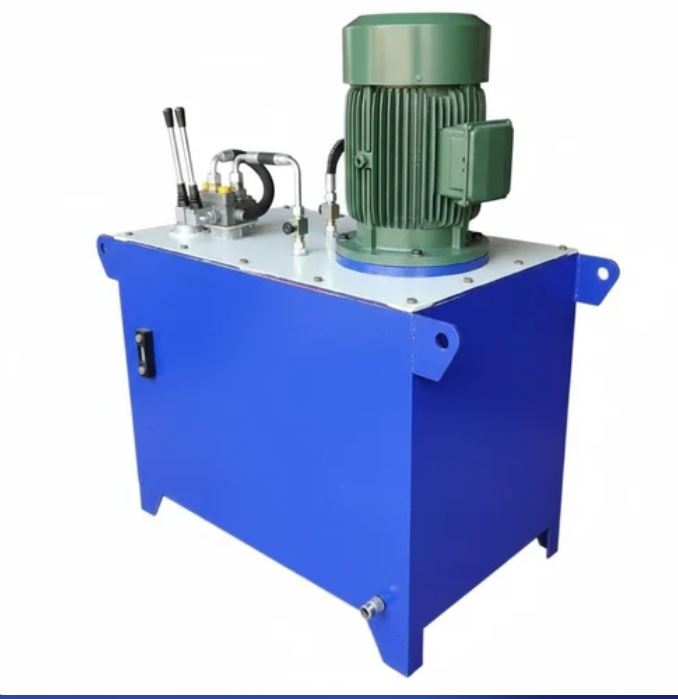
Automatic Hydraulic Press With PLC Control For Paver Production
Industrial Hydraulic Press For Mosaic Tiles 375mm x 375mm 5 HP
Industrial Mosaic Tile Production Heavy Duty Oil Hydraulic Press 450mm x 450mm
Prashant Nishant Industries
Industrial Section Straightener Machine For Beams Bars Metal Profiles
Industrial Section Profiling Machines For Metal Forming And Construction
Industrial Automatic Roll Forming Machine 50 100 HP 15 20 M/Min
Lakshmi And Co Group Of Companies
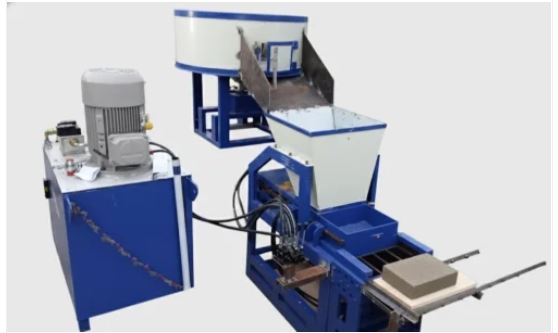
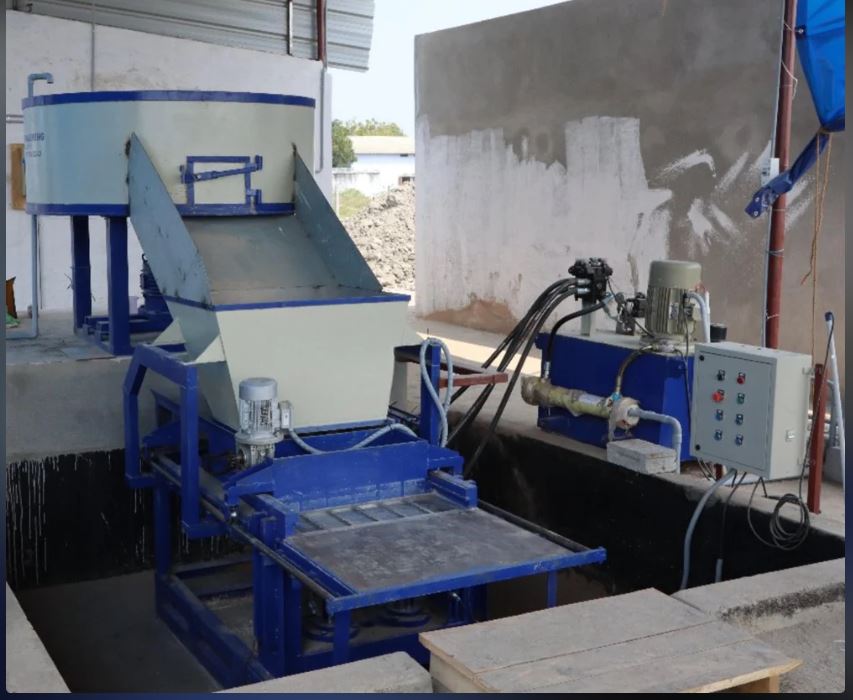
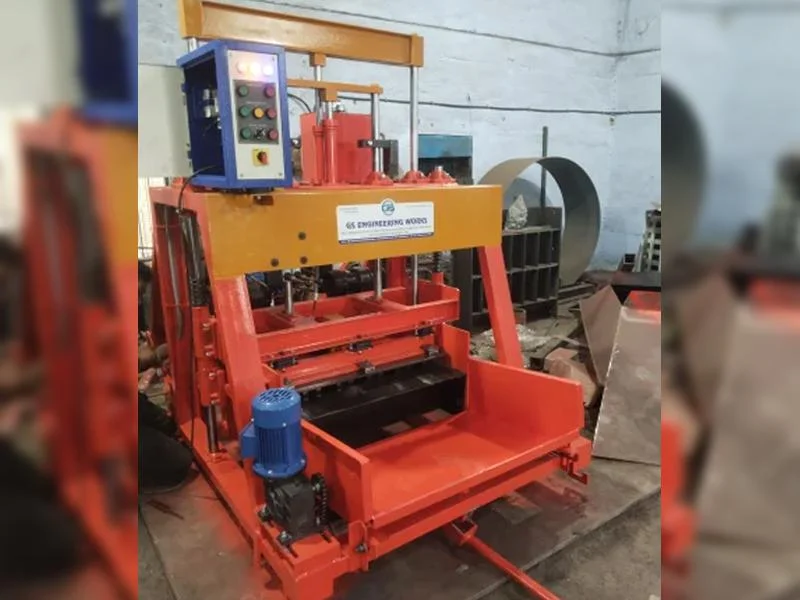
Automatic Stabilised Soil Block Making Machine For Eco Friendly Construction
Automated Brick Making Machine With Free Will System For Construction
Automatic Flyash Brick Machine For High Volume Production
Hindustan Enterprises
Tower Crane Concrete Bucket Heavy Duty 0.2L To 6CUM For High Rise Construction
Hindustan Enterprises Premium Banana Type Concrete Buckets For Tower Cranes
Construction Side Discharge Concrete Bucket For Column Filling
Grain Tech Engineers & Consultants
Industrial Wheat Dampening Machine For Flour Milling And Moisture Control
Professional Baking Mini Flour Sifters For Lump Free Mixing
Industrial Reel Machine For Flour And Dal Milling Pre Cleaning
Lakshmi Narayan Mechanical Engineering Pvt Ltd
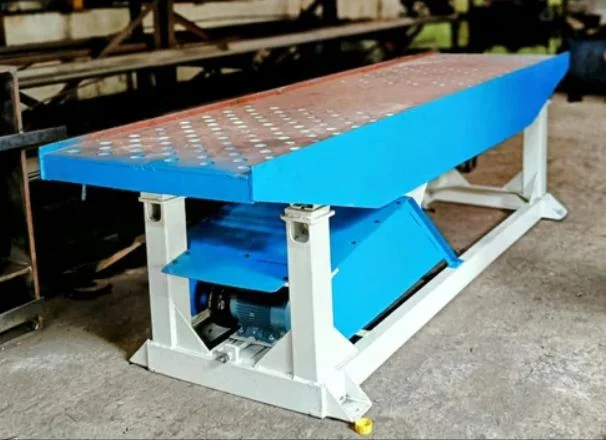
Industrial Vibrating Table For Concrete Testing 500x500mm 1000x1000mm
Industrial Pan Mixture Machine 500kg Batch 20HP Motor
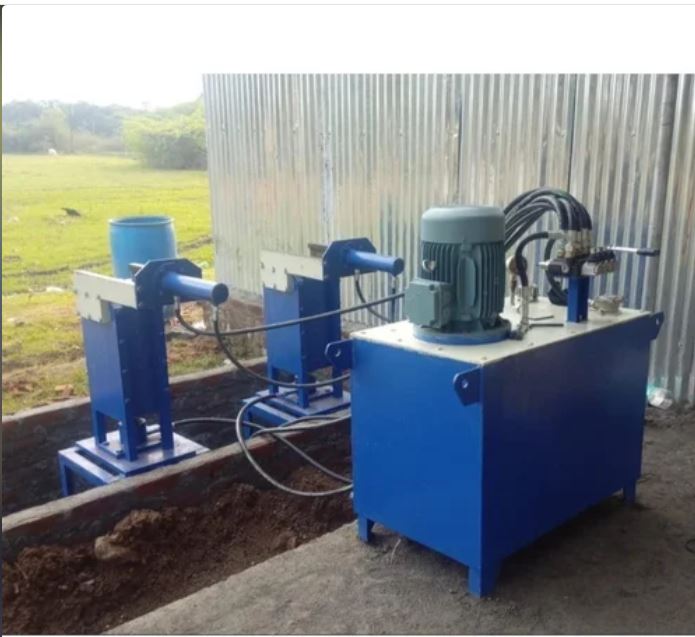
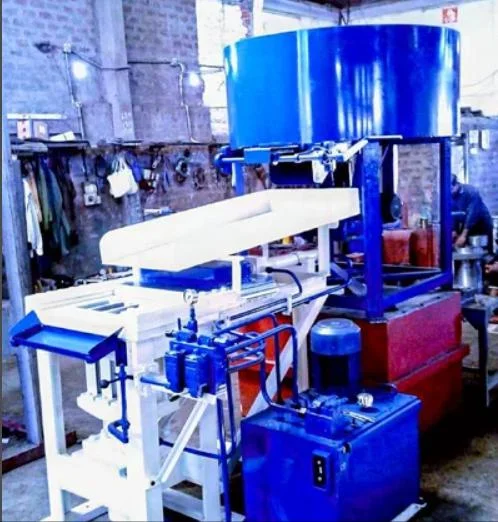
Kerb Stone Manufacturing Machine For Concrete Curb Production 160L Oil Tank
Why Businesses Trust Pepagora
Thousands of companies trust Pepagora to source smarter and sell faster
Expand Your Sales Globally
25000+Products listed.Get discovered by global buyers
Tools to boost visibility
Build your own catalog

Source Smarter,Grow Faster
4000+Active RFQs
100+ Countries served
Easy Sourcing Tools
