
 IN
INundefined
Organic Tomatoes
3 products available
𝗪𝗵𝗮𝘁 𝗮𝗿𝗲 𝗢𝗿𝗴𝗮𝗻𝗶𝗰 𝗧𝗼𝗺𝗮𝘁𝗼𝗲𝘀?
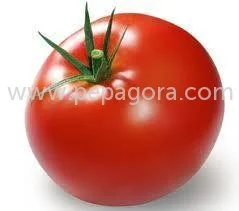
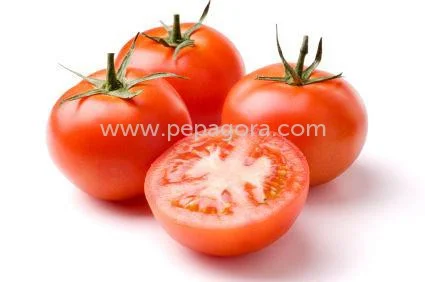
Organic tomatoes are cultivated without synthetic pesticides, fertilizers, or genetically modified organisms. They are grown using natural methods that promote soil health and biodiversity. This approach to farming results in tomatoes that are not only healthier for consumers but also better for the environment. Organic tomatoes are often characterized by their rich flavor, vibrant color, and firm texture, making them a preferred choice for many culinary applications.
These tomatoes are widely used in various sectors, including food service, retail, and food processing. They can be found in fresh produce markets, grocery stores, and restaurants, where they are valued for their superior taste and nutritional benefits. Additionally, organic tomatoes are essential ingredients in sauces, soups, and salads, highlighting their versatility in both home cooking and commercial food production. As consumer demand for organic products continues to rise, the organic tomato market has seen significant growth, reflecting a broader trend toward sustainable agriculture.
𝗞𝗲𝘆 𝗙𝗲𝗮𝘁𝘂𝗿𝗲𝘀 𝗮𝗻𝗱 𝗦𝗽𝗲𝗰𝗶𝗳𝗶𝗰𝗮𝘁𝗶𝗼𝗻𝘀
Organic tomatoes come with several key features that make them appealing to businesses. Their specifications help ensure quality and consistency across different applications.
Key specifications include:
1. Quality Standards
- Organic tomatoes must meet specific agricultural standards.
- They are certified organic by recognized bodies, ensuring adherence to strict farming practices.
2. Nutritional Content
- Rich in vitamins A, C, and potassium.
- High in antioxidants, contributing to various health benefits.
3. Sizing and Grading
- Available in various sizes to cater to different market needs.
- Graded based on color, firmness, and overall appearance.
4. Flavor Profile
- Known for their rich and tangy flavor.
- Varieties can range from sweet to savory, catering to diverse culinary requirements.
5. Shelf Life
- Typically have a shelf life of 7 to 14 days under proper storage conditions.
- Best stored in a cool, dry place to maintain freshness.
6. Packaging Options
- Available in bulk or retail packaging depending on customer needs.
- Sustainable packaging solutions are often used to appeal to eco-conscious consumers.
In summary, organic tomatoes are a versatile and nutritious product with specifications that cater to various business needs.
𝗖𝗼𝗺𝗺𝗼𝗻 𝗔𝗽𝗽𝗹𝗶𝗰𝗮𝘁𝗶𝗼𝗻𝘀 𝗮𝗻𝗱 𝗨𝘀𝗲 𝗖𝗮𝘀𝗲𝘀
Organic tomatoes are utilized across multiple industries due to their versatility and health benefits.
1. Food Service: Restaurants and catering businesses use organic tomatoes in salads, sauces, and sandwiches to enhance flavor and appeal to health-conscious customers.
2. Retail: Grocery stores and supermarkets stock organic tomatoes as part of their fresh produce offerings, attracting customers seeking organic options.
3. Food Processing: Manufacturers incorporate organic tomatoes into processed food products such as sauces, purees, and canned goods, capitalizing on the growing demand for organic ingredients.
4. Meal Kit Services: Companies providing meal kits often include organic tomatoes in their recipes, appealing to consumers looking for convenient and healthy meal solutions.
5. Organic Farming: Organic farmers utilize these tomatoes to promote sustainable agricultural practices while contributing to local economies.
𝗣𝗿𝗼𝗱𝘂𝗰𝘁 𝗩𝗮𝗿𝗶𝗮𝗻𝘁𝘀 𝗮𝗻𝗱 𝗦𝘂𝗯𝗰𝗮𝘁𝗲𝗴𝗼𝗿𝗶𝗲𝘀
Organic tomatoes come in various forms, catering to different market needs and preferences.
Cherry Tomatoes
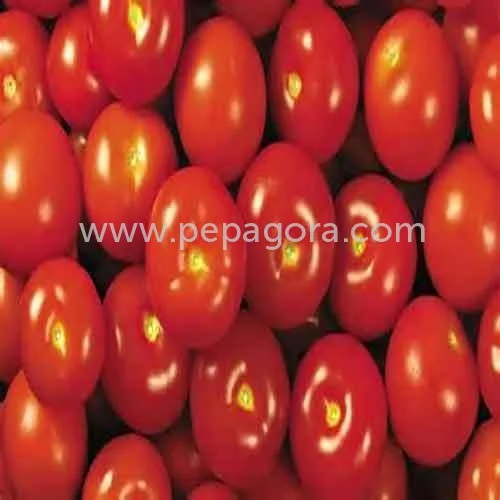
These small, sweet tomatoes are perfect for snacking, salads, and garnishes. Their vibrant colors and bite-sized nature make them popular among consumers.
Roma Tomatoes
Known for their meaty texture, Roma tomatoes are ideal for sauces and pastes. Their low moisture content makes them a favorite for cooking applications.
Beefsteak Tomatoes
These large, juicy tomatoes are often used in sandwiches and burgers. Their substantial size and rich flavor make them a staple in many kitchens.
Plum Tomatoes
Plum tomatoes are often used in canning and processing due to their firm texture and high flesh-to-seed ratio. They are a preferred choice for making tomato sauces.
𝗕𝗲𝗻𝗲𝗳𝗶𝘁𝘀 𝗮𝗻𝗱 𝗔𝗱𝘃𝗮𝗻𝘁𝗮𝗴𝗲𝘀
Sourcing organic tomatoes offers numerous benefits to businesses and consumers alike.
1. Health Benefits: Organic tomatoes are free from harmful chemicals and pesticides, making them a healthier choice for consumers.
2. Enhanced Flavor: Many chefs and home cooks prefer organic tomatoes for their superior taste, improving the quality of dishes.
3. Environmental Sustainability: Sourcing organic products supports environmentally friendly farming practices that promote soil health and biodiversity.
4. Market Demand: The growing consumer preference for organic foods presents opportunities for businesses to cater to this expanding market.
5. Versatility: Organic tomatoes can be used in various culinary applications, making them a valuable ingredient for multiple sectors.
𝗕𝘂𝘆𝗶𝗻𝗴 𝗚𝘂𝗶𝗱𝗲 𝗳𝗼𝗿 𝗕𝟮𝗕 𝗕𝘂𝘆𝗲𝗿𝘀
When sourcing organic tomatoes, it is essential for buyers to consider several key factors to ensure they make informed purchasing decisions.
1. Quality Assessment: Look for tomatoes that meet organic standards and have been certified by recognized bodies. Assess their appearance, firmness, and color to ensure quality.
2. Supplier Verification: Vet suppliers to ensure they follow sustainable farming practices and have a history of reliability in delivering high-quality organic products.
3. Pricing and MOQ: Understand the pricing structure and minimum order quantities required by suppliers to ensure they align with your budget and demand.
4. Delivery and Lead Times: Discuss logistics and delivery timelines with suppliers to ensure that you can meet your operational needs without delays.
5. Compliance Requirements: Ensure that the products comply with local and regional regulations governing organic produce, including any necessary certifications.
𝗖𝗼𝗺𝗽𝗹𝗶𝗮𝗻𝗰𝗲 𝗮𝗻𝗱 𝗖𝗲𝗿𝘁𝗶𝗳𝗶𝗰𝗮𝘁𝗶𝗼𝗻𝘀
Organic tomatoes must adhere to specific quality standards and regulations to ensure they are safe and healthy for consumers. Common quality standards include ISO 9001, which outlines requirements for a quality management system, and HACCP, which focuses on food safety by identifying and controlling potential hazards.
In addition to these standards, organic tomatoes should have certifications such as CE, indicating compliance with European health, safety, and environmental protection standards.
Testing requirements typically involve ensuring that tomatoes are free from chemical residues and meet nutritional benchmarks. Additionally, regional compliance considerations may vary, necessitating awareness of local regulations governing organic produce.
𝗪𝗵𝘆 𝗦𝗼𝘂𝗿𝗰𝗲 𝗢𝗿𝗴𝗮𝗻𝗶𝗰 𝗧𝗼𝗺𝗮𝘁𝗼𝗲𝘀 𝗳𝗿𝗼𝗺 𝗣𝗲𝗽𝗮𝗴𝗼𝗿𝗮?
Pepagora offers a trusted platform for sourcing organic tomatoes, providing several key advantages for businesses looking to procure high-quality products.
Verified Supplier Network: Pepagora connects buyers with a network of verified suppliers committed to sustainable farming practices and quality assurance. This network helps ensure that businesses receive top-notch organic tomatoes.
Streamlined RFQ Process: The Request for Quotation (RFQ) system simplifies the procurement process, allowing buyers to easily request quotes from multiple suppliers and make informed decisions based on pricing and availability.
Trade Assurance and Support: Pepagora prioritizes buyer protection by providing trade assurance features. This ensures that buyers can source products with confidence and receive support throughout the purchasing process.
Regional Coverage: With a strong presence in India, the GCC, and Southeast Asia, Pepagora offers extensive regional coverage, making it easier for businesses to source organic tomatoes that meet their specific needs and preferences.
Newly Added


Recently Added
Sunrise Exports
Bulk Organic Fresh Onions High Flavonoids Iron 100% Mature
Bulk Organic Fresh Young Ginger Root For Health
Premium Coriander Seeds Dried Blended For Food Processing
Sri Overseas Export
Organic Fresh Red Onions Hygienic Packed On Time Delivery
Bulk Organic Coffee Beans Powder Hygienic Processed Rich Aroma
Organic Green Tea Powder Bulk Dried Leaves Rich Nutrients
Ecki Exports
Organic Potatoes Fresh Round Low Solanine High Nutrition
Organic Cherry Tomatoes Fresh Hygienical Long Shelf Life
Fresh Brinjal Low Calorie High Fiber Premium Quality
Why Businesses Trust Pepagora
Thousands of companies trust Pepagora to source smarter and sell faster
Expand Your Sales Globally
25000+Products listed.Get discovered by global buyers
Tools to boost visibility
Build your own catalog

Source Smarter,Grow Faster
4000+Active RFQs
100+ Countries served
Easy Sourcing Tools
