
 IN
INundefined
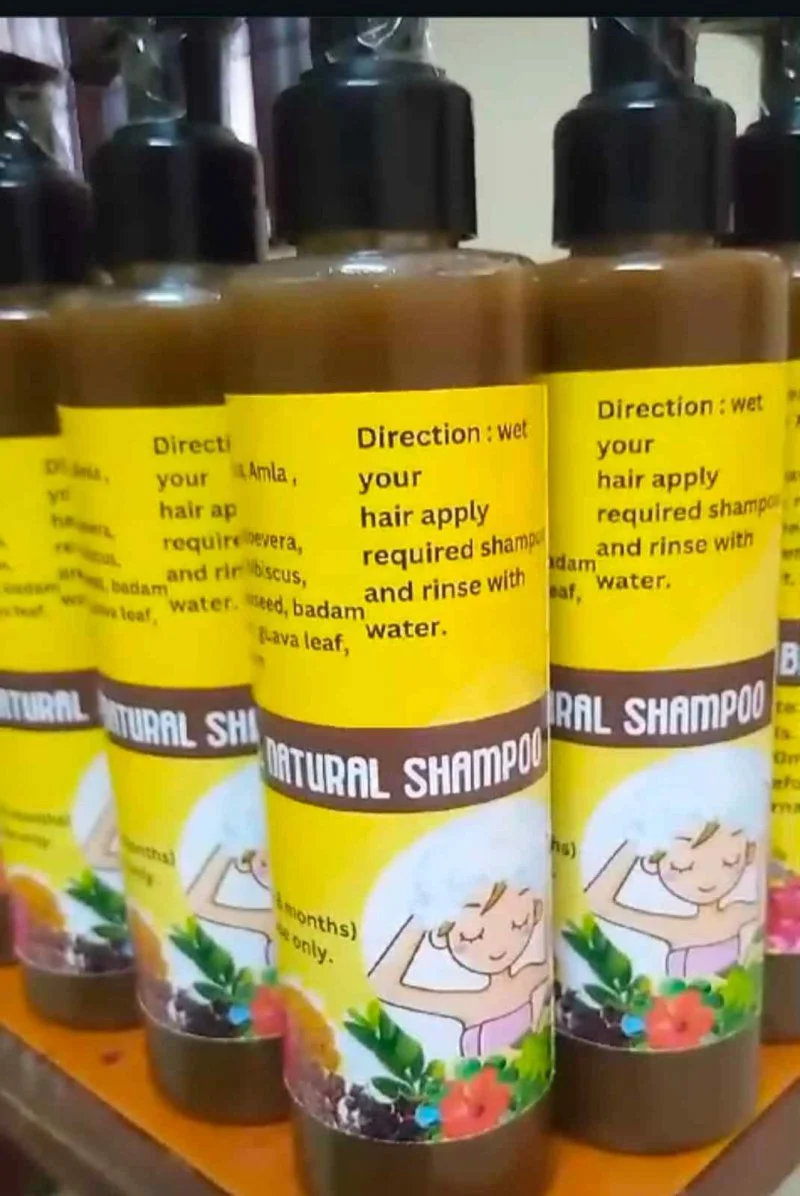
Organic Shampoos & Conditioners
1 products available
𝗪𝗵𝗮𝘁 𝗮𝗿𝗲 𝗢𝗿𝗴𝗮𝗻𝗶𝗰 𝗦𝗵𝗮𝗺𝗽𝗼𝗼𝘀 & 𝗖𝗼𝗻𝗱𝗶𝘁𝗶𝗼𝗻𝗲𝗿𝘀?
Organic shampoos and conditioners are hair care products formulated with natural ingredients that are free from synthetic chemicals and harmful additives. These products typically utilize plant-based extracts, essential oils, and other organic components to cleanse and nourish hair without the negative effects associated with conventional hair care solutions. By prioritizing eco-friendly formulations, organic shampoos and conditioners cater to consumers who are increasingly conscious about the ingredients they use on their bodies.
The primary uses of organic shampoos and conditioners include daily hair cleansing, moisture retention, and scalp health improvement. Businesses in the beauty and wellness sectors, such as salons, spas, and retail stores, often incorporate these organic products into their offerings. The demand for organic hair care solutions has surged in recent years, driven by rising consumer awareness regarding environmental sustainability and personal health. This trend has prompted many manufacturers to focus on developing high-quality organic hair care lines that meet these evolving consumer preferences.
In the context of the hair care industry, organic shampoos and conditioners represent a significant market segment. As consumers seek transparency and safety in their products, businesses that offer organic options can position themselves as leaders in the marketplace. With increasing regulatory pressures and a push for cleaner beauty standards, the relevance of organic hair care products continues to grow, making it essential for businesses to stay ahead in this competitive landscape.
𝗞𝗲𝘆 𝗙𝗲𝗮𝘁𝘂𝗿𝗲𝘀 𝗮𝗻𝗱 𝗦𝗽𝗲𝗰𝗶𝗳𝗶𝗰𝗮𝘁𝗶𝗼𝗻𝘀
Organic shampoos and conditioners are designed with specific characteristics that enhance their effectiveness and appeal. These products often prioritize natural ingredients and sustainable practices to ensure quality and safety for users. Below are some key specifications that define organic shampoos and conditioners.
1. Natural Ingredients
- Formulated with plant extracts, essential oils, and organic compounds
- Typically free from sulfates, parabens, and artificial fragrances
2. Biodegradable Packaging
- Packaging materials made from sustainable resources
- Designed to minimize environmental impact
3. pH Balanced Formulation
- Maintains hair and scalp health
- Typically ranges from 4.5 to 5.5 pH level
4. Cruelty-Free
- No animal testing involved in product development
- Ethical sourcing of ingredients
5. Customizable Formulations
- Options available for specific hair types (e.g., oily, dry, color-treated)
- Ability to create tailored products for unique customer preferences
6. Vegan Options
- Products that do not contain any animal-derived ingredients
- Appeals to a growing market segment focused on cruelty-free beauty
7. Shelf Life
- Typically ranges from 12 to 24 months
- Dependent on formulation and preservation methods
8. Certifications
- Compliance with industry standards such as CE
- Assurance of product quality and safety
In summary, these features and specifications highlight the commitment of organic shampoos and conditioners to quality, safety, and environmental consciousness. Businesses can leverage these attributes to attract health-conscious consumers.
𝗖𝗼𝗺𝗺𝗼𝗻 𝗔𝗽𝗽𝗹𝗶𝗰𝗮𝘁𝗶𝗼𝗻𝘀 𝗮𝗻𝗱 𝗨𝘀𝗲 𝗖𝗮𝘀𝗲𝘀
Organic shampoos and conditioners find applications across various industries, catering to diverse consumer needs and preferences.
1. Beauty Salons: Salons often use organic hair care products to provide clients with a holistic experience that aligns with their values of health and sustainability.
2. Spas: Many spas incorporate organic shampoos and conditioners into their treatments, enhancing relaxation and wellness experiences for customers.
3. Retail Stores: Health and beauty retailers stock organic hair care products to meet the demands of consumers seeking natural alternatives to conventional products.
4. Hotels and Resorts: High-end hospitality venues often provide organic shampoos and conditioners in their guest amenities, promoting a luxurious and eco-friendly image.
5. E-commerce Platforms: Online retailers focus on organic hair care to cater to the growing number of consumers who prefer shopping for natural products from the comfort of their homes.
6. Wholesale Distributors: Distributors supply organic shampoos and conditioners to a variety of businesses, allowing them to offer these in-demand products to their customers.
7. Health and Wellness Centers: These centers leverage organic hair care products to support overall wellness and healthy lifestyles among their clientele.
𝗣𝗿𝗼𝗱𝘂𝗰𝘁 𝗩𝗮𝗿𝗶𝗮𝗻𝘁𝘀 𝗮𝗻𝗱 𝗦𝘂𝗯𝗰𝗮𝘁𝗲𝗴𝗼𝗿𝗶𝗲𝘀
Organic shampoos and conditioners come in a variety of formulations to cater to different hair types and preferences.
Hydrating Shampoo
This variant offers intense moisture for dry and damaged hair. It features ingredients like aloe vera and coconut oil to nourish and restore hair health.
Volume Boost Conditioner
Designed for fine or thinning hair, this conditioner provides lift and thickness. It contains natural volumizing agents like seaweed extract.
Color Care Shampoo
Specially formulated for color-treated hair, this shampoo protects color vibrancy while gently cleansing. It includes ingredients that help prevent fading.
Sulfate-Free Shampoo
This variant is ideal for individuals with sensitive scalps or allergies to sulfates. It uses gentle cleansers derived from plants to maintain hair health without irritation.
𝗕𝗲𝗻𝗲𝗳𝗶𝘁𝘀 𝗮𝗻𝗱 𝗔𝗱𝘃𝗮𝗻𝘁𝗮𝗴𝗲𝘀
The use of organic shampoos and conditioners offers numerous advantages for both consumers and businesses.
1. Healthier Ingredients: Organic products use natural ingredients that promote scalp and hair health without harmful chemicals.
2. Environmental Responsibility: Sourcing organic materials and using sustainable packaging supports eco-friendly practices and reduces environmental impact.
3. Consumer Trust: Offering organic options builds trust with health-conscious consumers who prioritize product safety and quality.
4. Market Differentiation: Businesses can stand out in a competitive market by providing organic alternatives that cater to growing consumer preferences.
5. Enhanced Performance: Many organic formulations are designed to be effective without the harsh effects of traditional products, leading to better hair health.
6. Positive Brand Image: Companies that prioritize organic products can enhance their brand reputation by aligning with consumer values surrounding health and sustainability.
𝗕𝘂𝘆𝗶𝗻𝗴 𝗚𝘂𝗶𝗱𝗲 𝗳𝗼𝗿 𝗕𝟮𝗕 𝗕𝘂𝘆𝗲𝗿𝘀
When sourcing organic shampoos and conditioners, businesses should consider several key factors to ensure they make informed purchasing decisions.
1. Quality Assessment: Evaluate the ingredient list and ensure products align with organic standards. Look for certifications that guarantee product safety and efficacy.
2. Supplier Verification: Vet suppliers thoroughly to ensure they adhere to quality standards and ethical practices. Check for certifications and reviews from other businesses.
3. Pricing and MOQ: Understand the pricing structure and minimum order quantities (MOQ) set by suppliers. Compare costs to ensure competitive pricing while maintaining quality.
4. Delivery and Lead Times: Inquire about the logistics of delivery, including lead times, to ensure timely access to products without disrupting inventory flow.
5. Compliance Requirements: Be aware of regulatory standards that may apply to organic hair care products in your region. Ensure suppliers meet these compliance requirements to avoid potential issues.
𝗖𝗼𝗺𝗽𝗹𝗶𝗮𝗻𝗰𝗲 𝗮𝗻𝗱 𝗖𝗲𝗿𝘁𝗶𝗳𝗶𝗰𝗮𝘁𝗶𝗼𝗻𝘀
Organic shampoos and conditioners must adhere to industry standards and certifications to ensure quality and safety. Relevant quality standards include ISO 9001, which outlines quality management principles, and HACCP, which focuses on food safety but is often referenced in product safety.
Certifications, such as CE, indicate that products meet European safety standards. It is essential for manufacturers to conduct safety testing and ensure compliance with safety regulations, particularly when exporting products to different regions.
Additionally, regional compliance considerations are critical. Different countries may have varying regulations regarding organic labeling, ingredient restrictions, and safety testing protocols. Staying informed about these requirements helps businesses navigate the complexities of the global market.
𝗪𝗵𝘆 𝗦𝗼𝘂𝗿𝗰𝗲 𝗢𝗿𝗴𝗮𝗻𝗶𝗰 𝗦𝗵𝗮𝗺𝗽𝗼𝗼𝘀 & 𝗖𝗼𝗻𝗱𝗶𝘁𝗶𝗼𝗻𝗲𝗿𝘀 𝗳𝗿𝗼𝗺 𝗣𝗲𝗽𝗮𝗴𝗼𝗿𝗮?
Pepagora offers a trusted platform for sourcing organic shampoos and conditioners, bringing several key advantages to B2B buyers.
Verified Supplier Network: Pepagora has established a network of verified suppliers, ensuring that businesses can source high-quality organic products with confidence. Each supplier is vetted for their commitment to quality and ethical practices.
Streamlined RFQ Process: The request for quotation (RFQ) process is designed to be straightforward and efficient. Buyers can easily submit their requirements and receive competitive quotes from multiple suppliers, simplifying the sourcing process.
Trade Assurance and Support: Pepagora provides trade assurance to protect buyers throughout their purchasing journey. This includes support for any disputes or issues that may arise, ensuring a smooth transaction.
Regional Coverage: With a geographic reach that includes India, the GCC, and Southeast Asia, Pepagora connects buyers with suppliers across multiple regions. This expansive coverage allows businesses to find the best products tailored to their specific market needs.


Recently Added
Bombay Cosmetics
Organic Hair Styling Gel For Salons And Retailers
Professional Hair Conditioner With UV Protection And Detangling
Natural Hair Tonic For Hair Fall Prevention And Growth
Why Businesses Trust Pepagora
Thousands of companies trust Pepagora to source smarter and sell faster
Expand Your Sales Globally
25000+Products listed.Get discovered by global buyers
Tools to boost visibility
Build your own catalog

Source Smarter,Grow Faster
4000+Active RFQs
100+ Countries served
Easy Sourcing Tools
