
 IN
INundefined
Organic Pomegranates
3 products available
𝗪𝗵𝗮𝘁 𝗮𝗿𝗲 𝗢𝗿𝗴𝗮𝗻𝗶𝗰 𝗣𝗼𝗺𝗲𝗴𝗿𝗮𝗻𝗮𝘁𝗲𝘀?
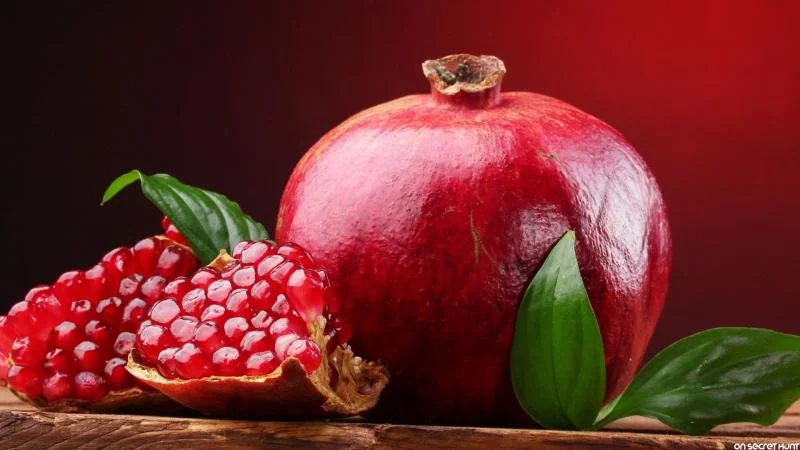
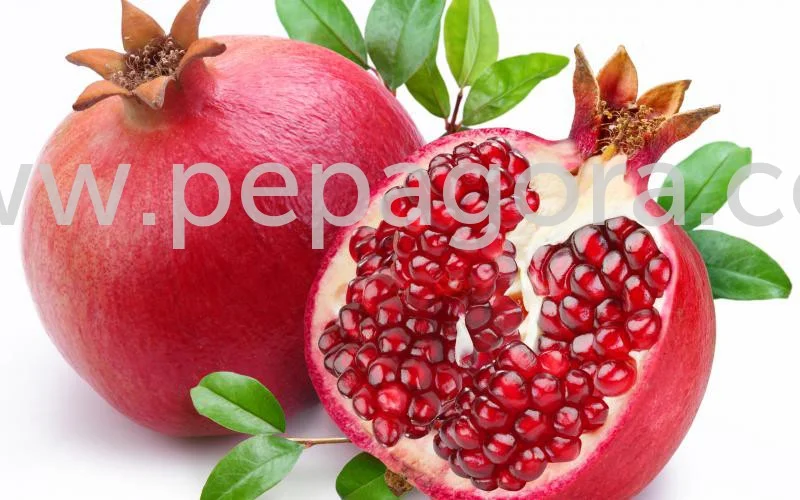
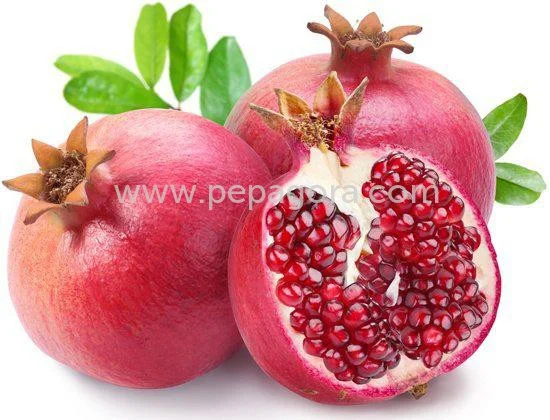
Organic pomegranates are fruits that are grown without the use of synthetic fertilizers, pesticides, or genetically modified organisms. These fruits are cultivated under strict organic farming practices that promote sustainability and environmental health. The pomegranate is recognized for its vibrant red color and juicy seeds, which are rich in antioxidants, vitamins, and minerals. This makes organic pomegranates a popular choice among health-conscious consumers and businesses.
The primary uses of organic pomegranates include consumption as fresh fruit, juice extraction, and incorporation into various food products. They are widely utilized in the food and beverage industry for their unique flavor and health benefits. Additionally, organic pomegranates are used in cosmetics and dietary supplements due to their antioxidant properties. The growing demand for organic products in the market has made pomegranates increasingly relevant, positioning them as a valuable commodity for businesses focused on health and wellness.
In recent years, the market for organic produce has expanded significantly. With consumers becoming more aware of the benefits of organic foods, the demand for organic pomegranates continues to rise. This trend reflects a broader shift towards healthier eating habits and sustainable agriculture, making organic pomegranates an attractive option for B2B buyers in various sectors.
𝗞𝗲𝘆 𝗙𝗲𝗮𝘁𝘂𝗿𝗲𝘀 𝗮𝗻𝗱 𝗦𝗽𝗲𝗰𝗶𝗳𝗶𝗰𝗮𝘁𝗶𝗼𝗻𝘀
Organic pomegranates are known for their distinctive features and specifications that cater to various market needs. Understanding these specifications is crucial for businesses looking to source quality products.
Key specifications include:
1. Quality:
- Organic pomegranates should adhere to organic farming standards.
- They must be free from synthetic pesticides and fertilizers.
2. Size and Weight:
- The average size ranges from 200 to 400 grams per fruit.
- Consistent weight ensures uniformity for packaging and sale.
3. Color:
- A deep red color is generally preferred, indicating ripeness and quality.
- Color consistency across batches is important for branding.
4. Taste Profile:
- Organic pomegranates should have a sweet and tangy flavor.
- Taste can vary slightly based on the variety and growing conditions.
5. Shelf Life:
- Fresh pomegranates typically have a shelf life of 1 to 2 months under proper storage conditions.
- Juices and processed products may have different shelf lives depending on preservation methods.
6. Nutritional Content:
- Rich in vitamin C, potassium, and dietary fiber.
- Antioxidant levels are significantly higher in organic varieties.
7. Packaging:
- Sustainable packaging options are increasingly preferred.
- Packaging should protect the fruit while being environmentally friendly.
In summary, understanding these key features and specifications will help businesses make informed sourcing decisions for organic pomegranates.
𝗖𝗼𝗺𝗺𝗼𝗻 𝗔𝗽𝗽𝗹𝗶𝗰𝗮𝘁𝗶𝗼𝗻𝘀 𝗮𝗻𝗱 𝗨𝘀𝗲 𝗖𝗮𝘀𝗲𝘀
Organic pomegranates find applications across various industries, reflecting their versatility and health benefits.
1. Food and Beverage Industry: Organic pomegranates are often used in juices, smoothies, and salad dressings. Their vibrant color and flavor enhance product appeal.
2. Healthcare and Nutrition: Many dietary supplements and functional foods incorporate pomegranate extract for its antioxidant properties, appealing to health-conscious consumers.
3. Cosmetics Industry: Pomegranate oil is used in skincare products due to its anti-aging benefits and ability to hydrate the skin.
4. Culinary Arts: Chefs utilize organic pomegranates in gourmet dishes, adding both visual appeal and unique flavors to appetizers and desserts.
5. Retail and Supermarkets: Organic pomegranates are increasingly featured in organic produce sections, attracting consumers interested in healthy eating.
6. Catering and Food Service: Restaurants and caterers often use organic pomegranates to create unique dishes that cater to health-focused clientele.
7. Export Markets: Organic pomegranates have a growing demand in international markets, especially in regions where organic produce is highly valued.
𝗣𝗿𝗼𝗱𝘂𝗰𝘁 𝗩𝗮𝗿𝗶𝗮𝗻𝘁𝘀 𝗮𝗻𝗱 𝗦𝘂𝗯𝗰𝗮𝘁𝗲𝗴𝗼𝗿𝗶𝗲𝘀
Organic pomegranates come in various forms, each catering to specific consumer needs and preferences.
Fresh Organic Pomegranates: These are sold whole, showcasing their natural beauty and flavor. They are ideal for direct consumption or culinary uses.
Pomegranate Juice: Made from freshly squeezed organic pomegranates, this juice retains most of the fruit's nutrients and is popular for its health benefits.
Pomegranate Extract: Concentrated forms of pomegranate are used in dietary supplements and functional foods, providing a potent source of antioxidants.
Dried Pomegranate Seeds: Also known as arils, these can be used as snacks or ingredients in salads and desserts, offering a convenient way to enjoy pomegranate.
𝗕𝗲𝗻𝗲𝗳𝗶𝘁𝘀 𝗮𝗻𝗱 𝗔𝗱𝘃𝗮𝗻𝘁𝗮𝗴𝗲𝘀
Sourcing organic pomegranates offers several benefits for businesses looking to enhance their product offerings.
1. Health Benefits: Organic pomegranates are rich in antioxidants, which can help reduce oxidative stress and promote overall health.
2. Consumer Demand: As more consumers seek organic options, providing organic pomegranates can attract health-conscious buyers.
3. Quality Assurance: Organic farming practices often lead to higher quality produce, enhancing the reputation of businesses that sell them.
4. Environmental Sustainability: Sourcing organic pomegranates supports sustainable farming practices that benefit the environment.
5. Versatile Usage: Their applications across multiple industries make organic pomegranates a flexible addition to any product line.
6. Market Differentiation: Offering organic pomegranates helps businesses stand out in a competitive market by catering to specific consumer needs.
𝗕𝘂𝘆𝗶𝗻𝗴 𝗚𝘂𝗶𝗱𝗲 𝗳𝗼𝗿 𝗕𝟮𝗕 𝗕𝘂𝘆𝗲𝗿𝘀
When sourcing organic pomegranates, several important factors must be considered to ensure quality and compliance.
1. Quality Assessment: Buyers should look for certifications that validate the organic status of pomegranates. Inspecting for freshness and quality standards is essential for maintaining customer satisfaction.
2. Supplier Verification: It is crucial to vet suppliers to ensure they adhere to organic farming practices. This can include checking references and certifications.
3. Pricing and MOQ: Understanding the pricing structure and minimum order quantities (MOQ) will help buyers make informed purchasing decisions that align with their budget and inventory needs.
4. Delivery and Lead Times: Clear communication regarding delivery schedules and lead times is vital for planning inventory and ensuring timely product availability.
5. Compliance Requirements: Buyers should be aware of regional regulations regarding organic certification and labeling to avoid legal issues and ensure market acceptance.
𝗖𝗼𝗺𝗽𝗹𝗶𝗮𝗻𝗰𝗲 𝗮𝗻𝗱 𝗖𝗲𝗿𝘁𝗶𝗳𝗶𝗰𝗮𝘁𝗶𝗼𝗻𝘀
Organic pomegranates must meet various compliance and certification standards to ensure quality and safety. Relevant quality standards include ISO 9001 and HACCP, which focus on quality management and food safety. Compliance with GDP (Good Distribution Practice) is also essential for maintaining the integrity of organic products throughout the supply chain.
Industry certifications like CE indicate adherence to European safety standards, which can enhance marketability in international markets. Additionally, safety and testing requirements must be met to ensure that organic pomegranates are free from contaminants and fit for consumption.
Regional compliance considerations vary by market, with specific regulations governing organic labeling and marketing. Understanding these requirements is crucial for businesses looking to operate in different regions.
𝗪𝗵𝘆 𝗦𝗼𝘂𝗿𝗰𝗲 𝗢𝗿𝗴𝗮𝗻𝗶𝗰 𝗣𝗼𝗺𝗲𝗴𝗿𝗮𝗻𝗮𝘁𝗲𝘀 𝗳𝗿𝗼𝗺 𝗣𝗲𝗽𝗮𝗴𝗼𝗿𝗮?
Pepagora provides a trusted platform for sourcing organic pomegranates, ensuring a seamless experience for B2B buyers. With a verified supplier network, Pepagora ensures that all suppliers have undergone rigorous vetting processes, guaranteeing the authenticity and quality of the products offered.
The streamlined Request for Quotation (RFQ) process simplifies sourcing, allowing buyers to quickly compare options and choose the best fit for their needs. This efficiency helps businesses save time and resources, enabling them to focus on growth.
Trade assurance and support are key features of Pepagora, providing buyers with protection throughout the purchasing process. This commitment to buyer safety fosters trust and confidence in transactions.
With regional coverage that spans India, the GCC, and Southeast Asia, Pepagora connects buyers with local and international suppliers, making it easier to source organic pomegranates suited to various markets. This expansive reach enhances opportunities for businesses looking to expand their product offerings.
Newly Added


Recently Added
Export, India
Organic Fresh Bananas For Food Industry South Indian Cuisine
Organic Green Grapes Fresh Hygienical Food Grade
Organic Sweet Lemons Fresh Hygienical Food Grade Yellow
Sri Bannariamman Impex Pvt Ltd
Premium Organic Fresh Pumpkin For Food Manufacturing & Health Products
Organic Bitter Gourd Fresh High Nutritional Long Shelf Life
Organic Green Drumsticks Fresh Hygienic High Nutrient
Vayalfresh Global Traders
Organic Fresh Purple Onions Medium Size 5Kg Box
Fresh Agriculture Grade Red Tomatoes In 5Kg Box Packaging
Fresh Lemons Agriculture Grade 5Kg Box Sour Citrus Fruit
Why Businesses Trust Pepagora
Thousands of companies trust Pepagora to source smarter and sell faster
Expand Your Sales Globally
25000+Products listed.Get discovered by global buyers
Tools to boost visibility
Build your own catalog

Source Smarter,Grow Faster
4000+Active RFQs
100+ Countries served
Easy Sourcing Tools
