
 IN
INundefined
Organic Grapes
6 products available
𝗪𝗵𝗮𝘁 𝗮𝗿𝗲 𝗢𝗿𝗴𝗮𝗻𝗶𝗰 𝗚𝗿𝗮𝗽𝗲𝘀?
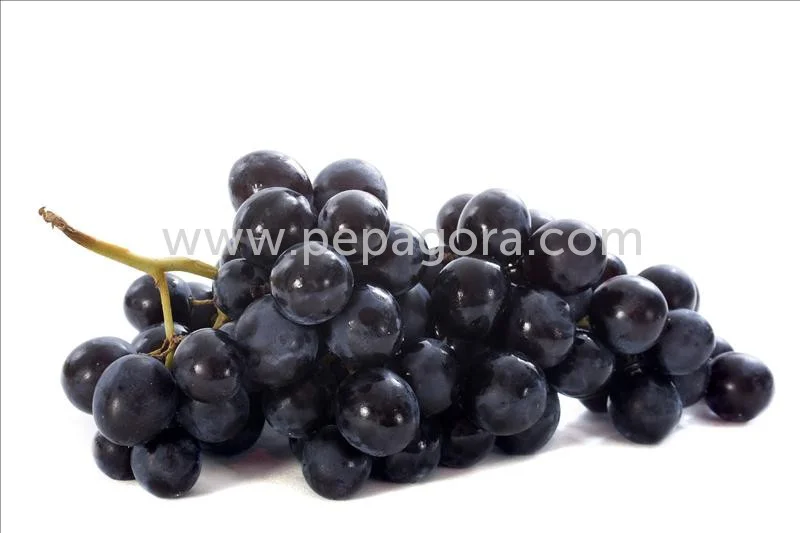
Organic grapes are grapes cultivated without the use of synthetic pesticides, herbicides, or fertilizers. They are grown under strict organic farming standards, which emphasize sustainable agriculture practices, biodiversity, and soil health. This method of cultivation not only ensures the grapes are free from harmful chemicals but also contributes to environmental conservation.
These grapes have various applications in the food industry, including fresh consumption, juice production, and as ingredients in baked goods and desserts. They are popular among health-conscious consumers who prefer organic products. Additionally, organic grapes are increasingly sought after by businesses looking to meet rising consumer demand for organic offerings. This trend reflects a broader shift towards healthier eating habits and sustainable sourcing in the market.
𝗞𝗲𝘆 𝗙𝗲𝗮𝘁𝘂𝗿𝗲𝘀 𝗮𝗻𝗱 𝗦𝗽𝗲𝗰𝗶𝗳𝗶𝗰𝗮𝘁𝗶𝗼𝗻𝘀
Organic grapes are characterized by their commitment to organic farming principles, which influence their quality and market appeal. When evaluating organic grapes, buyers should consider several key specifications.
Key specifications include:
1. Organic Certification
- Grapes must be certified organic by a recognized authority.
- Compliance with established organic farming standards is essential.
2. Flavor Profile
- Organic grapes often exhibit a richer taste due to natural growing conditions.
- Varieties may differ in sweetness and acidity levels.
3. Size and Appearance
- Grapes should be uniform in size and free from blemishes.
- Color should be vibrant and indicative of the variety.
4. Packaging Standards
- Grapes should be packaged in materials that prevent spoilage and maintain quality.
- Packaging must comply with food safety regulations.
5. Shelf Life
- Organic grapes typically have a shelf life of 7 to 14 days under proper storage conditions.
- Storage temperatures should be maintained between 0 to 4 degrees Celsius.
6. Minimum Order Quantity (MOQ)
- MOQs may vary by supplier but are typically set to ensure efficient logistics and cost management.
- Buyers should confirm specific MOQs before placing orders.
7. Delivery Conditions
- Grapes should be delivered in temperature-controlled environments to maintain freshness.
- Timely delivery is crucial to prevent spoilage.
8. Compliance with Food Safety Standards
- Compliance with relevant food safety standards is mandatory to ensure consumer safety.
- Regular testing for contaminants may be required.
Organic grapes represent a growing segment of the agricultural market, driven by increasing consumer preferences for organic products.
𝗖𝗼𝗺𝗺𝗼𝗻 𝗔𝗽𝗽𝗹𝗶𝗰𝗮𝘁𝗶𝗼𝗻𝘀 𝗮𝗻𝗱 𝗨𝘀𝗲 𝗖𝗮𝘀𝗲𝘀
Organic grapes serve multiple industries, showcasing their versatility.
1. Food and Beverage Industry: Organic grapes are used to produce organic wines, juices, and snacks. Their natural sweetness makes them ideal for various beverages.
2. Retail Grocery: Supermarkets and organic food stores stock organic grapes to cater to health-conscious consumers looking for fresh, chemical-free produce.
3. Culinary Sector: Restaurants and catering services utilize organic grapes in salads, desserts, and as garnishes, enhancing the nutritional value of their dishes.
4. Health and Wellness Products: Organic grapes are often incorporated into health products, such as dietary supplements and snacks, due to their antioxidant properties.
5. Export Markets: Many countries export organic grapes to meet international demand, capitalizing on their organic certification and quality.
6. Organic Farming: Farmers adopt organic grapes as part of sustainable farming practices, contributing to soil health and biodiversity.
7. Research and Development: Organic grapes are studied for their health benefits and potential applications in functional foods, driving innovation in the industry.
𝗣𝗿𝗼𝗱𝘂𝗰𝘁 𝗩𝗮𝗿𝗶𝗮𝗻𝘁𝘀 𝗮𝗻𝗱 𝗦𝘂𝗯𝗰𝗮𝘁𝗲𝗴𝗼𝗿𝗶𝗲𝘀
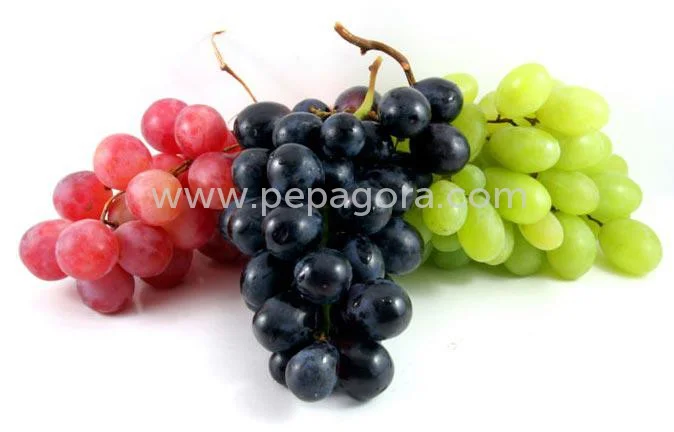
Organic grapes come in various types, each with unique characteristics and applications.
Thompson Seedless Grapes: These are popular for their sweet flavor and crisp texture. They are commonly used for fresh consumption and in dried fruit products like raisins.
Red Globe Grapes: Known for their large size and distinctive reddish-purple color, these grapes are often preferred for export markets and fresh fruit displays.
Concord Grapes: These grapes are acclaimed for their robust flavor, commonly used in juices and jellies. Their unique taste is popular in the food and beverage industry.
𝗕𝗲𝗻𝗲𝗳𝗶𝘁𝘀 𝗮𝗻𝗱 𝗔𝗱𝘃𝗮𝗻𝘁𝗮𝗴𝗲𝘀
Sourcing organic grapes offers several advantages that can benefit businesses.
1. Health Benefits: Organic grapes are free from synthetic chemicals, making them a healthier choice for consumers.
2. Market Demand: There is a growing market for organic products, and offering organic grapes can attract health-conscious consumers.
3. Environmental Impact: Organic farming practices contribute to environmental sustainability and soil health.
4. Superior Flavor: Many consumers find organic grapes offer a better taste compared to conventionally grown varieties.
5. Product Differentiation: Businesses can differentiate themselves in the market by offering high-quality organic grapes.
6. Brand Reputation: Sourcing organic grapes enhances brand image as a socially responsible and health-focused company.
𝗕𝘂𝘆𝗶𝗻𝗴 𝗚𝘂𝗶𝗱𝗲 𝗳𝗼𝗿 𝗕𝟮𝗕 𝗕𝘂𝘆𝗲𝗿𝘀
When sourcing organic grapes, it is essential to consider various factors that can influence purchasing decisions.
1. Quality Assessment: Evaluate grapes based on size, color, and freshness. Ensure they meet organic certification standards and are free from blemishes.
2. Supplier Verification: Vet suppliers by checking their certifications, reputation, and history in the organic market. Reliable suppliers should have a track record of quality and compliance.
3. Pricing and MOQ: Analyze pricing structures and minimum order quantities to ensure they align with budgetary constraints and logistical capabilities.
4. Delivery and Lead Times: Confirm delivery methods and expected lead times to ensure timely receipt of products, preventing potential spoilage.
5. Compliance Requirements: Understand regional and international compliance standards for organic products, including labeling and safety requirements.
𝗖𝗼𝗺𝗽𝗹𝗶𝗮𝗻𝗰𝗲 𝗮𝗻𝗱 𝗖𝗲𝗿𝘁𝗶𝗳𝗶𝗰𝗮𝘁𝗶𝗼𝗻𝘀
Organic grapes must adhere to specific standards and certifications that ensure their quality and safety.
Compliance with ISO 9001 and HACCP standards is crucial to maintaining quality management systems and ensuring food safety. These certifications demonstrate a commitment to quality and safety throughout the production process.
Industry certifications such as CE are important for products sold in Europe, ensuring they meet health, safety, and environmental protection standards. Suppliers should provide documentation of compliance to build trust with buyers.
Safety and testing requirements often include regular inspections and testing for contaminants, which is vital to ensure that organic grapes remain safe for consumption. Buyers should confirm that suppliers conduct routine testing to maintain high standards.
Regional compliance considerations may vary depending on local regulations. Buyers should be aware of specific organic farming laws in their regions to ensure adherence to all regulatory requirements.
𝗪𝗵𝘆 𝗦𝗼𝘂𝗿𝗰𝗲 𝗢𝗿𝗴𝗮𝗻𝗶𝗰 𝗚𝗿𝗮𝗽𝗲𝘀 𝗳𝗿𝗼𝗺 𝗣𝗲𝗽𝗮𝗴𝗼𝗿𝗮?
Pepagora provides a trusted platform for sourcing organic grapes, offering several key advantages that cater to B2B buyers.
Verified Supplier Network: Pepagora features a network of verified suppliers who meet strict organic certification requirements. This ensures that buyers can trust the quality and authenticity of the products they purchase.
Streamlined RFQ Process: The platform offers an efficient request for quotation (RFQ) system that simplifies the purchasing process. Buyers can easily compare offers from multiple suppliers, facilitating informed decision-making.
Trade Assurance and Support: Pepagora provides trade assurance to protect buyers during transactions. This includes support for any disputes that may arise, ensuring a secure purchasing experience.
Regional Coverage: With a robust presence in India, the GCC, and Southeast Asia, Pepagora connects buyers with suppliers across diverse markets. This geographic reach allows for flexible sourcing and access to high-quality organic grapes from various regions.
Newly Added


Recently Added
Chennai Marketing International
Premium Banganapalle Mangoes Sweet Reliable Quality
Export Kent Mangoes Fresh Food Grade 16 Ounce Bulk
Export Fresh Navel Oranges Food Grade Carton Packaging
A To Z Enterprises
Premium Bottle Gourds Rich In Minerals Iron Protein
Premium Green Brinjals for Culinary and Health Applications
Premium Cauliflower Supply For Food Service And Retail
H C Fruits
Fresh Totapuri Mangoes Food Grade Export Carton Box
Premium Alphonso Mango Fresh Yellow Food Grade Export
Premium Sweet Tamarind 100% Pure Natural Food Grade
Vayalfresh Global Traders
Organic Fresh Purple Onions Medium Size 5Kg Box
Fresh Agriculture Grade Red Tomatoes In 5Kg Box Packaging
Fresh Lemons Agriculture Grade 5Kg Box Sour Citrus Fruit
Balu Exports
Organic Fresh Bananas Rich Taste Hygienic Packaging
Organic Seeded Grapes Fresh Food Grade Pesticide Free
Fresh Coconuts For Food Medicine Nutrition Long Shelf Life
Why Businesses Trust Pepagora
Thousands of companies trust Pepagora to source smarter and sell faster
Expand Your Sales Globally
25000+Products listed.Get discovered by global buyers
Tools to boost visibility
Build your own catalog

Source Smarter,Grow Faster
4000+Active RFQs
100+ Countries served
Easy Sourcing Tools
