
 IN
INundefined
Organic Ginger
16 products available
𝗪𝗵𝗮𝘁 𝗮𝗿𝗲 𝗢𝗿𝗴𝗮𝗻𝗶𝗰 𝗚𝗶𝗻𝗴𝗲𝗿?
Organic ginger is a spice obtained from the rhizome of the Zingiber officinale plant. This natural product is cultivated without the use of synthetic fertilizers, pesticides, or herbicides. It is known for its unique flavor and aromatic properties, making it a staple in various culinary applications across the globe. Organic ginger is not only valued for its taste but also for its potential health benefits, which include anti-inflammatory and antioxidant properties.
In the B2B context, organic ginger is widely used in food and beverage industries, as well as in health and wellness products. Its applications range from flavoring agents in cooking to key ingredients in herbal supplements and teas. Manufacturers often seek organic ginger to meet consumer demand for natural and organic products. The market for organic ginger continues to grow, driven by increasing awareness around health and wellness and a shift toward natural ingredients in food production.
The relevance of organic ginger in today's market cannot be overstated. With a rise in the demand for organic products, businesses are focusing on sourcing high-quality organic ginger to enhance their product offerings. This trend reflects a broader movement towards sustainability and health-conscious consumption, positioning organic ginger as a critical component in many industrial applications.
𝗞𝗲𝘆 𝗙𝗲𝗮𝘁𝘂𝗿𝗲𝘀 𝗮𝗻𝗱 𝗦𝗽𝗲𝗰𝗶𝗳𝗶𝗰𝗮𝘁𝗶𝗼𝗻𝘀
Organic ginger is characterized by several key features that make it a sought-after ingredient in various industries. Understanding these specifications is essential for businesses looking to source high-quality organic ginger.
Key specifications include:
1. Quality Assessment
- Organic certification confirms that the ginger is grown according to organic farming standards without harmful chemicals.
- Compliance with standards such as CE and other relevant quality benchmarks.
2. Flavor Profile
- Distinctive spicy and aromatic flavor, which varies slightly depending on the region of cultivation.
- Varieties may possess differing levels of pungency.
3. Appearance
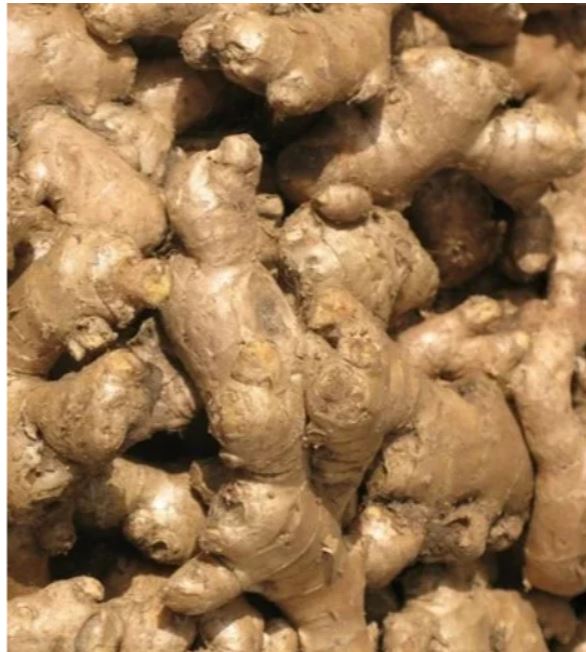
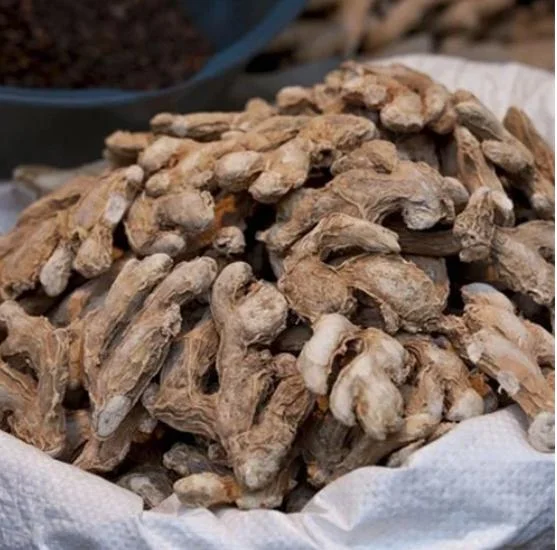
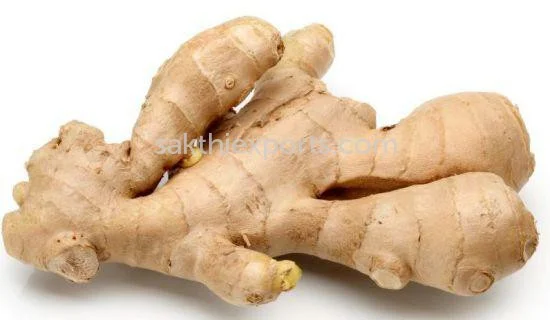
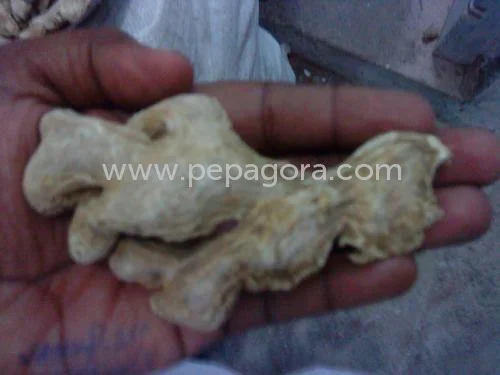
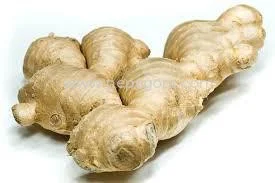
- Fresh organic ginger typically has a smooth, light tan skin with a firm texture.
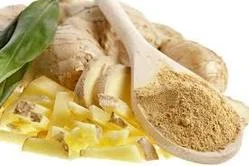
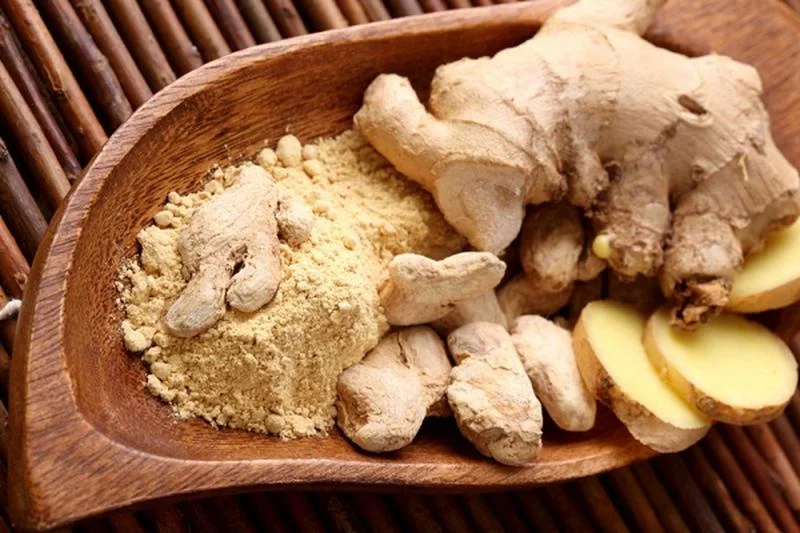
- Dried ginger powder should be fine and free of lumps, with a vibrant yellow color.
4. Moisture Content
- Optimal moisture levels should be maintained to ensure freshness and shelf stability.
- Generally, a moisture content of 10-12% is ideal for dried ginger.
5. Shelf Life
- Fresh organic ginger has a shelf life of 3-4 weeks under proper storage conditions.
- Dried ginger can last up to 2-3 years when stored in a cool, dry place.
6. Packaging
- Must be packaged in moisture-proof, food-grade materials to maintain quality.
- Bulk packaging options are common for B2B transactions.
7. Origin
- The geographical origin can affect flavor and quality, with countries like India and China being prominent producers.
8. Certification
- CE marking and other organic certifications ensure compliance with food safety regulations.
In summary, understanding the key features and specifications of organic ginger is crucial for businesses looking to incorporate this versatile ingredient into their products.
𝗖𝗼𝗺𝗺𝗼𝗻 𝗔𝗽𝗽𝗹𝗶𝗰𝗮𝘁𝗶𝗼𝗻𝘀 𝗮𝗻𝗱 𝗨𝘀𝗲 𝗖𝗮𝘀𝗲𝘀
Organic ginger is utilized in a variety of industries, reflecting its versatility and adaptability.
1. Food and Beverage Industry: Organic ginger is commonly used as a flavoring agent in beverages such as ginger tea, ginger ale, and alcoholic drinks. It adds a distinct taste profile and can enhance the overall sensory experience.
2. Health and Wellness: Organic ginger is a popular ingredient in dietary supplements and herbal products. Its reputed health benefits make it a key component in formulations aimed at boosting immunity and digestion.
3. Culinary Arts: Chefs and food manufacturers use organic ginger to create marinades, sauces, and dressings. Its unique flavor can elevate many dishes, making it a favorite among culinary professionals.
4. Cosmetics and Personal Care: Organic ginger is incorporated into beauty products for its potential skin benefits. It is often found in creams, lotions, and hair care products.
5. Pharmaceutical Industry: The active compounds in organic ginger are studied for their medicinal properties. It is used in traditional medicine and modern pharmaceutical formulations.
6. Natural Remedies: Organic ginger is widely used in herbal remedies to combat nausea and digestive issues. It is often recommended for its natural healing properties.
7. Agriculture: Organic ginger can be used in organic farming practices as a natural pest repellent, contributing to sustainable agricultural methods.
𝗣𝗿𝗼𝗱𝘂𝗰𝘁 𝗩𝗮𝗿𝗶𝗮𝗻𝘁𝘀 𝗮𝗻𝗱 𝗦𝘂𝗯𝗰𝗮𝘁𝗲𝗴𝗼𝗿𝗶𝗲𝘀
Organic ginger comes in several forms, each suited to different uses and preferences.
Fresh Organic Ginger: This variant is sold in its natural state, featuring a firm texture and rich aroma. It is ideal for culinary applications where a fresh flavor is desired.
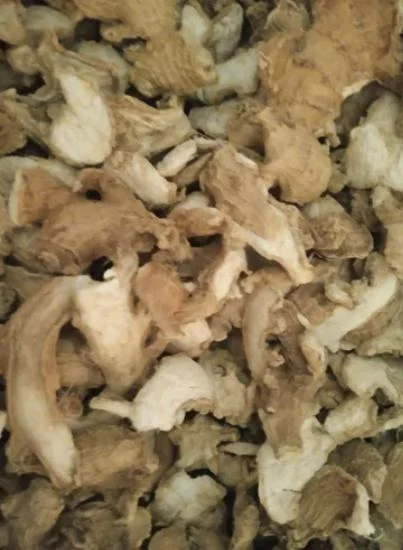
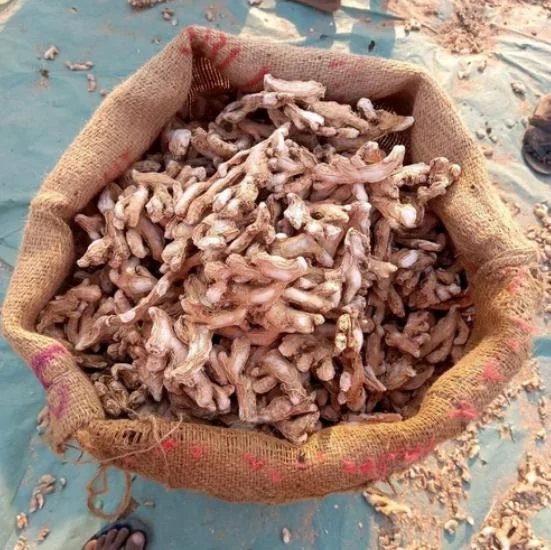
Dried Organic Ginger: Available in powder or whole forms, dried organic ginger is commonly used in spice blends and baking. It offers a more concentrated flavor and longer shelf life.
Ginger Extract: This concentrated form is used in dietary supplements and beverages, providing the benefits of ginger in a potent form.
Pickled Ginger: Often served as a condiment, pickled organic ginger is popular in Asian cuisine. It adds a tangy flavor to sushi and other dishes.
Ginger Oil: Extracted from the rhizome, ginger oil is used in aromatherapy and natural health products. It is valued for its therapeutic properties.
𝗕𝗲𝗻𝗲𝗳𝗶𝘁𝘀 𝗮𝗻𝗱 𝗔𝗱𝘃𝗮𝗻𝘁𝗮𝗴𝗲𝘀
Organic ginger offers numerous benefits that make it an attractive option for businesses.
1. Health Benefits: Organic ginger is known for its anti-inflammatory and antioxidant properties, making it beneficial for digestion and overall health.
2. Natural Flavoring: It provides a unique and robust flavor, enhancing food and beverage products without artificial additives.
3. Versatility: Organic ginger can be used in various forms, such as fresh, dried, or as an extract, catering to different industry needs.
4. Sustainable Sourcing: Sourcing organic ginger supports sustainable farming practices and meets consumer demand for organic products.
5. Market Demand: The growing trend towards natural and organic ingredients creates a favorable market environment for businesses using organic ginger.
6. Cultural Significance: Used in traditional medicine and cuisine, organic ginger has a rich cultural heritage, adding authenticity to products that incorporate it.
𝗕𝘂𝘆𝗶𝗻𝗴 𝗚𝘂𝗶𝗱𝗲 𝗳𝗼𝗿 𝗕𝟮𝗕 𝗕𝘂𝘆𝗲𝗿𝘀
When sourcing organic ginger, businesses should consider several critical factors to ensure they select the right supplier and product quality.
1. Quality Assessment: Ensure that the organic ginger meets established quality standards. Look for certifications that confirm its organic status and compliance with food safety regulations.
2. Supplier Verification: Vet potential suppliers to ensure they have a reliable track record and adhere to ethical sourcing practices. This includes checking references and reviewing their certifications.
3. Pricing and MOQ: Understand pricing structures and minimum order quantities. Compare quotes from multiple suppliers to find the best value without compromising quality.
4. Delivery and Lead Times: Discuss logistics with suppliers to ensure timely delivery. Understand lead times for both fresh and dried ginger to plan inventory accordingly.
5. Compliance Requirements: Be aware of local and international regulations regarding the import and sale of organic products. Ensure suppliers comply with food safety and quality standards.
𝗖𝗼𝗺𝗽𝗹𝗶𝗮𝗻𝗰𝗲 𝗮𝗻𝗱 𝗖𝗲𝗿𝘁𝗶𝗳𝗶𝗰𝗮𝘁𝗶𝗼𝗻𝘀
Organic ginger must adhere to various quality standards and certifications to ensure its safety and efficacy in the market. Key standards include ISO 9001, which focuses on quality management systems, ensuring consistent product quality and customer satisfaction.
HACCP (Hazard Analysis Critical Control Point) is crucial in the food industry, emphasizing the importance of identifying and managing potential hazards in food production. Compliance with HACCP guidelines helps ensure the safety of organic ginger throughout the supply chain.
CE certification indicates compliance with European safety, health, and environmental protection standards. This certification is essential for businesses looking to market organic ginger in the European market.
Additionally, businesses should consider safety and testing requirements, including pesticide residue testing and microbiological assessments, to ensure the product is safe for consumption.
Regional compliance considerations are also important, as different countries may have specific regulations governing the import and sale of organic products. Understanding these regulations is vital for businesses operating in multiple regions.
𝗪𝗵𝘆 𝗦𝗼𝘂𝗿𝗰𝗲 𝗢𝗿𝗴𝗮𝗻𝗶𝗰 𝗚𝗶𝗻𝗴𝗲𝗿 𝗳𝗿𝗼𝗺 𝗣𝗲𝗽𝗮𝗴𝗼𝗿𝗮?
Pepagora offers a trusted platform for sourcing organic ginger, providing numerous advantages to businesses looking to enhance their product offerings.
Verified Supplier Network: Pepagora connects buyers with a network of verified suppliers, ensuring that businesses can source high-quality organic ginger with confidence. Each supplier undergoes a rigorous vetting process to guarantee reliability and product integrity.
Streamlined RFQ Process: The Request for Quotation (RFQ) system allows businesses to easily compare offers from multiple suppliers. This streamlined process saves time and ensures that buyers can find the best prices and terms for organic ginger.
Trade Assurance and Support: Pepagora provides trade assurance to protect buyers throughout their sourcing journey. This includes support for resolving any issues that may arise during transactions, ensuring a smooth purchasing experience.
Regional Coverage: With a strong presence in India, the GCC, and Southeast Asia, Pepagora facilitates access to a diverse range of organic ginger suppliers. This geographic reach allows businesses to tap into local markets and benefit from competitive pricing and fresh produce.
By choosing Pepagora as a sourcing partner, businesses can confidently navigate the organic ginger market, ensuring they acquire high-quality products to meet their needs.
Newly Added


Recently Added
RPV Exports
Organic Basmati Rice Premium Long Grain Nutritional
Organic 1121 White Basmati Rice Sella Parboiled 8.3mm Grain
Organic White Sella Basmati Rice 8.3mm Grain, 100% Pure, Food Service
Indian Valley Foods Pvt Ltd
Organic Java Peanut Kernels Raw Fresh Bulk Food Processing
Bulk Desiccated Coconut Powder For Food Manufacturing
Organic Rice Flour Powder Bulk Long Shelf Life Food
Kothari Phyto Chemicals International
High Purity Strychnine Alkaloid Powder For Pharmaceuticals And Rodenticides
Industrial Denaturant Brucine Sulphate High Purity Crystals Powder
Sennosides A & B 55 65 USP Powder For Laxative Formulations
Sakthi Exports
Premium Compressed Coco Peat Block 5kg Expands to 75L for Horticulture
Bulk Men's Full Sleeve Striped T Shirts All Season S XXL
Bulk Women's T Shirts Short Sleeve Round Neck All Season
Biotan Pharma
Citrus Pectin Natural Stabilizer Gelling Agent For Food Manufacturing
Premium Dehydrated Limes For Food & Beverage Industries
Bulk 5 HTP For Mood Support And Weight Management
Export, India
Organic Fresh Bananas For Food Industry South Indian Cuisine
Organic Green Grapes Fresh Hygienical Food Grade
Organic Sweet Lemons Fresh Hygienical Food Grade Yellow
PMK Exports
Organic Small Onions Fresh Round 100% Mature Bulk
Organic Fresh Pearl Onions Non Peeled Round High Flavonoid
Organic Pearl Onions Fresh Non Peeled High Quality Export Ready
Anmol Dehydration Private Limited
Dehydrated Pink Onion Flakes For Soups Sauces Snacks
Premium Cumin Seeds For Food Manufacturing And Culinary
Bulk Himalayan Crystal Salt For Food Health Industrial
Madex Business House
Organic Cumin Seeds High Grade Spicy Root For Food Pharma
Organic Cinnamon Root High Grade Spicy 100% Pure Long Shelf Life
Organic Long Pepper Root Spicy High Grade Black Seed
Saroj Exports
Premium Cow Ghee For Food Manufacturing And Ayurvedic Supplements
Refined Castor Oil Glass Bottle For Pharmaceuticals Cosmetics
Premium Cucumbers Sustainable Eco Friendly Fresh Vegetables
Why Businesses Trust Pepagora
Thousands of companies trust Pepagora to source smarter and sell faster
Expand Your Sales Globally
25000+Products listed.Get discovered by global buyers
Tools to boost visibility
Build your own catalog

Source Smarter,Grow Faster
4000+Active RFQs
100+ Countries served
Easy Sourcing Tools
