
 IN
INundefined
Organic Cauliflower & Cabbage
4 products available
𝗪𝗵𝗮𝘁 𝗮𝗿𝗲 𝗢𝗿𝗴𝗮𝗻𝗶𝗰 𝗖𝗮𝘂𝗹𝗶𝗳𝗹𝗼𝘄𝗲𝗿 & 𝗖𝗮𝗯𝗯𝗮𝗴𝗲?
Organic Cauliflower and Cabbage are both leafy green vegetables belonging to the Brassica family. These crops are cultivated without synthetic pesticides or fertilizers, making them a popular choice for health-conscious consumers and businesses focused on sustainability. Organic farming practices enhance soil health and biodiversity, contributing to the overall quality and nutritional value of these vegetables.
These vegetables are primarily used in a variety of food products, ranging from fresh produce in grocery stores to ingredients in processed foods. They serve as key components in salads, stir-fries, and soups. In the culinary industry, organic cauliflower is often used as a low-carb substitute for grains, while organic cabbage is a staple in fermented foods like sauerkraut. The demand for organic produce continues to rise as consumers prioritize health and environmental responsibility.
In the current market, the organic vegetable segment is experiencing significant growth. With increased awareness about the benefits of organic eating, businesses in the food service, retail, and health sectors are looking to source high-quality organic cauliflower and cabbage. This trend indicates a shift in consumer preferences towards organic products, driving further investment and innovation in this sector.
𝗞𝗲𝘆 𝗙𝗲𝗮𝘁𝘂𝗿𝗲𝘀 𝗮𝗻𝗱 𝗦𝗽𝗲𝗰𝗶𝗳𝗶𝗰𝗮𝘁𝗶𝗼𝗻𝘀
Organic Cauliflower and Cabbage offer several features that cater to the needs of B2B buyers. They are known for their distinctive flavors, nutritional benefits, and versatility in various culinary applications. Understanding the key specifications of these products is essential for making informed purchasing decisions.
Key specifications include:
1. Nutritional Content
- Rich in vitamins C, K, and fiber
- Low in calories, making them ideal for health-focused products
2. Shelf Life
- Typically lasts 1-2 weeks when stored properly
- Requires temperature control to maintain freshness
3. Sourcing Standards
- Must be certified organic per USDA or equivalent standards
- Free from harmful pesticides and synthetic fertilizers
4. Packaging Requirements
- Usually packed in breathable containers to prevent spoilage
- Labeling must comply with organic certification guidelines
5. Availability
- Seasonal availability can vary based on region
- Demand may fluctuate depending on market trends
6. Size and Grade
- Available in various sizes and grades to suit customer specifications
- Uniformity in size is often required for retail purposes
7. Handling and Transport
- Requires careful handling to avoid damage during transit
- Refrigerated transport is recommended to ensure product integrity
In summary, organic cauliflower and cabbage possess unique features and specifications that make them valuable assets for businesses seeking organic produce. Understanding these elements is crucial for establishing effective sourcing strategies.
𝗖𝗼𝗺𝗺𝗼𝗻 𝗔𝗽𝗽𝗹𝗶𝗰𝗮𝘁𝗶𝗼𝗻𝘀 𝗮𝗻𝗱 𝗨𝘀𝗲 𝗖𝗮𝘀𝗲𝘀
Organic Cauliflower and Cabbage find applications across multiple industries, catering to a wide range of consumer needs.
1. Food Service Industry: Restaurants and catering businesses utilize organic cauliflower and cabbage for their health benefits and versatility. They are often featured in salads, side dishes, and as main course components.
2. Retail Grocery: Supermarkets and health food stores stock organic vegetables to meet consumer demand for healthier, sustainable food options. They are sold fresh or pre-packaged for convenience.
3. Food Processing: Manufacturers of frozen foods, soups, and sauces incorporate organic cauliflower and cabbage into their products, capitalizing on the growing trend of organic consumption.
4. Health and Wellness: Businesses focusing on health supplements include organic vegetables in their formulations due to their high nutritional value and antioxidant properties.
5. Organic Farming: Farmers and distributors specializing in organic produce rely on these vegetables as core products, promoting sustainable agricultural practices.
6. Meal Kit Services: Companies providing meal kits often feature organic cauliflower and cabbage, appealing to consumers looking for healthy, easy-to-prepare meals.
7. Culinary Arts: Chefs and culinary schools emphasize the use of organic vegetables in their training and recipes, highlighting the importance of quality ingredients.
𝗣𝗿𝗼𝗱𝘂𝗰𝘁 𝗩𝗮𝗿𝗶𝗮𝗻𝘁𝘀 𝗮𝗻𝗱 𝗦𝘂𝗯𝗰𝗮𝘁𝗲𝗴𝗼𝗿𝗶𝗲𝘀
Organic Cauliflower and Cabbage are diverse products that can cater to various market needs. While specific subcategories are not available, different varieties of these vegetables exist.
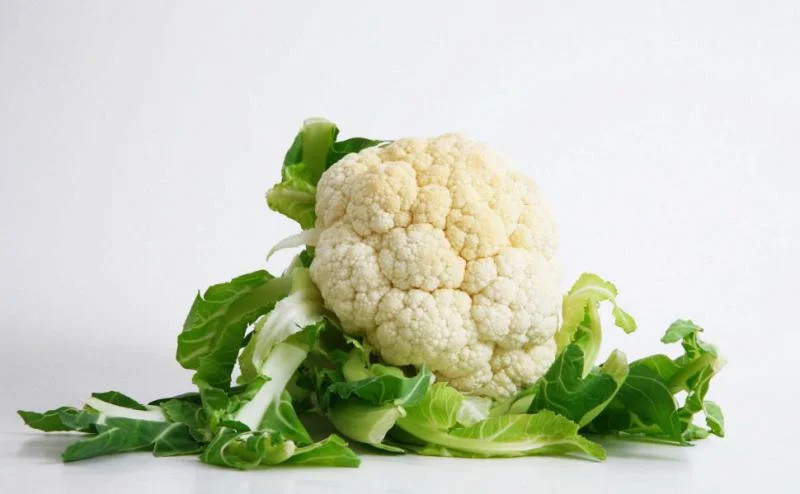
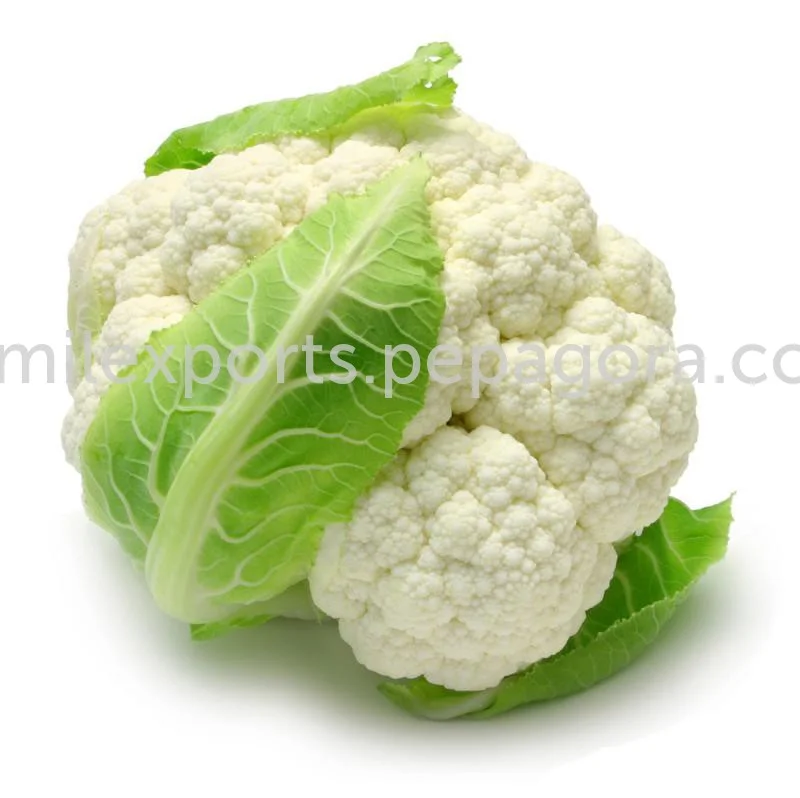
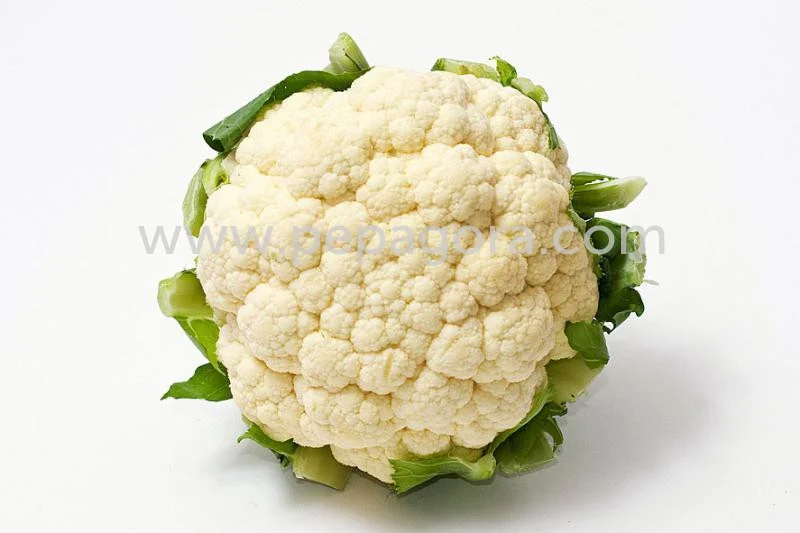
White Cauliflower: This is the most common variant, recognized for its white head and mild flavor. It is often used in a variety of dishes, from raw salads to cooked entrees.
Purple Cauliflower: Known for its vibrant color, this variant contains anthocyanins, providing additional health benefits. It is popular for garnishing and adding color to dishes.
Green Cabbage: This variant is the most widely consumed type of cabbage, often used in salads and coleslaw. It has a crisp texture and slightly peppery flavor.
Savoy Cabbage: Recognized for its crinkled leaves and tender texture, Savoy cabbage is favored in gourmet cooking. It is often used in soups and braised dishes.
Napa Cabbage: This Asian variety is known for its elongated shape and mild flavor. It is commonly used in stir-fries and pickled dishes.
𝗕𝗲𝗻𝗲𝗳𝗶𝘁𝘀 𝗮𝗻𝗱 𝗔𝗱𝘃𝗮𝗻𝘁𝗮𝗴𝗲𝘀
Sourcing Organic Cauliflower and Cabbage offers numerous benefits for businesses in the food industry.
1. Health Benefits: These vegetables are rich in vitamins and minerals, promoting better health outcomes for consumers. Their nutrient density makes them a preferred choice for health-focused brands.
2. Sustainability: Organic farming practices reduce environmental impact, appealing to eco-conscious consumers and businesses. Sourcing organic produce supports sustainable agriculture.
3. Flavor Profile: Organic cauliflower and cabbage often have superior taste compared to conventionally grown varieties, enhancing the overall quality of dishes.
4. Versatility: These vegetables can be used in a wide range of culinary applications, from fresh salads to cooked dishes. Their adaptability makes them suitable for various market segments.
5. Consumer Demand: The rising trend of organic consumption means that businesses can tap into a growing market, increasing sales potential and customer loyalty.
6. Regulatory Compliance: Sourcing certified organic products ensures compliance with health and safety regulations, providing peace of mind for businesses and consumers alike.
𝗕𝘂𝘆𝗶𝗻𝗴 𝗚𝘂𝗶𝗱𝗲 𝗳𝗼𝗿 𝗕𝟮𝗕 𝗕𝘂𝘆𝗲𝗿𝘀
When sourcing Organic Cauliflower and Cabbage, it is essential for B2B buyers to consider specific factors to ensure they make informed purchasing decisions.
1. Quality Assessment: Evaluate the quality of the vegetables based on freshness, appearance, and certifications. Look for signs of spoilage or damage.
2. Supplier Verification: Vet suppliers to ensure they are certified organic and follow proper agricultural practices. Check reviews and references to gauge reliability.
3. Pricing and MOQ: Understand the pricing structure and minimum order quantities. Compare prices across suppliers while considering quality and service.
4. Delivery and Lead Times: Confirm delivery schedules and lead times. Timely delivery is critical for maintaining product quality and meeting customer demands.
5. Compliance Requirements: Ensure that the products meet regulatory standards for organic certification and food safety. This includes checking for relevant documentation and certifications.
𝗖𝗼𝗺𝗽𝗹𝗶𝗮𝗻𝗰𝗲 𝗮𝗻𝗱 𝗖𝗲𝗿𝘁𝗶𝗳𝗶𝗰𝗮𝘁𝗶𝗼𝗻𝘀
Organic Cauliflower and Cabbage must adhere to various quality standards and certifications to ensure they meet industry regulations. These standards include ISO 9001 for quality management systems, HACCP for food safety, and GDP for good distribution practices.
Organizations such as UL and CE provide certifications that ensure products are safe and meet established guidelines. Additionally, compliance with local and international regulations is crucial for market access.
Safety testing requirements may include pesticide residue analysis and microbiological testing. Businesses must also be aware of regional compliance considerations, which can vary based on local laws and consumer preferences.
𝗪𝗵𝘆 𝗦𝗼𝘂𝗿𝗰𝗲 𝗢𝗿𝗴𝗮𝗻𝗶𝗰 𝗖𝗮𝘂𝗹𝗶𝗳𝗹𝗼𝘄𝗲𝗿 & 𝗖𝗮𝗯𝗯𝗮𝗴𝗲 𝗳𝗿𝗼𝗺 𝗣𝗲𝗽𝗮𝗴𝗼𝗿𝗮?
Pepagora provides a trusted platform for sourcing Organic Cauliflower and Cabbage with several key advantages that benefit B2B buyers.
Verified Supplier Network: Pepagora connects buyers with a network of verified suppliers, ensuring that products meet organic certification standards. This network facilitates reliable sourcing for businesses.
Streamlined RFQ Process: The platform offers a streamlined request for quotation (RFQ) process, allowing buyers to quickly compare prices and specifications. This efficiency helps businesses make informed purchasing decisions.
Trade Assurance and Support: Buyers are protected through trade assurance measures, providing peace of mind during transactions. Pepagora offers customer support to address any concerns or questions.
Regional Coverage: Pepagora has extensive geographic reach, covering regions including India, the GCC, and Southeast Asia. This broad network enables buyers to source organic vegetables from diverse markets, enhancing availability and options.
Newly Added


Recently Added
Alagarsamy Exporters
Organic Red Carrots Hygienical Fresh Vegetables Woven Bag
Organic Cherry Tomatoes Fresh Red Round Wooden Box
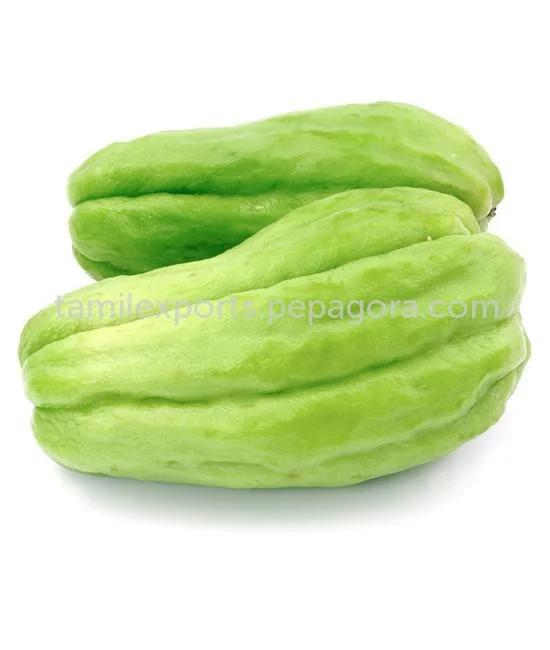
Fresh Organic Chow Chow Vegetables Hygienically Packed
Tamil Exports
Bulk Organic Potatoes Fresh Hygienic High Grade
Organic Fresh Sliced Carrots Hygienical Processed Long Shelf Life
Bulk Organic Fresh Young Ginger Root For Health And Food Processing
Vayalfresh Global Traders
Organic Fresh Purple Onions Medium Size 5Kg Box
Fresh Agriculture Grade Red Tomatoes In 5Kg Box Packaging
Fresh Lemons Agriculture Grade 5Kg Box Sour Citrus Fruit
Why Businesses Trust Pepagora
Thousands of companies trust Pepagora to source smarter and sell faster
Expand Your Sales Globally
25000+Products listed.Get discovered by global buyers
Tools to boost visibility
Build your own catalog

Source Smarter,Grow Faster
4000+Active RFQs
100+ Countries served
Easy Sourcing Tools
