
 IN
INundefined
Oranges & Mandarins
11 products available
𝗪𝗵𝗮𝘁 𝗮𝗿𝗲 𝗢𝗿𝗮𝗻𝗴𝗲𝘀 & 𝗠𝗮𝗻𝗱𝗮𝗿𝗶𝗻𝘀?
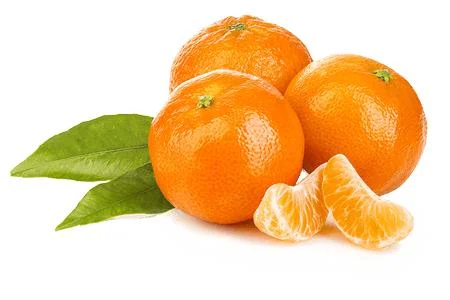
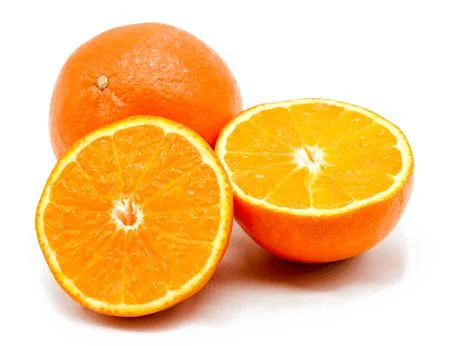
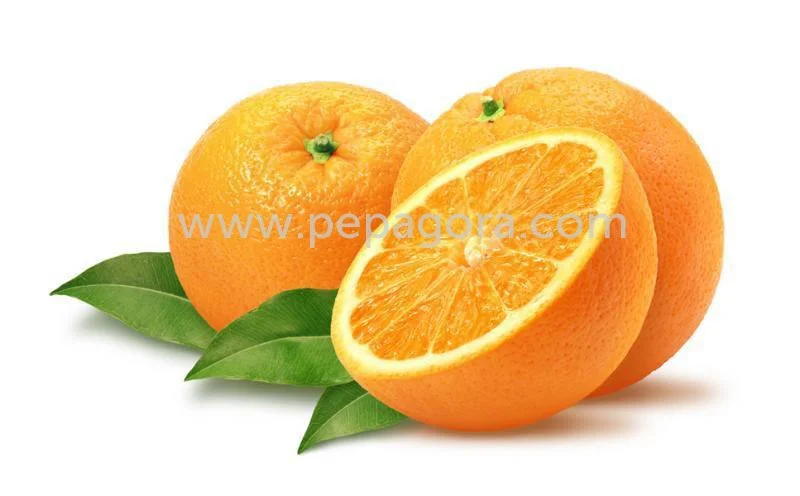
Oranges and mandarins are citrus fruits known for their vibrant colors and refreshing flavors. Oranges are typically larger and have a thicker skin compared to mandarins. Mandarins are smaller, easier to peel, and often sweeter. Both fruits belong to the Rutaceae family and are rich in vitamins, particularly vitamin C, making them popular choices for healthy diets.
These fruits are widely used in various business applications, including food and beverage production, culinary uses, and as ingredients in health products. They can be consumed fresh, juiced, or used in salads, desserts, and sauces. The agricultural industry relies on oranges and mandarins for their economic value, as they are cultivated across diverse climates and regions, making them significant in global trade.
The market for oranges and mandarins continues to grow due to increasing consumer demand for healthy snack options. As businesses look to enhance their product offerings, sourcing quality citrus fruits has become a priority. Understanding the various applications and market trends is essential for stakeholders in the food industry.
𝗞𝗲𝘆 𝗙𝗲𝗮𝘁𝘂𝗿𝗲𝘀 𝗮𝗻𝗱 𝗦𝗽𝗲𝗰𝗶𝗳𝗶𝗰𝗮𝘁𝗶𝗼𝗻𝘀
Oranges and mandarins come with several defining features and specifications that are crucial for businesses. These specifications help buyers understand the quality and characteristics of the fruits they are sourcing.
Key specifications include:
1. Size
- Ranges from small (mandarins) to large (oranges)
- Common size categories are based on diameter in millimeters
2. Color
- Generally bright orange or yellow-orange
- Color intensity can indicate ripeness and quality
3. Sugar Content
- Typical sugar content ranges from 8% to 12%
- Higher sugar levels are often preferred for juices and fresh consumption
4. Acidity Levels
- Acidity levels usually range between 0.5% to 1.5%
- Balance of sweetness and acidity is key for flavor profiles
5. Shelf Life
- Fresh oranges and mandarins typically have a shelf life of 1 to 4 weeks
- Proper storage conditions can extend freshness
6. Packaging
- Common packaging options include cartons, crates, and bulk bins
- Eco-friendly packaging is increasingly preferred
7. Origin
- Sourced from various regions, including the USA, Spain, and South Africa
- Origin impacts flavor and market pricing
In summary, understanding these specifications provides B2B buyers with valuable insights into the quality and characteristics of oranges and mandarins, enabling informed purchasing decisions.
𝗖𝗼𝗺𝗺𝗼𝗻 𝗔𝗽𝗽𝗹𝗶𝗰𝗮𝘁𝗶𝗼𝗻𝘀 𝗮𝗻𝗱 𝗨𝘀𝗲 𝗖𝗮𝘀𝗲𝘀
Oranges and mandarins serve various industries due to their versatility and popularity.
1. Food and Beverage Industry: These fruits are essential for juice production, flavoring, and as fresh snacks. They are often used in cocktails, smoothies, and culinary dishes.
2. Retail and Supermarkets: Oranges and mandarins are staple items in grocery stores. Their visual appeal and health benefits make them popular among consumers.
3. Food Processing: The citrus industry uses these fruits for creating canned products, sauces, and flavored syrups. Their natural sweetness is a valuable ingredient.
4. Health and Wellness: Oranges and mandarins are frequently included in dietary supplements and health products due to their high vitamin C content.
5. Hospitality: Restaurants and hotels often use fresh citrus in cocktails, salads, and desserts, enhancing their menu offerings with vibrant flavors.
6. Agriculture: Farmers focus on cultivating oranges and mandarins for both local markets and exports, contributing significantly to the agricultural economy.
7. Cosmetics: Citrus extracts are used in skincare products for their antioxidant properties, making oranges and mandarins valuable in the beauty industry.
𝗣𝗿𝗼𝗱𝘂𝗰𝘁 𝗩𝗮𝗿𝗶𝗮𝗻𝘁𝘀 𝗮𝗻𝗱 𝗦𝘂𝗯𝗰𝗮𝘁𝗲𝗴𝗼𝗿𝗶𝗲𝘀
Oranges and mandarins come in a range of varieties, each with unique characteristics.
Navel Oranges: Navel oranges are seedless and known for their sweet flavor and thick skin. They are ideal for fresh consumption and juicing due to their juicy and tender flesh.
Mandarin Oranges: Mandarins are smaller, easy to peel, and have a sweet taste. They are perfect for snacking and are often used in fruit salads and desserts.
Valencia Oranges: Valencia oranges are primarily used for juice production. They are juicy, have a high sugar content, and are available in season during the warmer months.
Clementines: Clementines are a type of mandarin that is seedless and very easy to peel. They are popular as a healthy snack option, especially for children.
Satsuma: Satsuma mandarins are known for their loose skin and sweet flavor. They are often enjoyed fresh and are commonly available in winter months.
𝗕𝗲𝗻𝗲𝗳𝗶𝘁𝘀 𝗮𝗻𝗱 𝗔𝗱𝘃𝗮𝗻𝘁𝗮𝗴𝗲𝘀
Sourcing oranges and mandarins offers numerous benefits for businesses.
1. Nutritional Value: Oranges and mandarins are high in vitamins and minerals, particularly vitamin C, which supports immune health and overall well-being.
2. Versatility: These fruits can be used in a wide range of products, from fresh snacks to juices and desserts, making them a valuable addition to any food business.
3. Consumer Demand: The increasing trend towards healthy eating has led to a rise in demand for citrus fruits, ensuring a steady market for suppliers.
4. Economic Value: Oranges and mandarins contribute significantly to agricultural economies, providing livelihoods for farmers and workers in the supply chain.
5. Flavor Enhancement: The natural sweetness and acidity of these fruits enhance the flavor profiles of various culinary applications.
6. Seasonal Availability: With many varieties available year-round, businesses can maintain a consistent supply to meet consumer needs.
𝗕𝘂𝘆𝗶𝗻𝗴 𝗚𝘂𝗶𝗱𝗲 𝗳𝗼𝗿 𝗕𝟮𝗕 𝗕𝘂𝘆𝗲𝗿𝘀
When sourcing oranges and mandarins, it is essential to consider several key factors to ensure quality and reliability.
1. Quality Assessment: Look for specific quality criteria such as color, size, and firmness. Conducting sensory evaluations can help in assessing freshness and taste.
2. Supplier Verification: Vet potential suppliers by checking references, certifications, and reviews. Partnering with reputable suppliers ensures consistent quality and compliance.
3. Pricing and MOQ: Understand the pricing structure and minimum order quantities. This knowledge aids in budgeting and inventory management.
4. Delivery and Lead Times: Discuss logistics with suppliers to ensure timely deliveries. Consider lead times to align with production schedules and consumer demand.
5. Compliance Requirements: Familiarize yourself with regulatory standards for food safety and quality. Ensure that suppliers meet necessary compliance requirements, such as certifications.
𝗖𝗼𝗺𝗽𝗹𝗶𝗮𝗻𝗰𝗲 𝗮𝗻𝗱 𝗖𝗲𝗿𝘁𝗶𝗳𝗶𝗰𝗮𝘁𝗶𝗼𝗻𝘀
Compliance and certifications are crucial in the sourcing of oranges and mandarins. Relevant quality standards, such as ISO 9001, ensure that suppliers adhere to effective quality management practices. HACCP (Hazard Analysis Critical Control Point) ensures food safety by identifying potential hazards in the food supply chain.
Fruits may also carry certifications such as CE, indicating compliance with European health, safety, and environmental protection standards. Safety and testing requirements are vital for maintaining the quality and safety of these products.
Regional compliance considerations can vary, so it is essential to understand local regulations governing the import and sale of citrus fruits. This knowledge helps businesses avoid legal complications and ensures that products meet market standards.
𝗪𝗵𝘆 𝗦𝗼𝘂𝗿𝗰𝗲 𝗢𝗿𝗮𝗻𝗴𝗲𝘀 & 𝗠𝗮𝗻𝗱𝗮𝗿𝗶𝗻𝘀 𝗳𝗿𝗼𝗺 𝗣𝗲𝗽𝗮𝗴𝗼𝗿𝗮?
Pepagora provides a trusted platform for sourcing oranges and mandarins, offering several key advantages to B2B buyers.
Verified Supplier Network: Pepagora connects buyers with a verified network of suppliers, ensuring quality and reliability. Each supplier undergoes a rigorous vetting process to guarantee product standards.
Streamlined RFQ Process: The request for quotation (RFQ) process is designed to be efficient and user-friendly. Buyers can quickly compare offers from multiple suppliers, ensuring competitive pricing.
Trade Assurance and Support: Pepagora offers trade assurance to protect buyers during transactions. This support includes dispute resolution and guidance, fostering a secure purchasing environment.
Regional Coverage: With a strong presence in India, the GCC, and Southeast Asia, Pepagora ensures comprehensive geographic coverage. This reach allows buyers to access a diverse range of suppliers and products in the citrus market.
Newly Added



Recently Added
D. Manivannan & Co
Supply Premium Washington Red Delicious Apples Sweet Crisp
Premium Royal Gala Apples For Supermarkets And Food Service
Granny Smith Apples Premium Tart Crisp Global Sourcing
H C Fruits
Fresh Totapuri Mangoes Food Grade Export Carton Box
Premium Alphonso Mango Fresh Yellow Food Grade Export
Premium Sweet Tamarind 100% Pure Natural Food Grade
AKM Vegetable
Organic Fresh Carrots Hygienically Processed Rich In Vitamins
Organic Fresh Tomatoes For Food Service And Manufacturing
Organic Fresh Young Ginger Root Clean, No Pest, High Iron & Protein
GANESH AGRO FOODS
Premium Indian Black Sesame Seeds Machine Cleaned 99% Purity
Premium Groundnut Bold Peanuts 38/42 50/60 60/70 Grades Low Aflatoxin
Premium Indian Mustard Seeds 99% Purity Machine Cleaned
SM & Co
Organic Fresh Red Apples Hygienical Processed On Time Delivery
Organic Fresh Bananas Premium Quality Hygienical Delivery
Organic Fresh Beetroot For Food Industry South Indian Cuisine
Sri Bannariamman Impex Pvt Ltd
Premium Organic Fresh Pumpkin For Food Manufacturing & Health Products
Organic Bitter Gourd Fresh High Nutritional Long Shelf Life
Organic Green Drumsticks Fresh Hygienic High Nutrient
VNP Exim Trading
Premium Fresh Apples Multiple Sizes Hygienic Packed Nutrient Rich
Premium Fresh Bananas For Food Industry Bulk Orders
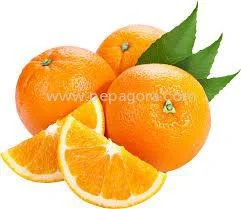
Premium Fresh Oranges Bulk Supply For Juice Production
Export, India
Organic Fresh Bananas For Food Industry South Indian Cuisine
Organic Green Grapes Fresh Hygienical Food Grade
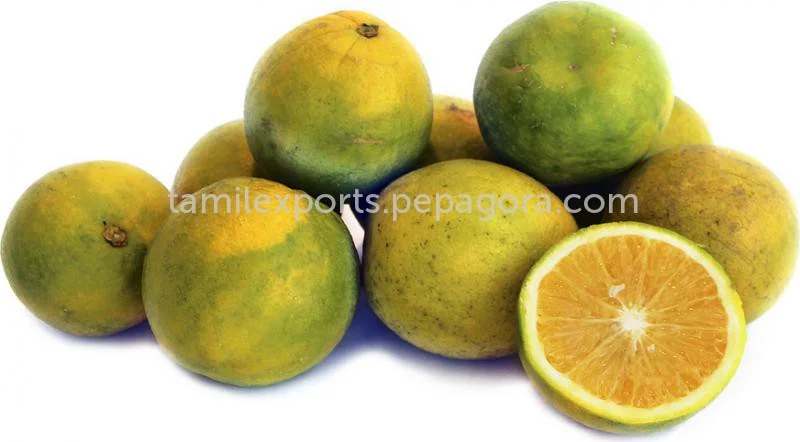
Organic Sweet Lemons Fresh Hygienical Food Grade Yellow
Tamil Exports
Bulk Organic Potatoes Fresh Hygienic High Grade
Organic Fresh Sliced Carrots Hygienical Processed Long Shelf Life
Bulk Organic Fresh Young Ginger Root For Health And Food Processing
Arambaghs Nursery
Premium Adenium Double Triple Plants For Landscaping Nurseries
Industrial And Commercial Durable Solutions For Buyers
Premium Aloe Vera For Cosmetics Pharmaceuticals Wellness
Why Businesses Trust Pepagora
Thousands of companies trust Pepagora to source smarter and sell faster
Expand Your Sales Globally
25000+Products listed.Get discovered by global buyers
Tools to boost visibility
Build your own catalog

Source Smarter,Grow Faster
4000+Active RFQs
100+ Countries served
Easy Sourcing Tools
