
 IN
INundefined
Onions
41 products available
𝗪𝗵𝗮𝘁 𝗮𝗿𝗲 𝗢𝗻𝗶𝗼𝗻𝘀?
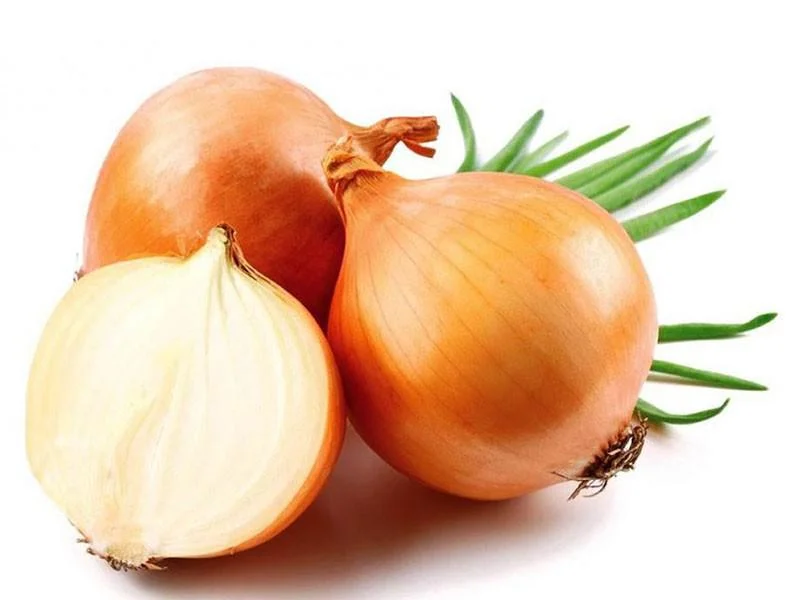
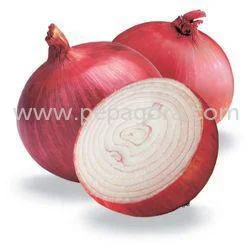
Onions are a type of bulb vegetable belonging to the Allium family, which also includes garlic and leeks. Known for their distinctive flavor and aroma, onions are cultivated worldwide and are a staple ingredient in various cuisines. They come in various colors, including yellow, red, and white, each offering a unique taste profile. Onions grow underground, developing a bulb that is composed of layers, which can vary in thickness and texture based on the variety and growing conditions.
In the B2B context, onions are primarily used in food production, catering, and culinary applications. They serve as a base ingredient in soups, stews, sauces, and dressings, contributing both flavor and nutrition. The food processing industry also utilizes onions for products like onion powder, dehydrated onions, and pickled onions. Additionally, onions are significant in the agricultural sector, where they are grown for fresh market sales and export. Their market relevance is underscored by the increasing global demand for natural ingredients and healthy food options.
𝗞𝗲𝘆 𝗙𝗲𝗮𝘁𝘂𝗿𝗲𝘀 𝗮𝗻𝗱 𝗦𝗽𝗲𝗰𝗶𝗳𝗶𝗰𝗮𝘁𝗶𝗼𝗻𝘀
Onions are characterized by several key features that define their quality and usability in various applications. Understanding these specifications is crucial for businesses involved in procurement and supply chain management.
Key specifications include:
1. Size
- Onions are available in various sizes, typically ranging from small (1-2 inches) to large (3-4 inches in diameter).
2. Color
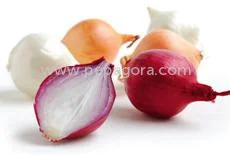
- Common colors include yellow, red, and white, each with distinct flavor profiles and culinary uses.
3. Shelf Life
- Onions can have a shelf life of several weeks to months when stored in optimal conditions, typically at cool temperatures and low humidity.
4. Moisture Content
- Ideal moisture levels are crucial for storage and shelf life, usually maintained between 80-90% relative humidity.
5. Flavor Profile
- Onions can range from sweet to pungent, influencing their use in various dishes.
6. Nutritional Content
- Onions are rich in vitamins C and B6, manganese, and other minerals, contributing to their health benefits.
7. Packaging
- Onions are typically packed in mesh bags, cartons, or crates to ensure ventilation and minimize damage during transport.
In summary, understanding these specifications will help businesses choose the right type of onions for their specific needs while ensuring quality and freshness.
𝗖𝗼𝗺𝗺𝗼𝗻 𝗔𝗽𝗽𝗹𝗶𝗰𝗮𝘁𝗶𝗼𝗻𝘀 𝗮𝗻𝗱 𝗨𝘀𝗲 𝗖𝗮𝘀𝗲𝘀
Onions have a wide range of applications across various industries.
1. Food Industry: Onions are fundamental in food preparation, providing flavor and color to dishes ranging from salads to main courses.
2. Food Processing: Onions are processed into products like onion powder, sauces, and canned goods, making them versatile for industrial use.
3. Catering Services: In the catering industry, onions are often used in bulk recipes, enhancing the taste of catered dishes and events.
4. Retail: Supermarkets and grocery stores sell fresh onions, catering to consumer demand for everyday cooking ingredients.
5. Export Markets: Onions are a significant export product for many countries, contributing to global trade and economy.
6. Health and Wellness: Onions are recognized for their health benefits, making them popular in dietary supplements and natural health products.
7. Organic Farming: With the rise in demand for organic produce, onions are increasingly grown under organic farming practices, appealing to health-conscious consumers.
𝗣𝗿𝗼𝗱𝘂𝗰𝘁 𝗩𝗮𝗿𝗶𝗮𝗻𝘁𝘀 𝗮𝗻𝗱 𝗦𝘂𝗯𝗰𝗮𝘁𝗲𝗴𝗼𝗿𝗶𝗲𝘀
Onions come in several variants, each suited to different culinary and business needs.
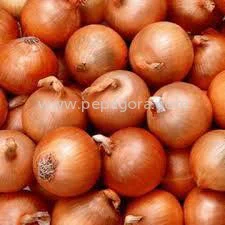
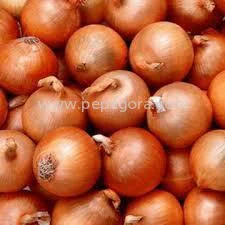
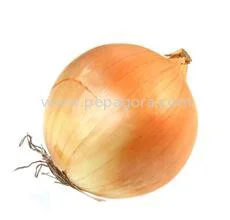
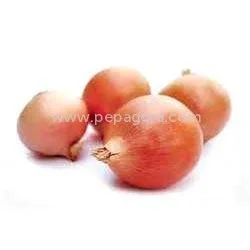
Yellow Onions: These are the most commonly used onions, known for their strong flavor and versatility in cooking. They are great for caramelizing and are ideal for soups and stews.
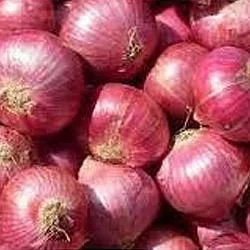
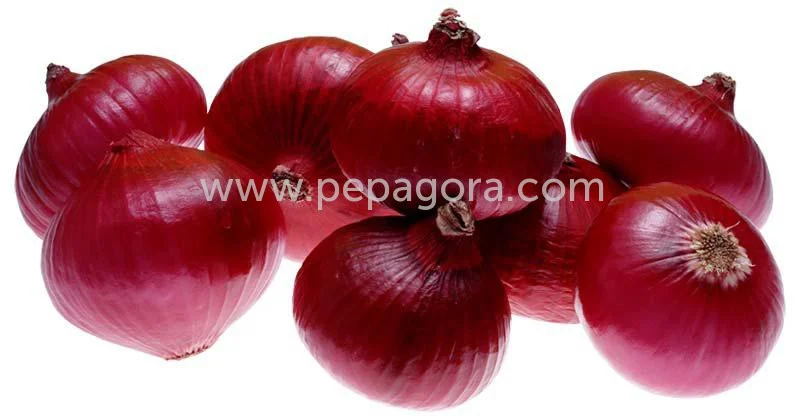
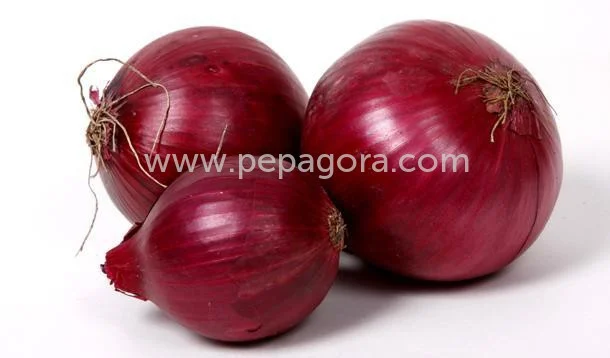
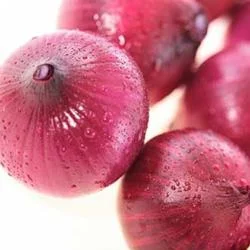
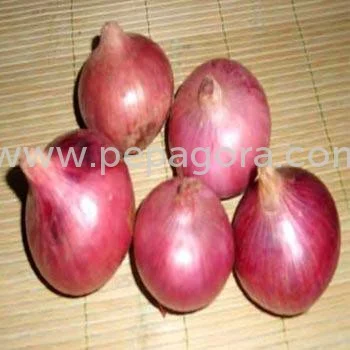
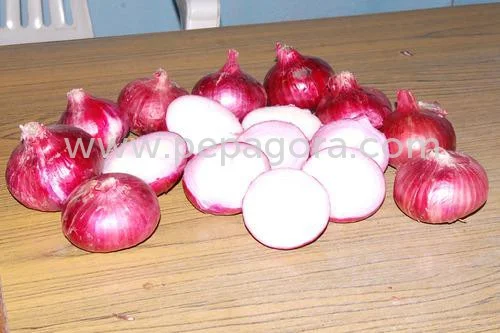
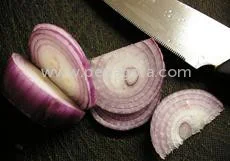
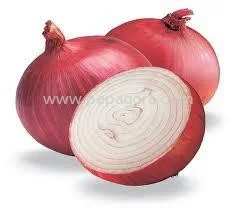
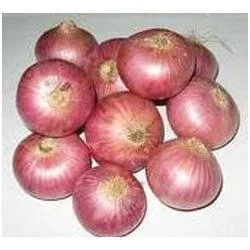
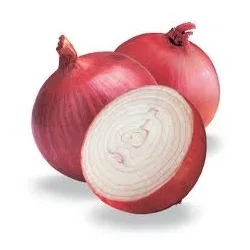
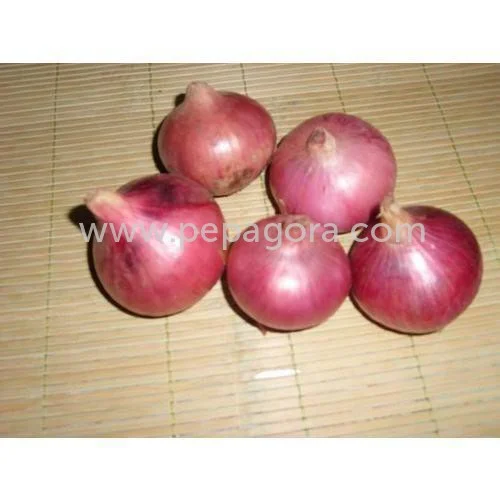
Red Onions: These onions have a milder flavor and are often used in salads and salsas. Their vibrant color adds visual appeal to dishes.
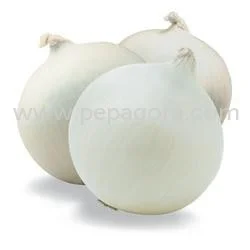
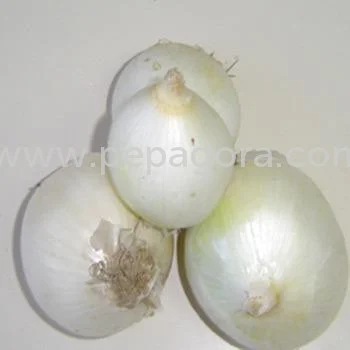
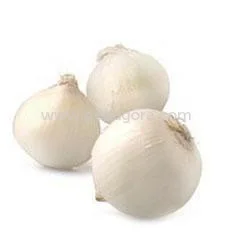
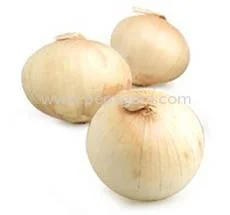
White Onions: Known for their crisp texture and mild, slightly sweet flavor, white onions are often used in Mexican cuisine and can be eaten raw in salads.
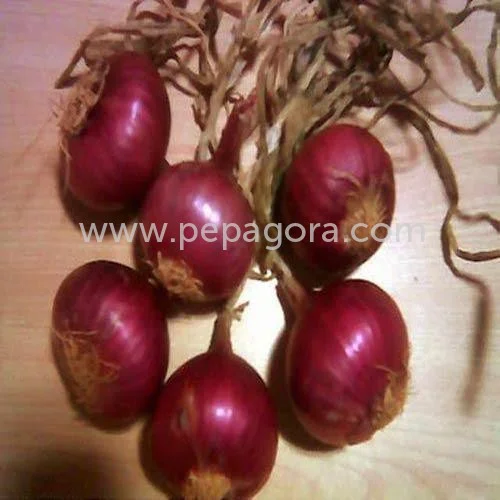
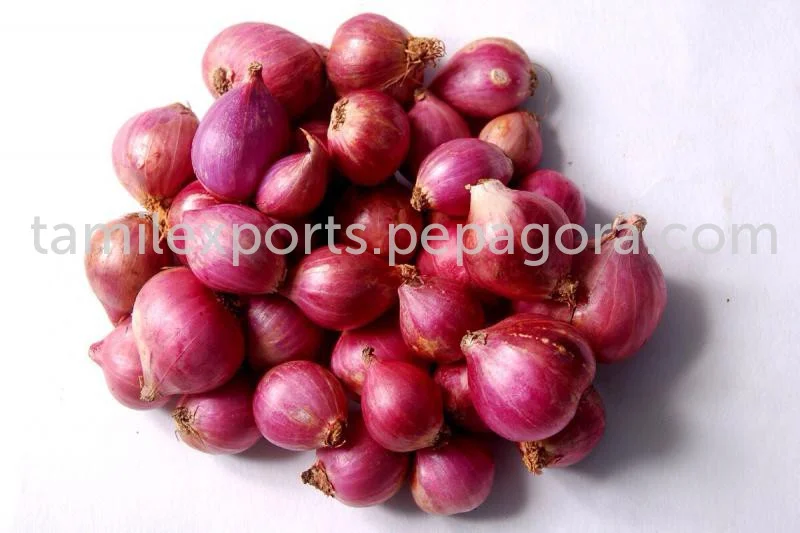
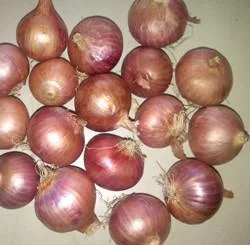
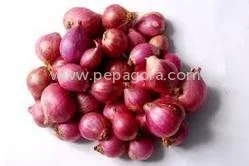
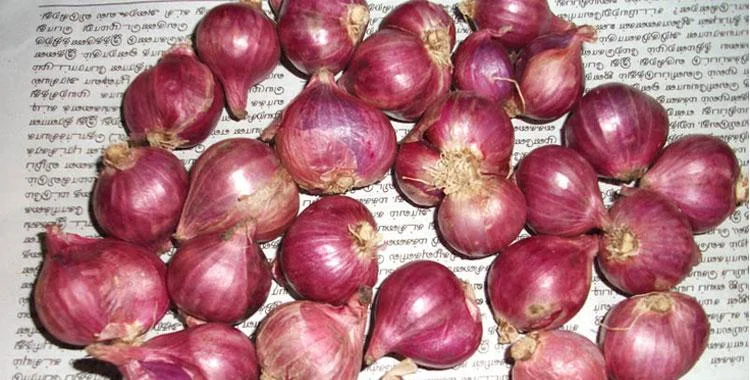
Shallots: A smaller member of the onion family, shallots have a sweeter taste and are frequently used in gourmet cooking and dressings.
Green Onions: Also known as scallions, these are harvested early and have a mild flavor. They are commonly used as a garnish or in salads.
𝗕𝗲𝗻𝗲𝗳𝗶𝘁𝘀 𝗮𝗻𝗱 𝗔𝗱𝘃𝗮𝗻𝘁𝗮𝗴𝗲𝘀
Onions offer numerous benefits that make them an attractive choice for businesses.
1. Versatility: Onions can be used in a wide range of dishes, enhancing flavors and providing culinary diversity.
2. Nutritional Value: They are rich in essential vitamins and minerals, contributing to healthier food options.
3. Cost-Effectiveness: Onions are generally affordable, making them a budget-friendly ingredient for restaurants and food producers.
4. Long Shelf Life: When stored properly, onions can last for extended periods, reducing waste and improving inventory management.
5. Flavor Enhancement: They add depth and complexity to recipes, making them a staple ingredient in professional kitchens.
6. Health Benefits: Onions contain antioxidants and anti-inflammatory properties, promoting overall health and wellness.
𝗕𝘂𝘆𝗶𝗻𝗴 𝗚𝘂𝗶𝗱𝗲 𝗳𝗼𝗿 𝗕𝟮𝗕 𝗕𝘂𝘆𝗲𝗿𝘀
When sourcing onions for business use, several factors should be considered to ensure quality and reliability.
1. Quality Assessment: Evaluate the physical characteristics of onions, such as size, color, and firmness, to ensure they meet quality standards.
2. Supplier Verification: Verify suppliers by checking reviews, certifications, and past performance to ensure they provide high-quality products.
3. Pricing and MOQ: Understand the pricing structures and minimum order quantities (MOQ) from suppliers to align with your budget and inventory needs.
4. Delivery and Lead Times: Confirm delivery schedules and lead times to ensure timely supply for your operations.
5. Compliance Requirements: Be aware of any local and international regulations regarding food safety, quality certifications, and labeling.
𝗖𝗼𝗺𝗽𝗹𝗶𝗮𝗻𝗰𝗲 𝗮𝗻𝗱 𝗖𝗲𝗿𝘁𝗶𝗳𝗶𝗰𝗮𝘁𝗶𝗼𝗻𝘀
Onions must adhere to various quality standards and certifications to ensure safety and quality in the market.
ISO 9001: This standard focuses on quality management systems, ensuring that the production and handling of onions meet customer and regulatory requirements.
HACCP: Hazard Analysis Critical Control Point is a systematic preventive approach to food safety that ensures the safe production of onions.
CE Certification: This indicates that the onions conform to European health, safety, and environmental protection standards.
Safety and testing requirements may vary by region, and suppliers should provide documentation to verify compliance with local regulations.
Regional compliance considerations are essential for international trade, ensuring that onions meet the importing country's standards.
𝗪𝗵𝘆 𝗦𝗼𝘂𝗿𝗰𝗲 𝗢𝗻𝗶𝗼𝗻𝘀 𝗳𝗿𝗼𝗺 𝗣𝗲𝗽𝗮𝗴𝗼𝗿𝗮?
Pepagora serves as a trusted platform for sourcing onions, providing several key advantages to B2B buyers.
Verified Supplier Network: With a rigorous vetting process, Pepagora connects businesses with verified suppliers, ensuring quality and reliability in every transaction.
Streamlined RFQ Process: The Request for Quotation (RFQ) system simplifies the procurement process, allowing buyers to receive competitive quotes from multiple suppliers quickly.
Trade Assurance and Support: Pepagora offers buyer protection measures to ensure that transactions are secure and that quality standards are met.
Regional Coverage: With a strong presence in India, the GCC, and Southeast Asia, Pepagora provides extensive geographic reach, allowing businesses to source onions from reliable suppliers across these regions.
Newly Added
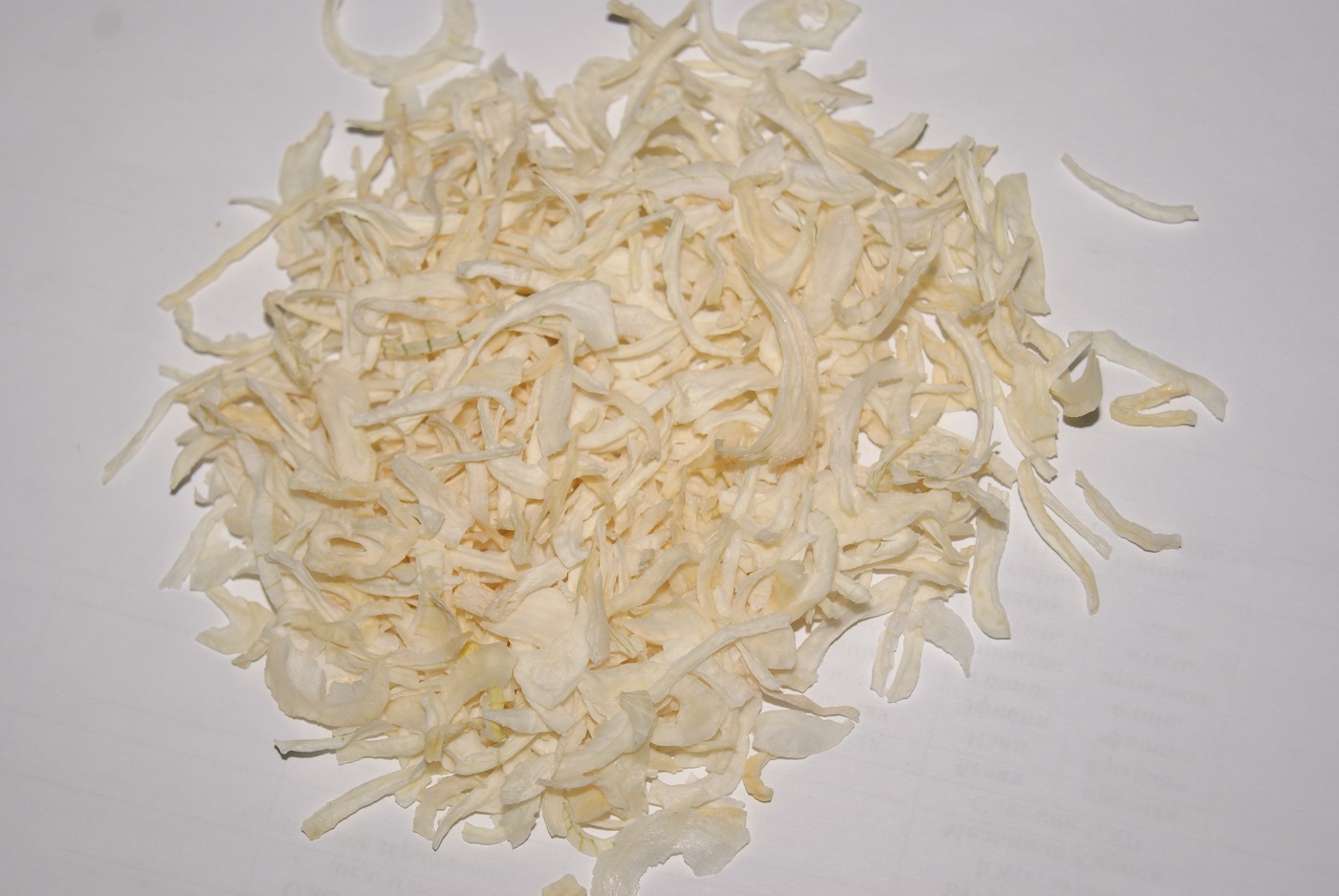
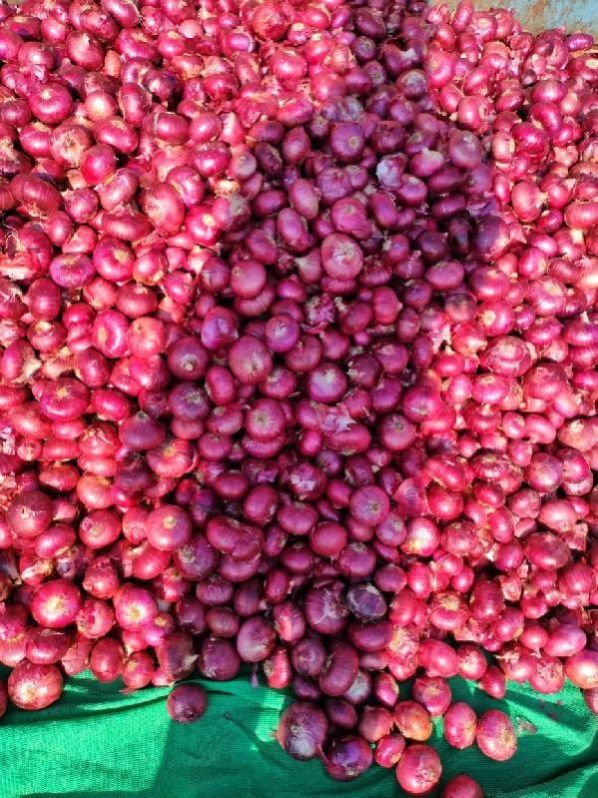

Premium Fresh Red Onions 50mm 70mm Bulk Supply For Cooking & Processing
In Stock

NagaSai Exim Corp
 IN
IN12
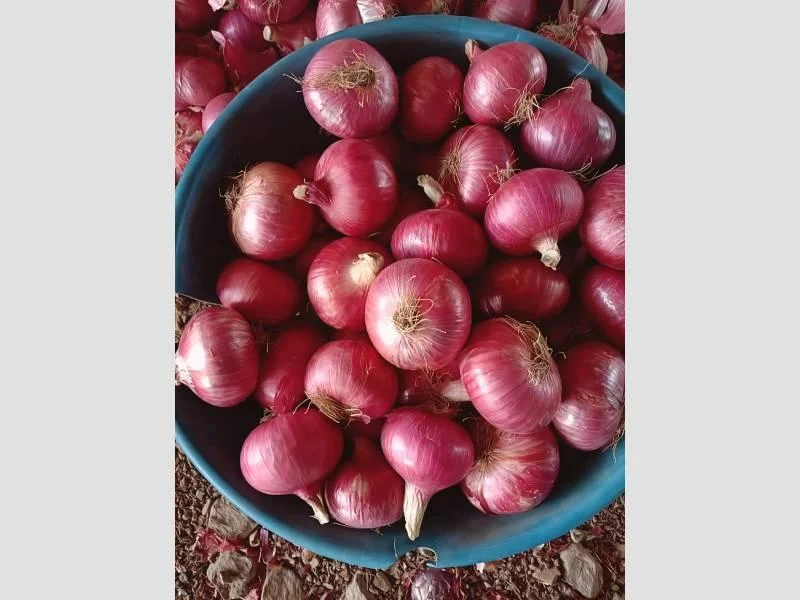
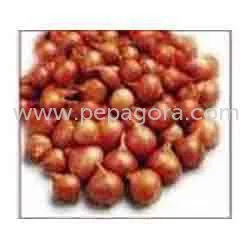
Premium Shallot Onions For Buyers Fresh, Nutrient Rich
In Stock
Min. order :1 units
Atul Vilas Gade
IN11

Recently Added
Tamil Exports
Bulk Organic Potatoes Fresh Hygienic High Grade
Organic Fresh Sliced Carrots Hygienical Processed Long Shelf Life
Bulk Organic Fresh Young Ginger Root For Health And Food Processing
Sri Bannariamman Impex Pvt Ltd
Premium Organic Fresh Pumpkin For Food Manufacturing & Health Products
Organic Bitter Gourd Fresh High Nutritional Long Shelf Life
Organic Green Drumsticks Fresh Hygienic High Nutrient
Aanand Exporters
Premium Fuji Apples Fresh Juicy Multiple Sizes Certified Growers
Premium Bananas For Importers And Distributors
Premium Fresh Fruits For Importers And Distributors In Carton Boxes
Saraswati International
Fresh White Onions Premium Round For Global Distributors
Dehydrated Red Onions Whole Sliced For Food Manufacturing
Premium Indian Shallots Fresh Round Onions For Importers
Ashtavinayak International
Export Premium Kesar Mango Fresh Food Grade 95% Maturity
Fresh Raw Peanut Bulk Supply For Cooking And Snacks
Premium Indian Spices For Food Manufacturing And Retail
Atul Vilas Gade
Bulk Nashik Red Onions Premium Quality 30mm 75mm Sizes
Premium Pink Onions For Culinary Dishes And Food Industry
Supply Premium White Onions For Global Cuisine & Food Processing
PMK Exports
Organic Small Onions Fresh Round 100% Mature Bulk
Organic Fresh Pearl Onions Non Peeled Round High Flavonoid
Organic Pearl Onions Fresh Non Peeled High Quality Export Ready
Anmol Dehydration Private Limited
Dehydrated Pink Onion Flakes For Soups Sauces Snacks
Premium Cumin Seeds For Food Manufacturing And Culinary
Bulk Himalayan Crystal Salt For Food Health Industrial
Sunrise Exports
Bulk Organic Fresh Onions High Flavonoids Iron 100% Mature
Bulk Organic Fresh Young Ginger Root For Health
Premium Coriander Seeds Dried Blended For Food Processing
GKK Exports
Organic Cashew Nuts Dried Hygienic Rich Taste Long Shelf Life
Premium Organic Raw Cashew Nuts Hygienic Dried High Grade
Organic Teja Chillies Sun Dried Sharp Peppery Red 100% Pure
Why Businesses Trust Pepagora
Thousands of companies trust Pepagora to source smarter and sell faster
Expand Your Sales Globally
25000+Products listed.Get discovered by global buyers
Tools to boost visibility
Build your own catalog

Source Smarter,Grow Faster
4000+Active RFQs
100+ Countries served
Easy Sourcing Tools
