
 IN
INundefined
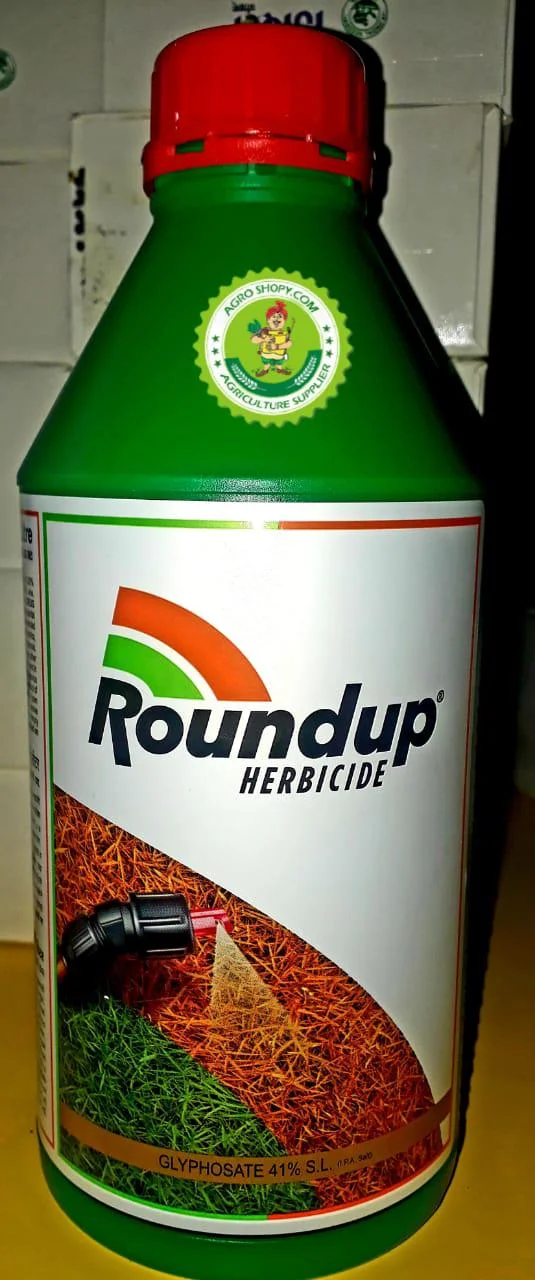
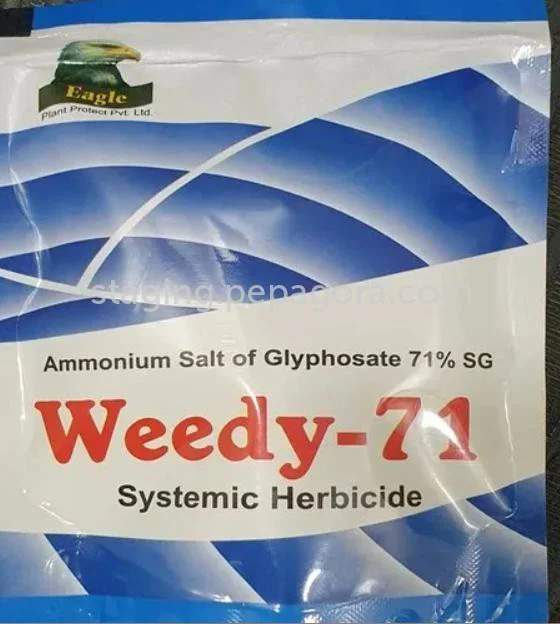
Non-Selective Herbicides (Glyphosate)
3 products available
What are Non-Selective Herbicides (Glyphosate)?
Non-selective herbicides are chemical substances designed to kill all types of plant life, making them particularly effective in managing unwanted vegetation. Glyphosate is the most widely used non-selective herbicide globally. It works by inhibiting a specific enzyme pathway essential for plant growth, leading to the death of the target plants. This herbicide is typically applied to crops, gardens, and other areas to control weeds and invasive plant species.
The primary uses of glyphosate include agriculture, landscaping, and industrial applications. In agriculture, it is often used in conjunction with genetically modified crops that are resistant to glyphosate, allowing farmers to control weeds without harming their crops. In landscaping, glyphosate helps maintain clean and clear outdoor spaces. Its effectiveness and versatility make it a valuable tool in various business applications, contributing significantly to the agricultural sector's productivity and sustainability.
As the global agricultural landscape evolves, glyphosate continues to play a critical role in weed management strategies. Market demand for glyphosate remains high due to its effectiveness and the growing need for efficient land management solutions. However, it is also subject to scrutiny and regulation due to health and environmental concerns, prompting ongoing discussions in the industry regarding its use and safety.
𝗞𝗲𝘆 𝗙𝗲𝗮𝘁𝘂𝗿𝗲𝘀 𝗮𝗻𝗱 𝗦𝗽𝗲𝗰𝗶𝗳𝗶𝗰𝗮𝘁𝗶𝗼𝗻𝘀
Glyphosate is characterized by several key features that enhance its effectiveness as a non-selective herbicide. Understanding these specifications is essential for businesses looking to implement herbicide solutions effectively.
Key specifications include:
1. Active Ingredient Concentration
- Glyphosate concentration typically ranges from 41% to 73%.
- Higher concentrations are often used for industrial applications.
2. Formulation Type
- Available in liquid, granule, and powder forms.
- Liquid formulations are commonly used for ease of application.
3. Application Method
- Can be applied through spraying, soil incorporation, or direct injection.
- Spraying is the most common method in agricultural settings.
4. pH Stability
- Glyphosate is stable across a wide pH range, typically from 4 to 9.
- This stability ensures effectiveness in varied soil conditions.
5. Environmental Persistence
- Glyphosate has a moderate persistence in the environment.
- Breakdown typically occurs within weeks to months, depending on conditions.
6. Toxicity Level
- Classified as having low toxicity to humans and animals.
- However, safety guidelines should always be followed.
7. Resistance Management
- Glyphosate is often used in rotation with other herbicides.
- This practice helps prevent weed resistance development.
8. Rainfastness
- Effective rainfast period typically ranges from 30 minutes to 2 hours.
- Quick rainfastness enhances application flexibility.
In summary, glyphosate's specifications highlight its versatility, effectiveness, and the importance of adherence to safety regulations during application.
𝗖𝗼𝗺𝗺𝗼𝗻 𝗔𝗽𝗽𝗹𝗶𝗰𝗮𝘁𝗶𝗼𝗻𝘀 𝗮𝗻𝗱 𝗨𝘀𝗲 𝗖𝗮𝘀𝗲𝘀
Glyphosate serves various industries, reflecting its versatility and effectiveness in weed management.
1. Agriculture: Glyphosate is extensively used in crop production, particularly with genetically modified crops engineered for glyphosate resistance. It allows farmers to control weeds effectively, improving crop yields.
2. Landscaping: In commercial and residential landscaping, glyphosate is employed to maintain clean surfaces by eliminating unwanted plants, ensuring aesthetic appeal and health safety.
3. Forestry: Glyphosate is utilized in forestry management to control underbrush and invasive species, promoting the growth of desirable trees and improving forest health.
4. Industrial Sites: Glyphosate is applied in industrial settings to clear land for development and maintain clear pathways, ensuring safe and accessible work environments.
5. Roadside Maintenance: Government agencies use glyphosate along highways and railways to manage weeds, ensuring safe visibility and reducing fire hazards.
6. Retail and Consumer Products: Glyphosate is also found in various consumer herbicide products sold for home gardening, allowing homeowners to manage weeds effectively.
7. Aquatic Management: In some cases, glyphosate is used in aquatic environments to control invasive plant species, helping to maintain biodiversity.
𝗣𝗿𝗼𝗱𝘂𝗰𝘁 𝗩𝗮𝗿𝗶𝗮𝗻𝘁𝘀 𝗮𝗻𝗱 𝗦𝘂𝗯𝗰𝗮𝘁𝗲𝗴𝗼𝗿𝗶𝗲𝘀
Non-selective herbicides like glyphosate come in various forms to cater to different user needs and application methods.
Liquid Glyphosate
This variant is the most widely used and is easy to apply using spray equipment. It provides rapid absorption by plants and is effective for large-scale agricultural applications.
Granular Glyphosate
Granular formulation offers targeted application, suitable for spot treatments in gardens or landscaped areas. It provides prolonged effectiveness due to gradual release.
Powder Glyphosate
Powdered glyphosate is often used for custom mixing and formulations. It allows flexibility in concentration and targeted applications.
𝗕𝗲𝗻𝗲𝗳𝗶𝘁𝘀 𝗮𝗻𝗱 𝗔𝗱𝘃𝗮𝗻𝘁𝗮𝗴𝗲𝘀
Using glyphosate as a non-selective herbicide presents several advantages for businesses and consumers alike.
Key benefits include:
1. Broad-spectrum Control: Glyphosate effectively eliminates a wide variety of weeds and unwanted plants, allowing for cleaner agricultural and landscaping environments.
2. Cost-Effective: Glyphosate's effectiveness means that less product is needed per application, resulting in lower overall costs for weed management.
3. Compatibility with GM Crops: It can be used with glyphosate-resistant crops, providing farmers with a powerful tool for weed control without damaging their plants.
4. Reduced Soil Erosion: By effectively controlling weeds, glyphosate helps maintain soil structure and reduces erosion, contributing to sustainable agricultural practices.
5. Ease of Use: Glyphosate's various formulations make it easy to apply, whether for large-scale farming or small garden use.
6. Environmental Benefits: When used responsibly, glyphosate can support sustainable farming practices by reducing the need for mechanical weeding, which can lead to soil compaction.
𝗕𝘂𝘆𝗶𝗻𝗴 𝗚𝘂𝗶𝗱𝗲 𝗳𝗼𝗿 𝗕𝟮𝗕 𝗕𝘂𝘆𝗲𝗿𝘀
When sourcing Non-Selective Herbicides (Glyphosate), several factors should be taken into consideration to ensure the right purchase.
1. Quality Assessment: Buyers should evaluate product quality based on purity, concentration, and formulation types to ensure effectiveness and safety.
2. Supplier Verification: It is crucial to vet suppliers for reliability and reputation in the market. Look for established suppliers with positive reviews and certifications.
3. Pricing and MOQ: Understanding the pricing structure and minimum order quantities (MOQ) is essential for budget planning and operational efficiency.
4. Delivery and Lead Times: Buyers must consider logistics, including delivery times and shipping costs, to plan their inventory effectively.
5. Compliance Requirements: Familiarize yourself with local regulations regarding herbicide use, including safety data sheets and environmental compliance to avoid legal issues.
𝗖𝗼𝗺𝗽𝗹𝗶𝗮𝗻𝗰𝗲 𝗮𝗻𝗱 𝗖𝗲𝗿𝘁𝗶𝗳𝗶𝗰𝗮𝘁𝗶𝗼𝗻𝘀
Compliance with quality standards and certifications is vital for the safe use and effectiveness of glyphosate.
Relevant quality standards include ISO 9001, which ensures consistent quality management systems. This standard helps in maintaining high product quality throughout the manufacturing process.
Industry certifications, such as CE marking, indicate that glyphosate products meet European health, safety, and environmental protection standards. This certification is essential for companies that operate in or export to Europe.
Safety and testing requirements involve rigorous assessments to ensure that glyphosate products are safe for use. This includes toxicity testing and environmental impact assessments to mitigate risks associated with herbicide application.
Regional compliance considerations vary by country, with specific regulations governing herbicide use. It is essential to stay informed about local laws to ensure compliance and avoid penalties.
Why Source Non-Selective Herbicides (Glyphosate) from Pepagora?
Pepagora provides a trusted platform for sourcing Non-Selective Herbicides (Glyphosate), offering several key advantages to buyers.
Verified Supplier Network: Pepagora connects buyers with a vetted network of suppliers, ensuring that each provider meets quality standards and industry regulations. This helps buyers make informed decisions with confidence.
Streamlined RFQ Process: The request for quotation (RFQ) process on Pepagora is designed to be efficient and user-friendly. Buyers can easily compare prices and terms from multiple suppliers, facilitating better purchasing decisions.
Trade Assurance and Support: Pepagora ensures buyer protection through trade assurance programs, offering support in case of any disputes or issues with suppliers. This adds an extra layer of security for businesses.
Regional Coverage: Pepagora has a broad geographic reach, serving markets in India, the GCC, and Southeast Asia. This enables buyers to access glyphosate products tailored to their specific regional needs, ensuring compliance and effectiveness.
Newly Added


Recently Added
Eagle Plant Protect Private Limited
Eagatra Thiamethoxam Insecticide For Cotton Rice Vegetables Pulses
Cygale Cypermethrin Insecticide For Cotton Vegetables Field Crops
Procygle Super Profenofos Cypermethrin Insecticide For Cotton Paddy Vegetables
Agastya Bio-Tech
A Mix Herbicide For Transplanted Paddy Early Post Emergent Weed Control
Aalprit Pre Emergent Herbicide For Transplanted Paddy Weed Control
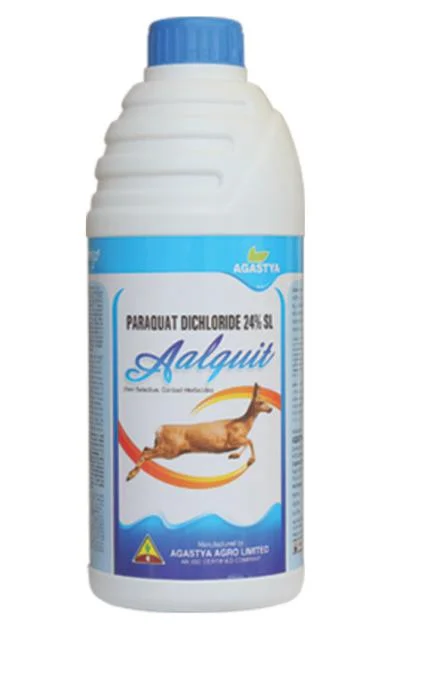
Agastya Aalquit 24% Paraquat Dichloride SL Herbicide For Preplant Weed Control
Vision Agro Biotech
Vision Agro Biotech ADVANCE LIFE Plant Growth Booster 100g Flowering & Fruiting Enhancer
Vision Agro Biotech ADVANCE LIFE Plant Growth Booster 100g for Vegetables Fruits Flowers
Vision Agro Biotech ALL IN ONE Plant Tonic 5 ML Organic Growth Enhancer
Why Businesses Trust Pepagora
Thousands of companies trust Pepagora to source smarter and sell faster
Expand Your Sales Globally
25000+Products listed.Get discovered by global buyers
Tools to boost visibility
Build your own catalog

Source Smarter,Grow Faster
4000+Active RFQs
100+ Countries served
Easy Sourcing Tools
