
 IN
INundefined
Non-Basmati Rice
13 products available
𝗪𝗵𝗮𝘁 𝗮𝗿𝗲 𝗡𝗼𝗻-𝗕𝗮𝘀𝗺𝗮𝘁𝗶 𝗥𝗶𝗰𝗲?
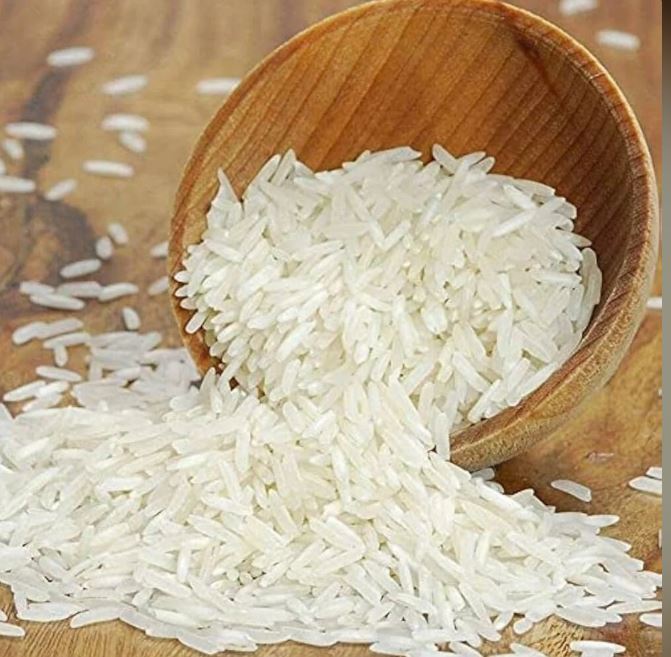
Non-Basmati Rice refers to a variety of rice that does not fall under the Basmati classification. Unlike Basmati rice, which is known for its long grains and aromatic qualities, Non-Basmati Rice encompasses a wide range of varieties, including both short and medium-grain types. This rice category is primarily cultivated in regions outside of the traditional Basmati-growing areas, such as India and Pakistan. Non-Basmati Rice is often characterized by its versatility, affordability, and ease of cultivation, making it a staple in many households and industries.
The primary uses of Non-Basmati Rice extend across various sectors, including food processing, catering, and retail. It serves as a fundamental ingredient in numerous cuisines, often used for dishes like biryani, fried rice, and various stews. In commercial applications, Non-Basmati Rice is frequently utilized in the production of rice flour, snacks, and other processed food items. As a result, it holds significant relevance in the agricultural and food manufacturing industries, contributing to both local economies and global trade.
In the current market context, Non-Basmati Rice is gaining attention due to rising demand for affordable staple foods. As populations grow and food security becomes increasingly important, the cultivation and distribution of Non-Basmati Rice are vital. The rice market is also impacted by trade dynamics and regulatory policies that affect pricing and availability, making this product a key player in the global food supply chain.
𝗞𝗲𝘆 𝗙𝗲𝗮𝘁𝘂𝗿𝗲𝘀 𝗮𝗻𝗱 𝗦𝗽𝗲𝗰𝗶𝗳𝗶𝗰𝗮𝘁𝗶𝗼𝗻𝘀
Non-Basmati Rice offers several key features that cater to diverse consumer needs and preferences. Understanding these specifications is crucial for businesses looking to source this product effectively.
Key specifications include:
1. Grain Length
- Typically ranges from short to medium grain
- Affects the cooking quality and texture
2. Aroma
- Less aromatic than Basmati rice
- Varieties may have mild natural scents
3. Cooking Time
- Generally requires 15 to 20 minutes to cook
- Varies based on grain type and preparation method
4. Nutritional Content
- Rich in carbohydrates, providing energy
- Contains essential vitamins and minerals
5. Moisture Content
- Ideal moisture levels are between 12% to 14%
- Ensures optimal shelf life and quality
6. Color
- Available in both white and brown varieties
- Color impacts market preference and usage
7. Packaging
- Offered in bulk or retail packaging
- Packaging affects storage and transportation efficiency
8. Shelf Life
- Typically lasts 6 to 12 months when stored properly
- Shelf life may vary based on storage conditions
These specifications help buyers make informed decisions when sourcing Non-Basmati Rice for their applications.
𝗖𝗼𝗺𝗺𝗼𝗻 𝗔𝗽𝗽𝗹𝗶𝗰𝗮𝘁𝗶𝗼𝗻𝘀 𝗮𝗻𝗱 𝗨𝘀𝗲 𝗖𝗮𝘀𝗲𝘀
Non-Basmati Rice is widely used across various industries due to its versatility and cost-effectiveness.
1. Food Processing: Non-Basmati Rice is a key ingredient in the production of rice flour, snacks, and ready-to-eat meals, catering to the growing demand for convenience foods.
2. Catering Services: Restaurants and catering companies often prefer Non-Basmati Rice for its affordability and ability to complement a wide range of dishes, enhancing menu options.
3. Retail: Supermarkets and grocery stores stock Non-Basmati Rice in various packaging sizes to meet consumer demand for staple food items.
4. Export: Non-Basmati Rice is frequently exported to international markets, supporting global food supply chains and enhancing trade relationships.
5. Animal Feed: Certain varieties of Non-Basmati Rice are utilized in animal feed, contributing to livestock nutrition and agricultural sustainability.
6. Organic Farming: Organic Non-Basmati Rice is increasingly popular among health-conscious consumers, providing an alternative to conventionally grown rice.
7. Ethnic Cuisine: Non-Basmati Rice is essential in various regional dishes globally, appealing to diverse culinary preferences.
𝗣𝗿𝗼𝗱𝘂𝗰𝘁 𝗩𝗮𝗿𝗶𝗮𝗻𝘁𝘀 𝗮𝗻𝗱 𝗦𝘂𝗯𝗰𝗮𝘁𝗲𝗴𝗼𝗿𝗶𝗲𝘀
Non-Basmati Rice encompasses a range of variants, each with unique characteristics tailored to different culinary applications.
Sona Masoori Rice: This medium-grain rice is popular in South Indian cuisine. It is lightweight, aromatic, and ideal for dishes like biryani and pulao.
IR 64 Rice: Known for its high yield and resilience, IR 64 is commonly used in commercial applications. It has a short cooking time and is suitable for various preparations.
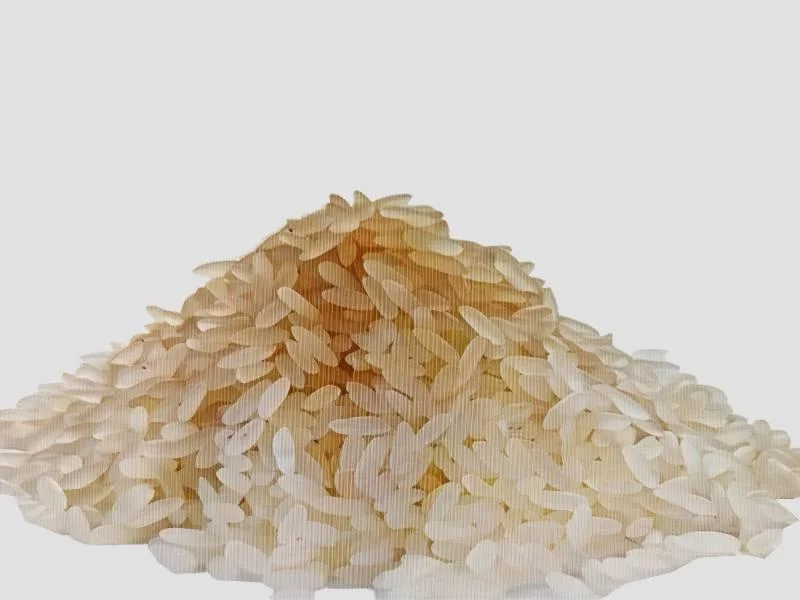
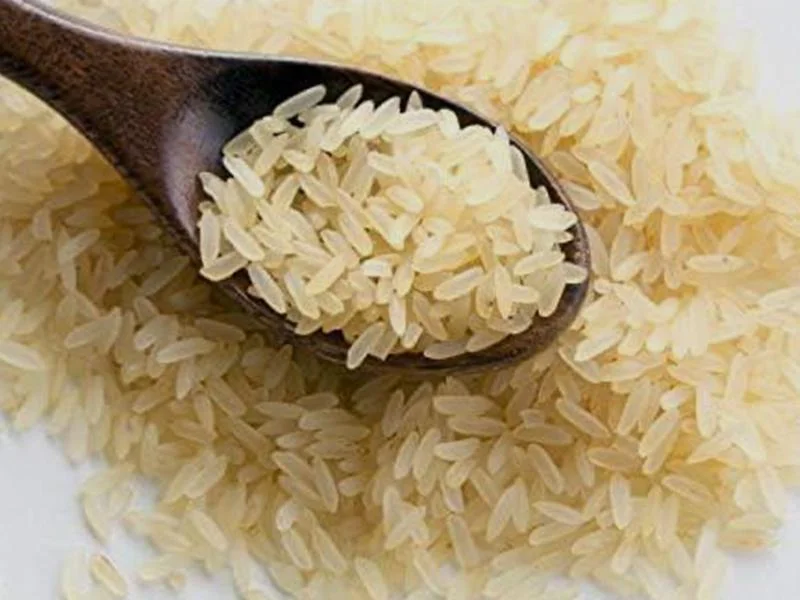
Parboiled Rice: This rice undergoes a steaming process before milling, which enhances its nutritional value. It is favored in regions where rice is a staple food.
Red Rice: This variety is known for its distinctive color and nutritional benefits. It is often preferred for health-oriented recipes and organic markets.
𝗕𝗲𝗻𝗲𝗳𝗶𝘁𝘀 𝗮𝗻𝗱 𝗔𝗱𝘃𝗮𝗻𝘁𝗮𝗴𝗲𝘀
Sourcing Non-Basmati Rice presents several advantages for businesses looking to enhance their product offerings.
Key benefits include:
1. Cost-Effectiveness: Non-Basmati Rice is generally more affordable than Basmati rice, making it an economical choice for bulk purchases.
2. Versatility: This rice variety can be used in numerous culinary applications, from traditional dishes to modern recipes, appealing to a broad audience.
3. High Yield: Non-Basmati Rice crops typically yield more compared to other rice types, ensuring a steady supply for businesses.
4. Nutritional Value: It provides essential nutrients, contributing to a balanced diet and meeting consumer health demands.
5. Easy Availability: Non-Basmati Rice is widely available from various suppliers, simplifying the sourcing process for buyers.
6. Adaptability: It thrives in diverse growing conditions, making it a reliable choice for farmers and businesses alike.
𝗕𝘂𝘆𝗶𝗻𝗴 𝗚𝘂𝗶𝗱𝗲 𝗳𝗼𝗿 𝗕𝟮𝗕 𝗕𝘂𝘆𝗲𝗿𝘀
When sourcing Non-Basmati Rice, it is essential to consider several key factors to ensure a successful procurement process.
1. Quality Assessment: Evaluate quality based on factors such as grain length, aroma, and moisture content to meet specific end-use requirements.
2. Supplier Verification: Conduct thorough due diligence on suppliers to ensure reliability and quality compliance. Look for certifications and customer reviews.
3. Pricing and MOQ: Understand current market pricing and minimum order quantities to negotiate favorable terms while maintaining quality standards.
4. Delivery and Lead Times: Factor in logistics, including delivery times and transportation methods, to align with production schedules and minimize delays.
5. Compliance Requirements: Ensure that the rice meets local and international regulatory standards, including food safety and quality certifications.
𝗖𝗼𝗺𝗽𝗹𝗶𝗮𝗻𝗰𝗲 𝗮𝗻𝗱 𝗖𝗲𝗿𝘁𝗶𝗳𝗶𝗰𝗮𝘁𝗶𝗼𝗻𝘀
Non-Basmati Rice must adhere to various quality standards and regulatory requirements to ensure safe and high-quality products.
Relevant quality standards include ISO 9001, which outlines requirements for a quality management system, aiding in consistent product quality. HACCP (Hazard Analysis and Critical Control Points) is crucial for food safety, helping businesses identify potential hazards in production and distribution processes.
Industry certifications, such as CE, signify that products meet EU safety and environmental standards, enhancing marketability. Compliance with safety and testing requirements is essential for maintaining industry standards and consumer trust.
Additionally, regional compliance considerations may vary. Buyers must be aware of local regulations regarding food safety, labeling, and import/export requirements to ensure smooth operations.
𝗪𝗵𝘆 𝗦𝗼𝘂𝗿𝗰𝗲 𝗡𝗼𝗻-𝗕𝗮𝘀𝗺𝗮𝘁𝗶 𝗥𝗶𝗰𝗲 𝗳𝗿𝗼𝗺 𝗣𝗲𝗽𝗮𝗴𝗼𝗿𝗮?
Pepagora provides a trusted platform for sourcing Non-Basmati Rice, offering several advantages for businesses.
Verified Supplier Network: Pepagora connects buyers with a network of verified suppliers, ensuring quality and reliability. This network facilitates trust and transparency in the sourcing process.
Streamlined RFQ Process: The request for quotation (RFQ) system simplifies the procurement process. Buyers can easily compare offers from multiple suppliers, ensuring competitive pricing and terms.
Trade Assurance and Support: Pepagora offers buyer protection through trade assurance policies, providing peace of mind during transactions. Support services are available to assist with any inquiries or issues.
Regional Coverage: With a strong presence in regions like India, GCC, and Southeast Asia, Pepagora ensures that buyers have access to a wide range of Non-Basmati Rice options, catering to diverse market needs.
Newly Added




Recently Added
Balu Exports
Organic Fresh Bananas Rich Taste Hygienic Packaging
Organic Seeded Grapes Fresh Food Grade Pesticide Free
Fresh Coconuts For Food Medicine Nutrition Long Shelf Life
IBERIS
Organic Garam Masala Blend Fresh Raw Strong Warm Aroma
Premium Indian Cardamom Whole Pods Strong Warm Flavor Fresh Inorganic
Organic Black Pepper Fresh Raw Strong Warm Blended
BMS Modern Rice Mill
Premium Idly Rice Short Grain For Authentic South Indian Dishes
Premium Ponni Raw Rice Diabetic Friendly Bulk Southern India
Premium BPT Rice Samba Masuri Aromatic Medium Grain
Promech Industries Pvt Ltd
Industrial Dal Color Sorter Machine 5 7 TPH 98% Accuracy 10 Chute
Magaj Color Sorter Machine 500kg 1T/H 220V Electric FPGA Digital Processor
Toor Dal Color Sorter Machine AI HD Imaging High Speed Sorting
CHERISH FOODS IMPEX
Premium Sugandha Golden Sella Rice For Importers Bulk Supply
PR 14 Steam Rice Premium Soft White 100% Purity Bulk Supply
Premium Sella Golden Rice Parboiled Medium Grain 95% Purity Export
Sri Overseas Export
Organic Fresh Red Onions Hygienic Packed On Time Delivery
Bulk Organic Coffee Beans Powder Hygienic Processed Rich Aroma
Organic Green Tea Powder Bulk Dried Leaves Rich Nutrients
PASKEY Farm Pvt Ltd
Industrial Evaporated Milk Sterilized Vacuum Pack QS Certified
Premium Bulk Loose Green Tea Stir Fried High Quality For
Organic Fresh Carrots Sliced Root Premium Quality
Shivaraj Trading International
Organic Basmati Rice 100% Purity Low Broken Ratio
Black Sesame Seeds Raw 100% Pure Hygienic Food Industry
Premium Turkey Towels Quick Dry Soft For Kids Adults Home Hotel Sports
Win Win Global Company
Organic Drum Sticks Fresh Hygienical Green South Indian Foods
Organic Ladies Finger Fresh Hygienical South Indian Foods
Organic Fresh Coconuts For Food Industry South Indian Cuisine
Perfect Equipments
Rice Mill Paddy Pre Cleaner High Capacity 10 12 TPH Impurity Removal
Rice Mill Paddy Pre Cleaner Double Deck 10 12 TPH Impurity Removal
Rice Mill Paddy Cleaner Machine Efficient Dust Free De Stoning
Why Businesses Trust Pepagora
Thousands of companies trust Pepagora to source smarter and sell faster
Expand Your Sales Globally
25000+Products listed.Get discovered by global buyers
Tools to boost visibility
Build your own catalog

Source Smarter,Grow Faster
4000+Active RFQs
100+ Countries served
Easy Sourcing Tools
