
 IN
INundefined
Nipple Drinker Systems
5 products available
𝗪𝗵𝗮𝘁 𝗮𝗿𝗲 𝗡𝗶𝗽𝗽𝗹𝗲 𝗗𝗿𝗶𝗻𝗸𝗲𝗿 𝗦𝘆𝘀𝘁𝗲𝗺𝘀?
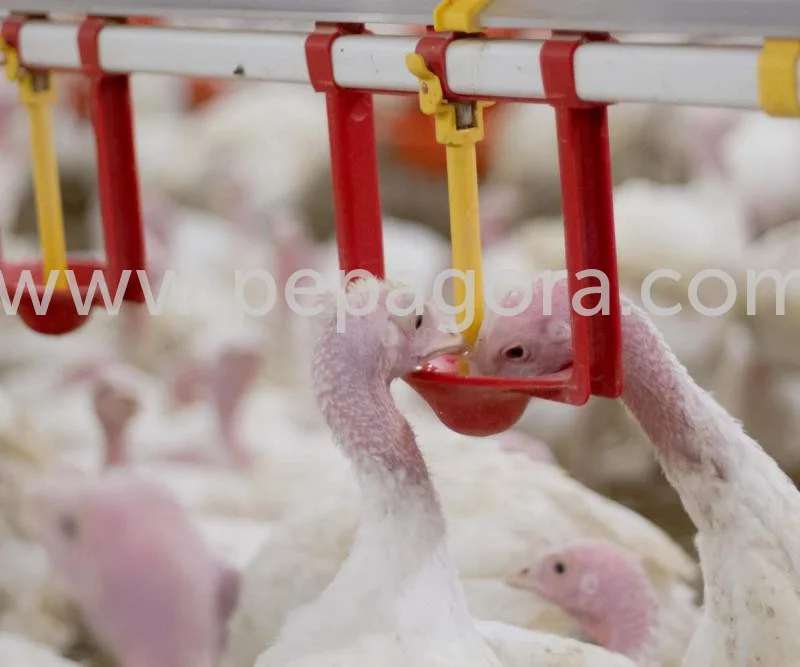
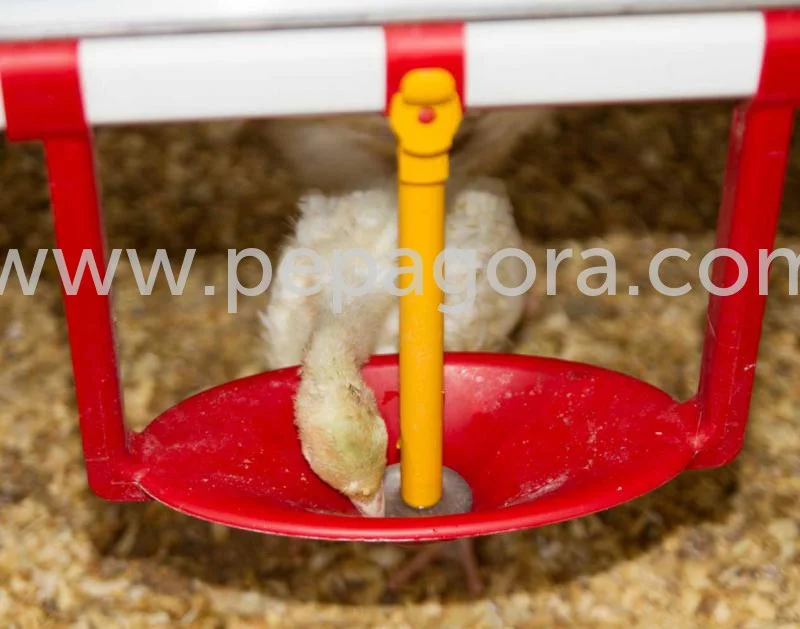
Nipple drinker systems are advanced watering solutions designed specifically for livestock, particularly poultry and swine. These systems utilize a nipple mechanism that allows animals to drink fresh water as needed, ensuring hydration while minimizing water wastage. The design promotes hygiene by reducing spillage and contamination, which is critical in maintaining the health of livestock.
The primary uses of nipple drinker systems include providing water to chickens, pigs, and other farm animals in various agricultural settings. They are commonly found in commercial poultry farms, pig farms, and aquaculture operations. By facilitating easy access to clean water, these systems contribute to improved livestock welfare and productivity, making them essential for modern farming practices.
In the context of the agricultural industry, nipple drinker systems are gaining traction due to their efficiency and effectiveness. As the demand for sustainable and humane animal husbandry practices grows, these systems offer a reliable solution that aligns with industry standards. Their relevance is further underscored by the increasing focus on animal welfare and resource conservation, making them an important component of modern agricultural operations.
𝗞𝗲𝘆 𝗙𝗲𝗮𝘁𝘂𝗿𝗲𝘀 𝗮𝗻𝗱 𝗦𝗽𝗲𝗰𝗶𝗳𝗶𝗰𝗮𝘁𝗶𝗼𝗻𝘀
Nipple drinker systems come equipped with several key features that enhance their functionality and efficiency. Understanding these specifications helps buyers make informed decisions based on their operational needs.
Key specifications include:
1. Nipple Type
- Various nipple types are available, such as stainless steel and plastic.
- Each type offers different durability and maintenance characteristics.
2. Flow Rate
- Flow rates typically range from 0.1 to 0.5 liters per minute.
- This allows for adequate water supply based on the size of the livestock.
3. Pressure Range
- Operating pressure usually falls between 1 to 3 bars.
- This range ensures optimal performance without leaks.
4. Installation Options
- Systems can be wall-mounted or suspended, providing flexibility based on farm layout.
- Easy installation helps minimize downtime during setup.
5. Cleaning Mechanism
- Many systems feature self-cleaning nipples to maintain hygiene.
- This reduces the need for manual cleaning efforts.
6. Temperature Resistance
- Designed to withstand various environmental conditions.
- Specific temperature ratings are not available but typically handle standard farm conditions.
7. Compatibility
- Nipple drinkers can be integrated with existing water supply systems.
- This facilitates easy upgrades for current setups.
8. Durability
- Made from high-quality materials to withstand wear and tear.
- Longevity is critical for cost-effectiveness in long-term use.
Overall, the specifications of nipple drinker systems ensure they meet the diverse needs of livestock operations, providing reliable hydration while promoting animal health.
𝗖𝗼𝗺𝗺𝗼𝗻 𝗔𝗽𝗽𝗹𝗶𝗰𝗮𝘁𝗶𝗼𝗻𝘀 𝗮𝗻𝗱 𝗨𝘀𝗲 𝗖𝗮𝘀𝗲𝘀
Nipple drinker systems are versatile solutions used across various industries, primarily in agriculture and animal husbandry.
1. Poultry Farming: Nipple drinkers are extensively used in broiler and layer farms. They provide birds with a constant supply of clean water, improving growth rates and egg production.
2. Pig Farming: In swine operations, these systems help maintain hydration levels in pigs, which is essential for their overall health and growth. The systems minimize water wastage and reduce the risk of contamination.
3. Aquaculture: Nipple drinkers are emerging in aquaculture for providing precise water supply to fish and shrimp farms, ensuring optimal living conditions.
4. Dairy Farming: These systems can also be adapted for dairy cattle, promoting better milk production through improved hydration.
5. Research Facilities: Nipple drinkers are used in animal research facilities where controlled hydration is crucial for experimental integrity.
6. Zoo and Wildlife Parks: Various species in captivity benefit from nipple drinker systems, which offer them a natural drinking experience while minimizing spillages.
7. Pet Breeding: Breeders of dogs and cats find nipple drinkers useful for providing fresh water in a sanitary manner.
𝗣𝗿𝗼𝗱𝘂𝗰𝘁 𝗩𝗮𝗿𝗶𝗮𝗻𝘁𝘀 𝗮𝗻𝗱 𝗦𝘂𝗯𝗰𝗮𝘁𝗲𝗴𝗼𝗿𝗶𝗲𝘀
Nipple drinker systems are available in several variants to meet the specific needs of different livestock and farm operations.
Automatic Nipple Drinkers: These systems use pressure sensors to regulate water flow. They ensure that animals receive water as soon as they activate the nipple, promoting efficient water usage.
Manual Nipple Drinkers: Designed for smaller operations, these systems require manual activation. They are cost-effective for farmers with fewer animals.
Adjustable Nipple Drinkers: These allow for customization of the water flow rate based on the size of the livestock. This feature is beneficial for farms that raise different species.
High-Pressure Nipple Drinkers: Suitable for environments with varying water pressures, these systems are designed to function effectively even under challenging conditions.
𝗕𝗲𝗻𝗲𝗳𝗶𝘁𝘀 𝗮𝗻𝗱 𝗔𝗱𝘃𝗮𝗻𝘁𝗮𝗴𝗲𝘀
Implementing nipple drinker systems offers numerous advantages for livestock operations.
Key benefits include:
1. Improved Animal Welfare: Nipple drinkers provide clean, accessible water, promoting better health and well-being for livestock.
2. Reduced Water Waste: The design minimizes spillage, ensuring that water is used efficiently, which is crucial in resource-constrained environments.
3. Enhanced Hygiene: Nipple systems reduce the risk of water contamination, helping to maintain a healthier living environment for animals.
4. Lower Maintenance: Many systems feature self-cleaning mechanisms, reducing the need for frequent manual cleaning and maintenance.
5. Increased Productivity: Access to fresh water supports optimal growth and production rates, benefiting farmers' bottom lines.
6. Versatile Applications: These systems can be adapted for various types of livestock and farm operations, making them a flexible choice for many farmers.
𝗕𝘂𝘆𝗶𝗻𝗴 𝗚𝘂𝗶𝗱𝗲 𝗳𝗼𝗿 𝗕𝟮𝗕 𝗕𝘂𝘆𝗲𝗿𝘀
When sourcing nipple drinker systems, there are several important factors to consider to ensure the right choice for your operation.
1. Quality Assessment: Look for systems made from high-quality materials that can withstand the rigors of farm life. Evaluate reviews and testimonials from other users to gauge reliability.
2. Supplier Verification: Vet suppliers to ensure they are reputable and have a track record of delivering on their promises. Check for certifications and references to verify their credibility.
3. Pricing and MOQ: Understand the cost structure and minimum order quantities. Compare prices among suppliers while considering the quality of the systems offered.
4. Delivery and Lead Times: Inquire about the logistics involved in the delivery process. Ensure that the expected lead times fit within your operational needs.
5. Compliance Requirements: Be aware of any regulatory standards that apply to your region. Ensure that the systems meet necessary compliance and safety standards.
𝗖𝗼𝗺𝗽𝗹𝗶𝗮𝗻𝗰𝗲 𝗮𝗻𝗱 𝗖𝗲𝗿𝘁𝗶𝗳𝗶𝗰𝗮𝘁𝗶𝗼𝗻𝘀
Nipple drinker systems must adhere to various compliance and certification standards to ensure their safety and efficacy in livestock operations.
ISO 9001 is a key quality management standard that many manufacturers strive to meet. This certification indicates that a supplier has established a systematic approach to ensuring quality throughout the production process.
HACCP (Hazard Analysis Critical Control Point) is crucial in food safety management, especially in operations that involve livestock and food production. Compliance with HACCP standards helps ensure that systems are designed to minimize health risks.
CE certification is essential for products sold in European markets, signifying that they meet the required health, safety, and environmental protection standards.
Safety and testing requirements often involve rigorous evaluations to ensure that the systems function correctly under different conditions. Manufacturers may conduct tests to assess durability and performance.
Regional compliance considerations may vary, so it is vital for buyers to understand local regulations that may affect the use of nipple drinker systems in their area.
𝗪𝗵𝘆 𝗦𝗼𝘂𝗿𝗰𝗲 𝗡𝗶𝗽𝗽𝗹𝗲 𝗗𝗿𝗶𝗻𝗸𝗲𝗿 𝗦𝘆𝘀𝘁𝗲𝗺𝘀 𝗳𝗿𝗼𝗺 𝗣𝗲𝗽𝗮𝗴𝗼𝗿𝗮?
Pepagora provides a trusted platform for sourcing nipple drinker systems with several key advantages that make it a preferred choice for B2B buyers.
Verified Supplier Network: Pepagora boasts a comprehensive network of verified suppliers, ensuring that buyers can source high-quality products with confidence. The verification process helps mitigate risks associated with purchasing from unknown sources.
Streamlined RFQ Process: The Request for Quotation (RFQ) system at Pepagora simplifies the procurement process. Buyers can easily submit their requirements and receive competitive quotes from multiple suppliers, saving time and effort.
Trade Assurance and Support: Pepagora offers trade assurance programs that protect buyers' investments. This support includes dispute resolution and guarantees on product quality, providing peace of mind throughout the purchasing process.
Regional Coverage: With a strong presence in India, the GCC, and Southeast Asia, Pepagora covers diverse markets, making it easier for businesses to find suitable suppliers in their respective regions. This geographic reach enhances accessibility to quality nipple drinker systems.
Newly Added


Recently Added
Lubing India Pvt Ltd
Poultry Farm Plastic Duck Waterer For Healthy Growth & Durable Use
Breeder Poultry Floor Watering System OEM Feed Grade Durable
Poultry Nipples Automatic Drinkers Stainless Steel Plastic Durable
Composite Nirman Materials Private Limited
AKAR Compression Brass Ball Valve For PAP Composite Pressure Pipes
Industrial Fluid Control Premium Pap Ball Valves For High Pressure Systems
Industrial Brass Ball Valves For Fluid Control In Food Agriculture
Why Businesses Trust Pepagora
Thousands of companies trust Pepagora to source smarter and sell faster
Expand Your Sales Globally
25000+Products listed.Get discovered by global buyers
Tools to boost visibility
Build your own catalog

Source Smarter,Grow Faster
4000+Active RFQs
100+ Countries served
Easy Sourcing Tools
