
 IN
INundefined
Network Racks & Cabinets
16 products available
𝗪𝗵𝗮𝘁 𝗮𝗿𝗲 𝗡𝗲𝘁𝘄𝗼𝗿𝗸 𝗥𝗮𝗰𝗸𝘀 & 𝗖𝗮𝗯𝗶𝗻𝗲𝘁𝘀?
Network racks and cabinets are essential components in the organization and management of electronic equipment. These structures provide a secure environment for housing servers, switches, routers, and other networking devices. Typically constructed from durable materials, network racks and cabinets are designed to support the weight of heavy equipment while ensuring adequate ventilation and accessibility for maintenance.
In business applications, network racks and cabinets play a critical role in data centers, telecommunication rooms, and office environments. They help optimize space, improve cable management, and enhance the overall performance of networking systems. By providing a structured framework, these products enable organizations to efficiently manage their IT assets and protect sensitive equipment from damage or unauthorized access.
The relevance of network racks and cabinets extends across various industries, including IT, telecommunications, healthcare, and education. As businesses increasingly rely on digital infrastructure, the demand for high-quality network storage solutions continues to grow. This trend highlights the importance of investing in reliable racks and cabinets to ensure operational efficiency and data security.
𝗞𝗲𝘆 𝗙𝗲𝗮𝘁𝘂𝗿𝗲𝘀 𝗮𝗻𝗱 𝗦𝗽𝗲𝗰𝗶𝗳𝗶𝗰𝗮𝘁𝗶𝗼𝗻𝘀
Network racks and cabinets come with a variety of features that cater to different business needs. Understanding these specifications can help buyers select the right solution for their requirements.
Key specifications include:
1. Load Capacity
- Determines the maximum weight the rack can support
- Common ranges vary from 800 to 3000 pounds
2. Size and Dimensions
- Available in different heights, widths, and depths
- Standard sizes include 19-inch racks, with heights ranging from 24U to 48U
3. Ventilation Options
- Provides cooling for equipment through perforated panels or fans
- Essential for maintaining optimal operating temperatures
4. Security Features
- Lockable doors and side panels to protect equipment
- Optional security kits available for enhanced protection
5. Cable Management Systems
- Integrated systems for organizing and routing cables
- Includes vertical and horizontal cable management options
6. Material Construction
- Typically made from steel or aluminum for durability
- Powder-coated finishes for corrosion resistance
7. Customization Options
- Ability to customize sizes, features, and finishes
- Tailored solutions to meet specific industry needs
8. Certification and Compliance
- Adherence to industry standards such as CE certification
- Ensures products meet safety and quality benchmarks
In summary, understanding the features and specifications of network racks and cabinets is crucial for making informed purchasing decisions. These specifications help organizations select the most suitable products for their unique operational requirements.
𝗖𝗼𝗺𝗺𝗼𝗻 𝗔𝗽𝗽𝗹𝗶𝗰𝗮𝘁𝗶𝗼𝗻𝘀 𝗮𝗻𝗱 𝗨𝘀𝗲 𝗖𝗮𝘀𝗲𝘀
Network racks and cabinets find applications across several industries, serving various purposes to enhance operational efficiency.
1. Information Technology: In IT environments, network racks are used to house servers, switches, and routers, providing organized access and optimal airflow for cooling.
2. Telecommunications: Telecom companies utilize cabinets to store critical networking equipment, ensuring reliable communication services and easy maintenance access.
3. Healthcare: Hospitals and clinics rely on network racks to manage electronic medical records and other digital health technologies, ensuring secure and efficient data handling.
4. Education: Educational institutions use racks to support data management systems and IT infrastructure, facilitating learning and administrative functions.
5. Manufacturing: In manufacturing facilities, network cabinets help manage automation systems, ensuring smooth operation and monitoring of production processes.
6. Retail: Retailers use network racks to house point-of-sale systems and inventory management tools, improving customer service and operational efficiency.
7. Government: Government agencies utilize network cabinets for secure data storage and communication systems, ensuring compliance with regulatory standards.
𝗣𝗿𝗼𝗱𝘂𝗰𝘁 𝗩𝗮𝗿𝗶𝗮𝗻𝘁𝘀 𝗮𝗻𝗱 𝗦𝘂𝗯𝗰𝗮𝘁𝗲𝗴𝗼𝗿𝗶𝗲𝘀
Network racks and cabinets are available in a variety of types to accommodate different business needs and preferences.
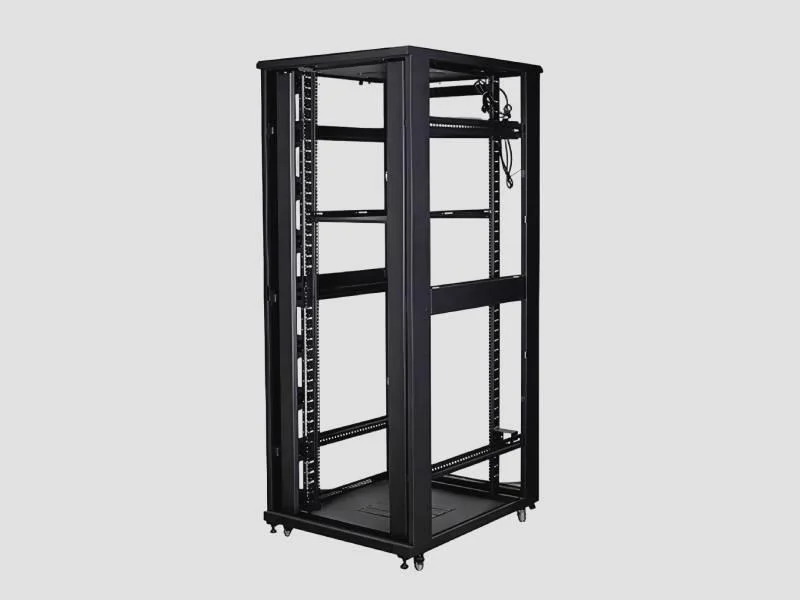
Open Frame Racks: These racks offer easy access to equipment and efficient airflow, making them ideal for environments where cooling is a priority. They are often used in data centers and telecommunication rooms.
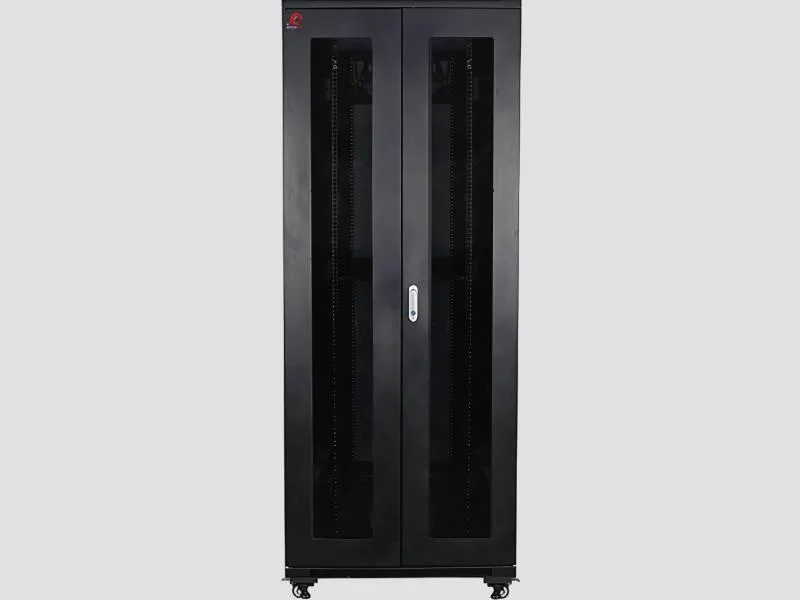
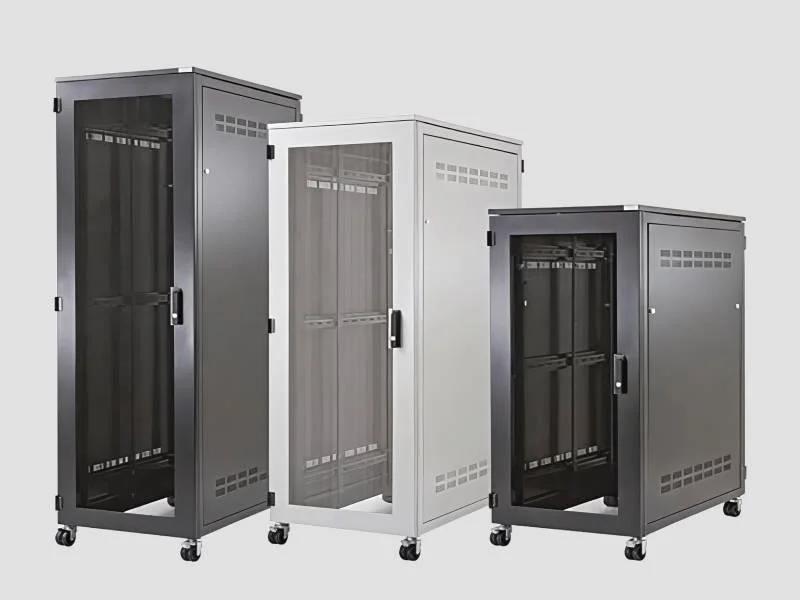
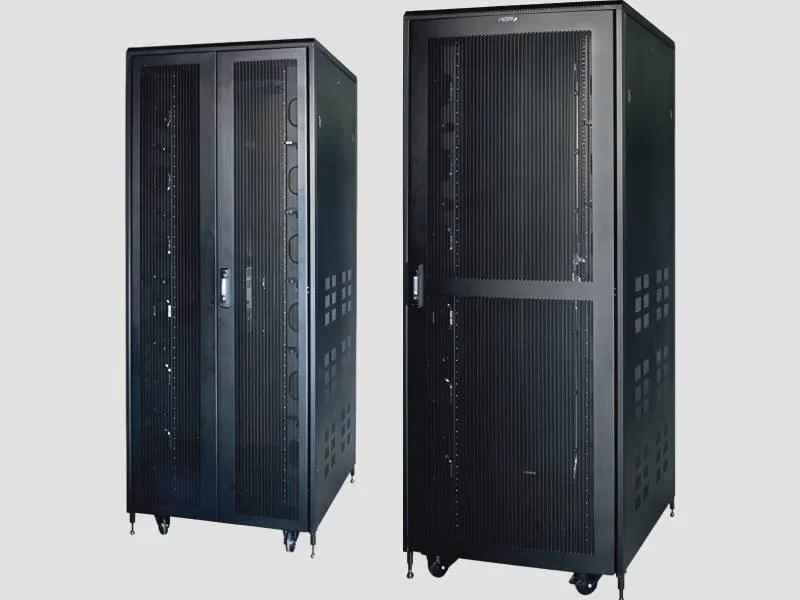
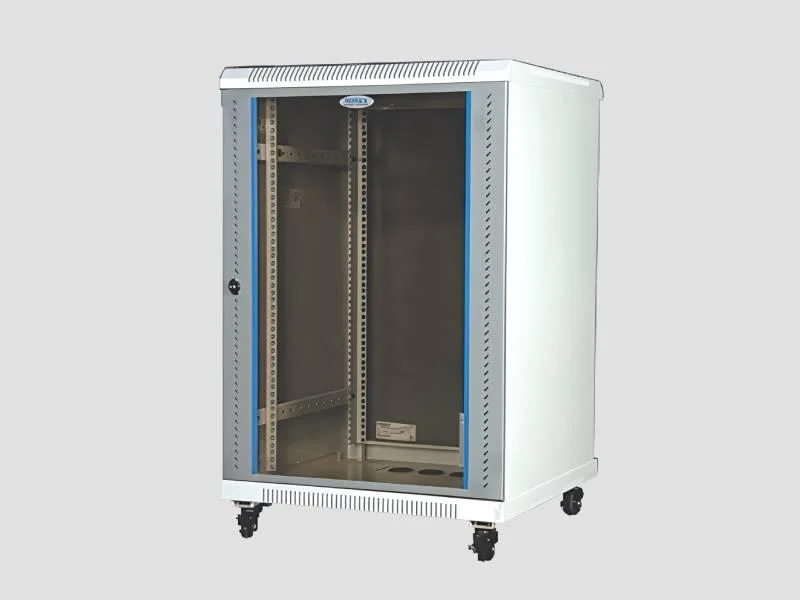
Enclosed Cabinets: These cabinets provide a secure environment for sensitive equipment, featuring lockable doors and side panels. They are suitable for environments where security is a concern, such as healthcare facilities and government offices.
Wall-Mounted Racks: Designed for space-constrained areas, these racks can be mounted on walls to save floor space. They are commonly used in smaller offices and retail environments.
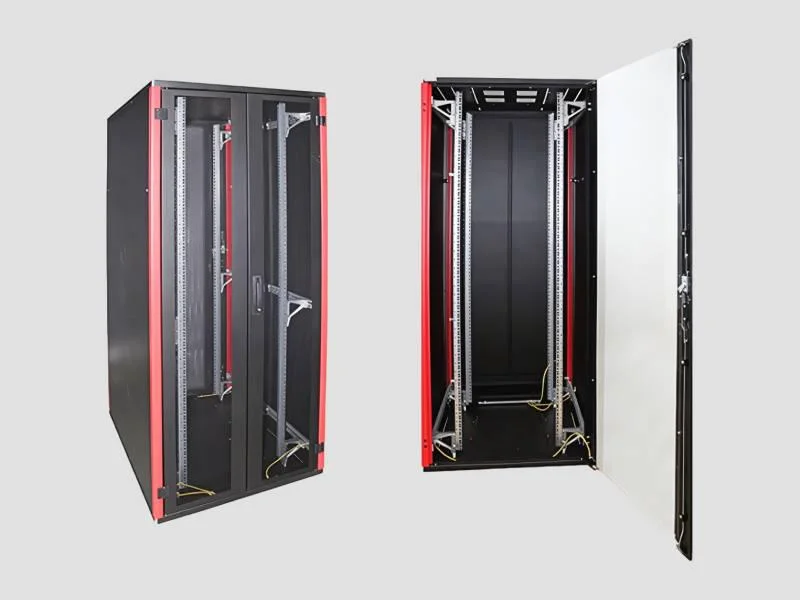
Floor-Standing Cabinets: These robust cabinets are designed for heavy equipment and provide ample storage space. They are often used in larger IT environments and data centers.
𝗕𝗲𝗻𝗲𝗳𝗶𝘁𝘀 𝗮𝗻𝗱 𝗔𝗱𝘃𝗮𝗻𝘁𝗮𝗴𝗲𝘀
Investing in network racks and cabinets offers numerous advantages for businesses.
1. Improved Organization: Racks and cabinets help keep equipment organized, reducing clutter and making it easier to manage IT assets.
2. Enhanced Security: Lockable cabinets protect sensitive equipment from theft or unauthorized access, ensuring data integrity.
3. Efficient Cooling: Proper ventilation features maintain optimal temperatures for equipment, thereby improving performance and longevity.
4. Space Optimization: Compact designs and customizable options allow businesses to maximize available space while accommodating necessary equipment.
5. Simplified Maintenance: Easy access to equipment reduces downtime for maintenance, leading to increased operational efficiency.
6. Cost-Effective Solutions: Durable construction and reliable performance minimize the need for frequent replacements, providing long-term savings.
𝗕𝘂𝘆𝗶𝗻𝗴 𝗚𝘂𝗶𝗱𝗲 𝗳𝗼𝗿 𝗕𝟮𝗕 𝗕𝘂𝘆𝗲𝗿𝘀
When sourcing network racks and cabinets, it is essential to consider several factors to make an informed purchase.
1. Quality Assessment: Evaluate the materials and construction quality to ensure durability and reliability. Look for products that comply with industry standards for safety and performance.
2. Supplier Verification: Research potential suppliers to confirm their credibility and reliability. Check for certifications and customer reviews to gauge their reputation in the market.
3. Pricing and MOQ: Understand the price range for different variants and inquire about minimum order quantities. This information will help in budgeting and planning procurement.
4. Delivery and Lead Times: Discuss logistics with suppliers to determine delivery timelines and any associated costs. Timely delivery is crucial for maintaining project schedules.
5. Compliance Requirements: Ensure that the products meet necessary regulatory requirements, especially if operating in highly regulated industries such as healthcare or telecommunications.
𝗖𝗼𝗺𝗽𝗹𝗶𝗮𝗻𝗰𝗲 𝗮𝗻𝗱 𝗖𝗲𝗿𝘁𝗶𝗳𝗶𝗰𝗮𝘁𝗶𝗼𝗻𝘀
Compliance and certifications play a vital role in ensuring that network racks and cabinets meet industry standards. Adhering to quality standards such as ISO 9001 guarantees that products are manufactured with consistent quality control and management processes.
Additionally, industry certifications like CE signify that products comply with European health, safety, and environmental protection standards. These certifications are essential for businesses looking to source equipment that meets regulatory requirements.
Furthermore, safety and testing requirements must be considered to ensure that network racks and cabinets can withstand environmental stresses and provide adequate protection for the housed equipment. Regional compliance considerations vary by location, making it crucial for buyers to understand local regulations and standards before making a purchase.
𝗪𝗵𝘆 𝗦𝗼𝘂𝗿𝗰𝗲 𝗡𝗲𝘁𝘄𝗼𝗿𝗸 𝗥𝗮𝗰𝗸𝘀 & 𝗖𝗮𝗯𝗶𝗻𝗲𝘁𝘀 𝗳𝗿𝗼𝗺 𝗣𝗲𝗽𝗮𝗴𝗼𝗿𝗮?
Pepagora offers a trusted platform for sourcing network racks and cabinets, providing several key advantages to B2B buyers.
Verified Supplier Network: Pepagora has established a network of verified suppliers, ensuring that buyers can source high-quality products from reputable manufacturers. This verification process helps mitigate risks associated with procurement.
Streamlined RFQ Process: The platform features a simplified request for quotation (RFQ) process, allowing buyers to easily compare prices and specifications from multiple suppliers. This efficiency helps businesses make informed purchasing decisions quickly.
Trade Assurance and Support: Pepagora provides trade assurance, protecting buyers from potential risks associated with their purchases. The platform also offers customer support to assist buyers throughout the procurement process.
Regional Coverage: With a geographic reach that includes India, the GCC, and Southeast Asia, Pepagora connects buyers with suppliers across these regions. This extensive coverage enables businesses to access a diverse range of products and services tailored to their specific needs.
Newly Added




Recently Added
Parul Fabricators
Industrial Ladder Type Vertical Riser Cable Trays For Power Data Systems
Premium Perforated Cable Trays For Industrial Cable Management
Industrial Cable Management Perforated Cable Trays Durable Support
Ams Net Tech [An Iso 9001 : 2008 Company]
Outdoor Rack Mountable Chassis with Cooling Fans for Telecom Industrial
Data Center Telecom Rack 42U 45U 600mm Width Fully Assembled
Universal 4 Post Server Rack Frame with Adjustable Brackets for Data Centers
Cat Compumech Private Limited
Premium Online UPS Cabinet With Rotating Wheel Base For Mobility
Industrial Weighing Scale Cabinets Stainless Steel Durable
Vending Machine Cabinets Durable Metal Plastic Fiber Automated Retail
RB Networks
Data Center Network Infrastructure Commscope 48 Port CAT6 Patch Panel
Commscope CAT6 RJ45 UTP Solid Blue 1m Patch Cord for Gigabit Ethernet
OM5 LC to LC Duplex Fiber Patch Cord 40G/100G Plenum Rated for Data Centers
Why Businesses Trust Pepagora
Thousands of companies trust Pepagora to source smarter and sell faster
Expand Your Sales Globally
25000+Products listed.Get discovered by global buyers
Tools to boost visibility
Build your own catalog

Source Smarter,Grow Faster
4000+Active RFQs
100+ Countries served
Easy Sourcing Tools
