
 IN
INundefined
Network Hubs
7 products available
𝗪𝗵𝗮𝘁 𝗮𝗿𝗲 𝗡𝗲𝘁𝘄𝗼𝗿𝗸 𝗛𝘂𝗯𝘀?
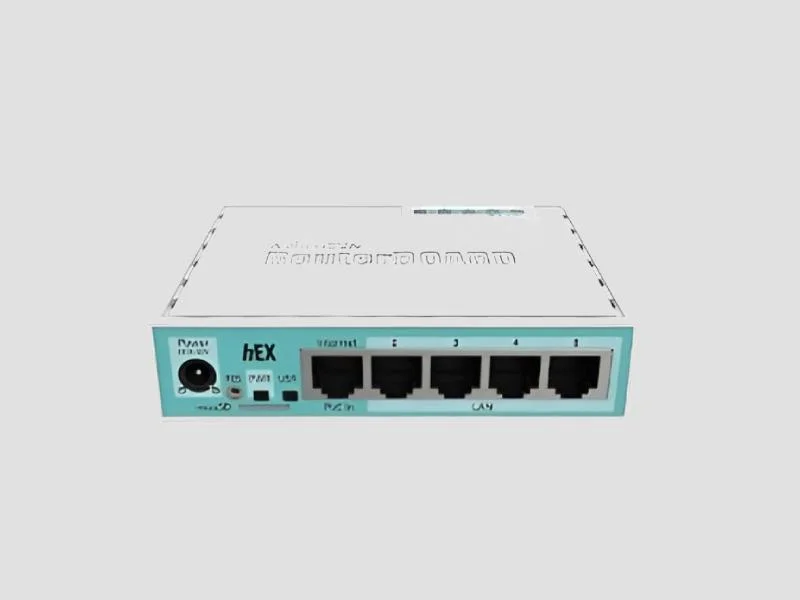
Network hubs are devices that connect multiple computers or network segments, facilitating communication within a local area network (LAN). They serve as a central point where data packets are received, processed, and transmitted to their intended destinations. In essence, a network hub operates at the physical layer of the OSI model, enabling devices to connect and share information seamlessly.
These hubs are primarily used in various business applications, including office environments, industrial settings, and educational institutions. They play a crucial role in enabling data transfer between computers, printers, and other networked devices. As businesses continue to grow and rely on digital communication, the demand for reliable network hubs also increases, making them an essential component in modern networking solutions.
In the current market context, network hubs are relevant across many industries, including manufacturing, healthcare, and education. Their ability to simplify connectivity and enhance communication efficiency is vital, especially as organizations adopt more complex IT infrastructures. With the rise of Internet of Things (IoT) devices and increasing data traffic, network hubs remain a foundational technology in achieving robust network performance.
𝗞𝗲𝘆 𝗙𝗲𝗮𝘁𝘂𝗿𝗲𝘀 𝗮𝗻𝗱 𝗦𝗽𝗲𝗰𝗶𝗳𝗶𝗰𝗮𝘁𝗶𝗼𝗻𝘀
Network hubs come equipped with various features that enhance connectivity and performance. Understanding these key specifications is vital for choosing the right hub for your business needs.
Key specifications include:
1. Number of Ports
- Typically ranges from 4 to 48 ports.
- Determines how many devices can be connected simultaneously.
2. Data Transfer Rate
- Common rates include 10/100 Mbps and 1 Gbps.
- Affects the speed at which data is transmitted across the network.
3. Form Factor
- Available in rack-mounted or standalone designs.
- Influences installation options and space requirements.
4. Power Over Ethernet (PoE) Capability
- Allows devices to receive power through the network cable.
- Simplifies cabling and reduces the need for additional power sources.
5. Media Type
- Typically uses twisted pair or fiber optic cabling.
- Impacts distance and performance capabilities.
6. Network Protocols Supported
- Commonly supports Ethernet and Fast Ethernet standards.
- Determines compatibility with existing network infrastructure.
7. LED Indicators
- Provides visual feedback on power, connectivity, and data transmission status.
- Aids in troubleshooting and monitoring network health.
8. Cooling Mechanism
- Can be passive or active cooling systems.
- Ensures optimal operating temperatures for reliable performance.
In summary, understanding the features and specifications of network hubs is essential for making informed purchasing decisions. Selecting the right specifications can significantly enhance network efficiency and reliability.
𝗖𝗼𝗺𝗺𝗼𝗻 𝗔𝗽𝗽𝗹𝗶𝗰𝗮𝘁𝗶𝗼𝗻𝘀 𝗮𝗻𝗱 𝗨𝘀𝗲 𝗖𝗮𝘀𝗲𝘀
Network hubs find applications across a wide range of industries due to their versatility and efficiency in establishing network connections.
1. Manufacturing: In manufacturing facilities, network hubs facilitate communication between machines, sensors, and control systems, streamlining operations and enhancing productivity.
2. Healthcare: Hospitals and clinics use network hubs to connect medical devices, enabling seamless data transfer for patient monitoring and record-keeping.
3. Education: Educational institutions implement network hubs to connect computers and learning devices, supporting collaborative learning and resource sharing among students and staff.
4. Retail: Retail environments benefit from network hubs by connecting point-of-sale systems, inventory management tools, and customer service devices to improve operational efficiency.
5. Telecommunications: Telecom companies utilize network hubs to connect various network segments, ensuring reliable communication and data transfer across their infrastructure.
6. Logistics: Logistics companies rely on network hubs to connect tracking systems and devices, improving visibility and efficiency in supply chain management.
7. Government: Government agencies use network hubs to ensure secure communication between departments, supporting efficient information sharing and coordination.
𝗣𝗿𝗼𝗱𝘂𝗰𝘁 𝗩𝗮𝗿𝗶𝗮𝗻𝘁𝘀 𝗮𝗻𝗱 𝗦𝘂𝗯𝗰𝗮𝘁𝗲𝗴𝗼𝗿𝗶𝗲𝘀
Network hubs come in various types to meet different connectivity needs. While specific subcategories are not available, here are some common variants.
Ethernet Hub
This traditional hub connects devices using Ethernet cables, allowing for basic data transfer. It is suitable for small networks where high speed is not a critical factor.
Smart Hub
Smart hubs offer enhanced features, including monitoring capabilities and the ability to manage network traffic intelligently. They are ideal for larger networks requiring better performance and management.
Wireless Hub
Wireless hubs enable devices to connect without physical cables. They provide flexibility and are suitable for environments where cabling is impractical.
PoE Hub
Power over Ethernet hubs deliver both data and power through a single cable. They are beneficial for devices like IP cameras and access points, minimizing installation complexity.
𝗕𝗲𝗻𝗲𝗳𝗶𝘁𝘀 𝗮𝗻𝗱 𝗔𝗱𝘃𝗮𝗻𝘁𝗮𝗴𝗲𝘀
Investing in network hubs offers numerous benefits that enhance network performance and reliability.
1. Simplified Connectivity: Network hubs provide a straightforward way to connect multiple devices, reducing the complexity of network setups.
2. Cost-Effective Solution: They are often more affordable than switches or routers, making them a budget-friendly option for small businesses.
3. Easy Installation: Most network hubs are plug-and-play devices, allowing for quick and easy installation with minimal technical expertise.
4. Scalability: As business needs grow, additional devices can be connected easily without significant changes to the existing infrastructure.
5. Reliable Communication: Network hubs ensure consistent data transmission between connected devices, promoting effective communication within the network.
6. Versatile Use: They can be utilized in various settings, from small offices to larger industrial environments, demonstrating their adaptability.
𝗕𝘂𝘆𝗶𝗻𝗴 𝗚𝘂𝗶𝗱𝗲 𝗳𝗼𝗿 𝗕𝟮𝗕 𝗕𝘂𝘆𝗲𝗿𝘀
When sourcing network hubs, several factors should be considered to ensure the best selection for your business needs.
1. Quality Assessment: Evaluate the quality of materials and construction. Look for products that meet industry standards to ensure reliability and longevity.
2. Supplier Verification: Vet potential suppliers to confirm their credibility. Check for reviews, certifications, and track records in delivering quality products.
3. Pricing and MOQ: Consider the cost of the network hubs, including bulk pricing options. Understand the minimum order quantities to avoid over-purchasing.
4. Delivery and Lead Times: Assess the supplier's ability to meet your delivery requirements. Confirm lead times to ensure timely availability of products.
5. Compliance Requirements: Review any regulatory standards applicable to your industry. Ensure the network hubs comply with necessary certifications like CE.
𝗖𝗼𝗺𝗽𝗹𝗶𝗮𝗻𝗰𝗲 𝗮𝗻𝗱 𝗖𝗲𝗿𝘁𝗶𝗳𝗶𝗰𝗮𝘁𝗶𝗼𝗻𝘀
Network hubs must adhere to various quality standards and certifications to ensure safety and reliability.
Relevant quality standards include ISO 9001, which addresses quality management systems, ensuring that a supplier follows consistent and high-quality production processes.
Industry certifications like CE indicate compliance with European health, safety, and environmental protection standards. This certification is crucial for products sold in European markets.
Safety and testing requirements must also be met to ensure that network hubs operate safely under specified conditions. This includes testing for electrical safety and performance standards.
Regional compliance considerations may vary by region, impacting the specific requirements applicable to network hubs sold in different markets.
𝗪𝗵𝘆 𝗦𝗼𝘂𝗿𝗰𝗲 𝗡𝗲𝘁𝘄𝗼𝗿𝗸 𝗛𝘂𝗯𝘀 𝗳𝗿𝗼𝗺 𝗣𝗲𝗽𝗮𝗴𝗼𝗿𝗮?
Pepagora offers a trusted platform for sourcing network hubs with several key advantages that benefit B2B buyers.
Verified Supplier Network: Pepagora collaborates with a diverse range of verified suppliers, ensuring that buyers have access to quality products from reputable manufacturers.
Streamlined RFQ Process: The request for quotation process on Pepagora is designed to be efficient, allowing buyers to obtain competitive quotes quickly and easily for their needs.
Trade Assurance and Support: Buyers can benefit from trade assurance, offering protection against potential issues with transactions. This support fosters confidence in sourcing decisions.
Regional Coverage: Pepagora provides extensive regional coverage across India, the GCC, and Southeast Asia. This geographic reach enables buyers to connect with suppliers closer to their operations, reducing lead times and logistics challenges.
Newly Added



Recently Added
Blue Cross Enterprises
Premium RJ 45 Plugs Cat5e Cat6 Gold Contacts Ethernet Connectors
Premium OTDR Devices For Fiber Optic Testing With Reliable Performance
C Band Dish Antenna High Performance Satellite Communication
3 A Exports
Industrial Rust Preventive Oil For Metal Protection And Corrosion Resistance
Industrial Boiler Oxygen Scavenger And Corrosion Inhibitor Oxinol HH
Industrial Rust Preventive Oil Protecta 30H Hard Film Corrosion Protection
Bhuvaneshwari Business Combines Private Limited
Partner Since 1993 High Quality Products Importers Distributors
SMB Phone System Soho PBX Vision Ultra 412P 4 Trunk 12 Extension
Enterprise PBX KTS Eternity 10S 272 Ports 10 Slots ISDN T1 E1 GSM E&M
Cable Shoppe
Premium CAT 5E UTP Cables High Speed Networking Durable
Cat 6 UTP Ethernet Cable High Speed Weather Resistant
CATV Outdoor Amplifier High Gain Signal Booster For Telecom Utility
KR Info Solutions
Professional Outdoor Network Backhaul AF5G30 S45 5 GHz Radio with 30 dBi Antenna
Outdoor Networking PowerBeam PBE 5AC 620 5GHz Antenna With IsoBeam Radome
Enterprise Wi Fi 6 Access Point Long Range High Speed Connectivity
Why Businesses Trust Pepagora
Thousands of companies trust Pepagora to source smarter and sell faster
Expand Your Sales Globally
25000+Products listed.Get discovered by global buyers
Tools to boost visibility
Build your own catalog

Source Smarter,Grow Faster
4000+Active RFQs
100+ Countries served
Easy Sourcing Tools
