
 IN
INundefined
Natural Fiber Ropes (Cotton, Coir, Manila)
22 products available
What are Natural Fiber Ropes (Cotton, Coir, Manila)?
Natural fiber ropes are durable, eco-friendly products made from various plant fibers, including cotton, coir, and manila. Each type of rope offers unique characteristics derived from its source material. Cotton ropes are soft and flexible, coir ropes are robust and resistant to moisture, and manila ropes are known for their strength and resilience. These ropes are crafted through a twisting process that enhances their tensile strength and durability, making them suitable for a range of applications.
These natural fiber ropes are primarily used in industries such as agriculture, shipping, construction, and crafts. In agriculture, they are often used for binding plants and securing items. In shipping, they serve as mooring lines and cargo securing mechanisms. The construction industry utilizes these ropes for lifting and rigging applications, while crafts and DIY projects benefit from their aesthetic appeal and versatility. The growing trend toward sustainability has increased the demand for natural fiber ropes, positioning them as a preferred choice in many markets.
As industries seek sustainable alternatives to synthetic products, natural fiber ropes have gained significant relevance. Their biodegradability and lower environmental impact make them appealing to eco-conscious businesses. The market for these ropes is expanding, driven by both traditional agricultural practices and modern industrial applications.
𝗞𝗲𝘆 𝗙𝗲𝗮𝘁𝘂𝗿𝗲𝘀 𝗮𝗻𝗱 𝗦𝗽𝗲𝗰𝗶𝗳𝗶𝗰𝗮𝘁𝗶𝗼𝗻𝘀
Natural fiber ropes come with a variety of features and specifications that cater to different business needs. Understanding these specifications is crucial for selecting the right rope for your application.
Key specifications include:
1. Material Type
- Available in cotton, coir, and manila.
- Each material has unique properties affecting strength and flexibility.
2. Diameter Range
- Common diameters range from 6mm to 24mm.
- Diameter selection is vital for load-bearing capacity.
3. Tensile Strength
- Varies between materials; manila offers the highest strength.
- Cotton and coir provide moderate tensile strength suitable for many applications.
4. Length Options
- Available in standard lengths, typically ranging from 50 meters to 200 meters.
- Custom lengths can be requested based on specific requirements.
5. Moisture Resistance
- Coir ropes are naturally resistant to moisture, making them ideal for marine applications.
- Cotton ropes may require treatment for enhanced water resistance.
6. UV Resistance
- Manila ropes exhibit good UV resistance, making them suitable for outdoor use.
- Cotton and coir may degrade faster when exposed to sunlight.
7. Compliance Standards
- Many products comply with industry standards, ensuring quality and safety.
- Certifications like CE may apply.
8. Customization Options
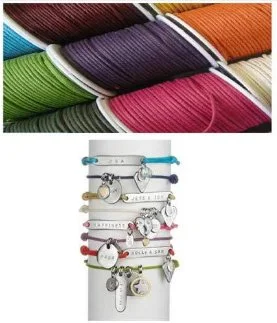
- Available in various colors and finishes for branding or specific use cases.
- Custom twists and braiding can be done for specialized applications.
In summary, choosing the right natural fiber rope involves understanding the material specifications and how they align with your specific application needs.
𝗖𝗼𝗺𝗺𝗼𝗻 𝗔𝗽𝗽𝗹𝗶𝗰𝗮𝘁𝗶𝗼𝗻𝘀 𝗮𝗻𝗱 𝗨𝘀𝗲 𝗖𝗮𝘀𝗲𝘀
Natural fiber ropes serve various industries, showcasing their versatility and reliability.
1. Agriculture: In the agricultural sector, natural fiber ropes are commonly used for tying plants, securing hay bales, and supporting crops. Their biodegradable nature makes them an eco-friendly option for farmers.
2. Shipping: The shipping industry utilizes natural fiber ropes for mooring vessels, securing cargo, and creating rigging systems. Their strength and durability make them essential for maritime operations.
3. Construction: In construction, these ropes are used for lifting heavy materials, creating support lines, and securing scaffolding. Their reliability is crucial in ensuring safety on job sites.
4. Crafts: Artisans and hobbyists favor natural fiber ropes for various craft projects, including macramé, decorative items, and gardening applications. Their aesthetic appeal adds value to handmade products.
5. Landscaping: Natural fiber ropes are used for decorative purposes in landscaping, such as creating borders and supporting climbing plants. Their natural look blends well with outdoor environments.
6. Adventure Sports: These ropes are popular in adventure sports, such as rock climbing and outdoor expeditions, due to their strength and grip.
7. Home Décor: Home décor projects often incorporate natural fiber ropes for rustic designs and functional uses, such as hanging shelves or creating wall art.
𝗣𝗿𝗼𝗱𝘂𝗰𝘁 𝗩𝗮𝗿𝗶𝗮𝗻𝘁𝘀 𝗮𝗻𝗱 𝗦𝘂𝗯𝗰𝗮𝘁𝗲𝗴𝗼𝗿𝗶𝗲𝘀
Natural fiber ropes come in various forms to meet diverse needs across different industries.
Cotton Rope
Cotton rope is soft and flexible, making it ideal for crafting and light-duty applications. It is commonly used in home décor and gardening projects due to its aesthetic appeal and ease of handling.
Coir Rope
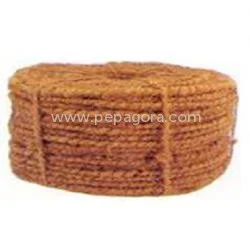
Coir rope is made from coconut husk fibers and is known for its robustness and moisture resistance. It is widely used in marine applications and outdoor settings, making it suitable for landscaping and agricultural tasks.
Manila Rope
Manila rope is derived from the abaca plant and is renowned for its strength and durability. It is commonly used in shipping, construction, and heavy-duty applications where high tensile strength is required.
𝗕𝗲𝗻𝗲𝗳𝗶𝘁𝘀 𝗮𝗻𝗱 𝗔𝗱𝘃𝗮𝗻𝘁𝗮𝗴𝗲𝘀
Natural fiber ropes offer numerous benefits that make them a preferred choice for many businesses.
1. Eco-Friendly: Made from renewable resources, natural fiber ropes are biodegradable and reduce environmental impact compared to synthetic alternatives.
2. Durability: Depending on the material, these ropes offer significant strength and resilience, suitable for various demanding applications.
3. Versatility: Available in multiple sizes and types, natural fiber ropes can be used across different industries, from agriculture to crafts.
4. Aesthetic Appeal: The natural look of these ropes enhances the visual quality of products, making them ideal for decorative purposes.
5. Safety: Natural fiber ropes have a lower risk of causing injury compared to synthetic ropes, as they are less likely to snap under pressure.
6. Comfort: The softer texture of cotton ropes makes them easier to handle, reducing strain on the hands during use.
𝗕𝘂𝘆𝗶𝗻𝗴 𝗚𝘂𝗶𝗱𝗲 𝗳𝗼𝗿 𝗕𝟮𝗕 𝗕𝘂𝘆𝗲𝗿𝘀
When sourcing Natural Fiber Ropes (Cotton, Coir, Manila), several factors should be considered to ensure the best purchase decision.
1. Quality Assessment: Evaluate the rope's quality based on material integrity, strength, and flexibility. Samples may be requested to ensure it meets your standards.
2. Supplier Verification: Vet suppliers rigorously to ensure they have a reputable history and reliable production practices. Look for testimonials and reviews from other buyers.
3. Pricing and MOQ: Understand the pricing structure and minimum order quantities (MOQ). Compare costs across different suppliers to ensure competitive pricing.
4. Delivery and Lead Times: Discuss logistics with suppliers to understand delivery timelines and shipping costs. Ensure they can meet your scheduling needs.
5. Compliance Requirements: Confirm that the products meet relevant regulations and certifications, such as CE marking, to ensure safety and quality standards.
𝗖𝗼𝗺𝗽𝗹𝗶𝗮𝗻𝗰𝗲 𝗮𝗻𝗱 𝗖𝗲𝗿𝘁𝗶𝗳𝗶𝗰𝗮𝘁𝗶𝗼𝗻𝘀
Natural fiber ropes are subject to various compliance and certification standards that ensure their quality and safety.
Relevant quality standards include ISO 9001, which specifies requirements for a quality management system. Adhering to these standards helps manufacturers maintain consistent quality in their production processes.
Additionally, industry certifications such as CE indicate compliance with European safety standards, providing assurance to buyers regarding the product's safety and reliability.
Safety and testing requirements are crucial, especially for ropes used in heavy-duty applications. Regular testing for tensile strength, moisture resistance, and durability is recommended to ensure performance under varying conditions.
Regional compliance considerations may vary, so it is essential for buyers to understand local regulations and standards governing the use of natural fiber ropes in their specific markets.
Why Source Natural Fiber Ropes (Cotton, Coir, Manila) from Pepagora?
Pepagora provides a trusted platform for sourcing Natural Fiber Ropes (Cotton, Coir, Manila) with several key advantages.
Verified Supplier Network: Pepagora connects buyers with verified suppliers, ensuring that all products meet quality standards and regulatory requirements. This reduces the risk of sourcing subpar materials.
Streamlined RFQ Process: The platform offers an easy-to-use request for quotation (RFQ) system, allowing buyers to quickly receive quotes from multiple suppliers. This efficiency saves time and enhances decision-making.
Trade Assurance and Support: Pepagora provides trade assurance, offering buyer protection throughout the purchasing process. This support ensures that buyers can transact with confidence.
Regional Coverage: With a strong presence in India, the GCC, and Southeast Asia, Pepagora facilitates access to a wide range of suppliers and products across these regions. This geographic reach enables buyers to find the best options for their specific needs.
Newly Added



Recently Added
Arham Polymers Pvt Ltd
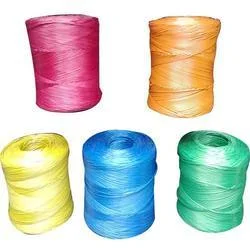
Premium Polypropylene Baler Twine 100% Virgin Material, Multiple Colors
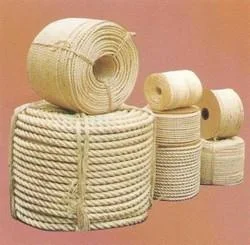
Premium PP Mono Rope For Marine And Industrial Use
Premium UV Stabilized PP Denline Rope For Marine And Construction
Barkaat Packaging
Packaging BOPP Self Adhesive Tapes For Carton Sealing
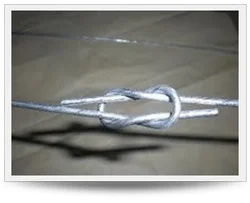
Premium Packing GI Clips Galvanized Iron 12mm 16mm 19mm Sizes
Industrial Packing Clips Galvanized Color 12mm 16mm 19mm
Burhani Rubber Products
Premium Rubber Mountings For Vibration And Shock Absorption
Premium Asbestos Brake Linings With Brass Wire Reinforcement
Industrial Machinery Premium Rubber Vibration Isolation Mounts
Adarsh Plastic House
Industrial Rubber Rings For Sealing In 0.5 4 Inch Sizes
Industrial Rubber Rings For Sealing Durability In Extreme Conditions
Premium LD Black Plastic Nursery Bags with Side Gussets for Healthy Plant Growth
Maruthi India Exports
Premium Fresh Coconuts For Food Beverage Cosmetic Industries
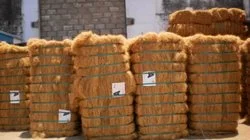
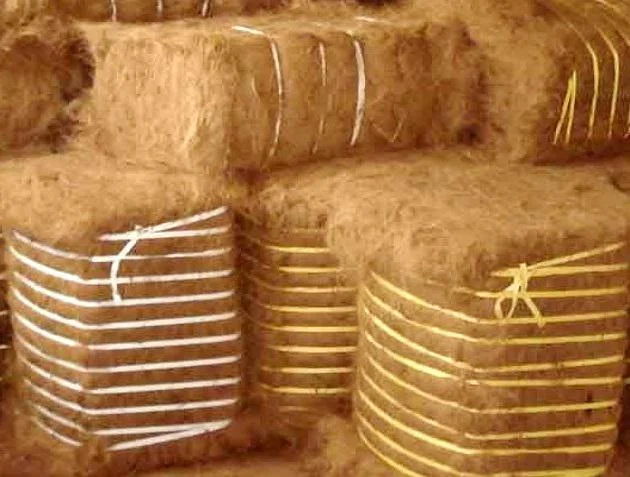
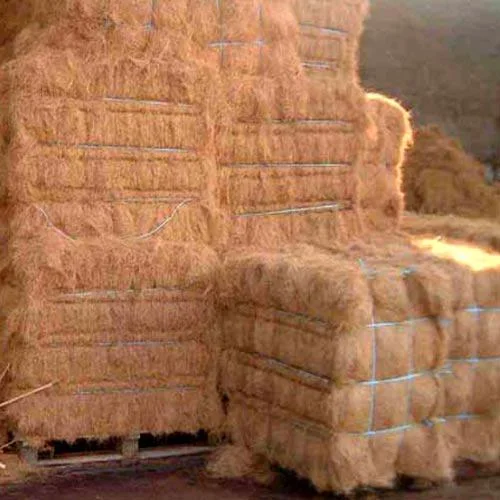
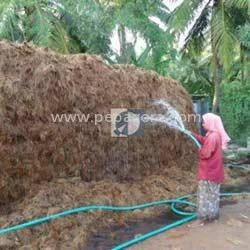
Industrial Premium Coconut Fibre Bales for Horticulture and Erosion Control
Bulk Organic Deshelled Coconuts For Food Manufacturing
Delta Exports
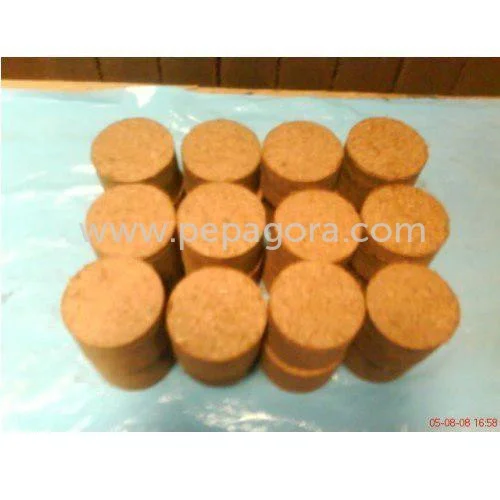
Coconut Peat Blocks For Horticulture Eco Friendly Strong Sturdy
5kg Coconut Coir Blocks Low Moisture Eco Friendly Horticulture
Natural Coir Blocks Eco Friendly Anti Bacteria Strong Sturdy
Octan Exports
Premium Coconut Coir Fibre For Agriculture Horticulture Erosion Control
Premium Coconut Coir Fibre For Eco Friendly Horticulture Mattress
Premium Coconut Coir Fibre For Agriculture Horticulture Erosion Control
Ess Aar Ess Exports
Organic Carrots Fresh Sliced Hygienical Long Shelf Life
Premium Organic Tomatoes Long Shelf Life Hygienic Processing
Fresh Ellipse Potatoes High Grade Bulk Hygienic Food Use
Bajaj Steel Industries Limited
Industrial Cotton Seed Cleaner 5 TPH Durable Steel Sieve Technology
Cotton Ginning Machinery Double Roller High Efficiency CNC Precision
Cotton Ginning Auto Feeder For Productivity Boost & Energy Efficiency
Ozone international
Professional Coco Poles Brown Standard New Long Life
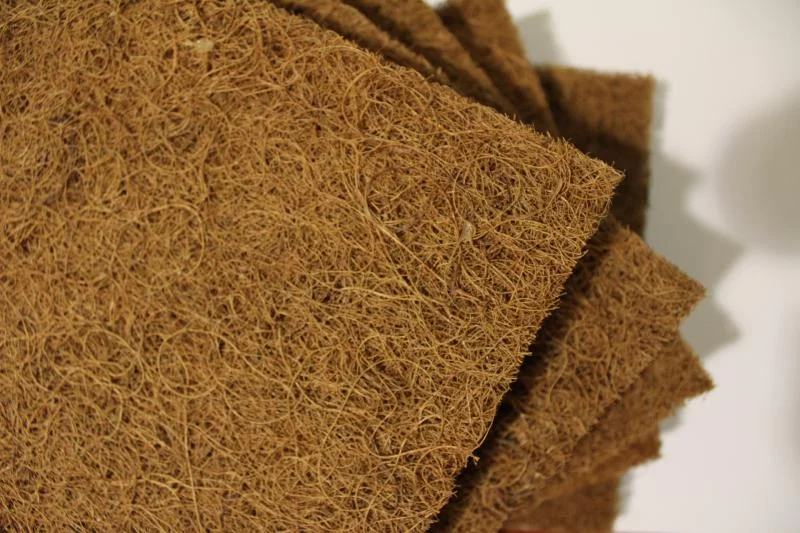
Industrial Mulch Mats 2mm Thick 6 Inch Weed Suppression Bulk
Biodegradable Coir Fiber Pots For Horticulture Nursery Gardening
Why Businesses Trust Pepagora
Thousands of companies trust Pepagora to source smarter and sell faster
Expand Your Sales Globally
25000+Products listed.Get discovered by global buyers
Tools to boost visibility
Build your own catalog

Source Smarter,Grow Faster
4000+Active RFQs
100+ Countries served
Easy Sourcing Tools
