
 IN
INundefined
Nails (Wire Nails, Concrete Nails)
4 products available
What are Nails (Wire Nails, Concrete Nails)?
Nails, specifically wire nails and concrete nails, are essential fasteners used in various construction and manufacturing applications. Wire nails are typically made from steel wire, characterized by their slender, pointed shape and smooth shank. They are designed for general-purpose use, offering versatility in different materials. Concrete nails, on the other hand, are specifically engineered to penetrate hard surfaces such as concrete and masonry. They feature a thicker shank and a hardened tip to ensure durability and effective holding power.
These nails are widely used in residential and commercial construction, manufacturing, woodworking, and repair works. Wire nails are often utilized in framing, roofing, and furniture assembly, while concrete nails are specifically chosen for anchoring materials into concrete or masonry surfaces. The demand for these fasteners is consistently high, driven by ongoing construction projects and renovations. Understanding the different types of nails, their specifications, and applications is crucial for businesses in the construction and manufacturing sectors.
𝗞𝗲𝘆 𝗙𝗲𝗮𝘁𝘂𝗿𝗲𝘀 𝗮𝗻𝗱 𝗦𝗽𝗲𝗰𝗶𝗳𝗶𝗰𝗮𝘁𝗶𝗼𝗻𝘀
Nails come with a variety of features and specifications that cater to different applications. When selecting nails, it's essential to consider the material, size, and design tailored to specific tasks. Wire nails and concrete nails have distinct characteristics that define their performance and suitability.
Key specifications include:
1. Material Type
- Wire nails are typically made from low carbon steel.
- Concrete nails are made from hardened steel for increased strength.
2. Lengths Available
- Wire nails generally range from 1 inch to 4 inches.
- Concrete nails are available in lengths from 1.5 inches to 4 inches.
3. Diameter
- Wire nails vary in diameter from 0.08 inches to 0.12 inches.
- Concrete nails have a larger diameter, usually around 0.12 to 0.16 inches.
4. Coating Options
- Wire nails may come galvanized or uncoated for corrosion resistance.
- Concrete nails are often treated to enhance durability against weather conditions.
5. Head Types
- Wire nails usually have flat heads for flush finishing.
- Concrete nails feature a larger, ribbed head for better retention.
6. Packaging
- Wire nails are commonly sold in boxes or bulk packs.
- Concrete nails are typically packaged in smaller quantities for ease of use.
In summary, nails play a critical role in fastening applications, and understanding their specifications helps ensure that the right type is chosen for each project.
𝗖𝗼𝗺𝗺𝗼𝗻 𝗔𝗽𝗽𝗹𝗶𝗰𝗮𝘁𝗶𝗼𝗻𝘀 𝗮𝗻𝗱 𝗨𝘀𝗲 𝗖𝗮𝘀𝗲𝘀
Nails serve various industries and applications, making them indispensable in construction and manufacturing.
1. Construction: In residential and commercial buildings, wire nails are used for framing, roofing, and siding installation, providing essential structural support.
2. Manufacturing: In furniture manufacturing, wire nails are used for assembling components, ensuring a solid and reliable finish.
3. Concrete Work: Concrete nails are specifically designed for anchoring fixtures, framing, and securing materials to concrete surfaces, making them crucial in masonry work.
4. Home Improvement: DIY projects often utilize wire nails for various tasks, including carpentry, repairs, and craft applications.
5. Automotive: In some automotive applications, nails serve to secure components within vehicle assembly processes.
6. Packaging: Nails can also be used in securing wooden crates and pallets for shipping and storage purposes.
𝗣𝗿𝗼𝗱𝘂𝗰𝘁 𝗩𝗮𝗿𝗶𝗮𝗻𝘁𝘀 𝗮𝗻𝗱 𝗦𝘂𝗯𝗰𝗮𝘁𝗲𝗴𝗼𝗿𝗶𝗲𝘀
The diversity of nails includes various types tailored to specific needs, ensuring optimal performance across different applications.
Wire Nails
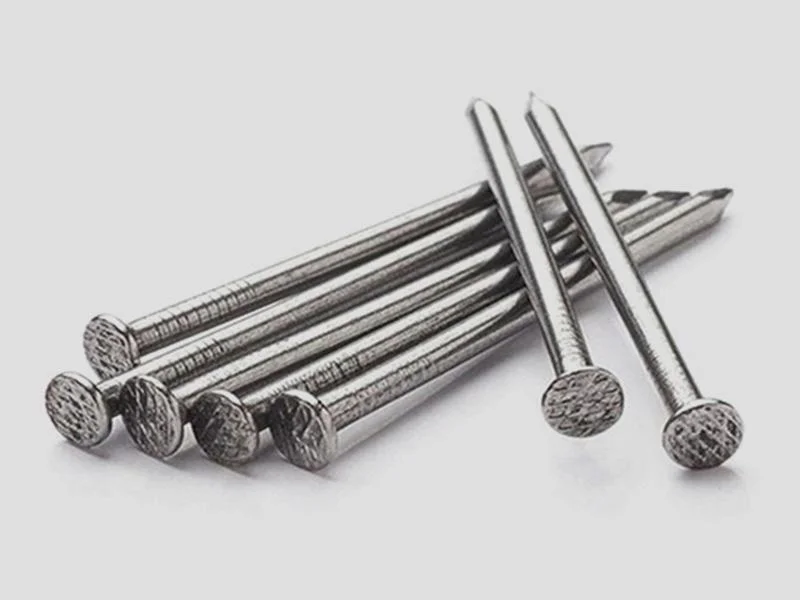
Wire nails are designed for general-purpose use in woodworking, framing, and furniture assembly. They offer a smooth surface for a clean finish and are available in multiple lengths and gauges to suit various projects.
Concrete Nails
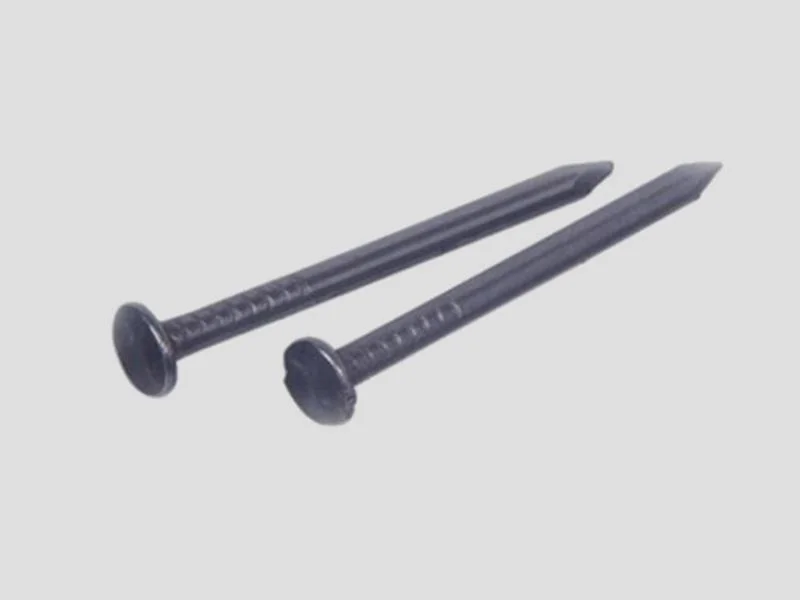
Concrete nails are specifically engineered to penetrate hard surfaces. They feature a hardened tip and a ribbed shank for superior grip, making them ideal for masonry work and securing fixtures to concrete.
𝗕𝗲𝗻𝗲𝗳𝗶𝘁𝘀 𝗮𝗻𝗱 𝗔𝗱𝘃𝗮𝗻𝘁𝗮𝗴𝗲𝘀
Choosing the right nails provides several benefits that enhance construction and manufacturing processes.
1. Strong Holding Power: Wire nails and concrete nails are designed for high tensile strength, ensuring they hold materials securely in place.
2. Versatility: Wire nails can be used across various applications, making them ideal for general use in construction and woodworking.
3. Durability: Concrete nails withstand heavy loads and resist bending or breaking, especially in tough environments.
4. Easy Installation: Both types of nails can be easily driven into materials, offering quick assembly and reduced labor time.
5. Cost-Effectiveness: Nails are affordable fasteners, providing a budget-friendly solution for various projects.
6. Low Maintenance: Once installed, nails require minimal upkeep, ensuring long-lasting performance in applications.
𝗕𝘂𝘆𝗶𝗻𝗴 𝗚𝘂𝗶𝗱𝗲 𝗳𝗼𝗿 𝗕𝟮𝗕 𝗕𝘂𝘆𝗲𝗿𝘀
When sourcing nails, it is vital to consider several factors to ensure the right selection for your needs.
1. Quality Assessment: Look for nails that meet industry standards for strength and durability. Ensure that the materials used are appropriate for the intended application.
2. Supplier Verification: Vet suppliers for reliability and reputation. Check for customer reviews and ratings to ensure quality and service.
3. Pricing and MOQ: Consider the pricing structure and minimum order quantities. Ensure that the costs align with your budget while meeting your project requirements.
4. Delivery and Lead Times: Discuss logistics and expected lead times with suppliers to ensure timely delivery for your projects.
5. Compliance Requirements: Verify that the nails meet any regional compliance and regulatory standards relevant to your industry and location.
𝗖𝗼𝗺𝗽𝗹𝗶𝗮𝗻𝗰𝗲 𝗮𝗻𝗱 𝗖𝗲𝗿𝘁𝗶𝗳𝗶𝗰𝗮𝘁𝗶𝗼𝗻𝘀
Nails must adhere to various quality standards to ensure safety and reliability in applications. ISO 9001 is a common standard that emphasizes quality management systems, ensuring consistent product quality and customer satisfaction.
Additionally, nails may require certifications such as CE, which indicates compliance with European safety regulations. Safety and testing requirements also play a crucial role, as nails need to be tested for tensile strength and durability to ensure they perform under expected loads.
Regional compliance considerations should be taken into account, as different countries may have specific regulations regarding materials and manufacturing processes. Understanding these requirements aids businesses in sourcing compliant and high-quality fasteners.
Why Source Nails (Wire Nails, Concrete Nails) from Pepagora?
Pepagora provides a trusted platform for sourcing nails, offering several key advantages that facilitate the purchasing process for B2B buyers.
Verified Supplier Network: Pepagora connects buyers with a network of verified suppliers, ensuring that all vendors meet quality standards and industry regulations. This transparency builds trust and confidence in sourcing.
Streamlined RFQ Process: The Request for Quotation system simplifies the buying process, allowing businesses to easily request and compare quotations from multiple suppliers, ensuring the best pricing and terms.
Trade Assurance and Support: Pepagora offers buyer protection through trade assurance policies, providing peace of mind throughout the purchasing process. Support is available to assist with any queries or issues that may arise.
Regional Coverage: With a broad geographic reach across India, the GCC, and Southeast Asia, Pepagora facilitates easy sourcing for businesses looking to procure nails in various locations, ensuring timely delivery and access to local suppliers.
Newly Added


Recently Added
Arvind Steel & Hardware
Industrial Galvanized Corrugated Sheets For Roofing And Cladding
Industrial Construction Galvanized Color Coated Steel Sheets
Industrial Galvalume Profile Sheets For Roofing And Cladding
Ekta Industries Rajkot
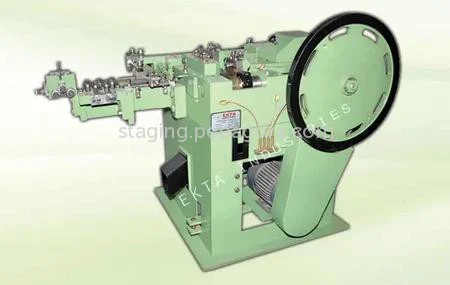
Industrial High Speed Wire Nail Making Machine HS 90 For Construction Furniture
Ekta Industries Precision Wire Nail Making Machine For High Volume Production
Industrial Wire Nail Making Machines For Construction And Furniture
APT Tools And Machinery
Plastic Strip Nails For Framing Sheathing Fencing Pallet Assembly
Wire Coil Nails For Framing Fencing Roofing Pallet Manufacturing
Bulk Nails For Wood Construction Carpentry Cabinet Work Indoor Projects
Why Businesses Trust Pepagora
Thousands of companies trust Pepagora to source smarter and sell faster
Expand Your Sales Globally
25000+Products listed.Get discovered by global buyers
Tools to boost visibility
Build your own catalog

Source Smarter,Grow Faster
4000+Active RFQs
100+ Countries served
Easy Sourcing Tools
