
 IN
INundefined
Multistation Access Unit
9 products available
𝗪𝗵𝗮𝘁 𝗮𝗿𝗲 𝗠𝘂𝗹𝘁𝗶𝘀𝘁𝗮𝘁𝗶𝗼𝗻 𝗔𝗰𝗰𝗲𝘀𝘀 𝗨𝗻𝗶𝘁?
A Multistation Access Unit (MAU) is a networking device that connects multiple stations in a local area network (LAN). It allows various devices, such as computers and printers, to communicate with each other within the same network. The MAU serves as a centralized hub, facilitating data transmission and ensuring efficient communication among connected devices.
MAUs are primarily used in industrial and commercial settings where multiple devices need to connect to a single network. They play a critical role in environments such as manufacturing plants, office complexes, and data centers. Businesses leverage MAUs to streamline their operations, improve data accessibility, and enhance network reliability. By providing a robust connection infrastructure, MAUs are essential for organizations that rely on a high volume of data exchange.
In the current market context, the relevance of MAUs is increasing as businesses embrace digital transformation. With the growing demand for interconnected devices and the Internet of Things (IoT), MAUs are essential for ensuring seamless communication. As industries evolve, the need for reliable networking solutions continues to drive the market for Multistation Access Units.
𝗞𝗲𝘆 𝗙𝗲𝗮𝘁𝘂𝗿𝗲𝘀 𝗮𝗻𝗱 𝗦𝗽𝗲𝗰𝗶𝗳𝗶𝗰𝗮𝘁𝗶𝗼𝗻𝘀
Multistation Access Units come equipped with several features that enhance their performance and usability. They are designed to meet the demands of various business applications by providing reliable connectivity and efficient data management.
Key specifications include:
1. Connectivity Options
- Supports multiple Ethernet ports for device connections
- Typically features 10/100/1000 Mbps speeds
2. Network Protocols
- Compatible with various networking standards such as Ethernet and Token Ring
- Facilitates seamless data transfer among connected devices
3. Power Supply
- Usually powered by an AC power source
- Some models may offer Power over Ethernet (PoE) capabilities
4. Physical Dimensions
- Varies by model, typically compact and rack-mountable
- Designed for easy integration into existing network infrastructure
5. Temperature Range
- Data not available
6. Humidity Control
- Data not available
7. Monitoring Features
- Data not available
8. Compliance Standards
- Compliant with CE and UL safety certifications
In summary, Multistation Access Units are equipped with essential features that facilitate robust networking capabilities. Their specifications cater to the needs of various business environments, ensuring effective communication and data management.
𝗖𝗼𝗺𝗺𝗼𝗻 𝗔𝗽𝗽𝗹𝗶𝗰𝗮𝘁𝗶𝗼𝗻𝘀 𝗮𝗻𝗱 𝗨𝘀𝗲 𝗖𝗮𝘀𝗲𝘀
Multistation Access Units are utilized across diverse industries to enhance connectivity and streamline operations.
1. Manufacturing: In manufacturing environments, MAUs connect machines and devices, enabling real-time data sharing for improved production efficiency.
2. Office Buildings: In corporate settings, MAUs facilitate communication between computers, printers, and other office equipment, enhancing workflow and productivity.
3. Data Centers: MAUs are crucial in data centers, allowing multiple servers and storage devices to communicate effectively, ensuring data integrity and availability.
4. Retail: In retail environments, MAUs connect point-of-sale systems, inventory management devices, and customer service terminals, optimizing operations and customer experiences.
5. Education: Educational institutions use MAUs to connect computers and multimedia devices in classrooms, enabling collaborative learning and resource sharing.
6. Healthcare: In healthcare facilities, MAUs facilitate communication between medical devices, patient management systems, and staff workstations, enhancing patient care.
7. Telecommunications: Telecommunications companies rely on MAUs to connect various network components, improving service reliability and data transmission efficiency.
𝗣𝗿𝗼𝗱𝘂𝗰𝘁 𝗩𝗮𝗿𝗶𝗮𝗻𝘁𝘀 𝗮𝗻𝗱 𝗦𝘂𝗯𝗰𝗮𝘁𝗲𝗴𝗼𝗿𝗶𝗲𝘀
Multistation Access Units come in various forms to cater to specific business needs.
Standard MAU
This variant provides basic connectivity for small to medium-sized networks. It typically features multiple Ethernet ports and is suitable for general office use.
Advanced MAU
This variant offers enhanced features, such as advanced monitoring capabilities and increased data transfer speeds. It is ideal for larger networks and data-intensive applications.
Compact MAU
Designed for space-constrained environments, this variant provides essential connectivity in a smaller footprint. It is perfect for smaller offices or mobile workstations.
𝗕𝗲𝗻𝗲𝗳𝗶𝘁𝘀 𝗮𝗻𝗱 𝗔𝗱𝘃𝗮𝗻𝘁𝗮𝗴𝗲𝘀
Using Multistation Access Units provides numerous advantages for businesses looking to improve their networking capabilities.
Key benefits include:
1. Enhanced Connectivity: MAUs allow multiple devices to connect seamlessly, improving communication and collaboration.
2. Increased Reliability: With a centralized hub, data transmission is more stable, reducing the likelihood of network failures.
3. Scalability: MAUs can be easily expanded to accommodate additional devices, making them suitable for growing businesses.
4. Cost-Effectiveness: By consolidating connections, MAUs can reduce the overall cost of network infrastructure.
5. Simplified Management: Centralized management of connected devices streamlines network administration and troubleshooting.
6. Improved Performance: MAUs optimize data transfer speeds, enhancing the efficiency of business operations.
𝗕𝘂𝘆𝗶𝗻𝗴 𝗚𝘂𝗶𝗱𝗲 𝗳𝗼𝗿 𝗕𝟮𝗕 𝗕𝘂𝘆𝗲𝗿𝘀
When sourcing Multistation Access Units, it is essential to consider several factors to ensure the best fit for your business needs.
1. Quality Assessment: Look for MAUs that meet industry standards and certifications. Ensure the product has undergone rigorous testing for reliability and performance.
2. Supplier Verification: Vet potential suppliers by checking their reputation and customer feedback. Partnering with established suppliers can guarantee better product quality and support.
3. Pricing and MOQ: Consider the cost of the MAU and the minimum order quantity required. Evaluate your budget and purchasing capacity before making a decision.
4. Delivery and Lead Times: Discuss logistics with suppliers to understand delivery timelines. Ensure that lead times align with your project schedules.
5. Compliance Requirements: Verify that the MAU complies with relevant industry regulations and standards to avoid potential legal issues.
𝗖𝗼𝗺𝗽𝗹𝗶𝗮𝗻𝗰𝗲 𝗮𝗻𝗱 𝗖𝗲𝗿𝘁𝗶𝗳𝗶𝗰𝗮𝘁𝗶𝗼𝗻𝘀
Multistation Access Units are subject to various quality standards and certifications that ensure their safety and reliability. Relevant quality standards include ISO 9001 for quality management systems, which indicates that the product has met international quality benchmarks.
Additionally, industry certifications such as CE and UL demonstrate that the MAUs comply with European and North American safety standards, respectively. These certifications are crucial for ensuring that the product is safe for use in commercial and industrial applications.
Safety and testing requirements are also important considerations. MAUs must undergo rigorous testing to ensure they can operate effectively under various conditions. This includes assessments for electrical safety and performance reliability.
Regional compliance considerations may vary depending on the geographical market. Businesses should be aware of specific regulations and standards relevant to their location to ensure full compliance.
𝗪𝗵𝘆 𝗦𝗼𝘂𝗿𝗰𝗲 𝗠𝘂𝗹𝘁𝗶𝘀𝘁𝗮𝘁𝗶𝗼𝗻 𝗔𝗰𝗰𝗲𝘀𝘀 𝗨𝗻𝗶𝘁 𝗳𝗿𝗼𝗺 𝗣𝗲𝗽𝗮𝗴𝗼𝗿𝗮?
Pepagora offers a trusted platform for sourcing Multistation Access Units, providing several key advantages for B2B buyers.
Verified Supplier Network: Pepagora connects buyers with a network of verified suppliers. This ensures that businesses can find reliable partners who meet their quality and performance standards.
Streamlined RFQ Process: The platform simplifies the request for quotation process, allowing buyers to easily compare prices and features from multiple suppliers. This efficiency helps businesses make informed purchasing decisions.
Trade Assurance and Support: Pepagora offers buyer protection through trade assurance policies. This ensures that businesses can source products with confidence, knowing they are protected in transactions.
Regional Coverage: With a focus on key markets such as India, the GCC, and Southeast Asia, Pepagora provides extensive regional reach. This allows businesses to access a diverse range of suppliers and products tailored to their specific needs.
Newly Added


Recently Added
Adaptek Automation Technology
Industrial HMI LCD Display Allen Bradley PV600 2711 K3A5L1 Keypad
Industrial HMI Siemens TP270 Touch Panel Automation Control
GSM Alarm Controller For Remote Monitoring And SMS Control
Bhuvaneshwari Business Combines Private Limited
Partner Since 1993 High Quality Products Importers Distributors
SMB Phone System Soho PBX Vision Ultra 412P 4 Trunk 12 Extension
Enterprise PBX KTS Eternity 10S 272 Ports 10 Slots ISDN T1 E1 GSM E&M
RB Networks
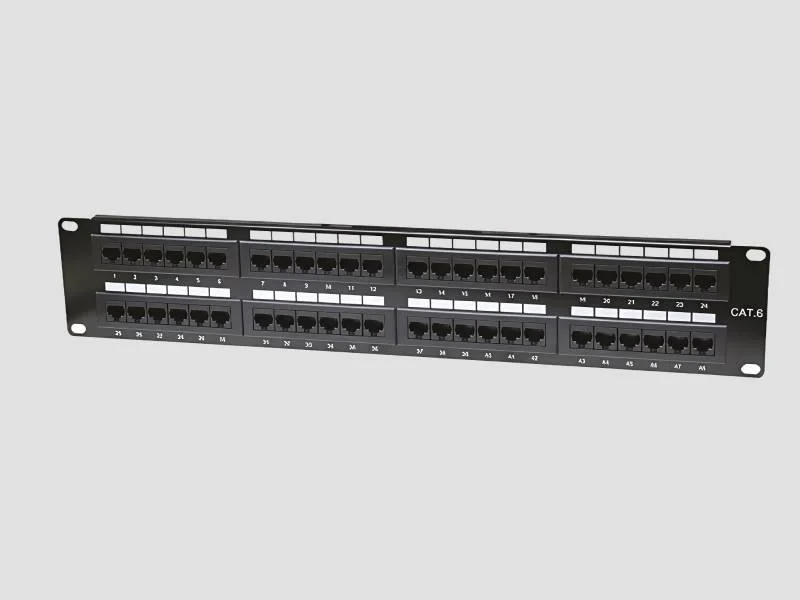
Data Center Network Infrastructure Commscope 48 Port CAT6 Patch Panel
Commscope CAT6 RJ45 UTP Solid Blue 1m Patch Cord for Gigabit Ethernet
OM5 LC to LC Duplex Fiber Patch Cord 40G/100G Plenum Rated for Data Centers
Why Businesses Trust Pepagora
Thousands of companies trust Pepagora to source smarter and sell faster
Expand Your Sales Globally
25000+Products listed.Get discovered by global buyers
Tools to boost visibility
Build your own catalog

Source Smarter,Grow Faster
4000+Active RFQs
100+ Countries served
Easy Sourcing Tools
