
 IN
INundefined
Multilayer PCBs
1 products available
𝗪𝗵𝗮𝘁 𝗮𝗿𝗲 𝗠𝘂𝗹𝘁𝗶𝗹𝗮𝘆𝗲𝗿 𝗣𝗖𝗕𝘀?
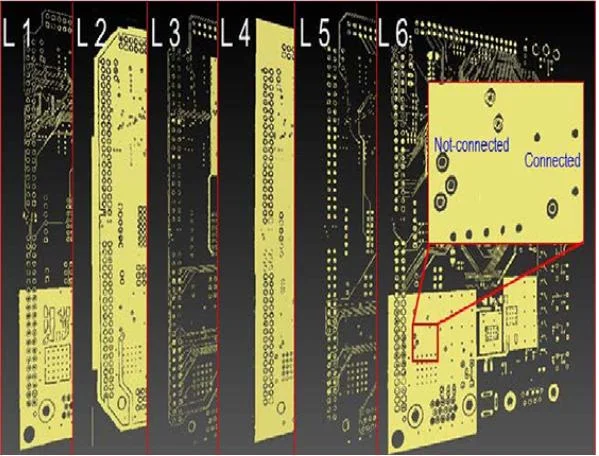
Multilayer Printed Circuit Boards (PCBs) are advanced electronic components that consist of multiple layers of conductive pathways separated by insulating materials. These layers are bonded together, allowing for a compact design that can accommodate complex electronic circuits. A multilayer PCB can have anywhere from three to over ten layers, depending on the application requirements. This design enhances signal integrity and reduces electromagnetic interference, making multilayer PCBs a preferred choice in high-performance electronics.
The primary uses of multilayer PCBs span various industries, including telecommunications, automotive, aerospace, and consumer electronics. They are commonly found in devices such as smartphones, medical equipment, and industrial machinery. As technology advances, the demand for multilayer PCBs continues to grow, driven by the need for smaller, lighter, and more efficient electronic devices. In the current market, multilayer PCBs are essential in supporting innovative solutions while adhering to stringent quality and performance standards.
𝗞𝗲𝘆 𝗙𝗲𝗮𝘁𝘂𝗿𝗲𝘀 𝗮𝗻𝗱 𝗦𝗽𝗲𝗰𝗶𝗳𝗶𝗰𝗮𝘁𝗶𝗼𝗻𝘀
Multilayer PCBs offer various features that cater to the needs of modern electronic applications. Their design allows for higher component density and improved electrical performance. Key specifications are critical in determining their suitability for specific applications.
Key specifications include:
1. Layer Count
- Multilayer PCBs typically range from 3 to 12 layers.
- Higher layer counts allow for more complex circuit designs.
2. Material Type
- Common materials include FR-4 and Rogers.
- Each material has unique dielectric properties suited for different applications.
3. Minimum Trace Width
- Trace widths can be as small as 0.1 mm.
- Smaller widths allow for more components in a compact space.
4. Surface Finish
- Options include HASL, ENIG, and OSP.
- Each finish provides different levels of solderability and durability.
5. Via Types
- Options include through-hole, blind, and buried vias.
- Different via types affect layer interconnections and overall PCB thickness.
6. Thickness
- Standard thicknesses range from 0.2 mm to 3.2 mm.
- Thickness is chosen based on mechanical and electrical requirements.
7. Thermal Management
- Features like thermal vias and copper planes help dissipate heat.
- Essential for high-power applications.
8. Compliance Standards
- Must meet industry standards like UL and CE.
- Compliance ensures safety and reliability in end products.
In summary, multilayer PCBs are characterized by their complex designs and diverse specifications, making them essential for high-performance electronic applications.
𝗖𝗼𝗺𝗺𝗼𝗻 𝗔𝗽𝗽𝗹𝗶𝗰𝗮𝘁𝗶𝗼𝗻𝘀 𝗮𝗻𝗱 𝗨𝘀𝗲 𝗖𝗮𝘀𝗲𝘀
Multilayer PCBs are integral to various industries due to their reliability and functionality. They are designed to meet the demands of complex electronic systems.
1. Telecommunications: Multilayer PCBs are used in routers, switches, and base stations, where high-speed data transmission is crucial.
2. Automotive: These PCBs support advanced driver-assistance systems (ADAS), infotainment systems, and electric vehicle components, enhancing safety and performance.
3. Aerospace: In avionics and control systems, multilayer PCBs provide the durability and reliability needed for critical applications.
4. Medical Devices: Used in diagnostic equipment and monitoring systems, multilayer PCBs ensure precision and compliance with health regulations.
5. Consumer Electronics: Smartphones, tablets, and other portable devices rely on multilayer PCBs for compact and efficient designs.
6. Industrial Automation: Control systems and robotics utilize multilayer PCBs for their ability to handle complex tasks and improve productivity.
7. IoT Devices: With the rise of the Internet of Things, multilayer PCBs are essential in connecting smart devices and enabling seamless communication.
𝗣𝗿𝗼𝗱𝘂𝗰𝘁 𝗩𝗮𝗿𝗶𝗮𝗻𝘁𝘀 𝗮𝗻𝗱 𝗦𝘂𝗯𝗰𝗮𝘁𝗲𝗴𝗼𝗿𝗶𝗲𝘀
Multilayer PCBs come in various forms tailored to specific application needs. This diversity helps meet the unique requirements of different industries.
Standard Multilayer PCBs: These are the most common type, featuring multiple layers for high-density circuit designs. They are versatile and applicable in numerous electronic devices.
High-Frequency Multilayer PCBs: Designed for RF applications, these PCBs utilize materials that minimize signal loss and ensure high performance in telecommunications and radar systems.
Flexible Multilayer PCBs: These PCBs can bend and flex, making them ideal for wearable technology and compact electronic devices where space is limited.
𝗕𝗲𝗻𝗲𝗳𝗶𝘁𝘀 𝗮𝗻𝗱 𝗔𝗱𝘃𝗮𝗻𝘁𝗮𝗴𝗲𝘀
Choosing multilayer PCBs offers significant advantages for businesses looking to enhance their electronic products.
Key benefits include:
1. Compact Design: Multilayer PCBs allow for more functionality in a smaller form factor, which is essential for modern electronics.
2. Improved Performance: The multiple layers enhance signal integrity and reduce interference, ensuring reliable operation.
3. Increased Durability: The use of high-quality materials and construction methods helps these PCBs withstand harsh environments.
4. Cost-Effectiveness: While the initial investment may be higher, the long-term reliability and performance can lead to lower overall costs.
5. Design Flexibility: Engineers can create complex and innovative designs that meet specific application requirements.
6. Enhanced Thermal Management: Multilayer PCBs can effectively manage heat, reducing the risk of component failure.
𝗕𝘂𝘆𝗶𝗻𝗴 𝗚𝘂𝗶𝗱𝗲 𝗳𝗼𝗿 𝗕𝟮𝗕 𝗕𝘂𝘆𝗲𝗿𝘀
When sourcing multilayer PCBs, it is essential to consider several factors to ensure the best fit for your needs.
1. Quality Assessment: Look for suppliers that adhere to recognized quality standards and offer detailed specifications. This ensures that the PCBs will perform reliably in their intended applications.
2. Supplier Verification: Vet suppliers thoroughly to ensure they have a proven track record in producing high-quality multilayer PCBs. Check for certifications and customer reviews.
3. Pricing and MOQ: Understand the pricing structure and minimum order quantities (MOQs) for multilayer PCBs. This helps in budgeting and planning your purchases effectively.
4. Delivery and Lead Times: Evaluate suppliers based on their ability to meet delivery schedules. Timely delivery is crucial for maintaining production timelines.
5. Compliance Requirements: Confirm that the PCBs meet necessary regulatory and safety standards. This is particularly important in industries like healthcare and automotive.
𝗖𝗼𝗺𝗽𝗹𝗶𝗮𝗻𝗰𝗲 𝗮𝗻𝗱 𝗖𝗲𝗿𝘁𝗶𝗳𝗶𝗰𝗮𝘁𝗶𝗼𝗻𝘀
Compliance and certifications play a vital role in ensuring the quality and safety of multilayer PCBs.
Relevant quality standards include ISO 9001, which outlines the requirements for a quality management system, ensuring consistent quality and customer satisfaction. Additional standards like HACCP and GDP may apply depending on the specific industry requirements.
Industry certifications such as UL and CE are essential for multilayer PCBs. UL certification indicates that the product has been tested for safety and performance, while CE marking ensures compliance with European health, safety, and environmental protection standards.
Safety and testing requirements are also crucial. Manufacturers must conduct thorough testing to ensure the PCBs can withstand operational stresses and maintain reliability.
Regional compliance considerations should not be overlooked, as different regions may have specific regulations affecting the design and production of multilayer PCBs.
𝗪𝗵𝘆 𝗦𝗼𝘂𝗿𝗰𝗲 𝗠𝘂𝗹𝘁𝗶𝗹𝗮𝘆𝗲𝗿 𝗣𝗖𝗕𝘀 𝗳𝗿𝗼𝗺 𝗣𝗲𝗽𝗮𝗴𝗼𝗿𝗮?
Pepagora provides a trusted platform for sourcing multilayer PCBs, offering several key advantages for businesses.
Verified Supplier Network: Pepagora connects buyers with a network of verified suppliers, ensuring that each supplier meets strict quality and reliability standards. This reduces the risk of sourcing subpar products.
Streamlined RFQ Process: The platform features a user-friendly Request for Quotation (RFQ) system that simplifies the procurement process. Buyers can quickly receive competitive quotes tailored to their specific requirements.
Trade Assurance and Support: Pepagora offers trade assurance, protecting buyers against potential risks in the procurement process. This ensures that businesses can confidently invest in multilayer PCBs without fear of issues arising.
Regional Coverage: With a strong presence in India, the GCC, and Southeast Asia, Pepagora provides regional support and accessibility. This geographic reach ensures timely delivery and local supplier connections, catering to the diverse needs of businesses across different markets.
Newly Added


Recently Added













Why Businesses Trust Pepagora
Thousands of companies trust Pepagora to source smarter and sell faster
Expand Your Sales Globally
25000+Products listed.Get discovered by global buyers
Tools to boost visibility
Build your own catalog

Source Smarter,Grow Faster
4000+Active RFQs
100+ Countries served
Easy Sourcing Tools
