
 IN
INundefined
Multigrain Flour & Atta
46 products available
𝗪𝗵𝗮𝘁 𝗮𝗿𝗲 𝗠𝘂𝗹𝘁𝗶𝗴𝗿𝗮𝗶𝗻 𝗙𝗹𝗼𝘂𝗿 & 𝗔𝘁𝘁𝗮?
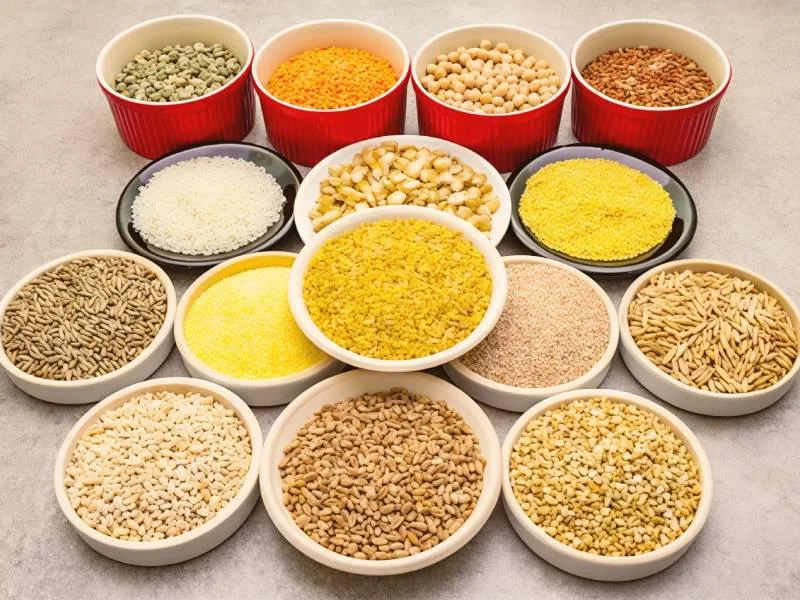
Multigrain flour and atta are versatile ingredients made from a blend of various grains. These products combine the nutritional benefits of multiple grains, such as wheat, barley, millets, and legumes, to create a flour that is rich in fiber, vitamins, and minerals. The term "atta" typically refers to whole wheat flour used primarily in Indian cooking, while multigrain flour can encompass a broader range of grains. This combination not only enhances the flavor but also boosts the health benefits of the flour.
In business applications, multigrain flour and atta are essential for food manufacturers, bakeries, and restaurants looking to create healthier products. They can be used to make a variety of food items, including bread, chapatis, pancakes, and snacks. The growing trend towards healthier eating is driving demand for these products, making them increasingly relevant in the food production industry. With consumers becoming more health-conscious, the market for multigrain flour and atta is expanding, presenting opportunities for businesses to innovate and cater to this demand.
𝗞𝗲𝘆 𝗙𝗲𝗮𝘁𝘂𝗿𝗲𝘀 𝗮𝗻𝗱 𝗦𝗽𝗲𝗰𝗶𝗳𝗶𝗰𝗮𝘁𝗶𝗼𝗻𝘀
Multigrain flour and atta come with a range of features and specifications that determine their quality and suitability for various applications. Understanding these specifications is crucial for buyers in making informed purchasing decisions.
Key specifications include:
1. Grain Composition
- A specific blend of grains, typically including wheat, barley, millet, and legumes.
- The ratio can vary based on the manufacturer and intended use.
2. Nutritional Content
- High in dietary fiber, vitamins, and minerals.
- Contains essential amino acids and antioxidants.
3. Protein Content
- Varies depending on the grain blend used.
- Typically ranges from 10% to 15% protein.
4. Moisture Level
- Ideal moisture content is typically around 12% to ensure shelf stability.
- Excess moisture can lead to spoilage.
5. Ash Content
- Indicates the mineral content and quality of the flour.
- Usually kept below 0.5% for premium flour.
6. Gluten Content
- Varies based on the type of grains used.
- Important for determining the baking quality and texture.
7. Shelf Life
- Generally ranges from 6 months to 1 year when stored properly.
- Packaging plays a crucial role in extending shelf life.
8. Packaging Options
- Available in various packaging sizes, from small retail bags to bulk containers.
- Packaging should protect the flour from moisture and contaminants.
These specifications provide a framework for assessing the quality and suitability of multigrain flour and atta for specific applications.
𝗖𝗼𝗺𝗺𝗼𝗻 𝗔𝗽𝗽𝗹𝗶𝗰𝗮𝘁𝗶𝗼𝗻𝘀 𝗮𝗻𝗱 𝗨𝘀𝗲 𝗖𝗮𝘀𝗲𝘀
Multigrain flour and atta serve a variety of industries and applications, making them versatile ingredients in many food products.
1. Bakery Industry: Used to produce healthier bread, rolls, and pastries, offering an alternative to traditional white flour.
2. Restaurant Sector: Restaurants utilize multigrain flour for healthier menu options such as wraps, pizzas, and flatbreads, appealing to health-conscious diners.
3. Snack Production: Manufacturers use multigrain flour to create nutritious snacks like crackers and energy bars, catering to consumer demand for on-the-go healthy options.
4. Health Food Products: Ideal for creating gluten-free or whole grain products that meet the needs of specific dietary requirements.
5. Packaged Foods: Commonly used in ready-to-cook and packaged meal options, providing convenience without sacrificing nutrition.
6. Traditional Cuisine: Essential for making regional dishes that require specific types of flour, enhancing the authenticity of the meal.
7. Nutraceuticals: Used in health supplements due to its rich nutritional profile, targeting health-focused consumers.
𝗣𝗿𝗼𝗱𝘂𝗰𝘁 𝗩𝗮𝗿𝗶𝗮𝗻𝘁𝘀 𝗮𝗻𝗱 𝗦𝘂𝗯𝗰𝗮𝘁𝗲𝗴𝗼𝗿𝗶𝗲𝘀
Multigrain flour and atta come in various forms to meet diverse consumer needs and preferences. The diversity in formulations allows businesses to cater to specific markets.
Whole Grain Multigrain Flour: This variant retains the bran and germ of the grains, providing maximum nutrition. It is great for baking bread and making traditional flatbreads.
Refined Multigrain Flour: A mixture of grains that may have gone through some level of refinement. It offers a lighter texture and is suitable for pastries and cakes.
Gluten-Free Multigrain Flour: Formulated without wheat, this variant is ideal for consumers with gluten sensitivities. It can be used in a variety of gluten-free recipes.
Organic Multigrain Flour: Made from organically sourced grains, this option appeals to health-conscious consumers looking for chemical-free ingredients.
𝗕𝗲𝗻𝗲𝗳𝗶𝘁𝘀 𝗮𝗻𝗱 𝗔𝗱𝘃𝗮𝗻𝘁𝗮𝗴𝗲𝘀
Choosing multigrain flour and atta provides numerous benefits for both manufacturers and end consumers.
1. Nutritional Value: Rich in vitamins, minerals, and fiber, offering a healthier alternative to refined flours.
2. Versatility: Suitable for a wide range of applications, from baking to cooking, allowing for creativity in product development.
3. Health Benefits: Promotes better digestion and overall health, appealing to a growing demographic of health-conscious consumers.
4. Market Demand: Aligns with the increasing consumer preference for healthier food options, offering businesses a competitive edge.
5. Cost-Effectiveness: Typically more affordable than specialty flours, providing a cost-effective solution for food production.
6. Customization: Manufacturers can create tailored blends to meet specific dietary needs and preferences, enhancing product differentiation.
𝗕𝘂𝘆𝗶𝗻𝗴 𝗚𝘂𝗶𝗱𝗲 𝗳𝗼𝗿 𝗕𝟮𝗕 𝗕𝘂𝘆𝗲𝗿𝘀
When sourcing multigrain flour and atta, B2B buyers should consider several key factors to ensure quality and suitability for their needs.
1. Quality Assessment: Look for products that have undergone rigorous quality testing and meet industry standards. Nutritional profiles and ingredient transparency are crucial.
2. Supplier Verification: Vet suppliers thoroughly to ensure they have a track record of reliability and quality. Request samples and check references.
3. Pricing and MOQ: Understand the pricing structures and minimum order quantities to assess budget alignment. Compare prices among suppliers for competitive rates.
4. Delivery and Lead Times: Inquire about the supplier's delivery capabilities and lead times to ensure timely fulfillment of orders.
5. Compliance Requirements: Ensure that the flour meets relevant food safety and quality regulations, including certifications that may be required in your region.
𝗖𝗼𝗺𝗽𝗹𝗶𝗮𝗻𝗰𝗲 𝗮𝗻𝗱 𝗖𝗲𝗿𝘁𝗶𝗳𝗶𝗰𝗮𝘁𝗶𝗼𝗻𝘀
Multigrain flour and atta must adhere to various quality standards and regulations to ensure safety and efficacy in food production. Key standards include ISO 9001 for quality management systems, which ensures consistency in production processes. HACCP (Hazard Analysis Critical Control Point) is essential for identifying and managing food safety risks.
Industry certifications such as UL and CE may also apply, providing assurance to buyers that the products meet international safety and performance standards. Additionally, safety and testing requirements are critical, with products often undergoing microbiological testing and nutritional analysis to confirm their quality.
Regional compliance considerations may vary, with different countries having specific regulations regarding food ingredients. It is essential for buyers to remain informed about these regulations to ensure that the products sourced meet all necessary compliance standards.
𝗪𝗵𝘆 𝗦𝗼𝘂𝗿𝗰𝗲 𝗠𝘂𝗹𝘁𝗶𝗴𝗿𝗮𝗶𝗻 𝗙𝗹𝗼𝘂𝗿 & 𝗔𝘁𝘁𝗮 𝗳𝗿𝗼𝗺 𝗣𝗲𝗽𝗮𝗴𝗼𝗿𝗮?
Pepagora provides a trusted platform for sourcing multigrain flour and atta, offering several key advantages for B2B buyers.
Verified Supplier Network: Pepagora features a comprehensive network of verified suppliers, ensuring that buyers have access to high-quality products from reputable manufacturers.
Streamlined RFQ Process: The platform simplifies the request for quotation process, making it easy for buyers to obtain competitive pricing and terms from multiple suppliers efficiently.
Trade Assurance and Support: Buyers benefit from trade assurance programs that protect their transactions, providing peace of mind when sourcing products.
Regional Coverage: With a strong presence in India and throughout the GCC and Southeast Asia, Pepagora offers a wide geographic reach, enabling buyers to find the best suppliers for their specific needs.
Newly Added




Recently Added
Dhathri Udyog Private Limited
Bengal Gram Flour High Protein Gluten Free For Sweets Snacks
Herbal Fat Reduction Oil Natural Plant Extracts Metabolism Booster
Premium Red Chilli Powder For Food Manufacturing & Restaurants
GANESH AGRO FOODS
Premium Indian Black Sesame Seeds Machine Cleaned 99% Purity
Premium Groundnut Bold Peanuts 38/42 50/60 60/70 Grades Low Aflatoxin
Premium Indian Mustard Seeds 99% Purity Machine Cleaned
Aaditya International
Verka Pure Ghee For Food Business In Saudi Arabia & GCC
Bulk Milk Chocolate With Dry Fruits For Gifting And Retail
Premium Wheat Flour For Bakeries And Food Manufacturers
Avanti Enterprises
Bulk 100% Whole Wheat Atta Flour For Food Manufacturing
Premium Plain Flour Maida For Bakeries And Food Manufacturing
Premium Sugar Cubes High Grade Hygienic Packaging Bulk Supply
Allora Marketing
Commercial Flour Mill With MCB Electronic Switch Protection For
Commercial Pulverizer Machine for Grains Spices Herbs 1HP to 3HP
Commercial Wet Pulverizer 1.5 HP Stainless Steel Grinder
Deepak Sales Corporation
Industrial Stainless Steel Bolts High Strength Corrosion Resistant
Industrial Stainless Steel Nuts Corrosion Resistant Fasteners
Industrial Machinery High Strength Socket Screws For Automotive Aerospace
Adarsh Global Private Limited
Premium Organic Desi Chickpeas Dried Food Grade For Cooking
Premium Gram Flour For Food Manufacturing Gluten Free High Protein
Premium Rice Flour For Food Manufacturing And Baking
A. Duraisamy Modern Rice Mill
Bulk Supply Premium White Rice Medium Grain Soft Cooked ISO Certified
ISO Certified Medium Grain Idli Rice for Authentic South Indian Cuisine
Industrial Health Food Ingredient ISO Certified Defatted Basmati Rice Cake
Ankit India Limited
Organic Chickpeas Fresh Food Grade Long Shelf Life
Premium Semolina Flour High Nutrition Bulk Suji
Bulk Premium Cereals Wheat Rice Maize Oats Fresh Supply
Arjun Flour & Oil Industries
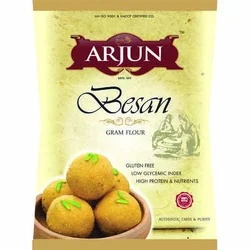
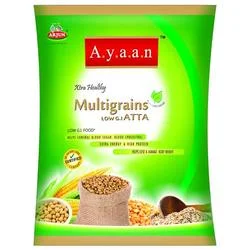
Multi Grain Low GI Atta For Diabetic Friendly Food Production
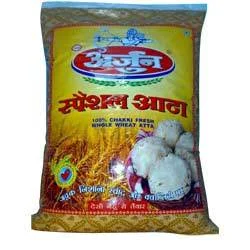
Premium Whole Wheat Flour For Commercial Baking And Food Production
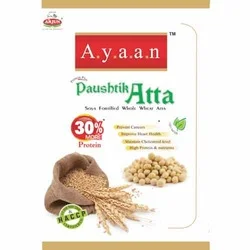
Premium Wheat Atta For Commercial Food Production
Why Businesses Trust Pepagora
Thousands of companies trust Pepagora to source smarter and sell faster
Expand Your Sales Globally
25000+Products listed.Get discovered by global buyers
Tools to boost visibility
Build your own catalog

Source Smarter,Grow Faster
4000+Active RFQs
100+ Countries served
Easy Sourcing Tools
