
 IN
INundefined
Multigrain Bread
0 products available
𝗪𝗵𝗮𝘁 𝗮𝗿𝗲 𝗠𝘂𝗹𝘁𝗶𝗴𝗿𝗮𝗶𝗻 𝗕𝗿𝗲𝗮𝗱?
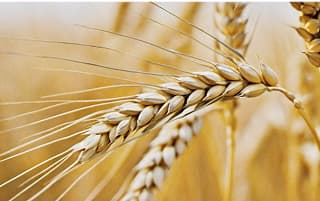
Multigrain bread is a type of bread made from a mixture of different grains, which can include wheat, barley, oats, millet, and others. This variety not only enhances the flavor and texture but also increases the nutritional value of the bread. The grains used in multigrain bread are often whole grains, which retain more nutrients compared to refined grains. This makes multigrain bread a popular choice among health-conscious consumers.
In the B2B sector, multigrain bread is commonly used in restaurants, catering services, and food production companies. It serves as a versatile ingredient in sandwiches, toasts, and various gourmet recipes. The growing trend toward healthier eating habits has increased the demand for multigrain bread, making it a relevant product in the food service industry. As consumers become more aware of the health benefits associated with whole grains, businesses are adapting their menus to include multigrain options.
The market for multigrain bread is expanding, driven by a surge in the popularity of healthy eating and the rise of gluten-free and organic products. This has led to increased competition among suppliers and manufacturers, prompting businesses to innovate and diversify their offerings to meet consumer demand.
𝗞𝗲𝘆 𝗙𝗲𝗮𝘁𝘂𝗿𝗲𝘀 𝗮𝗻𝗱 𝗦𝗽𝗲𝗰𝗶𝗳𝗶𝗰𝗮𝘁𝗶𝗼𝗻𝘀
Multigrain bread offers several key features that appeal to both consumers and businesses. Its rich flavor profile and nutritional benefits make it a preferred choice in various culinary applications. Below are the specifications that define multigrain bread.
Key specifications include:
1. Grain Composition
- Typically includes a blend of whole grains such as wheat, oats, barley, and millet.
- Varieties may vary based on supplier preferences or regional availability.
2. Nutritional Content
- Generally high in fiber, vitamins, and minerals.
- Low in saturated fats, making it heart-healthy.
3. Shelf Life
- Average shelf life ranges from 5 to 7 days when stored properly.
- Freezing can extend shelf life to several months.
4. Texture and Crust
- Usually has a dense texture with a chewy crust.
- The crust may vary from soft to crunchy depending on the baking process.
5. Size and Loaf Shape
- Available in various sizes and shapes, including sandwich loaves and rolls.
- Custom sizes can be produced based on business requirements.
6. Packaging
- Typically packaged in plastic or paper to maintain freshness.
- Custom branding options available for B2B buyers.
7. Allergens
- May contain gluten; allergen information should be clearly labeled.
- Custom formulations can be made for gluten-free options.
8. Compliance Standards
- Meets food safety standards and regulations applicable in the production region.
In summary, multigrain bread is characterized by its diverse grain composition, nutritional benefits, and suitability for various applications in the food industry.
𝗖𝗼𝗺𝗺𝗼𝗻 𝗔𝗽𝗽𝗹𝗶𝗰𝗮𝘁𝗶𝗼𝗻𝘀 𝗮𝗻𝗱 𝗨𝘀𝗲 𝗖𝗮𝘀𝗲𝘀
Multigrain bread serves various industries with its versatile applications and health benefits.
1. Food Service: Restaurants and cafes use multigrain bread for sandwiches, toasts, and as a healthy side option. It appeals to health-conscious diners.
2. Catering: Catering businesses often include multigrain bread in their offerings for events, providing nutritious options for guests.
3. Retail: Grocery stores and health food shops sell multigrain bread to meet consumer demand for healthier bread choices.
4. Food Production: Bakeries and food manufacturers incorporate multigrain bread in their products, such as pre-packaged sandwiches and meal kits.
5. Fitness Industry: Gyms and health clubs offer multigrain bread in their cafes, promoting it as a nutritious snack for fitness enthusiasts.
6. Hospitality: Hotels include multigrain bread in their breakfast offerings, catering to guests looking for healthier meal options.
7. Meal Delivery Services: Companies focusing on health-oriented meal plans utilize multigrain bread to enhance the nutritional value of their meal kits.
𝗣𝗿𝗼𝗱𝘂𝗰𝘁 𝗩𝗮𝗿𝗶𝗮𝗻𝘁𝘀 𝗮𝗻𝗱 𝗦𝘂𝗯𝗰𝗮𝘁𝗲𝗴𝗼𝗿𝗶𝗲𝘀
Multigrain bread is available in several variants, allowing businesses to select options that best suit their needs.
Whole Grain Multigrain Bread: This variant is made entirely from whole grains, providing maximum nutritional benefits. It is ideal for health-focused establishments looking to offer high-fiber options.
Seeded Multigrain Bread: This type includes seeds such as sunflower, flax, or sesame, adding texture and flavor. It appeals to consumers seeking extra nutrients and a satisfying crunch.
Herbed Multigrain Bread: Infused with herbs and spices, this variant offers unique flavors that enhance gourmet dishes. It is perfect for restaurants aiming to provide a distinct culinary experience.
Gluten-Free Multigrain Bread: Made without wheat, this option caters to those with gluten sensitivities. It allows businesses to accommodate a wider range of dietary preferences.
𝗕𝗲𝗻𝗲𝗳𝗶𝘁𝘀 𝗮𝗻𝗱 𝗔𝗱𝘃𝗮𝗻𝘁𝗮𝗴𝗲𝘀
Multigrain bread provides several advantages that make it an appealing choice for businesses and consumers alike.
1. Nutritional Value: Rich in fiber, vitamins, and minerals, multigrain bread supports a healthy diet and contributes to overall wellness.
2. Versatility: Its flavor and texture make it suitable for a wide range of applications, from sandwiches to gourmet dishes.
3. Consumer Appeal: Health-conscious consumers are increasingly opting for multigrain products, making it a smart choice for businesses looking to attract this demographic.
4. Customization Options: Many suppliers offer customizable formulations to meet specific dietary needs or preferences, such as gluten-free options.
5. Competitive Edge: Offering multigrain bread can differentiate a business from competitors, enhancing its market position.
6. Sustainable Sourcing: Many suppliers prioritize sustainable grain sourcing, appealing to environmentally conscious consumers and businesses.
𝗕𝘂𝘆𝗶𝗻𝗴 𝗚𝘂𝗶𝗱𝗲 𝗳𝗼𝗿 𝗕𝟮𝗕 𝗕𝘂𝘆𝗲𝗿𝘀
When sourcing multigrain bread, businesses should consider several factors to ensure they make informed purchasing decisions.
1. Quality Assessment: Buyers should evaluate the quality of the bread, considering factors such as grain composition, freshness, and taste. Requesting samples can be beneficial.
2. Supplier Verification: It is essential to vet suppliers for reliability and consistency. Check for reviews, certifications, and their history in supplying multigrain products.
3. Pricing and MOQ: Understand the pricing structure and minimum order quantities (MOQ) to align with budget constraints and production needs.
4. Delivery and Lead Times: Inquire about logistics, including delivery schedules and lead times, to ensure timely availability of products.
5. Compliance Requirements: Confirm that the bread meets relevant food safety regulations and industry standards to avoid compliance issues.
𝗖𝗼𝗺𝗽𝗹𝗶𝗮𝗻𝗰𝗲 𝗮𝗻𝗱 𝗖𝗲𝗿𝘁𝗶𝗳𝗶𝗰𝗮𝘁𝗶𝗼𝗻𝘀
Multigrain bread must adhere to several compliance and certification standards to ensure quality and safety in production.
Relevant quality standards include ISO 9001, which focuses on quality management systems, and HACCP, which is essential for food safety management. These standards help ensure that the production process is controlled and consistent.
Industry certifications such as UL and CE indicate that the product meets specific safety and regulatory requirements. These certifications can enhance buyer confidence and ensure that the product is safe for consumption.
Safety and testing requirements are critical in the bread production process. Regular testing for contaminants and adherence to safety protocols help ensure the product's integrity.
Regional compliance considerations may vary depending on the market. It is vital for suppliers to stay informed about local regulations to ensure that their products meet all necessary standards.
𝗪𝗵𝘆 𝗦𝗼𝘂𝗿𝗰𝗲 𝗠𝘂𝗹𝘁𝗶𝗴𝗿𝗮𝗶𝗻 𝗕𝗿𝗲𝗮𝗱 𝗳𝗿𝗼𝗺 𝗣𝗲𝗽𝗮𝗴𝗼𝗿𝗮?
Pepagora provides a trusted platform for sourcing multigrain bread, offering several key advantages to businesses.
Verified Supplier Network: Pepagora connects buyers with a network of verified suppliers, ensuring that businesses can source high-quality multigrain bread from reputable manufacturers.
Streamlined RFQ Process: The platform features a streamlined Request for Quotation (RFQ) system that simplifies the procurement process. Buyers can easily request quotes from multiple suppliers, saving time and effort.
Trade Assurance and Support: Pepagora offers trade assurance, providing buyers with protection throughout the purchasing process. This support helps mitigate risks and ensures a satisfactory transaction.
Regional Coverage: With a strong presence in India, the GCC, and Southeast Asia, Pepagora enables businesses to access a broad market for multigrain bread. This geographic reach allows for diverse sourcing options and competitive pricing.
Newly Added
Currently, no products are listed. Explore other categories listed below or post your buying request
Explore Verified Categories
Browse trusted industries powered by verified suppliers.
Recently Added












Why Businesses Trust Pepagora
Thousands of companies trust Pepagora to source smarter and sell faster
Expand Your Sales Globally
25000+Products listed.Get discovered by global buyers
Tools to boost visibility
Build your own catalog

Source Smarter,Grow Faster
4000+Active RFQs
100+ Countries served
Easy Sourcing Tools
