
 IN
INundefined
Multigrain Atta
0 products available
𝗪𝗵𝗮𝘁 𝗮𝗿𝗲 𝗠𝘂𝗹𝘁𝗶𝗴𝗿𝗮𝗶𝗻 𝗔𝘁𝘁𝗮?
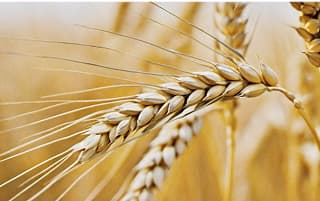
Multigrain Atta is a flour made from a blend of various grains, including wheat, barley, oats, and millet. This combination of grains provides a richer nutritional profile compared to regular wheat flour, offering more vitamins, minerals, and dietary fiber. Multigrain Atta is ground from both whole grains and refined grains, depending on the specific formulation, which enhances its versatility for various culinary applications.
The primary uses of Multigrain Atta include making traditional Indian breads such as chapatis, parathas, and puris. It is also used in various baked goods and health-oriented recipes. In the B2B sector, Multigrain Atta finds applications in restaurants, food processing units, and health food manufacturers. The growing demand for healthy and wholesome food products makes this ingredient increasingly relevant in today's market, as consumers are more conscious of their dietary choices.
𝗞𝗲𝘆 𝗙𝗲𝗮𝘁𝘂𝗿𝗲𝘀 𝗮𝗻𝗱 𝗦𝗽𝗲𝗰𝗶𝗳𝗶𝗰𝗮𝘁𝗶𝗼𝗻𝘀
Multigrain Atta is characterized by its unique combination of grains, which provides various health benefits. It is a versatile ingredient suitable for multiple culinary applications.
Key specifications include:
1. Grain Composition
- Typically contains a mix of wheat, barley, oats, and millet.
- The exact composition can vary based on supplier formulations.
2. Nutritional Value
- Rich in dietary fiber, vitamins, and minerals.
- Provides a balanced source of carbohydrates and proteins.
3. Texture
- Fine to medium grind depending on the milling process.
- Offers a slightly coarse texture compared to regular wheat flour.
4. Shelf Life
- Generally ranges from 6 to 12 months when stored properly.
- Requires cool, dry storage conditions to maintain freshness.
5. Moisture Content
- Standard moisture content is typically around 12-14%.
- Should be monitored to avoid spoilage.
6. Packaging
- Available in various packaging sizes, typically ranging from 1 kg to bulk quantities.
- Packaging must be moisture-proof to preserve quality.
7. Color
- Typically light beige to brownish, depending on the grain mix.
- Color can indicate the presence of whole grains.
8. Compliance
- Must meet food safety and quality standards, including any local regulations.
In summary, Multigrain Atta offers a healthy, versatile option for food manufacturers and restaurants looking to enhance their menu offerings while catering to health-conscious consumers.
𝗖𝗼𝗺𝗺𝗼𝗻 𝗔𝗽𝗽𝗹𝗶𝗰𝗮𝘁𝗶𝗼𝗻𝘀 𝗮𝗻𝗱 𝗨𝘀𝗲 𝗖𝗮𝘀𝗲𝘀
Multigrain Atta is widely utilized across various industries due to its nutritional benefits and versatility.
1. Food Service: Restaurants and cafes use Multigrain Atta to create healthier versions of traditional breads and snacks, appealing to health-conscious diners.
2. Bakery: Bakers incorporate Multigrain Atta into their products, such as bread and pastries, to cater to customers looking for nutritious options.
3. Health Food Products: Manufacturers of health foods use Multigrain Atta in energy bars, snacks, and meal replacements, capitalizing on its fiber content.
4. Flour Mills: Flour mills produce and package Multigrain Atta for distribution to retailers and food service providers.
5. Catering Services: Catering companies utilize Multigrain Atta to prepare wholesome meals for events, emphasizing nutrition in their offerings.
6. Export Markets: Multigrain Atta is increasingly popular in international markets, especially among consumers looking for authentic Indian cuisine.
7. Home Cooking: Consumers purchase Multigrain Atta for use in home kitchens, aiming to enhance the nutritional value of their meals.
𝗣𝗿𝗼𝗱𝘂𝗰𝘁 𝗩𝗮𝗿𝗶𝗮𝗻𝘁𝘀 𝗮𝗻𝗱 𝗦𝘂𝗯𝗰𝗮𝘁𝗲𝗴𝗼𝗿𝗶𝗲𝘀
Multigrain Atta comes in various formulations to meet diverse consumer needs.
Whole Grain Multigrain Atta: This variant is made from 100% whole grains, providing maximum nutritional benefits. It is ideal for consumers seeking high fiber content and a more robust flavor.
Gluten-Free Multigrain Atta: Tailored for those with gluten sensitivities, this variant includes grains like rice, sorghum, and millet. It allows for versatility in baking without gluten.
Organic Multigrain Atta: Sourced from organically grown grains, this variant appeals to health-conscious consumers looking for chemical-free options.
Fortified Multigrain Atta: This variant is enriched with additional vitamins and minerals, catering to consumers seeking enhanced nutritional profiles in their diets.
𝗕𝗲𝗻𝗲𝗳𝗶𝘁𝘀 𝗮𝗻𝗱 𝗔𝗱𝘃𝗮𝗻𝘁𝗮𝗴𝗲𝘀
Choosing Multigrain Atta offers numerous benefits for businesses and consumers alike.
1. Nutritional Value: Multigrain Atta provides essential vitamins, minerals, and dietary fiber, promoting overall health.
2. Versatility: It can be used in various dishes, from traditional breads to innovative snacks, appealing to a wide range of culinary applications.
3. Customer Appeal: Health-conscious consumers are increasingly seeking nutritious options, making Multigrain Atta an attractive ingredient for businesses.
4. Improved Flavor: The blend of grains adds a unique taste and texture to foods, enhancing the overall eating experience.
5. Cost-Effectiveness: Using Multigrain Atta allows businesses to create value-added products that can command higher prices.
6. Support for Local Agriculture: Sourcing Multigrain Atta can promote local grain production, benefiting regional farmers and economies.
𝗕𝘂𝘆𝗶𝗻𝗴 𝗚𝘂𝗶𝗱𝗲 𝗳𝗼𝗿 𝗕𝟮𝗕 𝗕𝘂𝘆𝗲𝗿𝘀
When sourcing Multigrain Atta, several factors should be considered to ensure quality and reliability.
1. Quality Assessment: Evaluate the nutritional content and grain composition. Request samples for testing to ensure they meet your specifications.
2. Supplier Verification: Research potential suppliers to confirm their reputation and reliability. Look for certifications that indicate adherence to quality standards.
3. Pricing and MOQ: Understand the pricing structure and minimum order quantities to determine if they align with your budget and inventory needs.
4. Delivery and Lead Times: Discuss delivery schedules and lead times with suppliers. Ensure they can meet your production timelines consistently.
5. Compliance Requirements: Verify that the supplier complies with relevant food safety regulations and quality standards to avoid legal issues.
𝗖𝗼𝗺𝗽𝗹𝗶𝗮𝗻𝗰𝗲 𝗮𝗻𝗱 𝗖𝗲𝗿𝘁𝗶𝗳𝗶𝗰𝗮𝘁𝗶𝗼𝗻𝘀
Multigrain Atta must meet various compliance and certification standards to ensure quality and safety in the market.
Relevant quality standards include ISO 9001, which focuses on maintaining quality management systems, and HACCP, a systematic approach to food safety. These certifications ensure that the product meets international safety and quality benchmarks.
Industry certifications such as CE and UL may also apply, depending on the region and specific product attributes. These certifications indicate that the product meets specific regulatory requirements.
Safety and testing requirements are crucial as well. Regular testing for contaminants and quality assurance helps maintain product integrity.
Regional compliance considerations may vary, so it is essential to stay informed about local regulations and standards that govern food products.
𝗪𝗵𝘆 𝗦𝗼𝘂𝗿𝗰𝗲 𝗠𝘂𝗹𝘁𝗶𝗴𝗿𝗮𝗶𝗻 𝗔𝘁𝘁𝗮 𝗳𝗿𝗼𝗺 𝗣𝗲𝗽𝗮𝗴𝗼𝗿𝗮?
Pepagora offers a reliable platform for sourcing Multigrain Atta with several advantages for B2B buyers.
Verified Supplier Network: Pepagora connects buyers with a network of verified suppliers, ensuring that you have access to high-quality Multigrain Atta from reputable sources.
Streamlined RFQ Process: The platform simplifies the request for quotation process, allowing buyers to easily compare offers from multiple suppliers. This efficiency saves time and enhances decision-making.
Trade Assurance and Support: Pepagora provides trade assurance, protecting buyers’ investments. The support team is available to assist with any queries or concerns during the sourcing process.
Regional Coverage: With a strong presence in India, GCC, and Southeast Asia, Pepagora offers extensive geographic reach, making it easier for buyers to find suppliers that meet their needs within their specific regions.
Newly Added
Currently, no products are listed. Explore other categories listed below or post your buying request
Explore Verified Categories
Browse trusted industries powered by verified suppliers.
Recently Added













Why Businesses Trust Pepagora
Thousands of companies trust Pepagora to source smarter and sell faster
Expand Your Sales Globally
25000+Products listed.Get discovered by global buyers
Tools to boost visibility
Build your own catalog

Source Smarter,Grow Faster
4000+Active RFQs
100+ Countries served
Easy Sourcing Tools
