
 IN
INundefined
Moulding Machines
19 products available
𝗪𝗵𝗮𝘁 𝗮𝗿𝗲 𝗠𝗼𝘂𝗹𝗱𝗶𝗻𝗴 𝗠𝗮𝗰𝗵𝗶𝗻𝗲𝘀?
Moulding machines are specialized equipment designed for shaping materials into specified forms or profiles. They operate by applying pressure to a material, such as plastic, metal, or clay, to create various products. These machines can utilize different moulding techniques, including injection moulding, blow moulding, and compression moulding, depending on the material and desired end product.
The primary uses of moulding machines are found in industries that require high-volume production of parts and components. Common applications include automotive manufacturing, consumer goods production, and construction materials. Moulding machines help businesses increase efficiency, reduce waste, and maintain consistent quality in their manufacturing processes. As industries evolve towards automation, the relevance of these machines continues to grow, solidifying their importance in the manufacturing landscape.
𝗞𝗲𝘆 𝗙𝗲𝗮𝘁𝘂𝗿𝗲𝘀 𝗮𝗻𝗱 𝗦𝗽𝗲𝗰𝗶𝗳𝗶𝗰𝗮𝘁𝗶𝗼𝗻𝘀
Moulding machines come with various features that enhance their performance and adaptability to different manufacturing requirements. Understanding these specifications is crucial for businesses looking to invest in this equipment.
Key specifications include:
1. Moulding Process Type
- Options include injection, blow, and compression moulding.
- Each type serves different material and product needs.
2. Production Capacity
- Capacity can vary significantly from small-scale to high-volume production.
- Typical ranges are from 100 to several thousand units per hour.
3. Material Compatibility
- Machines can handle a variety of materials including plastics, metals, and ceramics.
- Specific models may be optimized for certain materials.
4. Energy Efficiency
- Many modern machines are designed to reduce energy consumption.
- Efficiency ratings can help assess overall operational costs.
5. Automation Features
- Integration with robotics and smart technology for enhanced productivity.
- Features may include automated feeding, cooling, and unloading systems.
6. Control Systems
- Advanced control interfaces for monitoring and adjusting parameters.
- Options for programmable logic controllers (PLC) and touchscreen interfaces.
7. Maintenance Needs
- Machines designed for easy access to components for routine maintenance.
- Predictive maintenance capabilities can minimize downtime.
8. Safety Features
- Compliance with safety standards to protect operators.
- Features may include emergency stop buttons and safety guards.
In summary, evaluating these features and specifications is essential for choosing the right moulding machine for your business needs.
𝗖𝗼𝗺𝗺𝗼𝗻 𝗔𝗽𝗽𝗹𝗶𝗰𝗮𝘁𝗶𝗼𝗻𝘀 𝗮𝗻𝗱 𝗨𝘀𝗲 𝗖𝗮𝘀𝗲𝘀
Moulding machines are utilized across various industries, showcasing their versatility in manufacturing.
1. Automotive: Moulding machines create essential components such as dashboards, panels, and interior fittings. They ensure precise dimensions and high-quality finishes.
2. Consumer Goods: These machines produce everyday items like containers, toys, and household appliances. Their ability to work with multiple materials enhances product variety.
3. Construction: In construction, moulding machines are used to manufacture items like bricks, tiles, and panels. They facilitate large-scale production while maintaining durability and consistency.
4. Electronics: Moulding machines are integral to producing enclosures and parts for electronic devices. They allow for intricate designs and reliable performance.
5. Medical: In the medical sector, these machines produce components for devices such as syringes and surgical tools. Precision and safety are paramount in this application.
6. Packaging: Moulding machines create packaging solutions for food and consumer products. They contribute to sustainable practices by enabling the use of recyclable materials.
7. Aerospace: Moulding machines are used to manufacture lightweight components that meet strict safety standards while providing superior performance.
𝗣𝗿𝗼𝗱𝘂𝗰𝘁 𝗩𝗮𝗿𝗶𝗮𝗻𝘁𝘀 𝗮𝗻𝗱 𝗦𝘂𝗯𝗰𝗮𝘁𝗲𝗴𝗼𝗿𝗶𝗲𝘀
Moulding machines come in various types, each designed for specific applications and materials. This diversity allows businesses to select machines that best suit their production requirements.
Injection Moulding Machines: These machines are ideal for producing complex shapes and high-precision parts. They are widely used in manufacturing plastic components for various industries.
Blow Moulding Machines: Specifically designed for creating hollow objects, such as bottles and tanks, blow moulding machines utilize air pressure to form materials into desired shapes.
Compression Moulding Machines: These machines are suitable for materials that require heat and pressure to shape. They are commonly used in the automotive and aerospace industries.
Rotational Moulding Machines: Utilizing a different technique, these machines create large hollow products by rotating a mould. They are often used for manufacturing tanks and playground equipment.
𝗕𝗲𝗻𝗲𝗳𝗶𝘁𝘀 𝗮𝗻𝗱 𝗔𝗱𝘃𝗮𝗻𝘁𝗮𝗴𝗲𝘀
Investing in moulding machines offers several advantages that can significantly impact production efficiency and product quality.
1. Increased Production Efficiency: Moulding machines enable high-volume production, reducing the time needed for manufacturing.
2. Cost-Effectiveness: By minimizing waste and optimizing material usage, these machines can lower production costs.
3. Consistent Quality: Moulding machines provide uniformity in products, ensuring that each item meets quality standards.
4. Flexibility in Design: Various moulding techniques allow for a wide range of product designs and customization options.
5. Reduced Labor Costs: Automation features in modern moulding machines decrease the need for manual labor, leading to cost savings.
6. Enhanced Safety: Many machines come equipped with safety features that protect operators and reduce the risk of accidents.
𝗕𝘂𝘆𝗶𝗻𝗴 𝗚𝘂𝗶𝗱𝗲 𝗳𝗼𝗿 𝗕𝟮𝗕 𝗕𝘂𝘆𝗲𝗿𝘀
When looking to purchase moulding machines, it is important to consider several factors that can influence your decision.
1. Quality Assessment: Evaluate the machine's build quality and performance history. Look for reviews and case studies that demonstrate reliability and efficiency.
2. Supplier Verification: Vet potential suppliers to ensure they have a solid reputation and provide quality products. Check for certifications and customer testimonials.
3. Pricing and MOQ: Understand the pricing structure and minimum order quantities. This will help in budgeting and assessing the overall value of the investment.
4. Delivery and Lead Times: Confirm delivery schedules and lead times to ensure that the machinery can be integrated into your production timeline without delays.
5. Compliance Requirements: Ensure that the machines meet relevant industry standards and regulations. This is critical for maintaining operational compliance and safety.
𝗖𝗼𝗺𝗽𝗹𝗶𝗮𝗻𝗰𝗲 𝗮𝗻𝗱 𝗖𝗲𝗿𝘁𝗶𝗳𝗶𝗰𝗮𝘁𝗶𝗼𝗻𝘀
Moulding machines must adhere to various quality standards and certifications to ensure safety and reliability. Key standards include ISO 9001, which focuses on quality management systems, ensuring consistent quality in manufacturing processes.
Additionally, industry certifications such as UL and CE indicate that moulding machines meet safety and performance standards required in many regions. Compliance with these certifications is essential for businesses looking to operate within regulated markets.
Safety and testing requirements are also crucial, with many machines undergoing rigorous testing to ensure they can safely operate under specified conditions. Companies should also consider regional compliance, as different countries may have specific regulations that affect machine operation and safety.
𝗪𝗵𝘆 𝗦𝗼𝘂𝗿𝗰𝗲 𝗠𝗼𝘂𝗹𝗱𝗶𝗻𝗴 𝗠𝗮𝗰𝗵𝗶𝗻𝗲𝘀 𝗳𝗿𝗼𝗺 𝗣𝗲𝗽𝗮𝗴𝗼𝗿𝗮?
Pepagora provides a trusted platform for sourcing moulding machines, offering several key advantages for B2B buyers.
Verified Supplier Network: Pepagora connects buyers with a network of verified suppliers. This ensures that businesses have access to high-quality machines from reputable manufacturers.
Streamlined RFQ Process: The platform simplifies the request for quotation process, allowing buyers to easily compare offers and select the best option for their needs.
Trade Assurance and Support: Buyers benefit from trade assurance that provides protection throughout the purchasing process. This helps secure investments and fosters confidence in transactions.
Regional Coverage: Pepagora boasts a broad geographic reach, covering markets in India, the GCC, and Southeast Asia. This extensive network facilitates access to machines suitable for diverse manufacturing environments.
Newly Added



Recently Added
N. M. Engineering Industry
Industrial Three Phase Motor 0.18KW To 15KW Frame 63 160M
Industrial Electric Pulverizer Machine For Grinding And Powder Processing
Industrial Electric Extruders For LLDPE HDPE PVC Processing 380V
Accurates India
Industrial Machinery Cone Point And Bushes For Precision Alignment And Secure Fastening
Industrial Double Helical Gears For High Load Power Transmission
Industrial Helical Gears High Load Capacity Smooth Quiet Operation
Lakshmi & Co
Industrial Pan Mixer 75kg Batch Capacity 900mm Pan 3HP Motor
Professional Wall Groove Cutting Machine 32mm Brick Electrical Plumbing
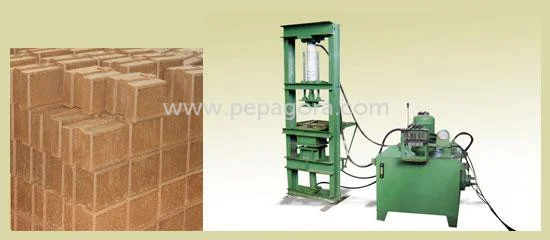
Automatic Mechanical Brick Press Machine 10 HP 1000 2000 Bricks/Hour
No.1 Hydraulics
Textile Industry Hydraulic Cotton Baling Press Machine With Direction Control Valves
Coir Processing Heavy Duty Baling Press Machine High Density Energy Efficient
Recycling Scrap Baling Press Machine For Metal Plastic Paper Waste
Adam Engineers
Hydraulic Cotton Baling Press Semi Automatic 7.5 HP 150kg Bale
Automatic Cotton Baling Press 25 HP Motor 300 Kg Bale Capacity
Hydraulic H Type Baling Press 0 820mm 220 480V For Industrial Use
Vidhi Engineering Product
Industrial Coupling Rubber Premium Cushioning Grip Vibration Dampening
Industrial C.I. Motor Rails For Precise Shaft Alignment And Durability
Industrial Power Transmission RRL Couplings Durable Cast Iron Steel
Istco Engineering Works
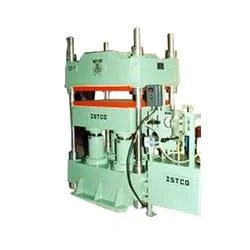
Hydraulic Molding Press For Cork Rubber Composite Materials
Industrial Hydraulic Rubber Molding Machines For Precision Components
Industrial Single Daylight Molding Press 600 Ton Hydraulic Rubber
Lakshmi And Co Group Of Companies
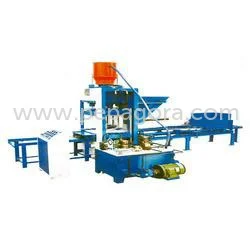
Automatic Stabilised Soil Block Making Machine For Eco Friendly Construction
Automated Brick Making Machine With Free Will System For Construction
Automatic Flyash Brick Machine For High Volume Production
Prem Machine Tools (India)
Premium Thermocol Bubble Packing Sheets for Fragile Electronics Protection
Bulk EPS Plates For Protective Packaging And Insulation
Industrial EPS Glasses For Superior Thermal Insulation And Durability
Sree Engineering Equipments
Industrial Hydraulic Press Machine For Metalworking And Automotive
Industrial Hydraulic Power Press Machine For Metal Forming And Bending
Industrial Electric Hydraulic Power Pack Cylinders Durable Reliable OEM
Why Businesses Trust Pepagora
Thousands of companies trust Pepagora to source smarter and sell faster
Expand Your Sales Globally
25000+Products listed.Get discovered by global buyers
Tools to boost visibility
Build your own catalog

Source Smarter,Grow Faster
4000+Active RFQs
100+ Countries served
Easy Sourcing Tools
