
 IN
INundefined
Motor Control Centers (MCC)
16 products available
What are Motor Control Centers (MCC)?
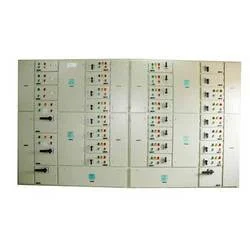
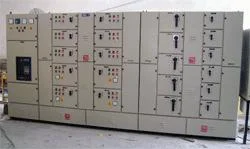
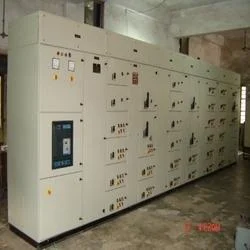
Motor Control Centers (MCC) are centralized systems that control and manage electric motors in industrial and commercial applications. They contain various components designed to provide control, protection, and monitoring of motor-operated equipment. MCCs typically house motor starters, overload relays, circuit breakers, and control logic, all assembled into a single panel or enclosure. This configuration allows for efficient operation, simplified maintenance, and enhanced safety.
MCCs are primarily used in industries such as manufacturing, water treatment, and oil and gas to manage motors that drive pumps, conveyors, fans, and other machinery. By consolidating multiple motor controls into one unit, businesses can streamline their operations and improve reliability. The relevance of MCCs in today’s market is underscored by the increasing demand for automation and efficient energy management, making them vital components in modern industrial setups.
𝗞𝗲𝘆 𝗙𝗲𝗮𝘁𝘂𝗿𝗲𝘀 𝗮𝗻𝗱 𝗦𝗽𝗲𝗰𝗶𝗳𝗶𝗰𝗮𝘁𝗶𝗼𝗻𝘀
Motor Control Centers are designed with several essential features that enhance their functionality and reliability. The specifications vary based on the application and industry requirements, ensuring that businesses can select the right MCC for their needs.
Key specifications include:
1. Motor Starter Types
- MCCs can include various motor starter types such as direct-on-line (DOL), star-delta, and variable frequency drives (VFD).
- These options allow for flexibility in motor control and efficiency in energy consumption.
2. Enclosure Ratings
- Enclosures are designed to meet specific environmental conditions, often rated IP54 or IP65.
- These ratings ensure protection against dust and water ingress.
3. Bus Bar Ratings
- Bus bars within MCCs are rated for current capacities, often ranging from 600A to 4000A.
- Adequate bus bar sizing is crucial for preventing overheating and ensuring safe operation.
4. Control Voltage
- Control circuits typically operate at low voltage, commonly 24V or 120V.
- This specification enhances safety and reduces shock hazards.
5. Communication Protocols
- Many MCCs now support various communication protocols such as Modbus, Profibus, and Ethernet/IP.
- This feature allows for integration with building management systems and remote monitoring.
6. Thermal Management
- MCCs may include features for thermal management, such as ventilation systems or cooling fans.
- Effective thermal control is essential for maintaining component life and reliability.
7. Safety Features
- Integrated circuit breakers and overload protection ensure the safety of both personnel and equipment.
- These features help to minimize the risk of electrical faults.
8. Modular Design
- Many MCCs are designed with modular components, allowing for easy upgrades and maintenance.
- This design approach facilitates customization and scalability.
In summary, selecting an MCC involves understanding these key features and specifications to ensure optimal performance in specific applications.
𝗖𝗼𝗺𝗺𝗼𝗻 𝗔𝗽𝗽𝗹𝗶𝗰𝗮𝘁𝗶𝗼𝗻𝘀 𝗮𝗻𝗱 𝗨𝘀𝗲 𝗖𝗮𝘀𝗲𝘀
Motor Control Centers find extensive use across multiple industries, each with its unique applications.
1. Manufacturing: In manufacturing facilities, MCCs manage motors for conveyors, assembly lines, and robotic arms, ensuring seamless operations and production efficiency.
2. Water Treatment: In water treatment plants, MCCs control pumps and blowers, optimizing the processes of water purification and distribution.
3. Oil and Gas: In the oil and gas sector, MCCs are used to manage motors for drilling equipment, pipelines, and refining processes, enhancing operational safety and reliability.
4. Mining: In mining operations, MCCs control equipment such as crushers and conveyors, contributing to effective resource extraction and processing.
5. HVAC: In heating, ventilation, and air conditioning (HVAC) systems, MCCs manage motors that regulate airflow and temperature, improving building comfort and energy efficiency.
6. Food Processing: In food and beverage industries, MCCs control various motors for mixing, packing, and conveyor systems, ensuring compliance with safety and hygiene standards.
7. Renewable Energy: In renewable energy applications, such as wind and solar, MCCs manage motor functions in generators and tracking systems, supporting sustainable energy production.
𝗣𝗿𝗼𝗱𝘂𝗰𝘁 𝗩𝗮𝗿𝗶𝗮𝗻𝘁𝘀 𝗮𝗻𝗱 𝗦𝘂𝗯𝗰𝗮𝘁𝗲𝗴𝗼𝗿𝗶𝗲𝘀
Motor Control Centers come in various configurations to meet diverse industrial needs.
Standard MCC
This variant is designed for general applications, incorporating essential control and protection features. It is suitable for use in manufacturing and processing environments.
Intelligent MCC
Intelligent MCCs incorporate advanced monitoring and control systems, allowing for real-time data analysis and remote management. This variant is ideal for applications where efficiency and predictive maintenance are critical.
Containerized MCC
Containerized MCCs provide a mobile solution that can be deployed quickly on job sites. They offer flexibility and ease of transport, making them suitable for temporary installations or remote locations.
𝗕𝗲𝗻𝗲𝗳𝗶𝘁𝘀 𝗮𝗻𝗱 𝗔𝗱𝘃𝗮𝗻𝘁𝗮𝗴𝗲𝘀
Investing in Motor Control Centers provides numerous advantages for businesses looking to enhance their operations.
Key benefits include:
1. Improved Efficiency: MCCs streamline motor control processes, leading to reduced energy consumption and operational costs.
2. Enhanced Safety: The integrated safety features in MCCs minimize risks associated with electrical faults, protecting both personnel and equipment.
3. Simplified Maintenance: Modular designs and centralized control facilitate easier access for maintenance, reducing downtime.
4. Customization: MCCs can be tailored to specific requirements, allowing businesses to optimize their performance.
5. Scalability: As operations grow, MCCs can be expanded or upgraded to accommodate new equipment and technologies.
6. Data Monitoring: Advanced MCCs provide real-time data, enabling better decision-making and improved operational insights.
𝗕𝘂𝘆𝗶𝗻𝗴 𝗚𝘂𝗶𝗱𝗲 𝗳𝗼𝗿 𝗕𝟮𝗕 𝗕𝘂𝘆𝗲𝗿𝘀
When sourcing Motor Control Centers, it is essential for businesses to consider several critical factors.
1. Quality Assessment: Evaluate the quality of MCCs based on industry standards and certifications. Look for products that meet ISO 9001 or similar quality benchmarks to ensure reliability.
2. Supplier Verification: Vet potential suppliers thoroughly by checking their reputation, experience, and customer reviews. A trusted supplier will provide assurance of product quality and support.
3. Pricing and MOQ: Understand the pricing structure and minimum order quantities (MOQ) to ensure that the costs align with the budget while meeting operational needs.
4. Delivery and Lead Times: Discuss logistics to ascertain delivery schedules and lead times, which are crucial for project planning and execution.
5. Compliance Requirements: Ensure that the MCCs meet all relevant regulatory and safety compliance standards specific to the industry and region of operation.
𝗖𝗼𝗺𝗽𝗹𝗶𝗮𝗻𝗰𝗲 𝗮𝗻𝗱 𝗖𝗲𝗿𝘁𝗶𝗳𝗶𝗰𝗮𝘁𝗶𝗼𝗻𝘀
Motor Control Centers must adhere to various quality standards and certifications to ensure safety and reliability.
ISO 9001 is a widely recognized quality management standard that ensures consistent product quality and operational efficiency. Compliance with this standard indicates that a manufacturer follows best practices in quality management.
CE certification is essential for products sold in the European Economic Area, ensuring that they meet safety, health, and environmental protection requirements. This certification is particularly important in industries where safety standards are critical.
Safety and testing requirements for MCCs often include rigorous assessments to ensure they can withstand environmental conditions and operate safely under load. Manufacturers must conduct thorough testing and provide documentation to support compliance.
Regional compliance considerations vary based on local regulations and standards. It is crucial for buyers to be aware of these requirements to ensure that their MCCs are compliant with regional laws.
Why Source Motor Control Centers (MCC) from Pepagora?
Pepagora offers a reliable platform for sourcing Motor Control Centers, providing numerous advantages to buyers in the B2B space.
Verified Supplier Network: Pepagora connects businesses with a network of verified suppliers, ensuring that buyers can trust the quality and reliability of the products they purchase.
Streamlined RFQ Process: The request for quotation (RFQ) system on Pepagora simplifies the procurement process, allowing buyers to efficiently gather quotes and compare options from multiple suppliers.
Trade Assurance and Support: Pepagora offers buyer protection through trade assurance, providing peace of mind when making purchases. This support extends to after-sales services and dispute resolution.
Regional Coverage: With a strong presence in India, the GCC, and Southeast Asia, Pepagora provides extensive regional coverage, making it easier for businesses to find local suppliers and meet their specific needs.
Newly Added




Recently Added
H.B Power Controls
Industrial Power Panel Board For Electrical Distribution And Control
Industrial Power Distribution Panel Reliable Multi Circuit Load Management
Professional Electrical Energy Meter Panel Boards For Monitoring And Control
Control Engineering
Industrial Commercial AMF Power Panel Automatic Generator Transfer Switch
Industrial APFC Panel For Energy Efficiency & Cost Reduction
Automatic Generator Changeover Panel For Critical Power Backup
Acme Controls
Industrial Automation 15A Basic Switches High Repeat Accuracy
Industrial Automation Limit Switches Compact Vertical Horizontal Models
Industrial Automation Compact Vertical Limit Switch Asian Standard
Dhillon Fabricators & Engineers
Industrial Automation Premium Motor Control Centers Drawout Semi Drawout Non Drawout
Industrial Automation PLC Systems For Oil Pump Testing
Industrial Power Control Centers For Reliable Performance
Ashwini Enterprises & New Karnataka Electricals
Industrial And Domestic Main Power Supply Distribution Boards
Industrial Commercial L.T. Distribution Boards With Overcurrent Protection
Industrial Power Distribution Boards For Safe Circuit Protection
Eastern Electric Corporation
Industrial Automation Master Controllers For Reliable Performance
Industrial Rotary Switches For Electrical Control In Demanding Environments
Industrial Automation Limit Switches for Precise Motion Control
Vinayak Corporation
Industrial LT Panels Enclosures Durable Heat Resistant Electrical
Industrial ACB Panel Enclosures For Power Distribution Systems
Industrial Double Front Drawout Panel Enclosures For Electrical Systems
Vinayak Corporation
Industrial LT Panel Enclosures With Heat Resistant Finish
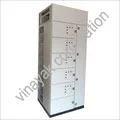
Industrial Motor Control Drawout MCC Enclosures For Reliable Power Distribution
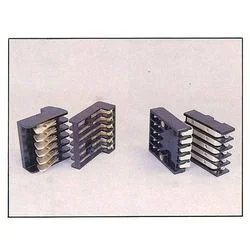
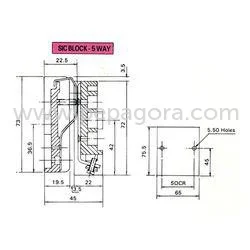
Industrial MCC PCC 20 Amp 5 Way Secondary Isolating Contact Block
Balaji Power
Industrial Energy Efficiency Automatic Power Factor Control Panel
Industrial AMF Panels Automatic Mains Failure Power Systems
Industrial Commercial Electrical Meter Panel Boards For Power Management
Deswal Electric Works
Industrial Three Phase Induction Motors High Efficiency Robust Construction
Industrial Ball Bearings For Automotive And Manufacturing Machinery
Industrial Electric Generators For Reliable Power Backup And Efficiency
Why Businesses Trust Pepagora
Thousands of companies trust Pepagora to source smarter and sell faster
Expand Your Sales Globally
25000+Products listed.Get discovered by global buyers
Tools to boost visibility
Build your own catalog

Source Smarter,Grow Faster
4000+Active RFQs
100+ Countries served
Easy Sourcing Tools
