
 IN
INundefined
Monoblock Pumps
99 products available
𝗪𝗵𝗮𝘁 𝗮𝗿𝗲 𝗠𝗼𝗻𝗼𝗯𝗹𝗼𝗰𝗸 𝗣𝘂𝗺𝗽𝘀?
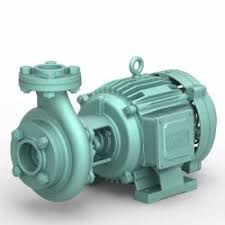
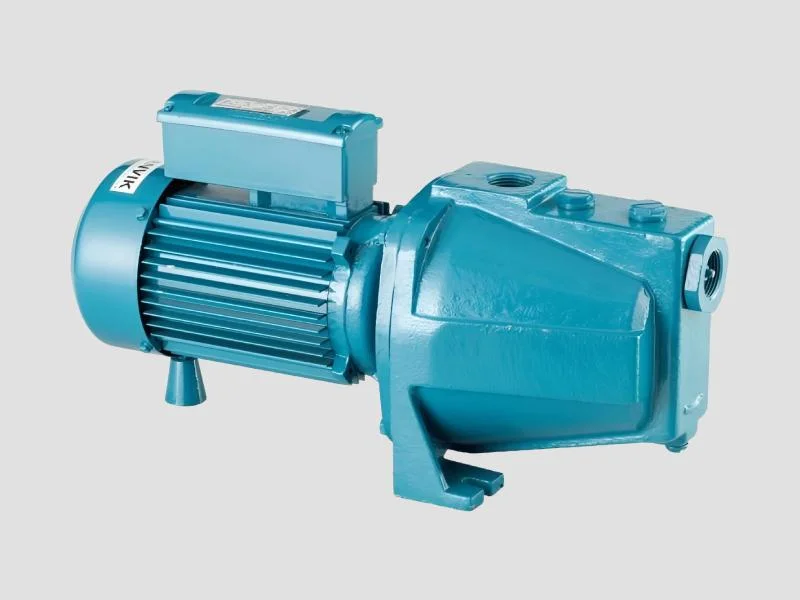
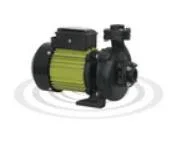
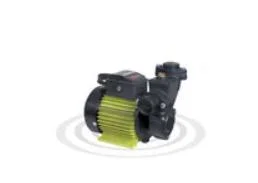
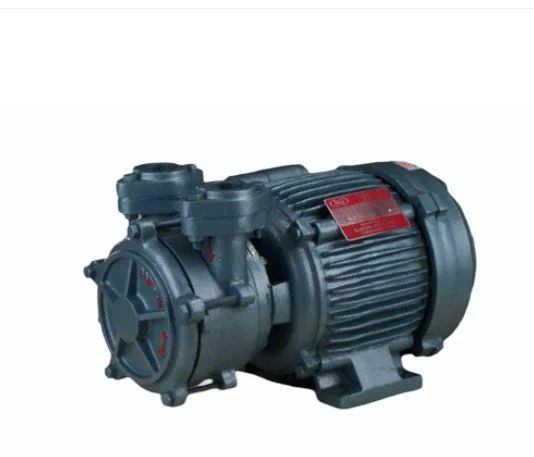
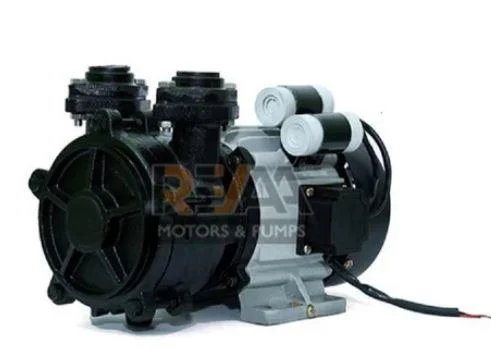
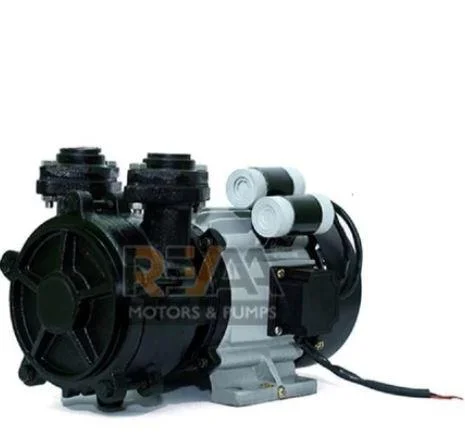
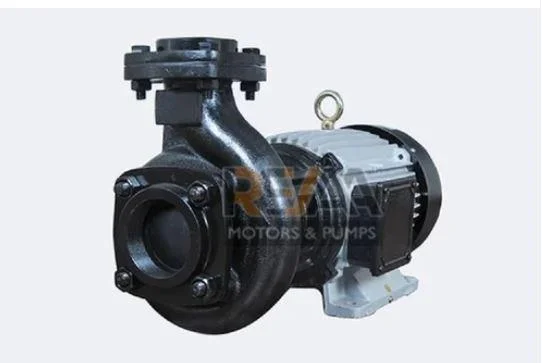
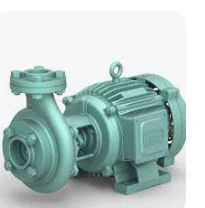
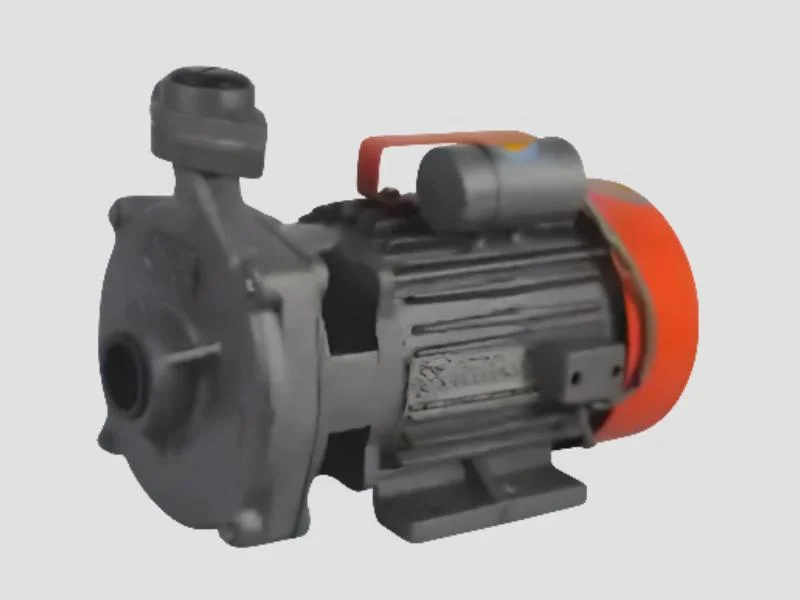
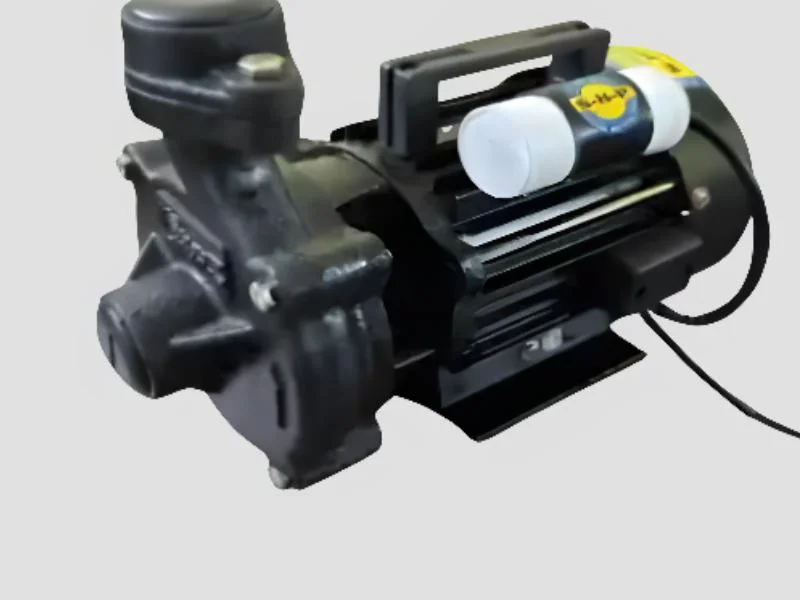
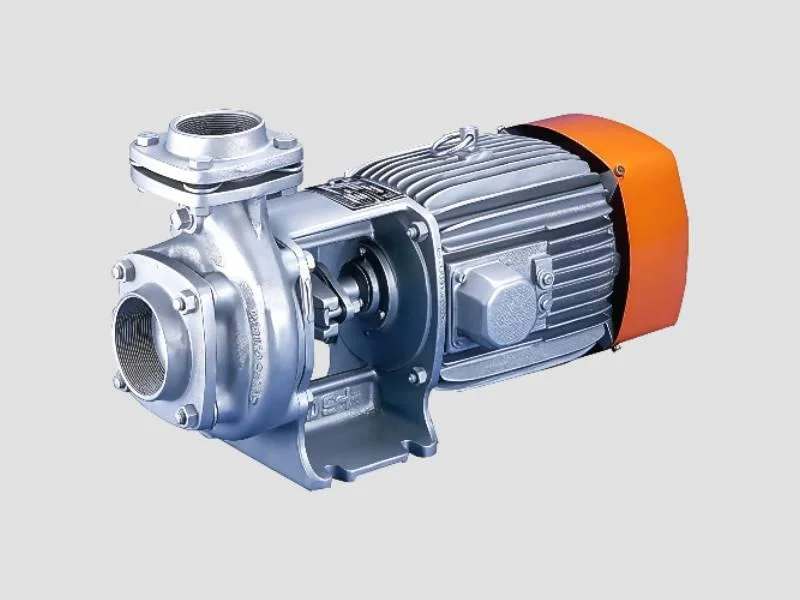
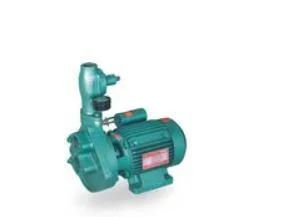
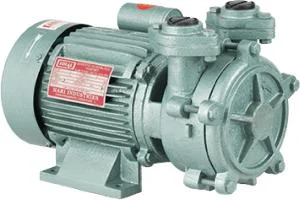
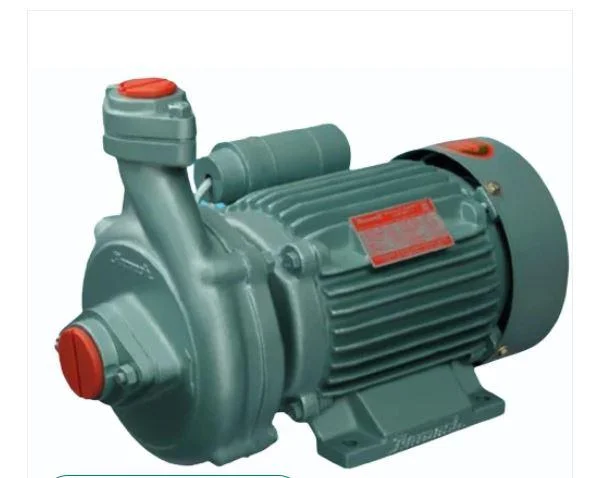
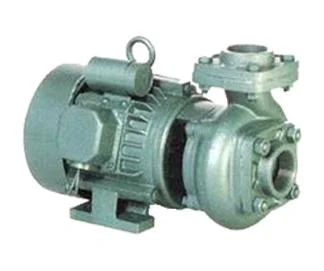
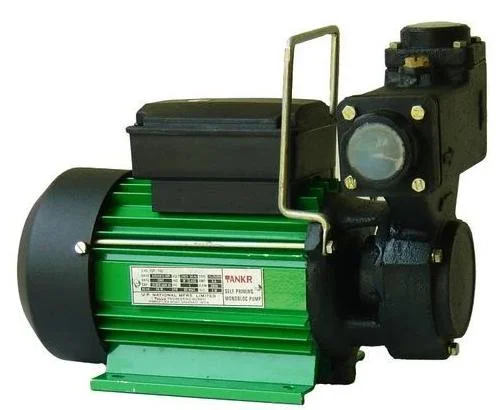
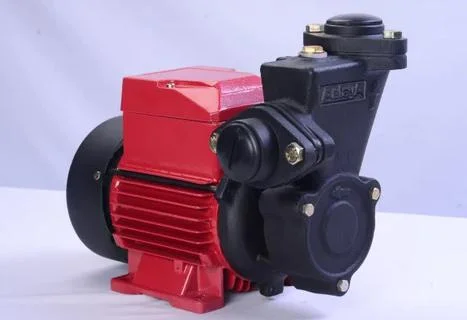
Monoblock pumps are a type of centrifugal pump characterized by their compact design. They consist of a single unit that combines both the motor and the pump into one assembly. This integration allows for efficient operation and reduced installation space, making them ideal for various applications in different industries. The simplicity of their construction also leads to easier maintenance and lower operational costs.
These pumps are primarily used in applications requiring the transfer of liquids, such as water, chemicals, and other fluids. They are widely utilized in sectors such as agriculture, manufacturing, construction, and municipal water systems. Monoblock pumps are particularly valued for their reliability and performance in situations where consistent flow rates are essential. As industries seek efficient and effective pumping solutions, the demand for monoblock pumps continues to grow.
𝗞𝗲𝘆 𝗙𝗲𝗮𝘁𝘂𝗿𝗲𝘀 𝗮𝗻𝗱 𝗦𝗽𝗲𝗰𝗶𝗳𝗶𝗰𝗮𝘁𝗶𝗼𝗻𝘀
Monoblock pumps offer a range of features that enhance their performance and adaptability to various applications. They are designed to provide high efficiency and reliability, making them suitable for continuous operation. Understanding their key specifications can help businesses select the right pump for their needs.
Key specifications include:
1. Motor Power
- Available in various wattages to meet different requirements
- Typically ranges from 0.5 HP to 10 HP
2. Flow Rate
- Provides the volume of liquid that can be pumped per unit time
- Ranges from 10 to 800 liters per minute depending on the model
3. Head (Lift Height)
- Indicates the height to which the pump can raise the fluid
- Commonly ranges from 10 to 100 meters
4. Material of Construction
- Typically made from cast iron, stainless steel, or bronze for durability
- Options available for corrosive and non-corrosive applications
5. Operating Temperature
- Designed to handle various fluid temperatures
- Generally suitable for temperatures up to 60 degrees Celsius
6. Seal Type
- Mechanical seals are standard to prevent leakage
- Options for different environments and fluid types
7. Suction Size
- Available in different diameters to accommodate various pipe sizes
- Common sizes include 1 inch to 4 inches
8. Efficiency Rating
- Generally rated between 60% to 85% depending on design and application
- Higher efficiency models available for energy savings
Monoblock pumps are designed to offer reliable performance across a range of specifications, ensuring they meet the diverse needs of businesses.
𝗖𝗼𝗺𝗺𝗼𝗻 𝗔𝗽𝗽𝗹𝗶𝗰𝗮𝘁𝗶𝗼𝗻𝘀 𝗮𝗻𝗱 𝗨𝘀𝗲 𝗖𝗮𝘀𝗲𝘀
Monoblock pumps find applications across several industries due to their versatility and efficiency.
1. Agriculture: These pumps are commonly used for irrigation systems, providing a consistent water supply for crops and livestock.
2. Manufacturing: In manufacturing, monoblock pumps facilitate the movement of fluids in processes such as cooling and lubrication systems.
3. Construction: They are employed for dewatering applications at construction sites, ensuring that excavations remain dry.
4. Municipal Water Supply: Monoblock pumps are integral to municipal systems for supplying clean water to communities and managing wastewater.
5. Chemical Processing: These pumps handle the transfer of various chemicals, ensuring safe and efficient movement without contamination.
6. HVAC Systems: In heating, ventilation, and air conditioning systems, monoblock pumps circulate fluids, contributing to temperature regulation.
7. Food and Beverage: They are utilized for transferring liquids in food processing, adhering to hygiene standards to maintain product quality.
𝗣𝗿𝗼𝗱𝘂𝗰𝘁 𝗩𝗮𝗿𝗶𝗮𝗻𝘁𝘀 𝗮𝗻𝗱 𝗦𝘂𝗯𝗰𝗮𝘁𝗲𝗴𝗼𝗿𝗶𝗲𝘀
Monoblock pumps come in various configurations to meet specific operational needs.
Standard Monoblock Pumps
These are the most common type, featuring a straightforward design suitable for general fluid transfer applications. They are available in various sizes and capacities, making them adaptable to different operational requirements.
High-Efficiency Monoblock Pumps
Designed to provide superior energy efficiency, these pumps reduce operational costs while maintaining high performance. They are ideal for applications where energy consumption is a critical concern.
Self-Priming Monoblock Pumps
These pumps are capable of drawing fluid from a lower level without requiring external assistance. They are particularly useful in applications where the fluid source is below the pump level.
Submersible Monoblock Pumps
Designed to operate underwater, these pumps are used in applications like drainage and sewage management. They are sealed to prevent water ingress and ensure reliable operation.
𝗕𝗲𝗻𝗲𝗳𝗶𝘁𝘀 𝗮𝗻𝗱 𝗔𝗱𝘃𝗮𝗻𝘁𝗮𝗴𝗲𝘀
Monoblock pumps offer numerous benefits that make them an attractive choice for businesses.
1. Compact Design: Their integrated construction saves space and simplifies installation, making them ideal for locations where space is limited.
2. Cost-Effective: Monoblock pumps typically have lower initial and operational costs due to their efficient design and lower maintenance needs.
3. Reliable Performance: With fewer moving parts, these pumps tend to have a longer lifespan and require less frequent repairs.
4. Versatility: They can handle a wide range of fluids, making them suitable for various applications across different industries.
5. Easy Maintenance: The straightforward design allows for quick access to components, facilitating easier maintenance and servicing.
6. Energy Efficiency: Many models are designed to operate with high efficiency, contributing to lower energy consumption and reduced operational costs.
𝗕𝘂𝘆𝗶𝗻𝗴 𝗚𝘂𝗶𝗱𝗲 𝗳𝗼𝗿 𝗕𝟮𝗕 𝗕𝘂𝘆𝗲𝗿𝘀
When considering the purchase of monoblock pumps, several factors should be taken into account to ensure the best choice for your business needs.
1. Quality Assessment: Evaluate the quality standards of the pumps, ensuring they meet industry specifications that guarantee durability and reliability.
2. Supplier Verification: Vet suppliers by checking their reputation and reliability in the market. Look for reviews and ratings from other businesses.
3. Pricing and MOQ: Understand the pricing structure and minimum order quantities to ensure they fit your budget and operational needs.
4. Delivery and Lead Times: Assess the supplier's ability to meet delivery timelines, which is crucial for maintaining your operational schedule.
5. Compliance Requirements: Ensure that the pumps comply with relevant regulations and standards in your industry, which may vary by region.
𝗖𝗼𝗺𝗽𝗹𝗶𝗮𝗻𝗰𝗲 𝗮𝗻𝗱 𝗖𝗲𝗿𝘁𝗶𝗳𝗶𝗰𝗮𝘁𝗶𝗼𝗻𝘀
Monoblock pumps must adhere to various quality standards and certifications to ensure they meet industry requirements.
ISO 9001 is a standard that ensures a consistent quality management system, enabling manufacturers to produce reliable products. Compliance with this standard reflects the manufacturer's commitment to quality and customer satisfaction.
CE certification indicates that the product meets European safety, health, and environmental protection standards. This certification is essential for businesses looking to enter markets in Europe.
Safety and testing requirements are critical as they ensure the pumps operate safely under specified conditions. Regular testing for performance and durability should be a part of the manufacturing process.
Regional compliance considerations are also important, as different countries may have specific regulations regarding fluid handling equipment. It is advisable for buyers to confirm that the pumps meet the necessary local standards.
𝗪𝗵𝘆 𝗦𝗼𝘂𝗿𝗰𝗲 𝗠𝗼𝗻𝗼𝗯𝗹𝗼𝗰𝗸 𝗣𝘂𝗺𝗽𝘀 𝗳𝗿𝗼𝗺 𝗣𝗲𝗽𝗮𝗴𝗼𝗿𝗮?
Pepagora provides a trusted platform for sourcing monoblock pumps, offering businesses a range of advantages.
Verified Supplier Network: Pepagora has a robust verification process for suppliers, ensuring that buyers are connected with reputable manufacturers who adhere to quality standards.
Streamlined RFQ Process: The platform simplifies the request for quotation process, allowing buyers to receive competitive pricing and options from multiple suppliers quickly.
Trade Assurance and Support: Pepagora offers trade assurance, providing buyers with protection throughout the purchasing process and ensuring a secure transaction.
Regional Coverage: With a focus on markets in India, the Gulf Cooperation Council (GCC), and Southeast Asia, Pepagora helps businesses find the right suppliers within their region, facilitating efficient sourcing.
Newly Added




Recently Added
Balu Engineering Industries
Industrial OEM Electric Motors Bidirectional Operation Long Life
Industrial Multi Stage Pumps High Performance Corrosion Resistant
Mono Block Pumps 2 15 HP Single Three Phase Agricultural Industrial Municipal
Becon Engineering Corporation
Industrial Three Phase Motor Starter with Electronic Overload Protection
Industrial Single Phase Electric Motor Energy Efficient Durable
Manual Knapsack Sprayer For Agriculture Horticulture Durable Reliable
Libra Industrial Motors
Industrial Three Phase Motors 0.25 20 HP 415V 50Hz Flange Mounted
Industrial Single Phase Motors 220V 100W 10HP IP44/55 Vibration Free
Industrial Brake Motors AC DC Single Three Phase High Performance
Apple Metal
Industrial Commercial Openwell Submersible Pump 160V 240V Stainless Steel
Premium Counter Thrust Bearings For Heavy Axial Loads
PVC Legs And Nylon Clamps For Kitchen Cabinets And Modular Kitchens
Turner Engineering Company
Automotive Water Pump Shafts OEM Specs Premium Performance
Commercial Heavy Duty Pump Sprayers For Agriculture And Industry
Industrial Coolant Pumps For Automotive Manufacturing And Processing
Royal Diesal Spares
Industrial Diesel Generators Water Cooled Auto Start Three Phase
Royal Diesel Spares Electric Submersible Pump High Pressure Water
Industrial High Speed Diesel Engine Water Cooled Electric Start
Sri Krishna Engineering Industries
Industrial Single Phase Induction Motor Cast Iron Housing Copper Windings
Borewell Submersible Pump Electric 3 Phase 380V Plastic Impeller
Industrial Water Supply Three Phase Centrifugal Monoblock Pump 32 80mm 99m Head
Modern Pumps & Electricals
Submersible Power Station Cable Copper PVC Insulated Durable
Industrial Water Management Hydraulic Submersible Pump High Pressure Single Stage
Industrial Vertical V4 Open Well Submersible Pump 180 240V AC/DC
Parekh & Company
Industrial Helical Geared Motors High Torque Durable Conveyor Crusher
Industrial ABB Low Voltage Electric Motors Reliable Energy Efficient
Industrial Special Pumps And Spares In Cast Iron Carbon Steel Stainless Steel
Vindi Vak Pump Pvt Ltd Ahmedabad
Industrial Single Stage Water Ring Vacuum Pump For High Efficiency
Industrial Metering And Dosing Pumps API 675 Leak Free Fluid Handling
Industrial High Vacuum System One Working One Standby 1 MM HG
Why Businesses Trust Pepagora
Thousands of companies trust Pepagora to source smarter and sell faster
Expand Your Sales Globally
25000+Products listed.Get discovered by global buyers
Tools to boost visibility
Build your own catalog

Source Smarter,Grow Faster
4000+Active RFQs
100+ Countries served
Easy Sourcing Tools
