
 IN
INundefined
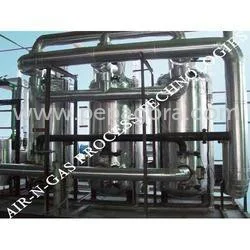
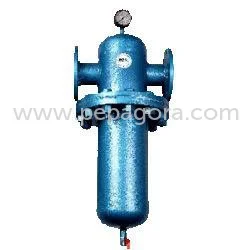
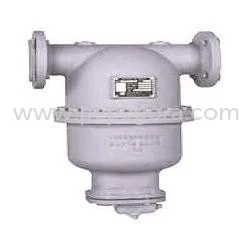
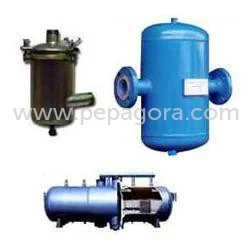
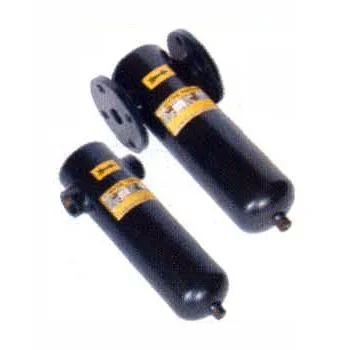
Moisture Separators
22 products available
𝗪𝗵𝗮𝘁 𝗮𝗿𝗲 𝗠𝗼𝗶𝘀𝘁𝘂𝗿𝗲 𝗦𝗲𝗽𝗮𝗿𝗮𝘁𝗼𝗿𝘀?
Moisture separators are essential components in various industrial applications, designed to remove moisture from gases or compressed air systems. They operate by using physical principles such as centrifugal force, gravity, or coalescing mechanisms to capture and eliminate water droplets. This process helps maintain the integrity of the system and ensures optimal performance of equipment.
These devices are widely utilized in industries where moisture can lead to significant operational issues, including manufacturing, petrochemicals, and food processing. By effectively removing water, moisture separators protect machinery from corrosion, enhance product quality, and improve overall system efficiency. Their relevance in the market is underscored by the growing demand for reliable moisture management solutions as industries increasingly focus on maximizing productivity and minimizing downtime.
𝗞𝗲𝘆 𝗙𝗲𝗮𝘁𝘂𝗿𝗲𝘀 𝗮𝗻𝗱 𝗦𝗽𝗲𝗰𝗶𝗳𝗶𝗰𝗮𝘁𝗶𝗼𝗻𝘀
Moisture separators come equipped with various features that enhance their performance and reliability. Understanding these specifications is crucial for selecting the right unit for specific applications.
Key specifications include:
1. Separation Efficiency
- This specification indicates the percentage of moisture removed from the air or gas stream.
- Typical efficiency ranges from 95% to 99.9%.
2. Operating Pressure Range
- Specifies the pressure levels within which the separator can function effectively.
- Common ranges are between 30 psi to 150 psi.
3. Temperature Range
- Refers to the suitable operating temperature for the moisture separator.
- Data not available for specific temperature ranges.
4. Flow Rate Capacity
- Indicates the maximum flow rate the separator can handle.
- Ranges can vary from 10 SCFM to over 500 SCFM depending on the model.
5. Construction Material
- The materials used in manufacturing the separator, which can include aluminum, stainless steel, or carbon steel.
- Selection often depends on the application and environmental factors.
6. Maintenance Requirements
- Details how often the separator needs to be serviced or cleaned.
- Many models are designed for low-maintenance operation.
7. Size and Dimensions
- Refers to the physical size of the moisture separator, which is important for installation.
- Compact designs are available for limited space applications.
8. Certifications
- Indicates compliance with industry standards, such as CE certification, ensuring quality and safety.
Overall, understanding these specifications helps businesses select the most suitable moisture separator for their operational needs.
𝗖𝗼𝗺𝗺𝗼𝗻 𝗔𝗽𝗽𝗹𝗶𝗰𝗮𝘁𝗶𝗼𝗻𝘀 𝗮𝗻𝗱 𝗨𝘀𝗲 𝗖𝗮𝘀𝗲𝘀
Moisture separators are versatile devices used across numerous industries to enhance efficiency and protect equipment.
1. Manufacturing: In manufacturing facilities, moisture separators ensure that compressed air systems remain free of moisture, which can adversely affect product quality and machine performance.
2. Petrochemical: In petrochemical processing, moisture separators are critical for preventing water contamination, which can lead to costly downtime and equipment failure.
3. Food Processing: In this industry, moisture separators help maintain product integrity by keeping moisture levels in check, which is vital for food preservation and safety.
4. Pharmaceuticals: In pharmaceutical manufacturing, maintaining a dry environment is essential for product quality and compliance with regulatory standards.
5. Construction: Moisture separators are used on construction sites to provide clean, dry air for pneumatic tools, enhancing their efficiency and longevity.
6. Automotive: In automotive applications, moisture separators help protect sensitive components from water damage during assembly and testing.
7. HVAC: In heating, ventilation, and air conditioning systems, moisture separators play a vital role in ensuring that air remains dry, promoting system efficiency and comfort.
𝗣𝗿𝗼𝗱𝘂𝗰𝘁 𝗩𝗮𝗿𝗶𝗮𝗻𝘁𝘀 𝗮𝗻𝗱 𝗦𝘂𝗯𝗰𝗮𝘁𝗲𝗴𝗼𝗿𝗶𝗲𝘀
Moisture separators come in various designs to cater to different industry needs. Each variant is tailored for specific applications, providing flexibility in selection.
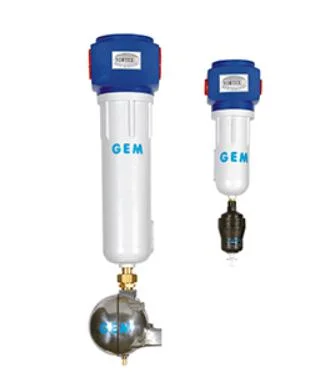
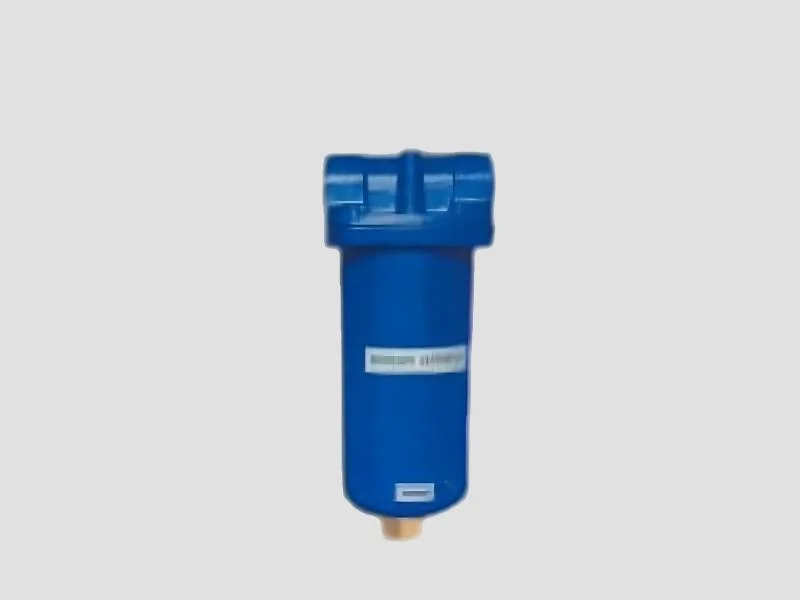
Coalescing Moisture Separator: This variant uses coalescing filters to capture moisture droplets effectively. It is ideal for applications requiring high separation efficiency and is commonly used in compressed air systems.
Cyclone Moisture Separator: Utilizing centrifugal force, this separator efficiently removes moisture from air or gas streams. It is suitable for high-flow applications and is often found in industrial settings.
Automatic Drain Moisture Separator: Designed with an automatic drain feature, this variant expels collected water without manual intervention. It is ideal for continuous operation in environments where moisture accumulation is a concern.
𝗕𝗲𝗻𝗲𝗳𝗶𝘁𝘀 𝗮𝗻𝗱 𝗔𝗱𝘃𝗮𝗻𝘁𝗮𝗴𝗲𝘀
Moisture separators offer numerous benefits that enhance operational efficiency and equipment longevity.
Key benefits include:
1. Equipment Protection: By removing moisture, these separators help prevent corrosion and damage to machinery, extending the lifespan of costly equipment.
2. Improved Product Quality: Moisture control ensures that products are manufactured without contamination, leading to higher quality outputs.
3. Increased Efficiency: With a reliable moisture management system in place, machinery operates more efficiently, reducing energy consumption and operational costs.
4. Reduced Downtime: By preventing moisture-related failures, businesses experience less downtime, thereby improving productivity.
5. Compliance Assurance: Using moisture separators helps companies meet industry standards and regulatory requirements, particularly in sectors like pharmaceuticals and food processing.
6. Versatile Applications: Their adaptability allows moisture separators to be used in a wide range of industries, making them a valuable asset for diverse operations.
𝗕𝘂𝘆𝗶𝗻𝗴 𝗚𝘂𝗶𝗱𝗲 𝗳𝗼𝗿 𝗕𝟮𝗕 𝗕𝘂𝘆𝗲𝗿𝘀
When sourcing moisture separators, businesses should consider several critical factors that influence their purchasing decision.
1. Quality Assessment: Evaluate the construction and performance specifications of moisture separators. Look for certifications like CE to ensure compliance with industry standards.
2. Supplier Verification: Vet potential suppliers by checking their reputation, customer reviews, and history of delivering quality products. A reliable supplier is key to long-term success.
3. Pricing and MOQ: Understand the pricing structure and minimum order quantities (MOQ) offered by suppliers. This ensures that the purchase aligns with budget constraints and operational needs.
4. Delivery and Lead Times: Inquire about the expected delivery times and logistics involved. Timely delivery is essential for maintaining operational schedules.
5. Compliance Requirements: Ensure that the selected moisture separators meet all necessary regulatory and safety standards relevant to your industry, which can vary by region.
𝗖𝗼𝗺𝗽𝗹𝗶𝗮𝗻𝗰𝗲 𝗮𝗻𝗱 𝗖𝗲𝗿𝘁𝗶𝗳𝗶𝗰𝗮𝘁𝗶𝗼𝗻𝘀
Moisture separators must adhere to various quality standards and certifications to ensure safety and reliability. Compliance with ISO 9001 standards is critical as it signifies a commitment to quality management systems.
Industry certifications, such as CE, indicate that products meet European safety and environmental requirements. This is particularly important for moisture separators used in sensitive applications such as food processing and pharmaceuticals.
Additionally, safety and testing requirements should be considered, as they ensure the products are rigorously evaluated for performance under various conditions. Regional compliance considerations may also vary, necessitating a thorough understanding of local regulations.
𝗪𝗵𝘆 𝗦𝗼𝘂𝗿𝗰𝗲 𝗠𝗼𝗶𝘀𝘁𝘂𝗿𝗲 𝗦𝗲𝗽𝗮𝗿𝗮𝘁𝗼𝗿𝘀 𝗳𝗿𝗼𝗺 𝗣𝗲𝗽𝗮𝗴𝗼𝗿𝗮?
Pepagora is a trusted platform for sourcing moisture separators, offering a range of advantages to B2B buyers.
Verified Supplier Network: Pepagora connects buyers with a network of verified suppliers, ensuring that only reputable manufacturers are listed. This reduces risks associated with procurement.
Streamlined RFQ Process: The platform facilitates an easy request for quotation (RFQ) process, allowing buyers to compare multiple suppliers and make informed decisions quickly.
Trade Assurance and Support: Pepagora provides trade assurance features that protect buyers during transactions, ensuring that they receive quality products as promised.
Regional Coverage: With a strong presence in India, the GCC, and Southeast Asia, Pepagora offers extensive geographic reach, enabling buyers to source moisture separators tailored to their specific regional needs.
Newly Added





Recently Added
Air Care Equipments
Industrial Shell And Tube Heat Exchangers For Heating Cooling Energy Recovery
Premium Chemical Process Reactors 100L 20,000L Stainless Steel
Industrial Pressure Piping Services For Drinking Water Systems
Airtech Engineers
Industrial Refrigerated Air Dryer For Moisture Free Compressed Air
Industrial Heatless Air Dryers For Moisture Free Compressed Air
Industrial Heat Reactivated Air Dryers For Moisture Free Compressed Air
AVV Engineering Works Private Limited
Industrial Dust Collectors Top Hopper Entry Fine Heavy Dust Collection
Industrial Screw Conveyor For Bulk Material Handling In Processing
Industrial Blowers With Bearing Assembly And Motor Support
Air- N- Gas Process Technologies
Industrial Air Chillers For Powder Coating Cooling Efficiency
Industrial Internally Heated Air Dryer For Compressed Air Moisture Control
Industrial Low Pressure Air Dryer Three Tower Moisture Removal
Alpha Trading Co. Kolkata
Industrial Riveting Hammer For Metalworking Assembly And Construction
Industrial Automatic Drain Valves For Compressed Air Systems
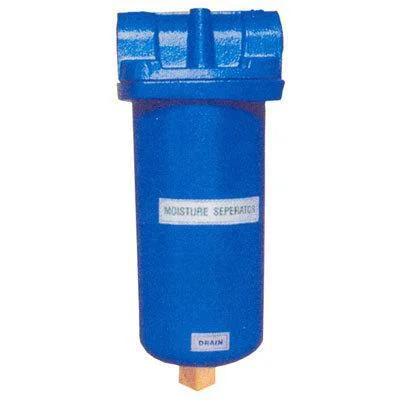
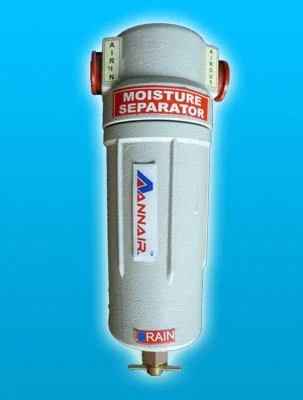
Industrial Moisture Separators For Compressed Air And Gas Systems
Air And Gas Compressor Spares India Pvt Ltd
Industrial Compressor Piston Rider Rings Packing Set
Industrial Piston Cross Head Bushings Cast Iron Aluminum Alloys
Industrial Air Compressor Valves Reed Concentric Ring Channel
Alisha Pneumatics
Industrial Air Filters Lubricator Regulators 99.99% Efficiency 125% Air Flow
Industrial Activated Carbon Air Filters 5 20 Mic Efficiency 800 3200 M/h
Industrial Air Purification OEM Automatic Drain Valve Brass AC Power
Bhanuka Electricals
Industrial LV Voltage Stabilizer For Sensitive Equipment Protection
Industrial Low Voltage Stabilizer For Equipment Protection And Power Correction
Industrial Distribution Transformers For Precise Power Control And Load Protection
APC Solutions
Industrial Bag Filter System With Pulsed Air Cleaning For Dust Control
Industrial Filter Bags For Dust Collection And Air Pollution Control
Industrial Electrostatic Precipitator For Air Pollution Control
D. S. Air Technologies
Industrial Cyclone Separators For Dust Collection And Air Pollution Control
Industrial FRP Blowers For Corrosion Resistant Fume Ventilation
Industrial Ventilation Systems For Pharmaceutical Chemical Manufacturing
Why Businesses Trust Pepagora
Thousands of companies trust Pepagora to source smarter and sell faster
Expand Your Sales Globally
25000+Products listed.Get discovered by global buyers
Tools to boost visibility
Build your own catalog

Source Smarter,Grow Faster
4000+Active RFQs
100+ Countries served
Easy Sourcing Tools
