
 IN
INundefined
Moisture Meters
23 products available
𝗪𝗵𝗮𝘁 𝗮𝗿𝗲 𝗠𝗼𝗶𝘀𝘁𝘂𝗿𝗲 𝗠𝗲𝘁𝗲𝗿𝘀?
Moisture meters are specialized devices used to measure the moisture content in various materials, such as wood, soil, and building materials. These instruments can provide accurate readings that help businesses monitor humidity levels and prevent issues related to excessive moisture, such as mold growth or material degradation. They are essential tools in a range of industries that require precise moisture control to maintain product quality and ensure safety.
Moisture meters are widely utilized in sectors like construction, agriculture, food processing, and woodworking. In construction, they help assess moisture levels in materials to avoid structural damage. In agriculture, they assist farmers in determining soil moisture content for optimal irrigation. The relevance of moisture meters in these industries is underscored by their ability to enhance product quality, improve efficiency, and reduce waste. The growing emphasis on quality control and compliance with safety standards drives the demand for these devices in the market.
𝗞𝗲𝘆 𝗙𝗲𝗮𝘁𝘂𝗿𝗲𝘀 𝗮𝗻𝗱 𝗦𝗽𝗲𝗰𝗶𝗳𝗶𝗰𝗮𝘁𝗶𝗼𝗻𝘀
Moisture meters come with various features and specifications that cater to different industrial needs. Understanding these specifications is crucial for choosing the right type of meter for specific applications.
Key specifications include:
1. Measurement Range
- Typically ranges from 0% to 100% moisture content.
- Varies based on the material being tested.
2. Accuracy
- Generally within ±0.5% to ±2%.
- Critical for ensuring reliable measurements.
3. Display Type
- Digital or analog displays available.
- Digital displays often provide clearer readings.
4. Sensor Type
- Pin-type or pinless options.
- Pin-type sensors insert into materials, while pinless sensors measure surface moisture.
5. Battery Life
- Usually lasts between 200 to 500 hours.
- Important for prolonged use in the field.
6. Calibration
- Many models come factory calibrated.
- Some may require periodic recalibration for accuracy.
7. Data Logging
- Advanced models may feature data logging capabilities.
- Useful for tracking moisture content over time.
8. Temperature Compensation
- Some moisture meters include temperature compensation features.
- Helps ensure accurate readings across varying temperatures.
In summary, selecting a moisture meter involves understanding its key specifications and features to ensure it meets the specific needs of the application.
𝗖𝗼𝗺𝗺𝗼𝗻 𝗔𝗽𝗽𝗹𝗶𝗰𝗮𝘁𝗶𝗼𝗻𝘀 𝗮𝗻𝗱 𝗨𝘀𝗲 𝗖𝗮𝘀𝗲𝘀
Moisture meters are versatile tools that find applications in various industries.
1. Agriculture: Farmers use moisture meters to monitor soil moisture levels, enabling them to optimize irrigation practices and improve crop yields.
2. Construction: In the construction industry, moisture meters help assess the moisture content in building materials to prevent mold growth and structural damage.
3. Food Processing: These meters are used to ensure the right moisture levels in food products, which is crucial for quality control and shelf-life extension.
4. Woodworking: Woodworkers utilize moisture meters to check the moisture content of lumber, ensuring it is at the ideal level for processing and finishing.
5. Textile Manufacturing: Moisture meters are employed to monitor the moisture content in fabrics, which can affect dyeing and finishing processes.
6. Paper Industry: In the paper production process, moisture meters help control the moisture content to ensure product quality.
7. HVAC Systems: Moisture meters are used in HVAC systems to monitor humidity levels and maintain optimal indoor air quality.
𝗣𝗿𝗼𝗱𝘂𝗰𝘁 𝗩𝗮𝗿𝗶𝗮𝗻𝘁𝘀 𝗮𝗻𝗱 𝗦𝘂𝗯𝗰𝗮𝘁𝗲𝗴𝗼𝗿𝗶𝗲𝘀
Moisture meters come in various designs, each tailored for specific applications and user needs.
Pin-Type Moisture Meters: These devices are equipped with sharp pins that penetrate the material to provide precise moisture content readings. They are best suited for applications where direct contact with the material is possible.
Pinless Moisture Meters: These models utilize electromagnetic sensing technology to measure moisture levels without damaging the material. They are ideal for assessing larger surfaces, such as walls and floors.
Compact Moisture Meters: Lightweight and portable, these meters are designed for quick field measurements. They are perfect for agricultural and construction professionals who need to assess moisture content on the go.
Digital Moisture Meters: Featuring advanced digital displays, these meters provide clear readings and may offer additional features like data logging and temperature compensation, benefiting various industrial applications.
𝗕𝗲𝗻𝗲𝗳𝗶𝘁𝘀 𝗮𝗻𝗱 𝗔𝗱𝘃𝗮𝗻𝘁𝗮𝗴𝗲𝘀
Moisture meters offer several key benefits that enhance their value in industrial settings.
1. Enhanced Quality Control: Accurate moisture measurement helps maintain product quality, preventing defects that can arise from excessive moisture.
2. Increased Efficiency: By providing real-time moisture readings, these devices allow businesses to make informed decisions quickly, optimizing processes.
3. Cost Savings: Preventing moisture-related issues can lead to significant cost savings by reducing waste and avoiding damage to materials.
4. Improved Safety: Monitoring moisture levels reduces the risk of mold growth and other hazards associated with excess moisture.
5. Versatility: Moisture meters can be used across multiple industries and applications, making them a flexible tool for various business needs.
6. User-Friendly: Many models are designed for straightforward operation, allowing users to take readings quickly and easily.
𝗕𝘂𝘆𝗶𝗻𝗴 𝗚𝘂𝗶𝗱𝗲 𝗳𝗼𝗿 𝗕𝟮𝗕 𝗕𝘂𝘆𝗲𝗿𝘀
When considering the purchase of moisture meters, several factors should be taken into account to ensure you select the right product.
1. Quality Assessment: Look for moisture meters that comply with industry standards and are known for their accuracy and reliability. Check for customer reviews and certifications to gauge quality.
2. Supplier Verification: Vet potential suppliers to ensure they have a good reputation and provide high-quality products. Consider their experience in the industry and customer support services.
3. Pricing and MOQ: Evaluate the pricing structure and minimum order quantities offered by suppliers. Compare prices across different providers to find the best deal while considering quality.
4. Delivery and Lead Times: Understand the logistics involved in procurement, including delivery times and shipping costs. Ensure the supplier can meet your timeline requirements.
5. Compliance Requirements: Be aware of any regulatory compliance required for moisture meters in your industry. Ensure the products meet necessary standards.
𝗖𝗼𝗺𝗽𝗹𝗶𝗮𝗻𝗰𝗲 𝗮𝗻𝗱 𝗖𝗲𝗿𝘁𝗶𝗳𝗶𝗰𝗮𝘁𝗶𝗼𝗻𝘀
Moisture meters must adhere to various quality standards and certifications to ensure their reliability and safety in industrial applications.
One of the key standards is ISO 9001, which outlines quality management principles. Compliance with this standard indicates that the manufacturer maintains a consistent level of quality in their products.
Additionally, HACCP (Hazard Analysis Critical Control Point) guidelines may apply, particularly in food processing, to ensure safety and prevent contamination.
Many moisture meters also carry CE certification, indicating they meet European safety standards, which is crucial for market acceptance in Europe.
Furthermore, safety and testing requirements should be considered to ensure that the devices are safe for operators and suitable for the intended applications. Regional compliance factors may also include local regulations that must be adhered to in specific markets.
𝗪𝗵𝘆 𝗦𝗼𝘂𝗿𝗰𝗲 𝗠𝗼𝗶𝘀𝘁𝘂𝗿𝗲 𝗠𝗲𝘁𝗲𝗿𝘀 𝗳𝗿𝗼𝗺 𝗣𝗲𝗽𝗮𝗴𝗼𝗿𝗮?
Pepagora offers a trusted platform for sourcing moisture meters, providing several key advantages to B2B buyers.
Verified Supplier Network: Pepagora ensures that all suppliers are thoroughly vetted, allowing buyers to source from reliable manufacturers who meet quality standards.
Streamlined RFQ Process: The platform features a straightforward request for quotation process, enabling buyers to easily obtain competitive pricing and terms from multiple suppliers.
Trade Assurance and Support: Pepagora provides trade assurance, protecting buyers throughout the purchasing process and ensuring timely delivery and quality products.
Regional Coverage: With a strong presence in India, the GCC, and Southeast Asia, Pepagora facilitates connections between buyers and suppliers in these regions, enhancing market access and reducing logistical challenges.
Newly Added



Recently Added
Digital Instrumentation
CR2 3V Lithium Battery 65mAh for Digital Instruments and Security Systems
Tubular Batteries For Solar UPS Telecom Power Backup
Healthcare Distributors Premium Natural Kidney Support Supplement
DIVINE INTERNATIONAL
Medical Education Unbreakable Anatomical Skeleton Models Durable Plastic
Laboratory Incubator With Digital Temperature Control And Viewing Window
Educational Chemistry Laboratory Glassware Plasticware Chemicals
A-Grain
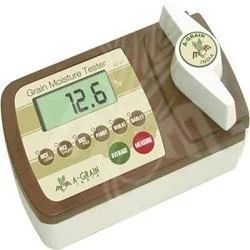
Digital Moisture Testers For Grains And Seeds Reliable Quality Assurance
Digital Moisture Meters For Grains And Seeds With Rugged Portable Design
BIS Compliant Seed Grading Sieves Brass or G.I. 8 Inch 12 Inch
A & D Instruments India Private Limited
Precision Moisture Analyzer With Halogen Heating And GLP/GMP Compliance
Industrial Balances High Precision Weighing IP65 Protection Fast SHS Technology
Industrial Balances High Precision IP65 SHS Technology
ACME Scientific International
Professional Abrasion Testing Machine for Material Durability Assessment
Concrete Testing Air Entrainment Meter 0.1m 150mm Aggregate
Bench Mounting Load Frame For Mechanical Testing In R&D And Quality Control
B. E. P. Edu World
Child CPR Training Manikin with Light Indicators for Medical Education
Nurse Basic Practice Teaching Model BEP 405 5 Part Anatomical Training Tool
CPR Training Manikin with Electronic Monitoring Meets AHA Standards
Hari Om Scientific Traders
Lab Moisture Balance for Food, Pharma, and Quality Control Analysis
Industrial Microbiology Lab OEM Colony Counter With Tough Construction
Premium Laboratory Distillation Apparatus for Precise Separation and Purification
Neelu Packing Industries
Industrial Three Phase Meter Box Cover Durable Polycarbonate
Industrial Three Phase Hinged Meter Box Polycarbonate Weatherproof
Utility Industrial Single Phase Self Locking Meter Box Polycarbonate
Askib Engineers Private Limited
Industrial Brinell Microscope 25X Magnification 0.01mm LC NABL Certified
NABL Certified Rubber Bellows for Hardness Testers 8 Inch 12 Inch
NABL Certified Steel Ball Indentors For Rockwell Brinell Hardness Testers
Auro Electronics India Private Limited
Watermark Adapters For Watch Dog Soil Moisture Sensor Integration
Agricultural ET Gauges for Precision Irrigation and Water Efficiency
Agricultural Irrigation On/Off Sensors For Soil Moisture Monitoring
Why Businesses Trust Pepagora
Thousands of companies trust Pepagora to source smarter and sell faster
Expand Your Sales Globally
25000+Products listed.Get discovered by global buyers
Tools to boost visibility
Build your own catalog

Source Smarter,Grow Faster
4000+Active RFQs
100+ Countries served
Easy Sourcing Tools
