
 IN
INundefined
Modular UPS Systems
2 products available
𝗪𝗵𝗮𝘁 𝗮𝗿𝗲 𝗠𝗼𝗱𝘂𝗹𝗮𝗿 𝗨𝗣𝗦 𝗦𝘆𝘀𝘁𝗲𝗺𝘀?
Modular UPS (Uninterruptible Power Supply) systems are advanced power management solutions designed to provide continuous electrical power to critical systems and equipment. These systems consist of multiple modular components that can be easily added or removed to meet varying power requirements. This flexibility allows businesses to scale their power capacity according to their needs, ensuring reliable operation during power outages, surges, or fluctuations.
Modular UPS systems are primarily used in environments where uptime is critical, such as data centers, telecommunications, healthcare facilities, and manufacturing plants. They ensure that sensitive equipment remains operational, preventing data loss and equipment damage. As businesses increasingly rely on technology and digital infrastructure, the demand for modular UPS systems continues to grow, making them a vital component in maintaining operational resilience across various industries.
In the current market context, modular UPS systems are gaining traction due to their efficiency, scalability, and redundancy features. With the rise of cloud computing and digital services, companies are looking for reliable power solutions that can adapt to changing demands without significant upfront investments. As a result, the modular UPS market is expanding, with advancements in technology and increased awareness of the importance of power protection.
𝗞𝗲𝘆 𝗙𝗲𝗮𝘁𝘂𝗿𝗲𝘀 𝗮𝗻𝗱 𝗦𝗽𝗲𝗰𝗶𝗳𝗶𝗰𝗮𝘁𝗶𝗼𝗻𝘀
Modular UPS systems are designed with several key features that enhance their performance and usability. These features allow businesses to select systems that best meet their needs while ensuring reliability and efficiency.
Key specifications include:
1. Scalability
- Modular design allows for easy expansion of power capacity.
- Businesses can add or remove modules as needed.
2. Redundancy
- Built-in redundancy ensures continuous power supply even if one module fails.
- Enhances overall system reliability.
3. Efficiency
- High efficiency ratings reduce energy consumption and operational costs.
- Advanced power management algorithms optimize performance.
4. Monitoring and Management
- Integrated monitoring systems provide real-time data on power usage and system health.
- Remote management capabilities enable proactive maintenance.
5. Compact Design
- Modular systems are designed to occupy minimal floor space.
- Ideal for environments with limited space.
6. Flexibility
- Customizable configurations to fit specific power requirements.
- Ability to mix different power ratings within the same system.
7. Fast Installation
- Quick setup and integration into existing systems.
- Minimal downtime during installation.
8. Compliance with Standards
- Systems are designed to meet industry standards and certifications.
- Ensures safety and reliability for critical applications.
In summary, modular UPS systems offer a combination of scalability, efficiency, and reliability, making them an ideal choice for businesses looking to ensure uninterrupted power supply.
𝗖𝗼𝗺𝗺𝗼𝗻 𝗔𝗽𝗽𝗹𝗶𝗰𝗮𝘁𝗶𝗼𝗻𝘀 𝗮𝗻𝗱 𝗨𝘀𝗲 𝗖𝗮𝘀𝗲𝘀
Modular UPS systems are versatile and serve a wide range of industries, making them a valuable investment for businesses seeking power reliability.
1. Data Centers: Modular UPS systems provide essential backup power to data servers, ensuring continuous operation and data integrity during outages.
2. Telecommunications: These systems support communication networks, maintaining service availability and preventing disruptions during power failures.
3. Healthcare: In hospitals and clinics, modular UPS systems protect critical medical equipment, ensuring life-saving devices remain operational at all times.
4. Manufacturing: Factories utilize modular UPS systems to safeguard production lines and prevent costly downtime due to power interruptions.
5. Financial Services: Banks and financial institutions rely on modular UPS systems to maintain secure and continuous operations for transactions and data management.
6. Retail: Retailers use these systems to protect point-of-sale systems and inventory management systems, ensuring seamless customer experiences.
7. Government Facilities: Modular UPS systems are implemented in government buildings to ensure the functioning of essential services and data protection.
𝗣𝗿𝗼𝗱𝘂𝗰𝘁 𝗩𝗮𝗿𝗶𝗮𝗻𝘁𝘀 𝗮𝗻𝗱 𝗦𝘂𝗯𝗰𝗮𝘁𝗲𝗴𝗼𝗿𝗶𝗲𝘀
Modular UPS systems come in various configurations to cater to different business needs. These variants offer unique features suited for specific applications or industries.
Variant 1: High Capacity Modular UPS
This variant is designed for large-scale applications such as data centers and industrial facilities. It offers a substantial power capacity with multiple modular components, ensuring high availability and redundancy.
Variant 2: Compact Modular UPS
Ideal for small to medium-sized businesses, this variant provides necessary power backup in a space-saving design. It is perfect for environments where floor space is limited but reliable power is essential.
Variant 3: Smart Modular UPS
This variant incorporates advanced monitoring and management features, allowing businesses to optimize energy usage and receive alerts regarding system performance. It is well-suited for technology-driven environments.
Variant 4: Eco-Friendly Modular UPS
Focused on energy efficiency, this variant uses environmentally friendly components and technologies. It is ideal for businesses looking to reduce their carbon footprint while ensuring power reliability.
𝗕𝗲𝗻𝗲𝗳𝗶𝘁𝘀 𝗮𝗻𝗱 𝗔𝗱𝘃𝗮𝗻𝘁𝗮𝗴𝗲𝘀
Modular UPS systems offer several advantages that can greatly benefit businesses looking to invest in power management solutions.
1. Enhanced Reliability: The modular design provides redundancy, ensuring continuous power supply even in case of module failure.
2. Cost Efficiency: Businesses can start with a smaller system and expand as needed, reducing initial investment and operating costs.
3. Scalability: Modular systems can easily adapt to changing power needs, allowing businesses to grow without system limitations.
4. Simplified Maintenance: Individual modules can be serviced or replaced without shutting down the entire system, minimizing downtime.
5. Space Optimization: The compact design of modular UPS systems helps organizations maximize their available space while ensuring power protection.
6. Advanced Monitoring: Integrated monitoring features provide real-time insights into system performance, enabling proactive management and maintenance.
𝗕𝘂𝘆𝗶𝗻𝗴 𝗚𝘂𝗶𝗱𝗲 𝗳𝗼𝗿 𝗕𝟮𝗕 𝗕𝘂𝘆𝗲𝗿𝘀
When sourcing Modular UPS Systems, businesses should consider several critical factors to ensure they make informed purchasing decisions.
1. Quality Assessment: Evaluate the quality of the UPS systems by reviewing manufacturer credentials and product reviews. Look for systems that meet recognized quality standards.
2. Supplier Verification: Vet potential suppliers by checking their industry reputation, certifications, and customer feedback. Ensure they have a proven track record in providing reliable products.
3. Pricing and MOQ: Consider the pricing models and minimum order quantities (MOQ) offered by suppliers. Ensure that the pricing aligns with your budget and expected usage.
4. Delivery and Lead Times: Assess the supplier's ability to meet delivery timelines. Consider logistics and potential delays that could impact your operations.
5. Compliance Requirements: Verify that the UPS systems comply with relevant industry standards and regulations. This includes safety certifications and environmental compliance.
𝗖𝗼𝗺𝗽𝗹𝗶𝗮𝗻𝗰𝗲 𝗮𝗻𝗱 𝗖𝗲𝗿𝘁𝗶𝗳𝗶𝗰𝗮𝘁𝗶𝗼𝗻𝘀
Modular UPS systems must adhere to various quality standards and certifications to ensure their safety and reliability in critical applications. One important standard is ISO 9001, which sets out the criteria for a quality management system and is essential for maintaining consistent product quality.
Additional industry certifications such as CE and UL signify that the products meet specific health, safety, and environmental protection standards. Compliance with these certifications enhances buyer confidence in the product's reliability.
Safety and testing requirements are also crucial, as they ensure that the systems can withstand potential risks associated with power failures. Regional compliance considerations may vary, so it is essential for buyers to be aware of local regulations that may impact their choice of UPS systems.
𝗪𝗵𝘆 𝗦𝗼𝘂𝗿𝗰𝗲 𝗠𝗼𝗱𝘂𝗹𝗮𝗿 𝗨𝗣𝗦 𝗦𝘆𝘀𝘁𝗲𝗺𝘀 𝗳𝗿𝗼𝗺 𝗣𝗲𝗽𝗮𝗴𝗼𝗿𝗮?
Pepagora provides a trusted platform for sourcing Modular UPS Systems with several key advantages that can benefit B2B buyers.
Verified Supplier Network: Pepagora features a network of verified suppliers who have undergone thorough vetting processes. This ensures that buyers have access to reliable and high-quality products.
Streamlined RFQ Process: The platform simplifies the request for quotation (RFQ) process, enabling buyers to easily compare multiple suppliers and their offerings. This helps in making informed purchasing decisions.
Trade Assurance and Support: Pepagora offers trade assurance to protect buyers from potential disputes. The platform provides support throughout the purchasing process, ensuring a smooth experience.
Regional Coverage: Pepagora has a strong presence in key markets such as India, the GCC region, and Southeast Asia. This geographic reach allows buyers to source products that meet their specific regional needs while benefiting from local supplier relationships.
Newly Added


Recently Added
Unison UPS
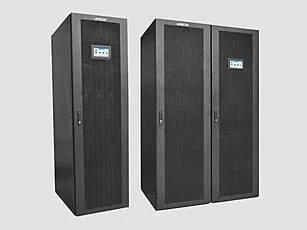
Commercial UPS 1kVA 3kVA Plug N Play Voltage Regulation Backup
Commercial Pure Sinewave UPS 1kVA 3kVA Plug N Play Power Protection
Office UPS 650VA with AVR Voltage Stabilization for Computers
Socomec Ups India Pvt Ltd
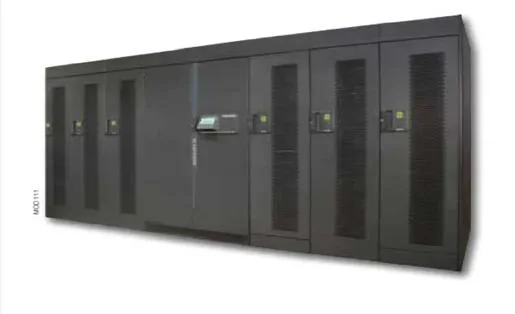
Data Center Industrial UPS System Socomec Modular GP Green Power 2.0 Range
Data Center Modular UPS System Socomec Modulys XL High Efficiency Power Backup
Industrial Power Protection Masterys GP 4 Three Phase UPS by Socomec
Why Businesses Trust Pepagora
Thousands of companies trust Pepagora to source smarter and sell faster
Expand Your Sales Globally
25000+Products listed.Get discovered by global buyers
Tools to boost visibility
Build your own catalog

Source Smarter,Grow Faster
4000+Active RFQs
100+ Countries served
Easy Sourcing Tools
