
 IN
INundefined
Modular Clamping Systems
1 products available
𝗪𝗵𝗮𝘁 𝗮𝗿𝗲 𝗠𝗼𝗱𝘂𝗹𝗮𝗿 𝗖𝗹𝗮𝗺𝗽𝗶𝗻𝗴 𝗦𝘆𝘀𝘁𝗲𝗺𝘀?
Modular Clamping Systems are versatile tools used in industrial applications to secure workpieces during manufacturing and assembly processes. These systems are designed to provide flexible and efficient clamping solutions, allowing for quick adjustments and configurations based on specific project requirements. They typically consist of various components, such as clamps, brackets, and support structures, which can be easily combined or rearranged to suit different operational needs.
These systems are primarily utilized in machining, assembly lines, and fabrication environments where precision and stability are critical. They enable manufacturers to enhance productivity by reducing setup times and minimizing the risk of errors during operations. The adaptability of Modular Clamping Systems makes them suitable for a wide range of materials and sizes, which is essential in industries like automotive, aerospace, and metalworking. In a rapidly changing market, these systems offer a competitive edge by allowing businesses to respond quickly to new demands and project specifications.
𝗞𝗲𝘆 𝗙𝗲𝗮𝘁𝘂𝗿𝗲𝘀 𝗮𝗻𝗱 𝗦𝗽𝗲𝗰𝗶𝗳𝗶𝗰𝗮𝘁𝗶𝗼𝗻𝘀
Modular Clamping Systems come with a variety of features that enhance their usability and efficiency. The modular design allows for quick assembly and reconfiguration, making them suitable for dynamic manufacturing environments. These systems can accommodate a wide range of workpiece sizes and shapes, providing versatility in applications.
Key specifications include:
1. Clamping Force
- Adjustable clamping force to accommodate different materials
- Typically ranges from 100 N to 1000 N, depending on the system
2. Material Composition
- Constructed from high-strength materials such as steel or aluminum
- Ensures durability and resistance to wear and tear
3. Compatibility
- Designed to be compatible with various workholding devices
- Facilitates integration into existing setups
4. Modular Components
- Includes a range of clamps, fixtures, and accessories
- Allows for customization based on specific applications
5. Ease of Use
- Features intuitive designs for quick setup and adjustment
- Reduces the learning curve for operators
6. Weight Capacity
- Designed to support heavy workpieces
- Typical weight capacity ranges from 50 kg to 500 kg
7. Temperature Resistance
- Capable of functioning in various temperature conditions
- Data not available for specific temperature ranges
8. Compliance Standards
- Adheres to relevant industry standards such as CE and UL
- Ensures safety and reliability in operations
In summary, Modular Clamping Systems offer a range of features that enhance their functionality and adaptability in industrial settings, making them essential tools for manufacturers.
𝗖𝗼𝗺𝗺𝗼𝗻 𝗔𝗽𝗽𝗹𝗶𝗰𝗮𝘁𝗶𝗼𝗻𝘀 𝗮𝗻𝗱 𝗨𝘀𝗲 𝗖𝗮𝘀𝗲𝘀
Modular Clamping Systems serve a diverse array of industries, each with specific applications that highlight their versatility.
1. Automotive Industry: These systems are used for holding components during assembly and machining processes, ensuring precision and stability for parts like engine blocks and chassis.
2. Aerospace Industry: In aerospace manufacturing, Modular Clamping Systems are essential for securely holding large and complex parts, such as aircraft wings and fuselage sections, during fabrication and inspection.
3. Metalworking: In metal fabrication shops, these clamping systems facilitate the secure positioning of metal sheets and components during cutting, welding, and machining operations.
4. Woodworking: In woodworking applications, they provide reliable clamping solutions for various shapes of wood, ensuring accuracy during cutting and assembly.
5. Electronics: In the electronics sector, these systems are used to hold circuit boards and components in place for assembly or testing, ensuring high precision and minimal error.
6. Medical Device Manufacturing: They secure delicate parts during assembly and testing processes, maintaining the integrity and quality of medical devices.
7. Robotics: Modular Clamping Systems are employed in robotic applications to hold workpieces securely during automated operations, enhancing efficiency and accuracy.
𝗣𝗿𝗼𝗱𝘂𝗰𝘁 𝗩𝗮𝗿𝗶𝗮𝗻𝘁𝘀 𝗮𝗻𝗱 𝗦𝘂𝗯𝗰𝗮𝘁𝗲𝗴𝗼𝗿𝗶𝗲𝘀
Modular Clamping Systems are available in various configurations to meet specific user needs.
Heavy-Duty Clamping Systems
These systems are designed for applications that require increased strength and stability. They often feature reinforced materials and are suitable for heavy workpieces in demanding environments.
Precision Clamping Systems
These variants focus on high accuracy and repeatability, ideal for machining and assembly tasks that require tight tolerances. They often include specialized components for enhanced precision.
Compact Clamping Systems
These systems are designed for smaller workspaces and applications where space is a constraint. They provide effective clamping solutions without compromising on performance.
Universal Clamping Systems
These are versatile systems that can adapt to a wide range of applications across different industries. They offer a balance of strength, precision, and flexibility.
𝗕𝗲𝗻𝗲𝗳𝗶𝘁𝘀 𝗮𝗻𝗱 𝗔𝗱𝘃𝗮𝗻𝘁𝗮𝗴𝗲𝘀
Modular Clamping Systems provide numerous benefits that enhance operational efficiency and product quality.
1. Increased Flexibility: These systems can be easily reconfigured, allowing manufacturers to adapt to changing production requirements without significant downtime.
2. Enhanced Precision: The modular design ensures consistent clamping, which is critical for maintaining accuracy in machining and assembly processes.
3. Reduced Setup Time: Quick assembly and adjustment capabilities lead to decreased setup times, improving overall productivity on the shop floor.
4. Cost-Effectiveness: By minimizing waste and errors, Modular Clamping Systems contribute to lower operational costs over time.
5. Improved Safety: High-quality materials and construction ensure reliable performance, reducing the risk of accidents and equipment failures.
6. Customization Options: The modular nature allows users to tailor the system to their specific needs, enhancing usability in various applications.
𝗕𝘂𝘆𝗶𝗻𝗴 𝗚𝘂𝗶𝗱𝗲 𝗳𝗼𝗿 𝗕𝟮𝗕 𝗕𝘂𝘆𝗲𝗿𝘀
When sourcing Modular Clamping Systems, it is essential to consider several key factors to ensure the right fit for your operations.
1. Quality Assessment: Evaluate the quality of materials and construction. Look for systems that meet industry standards and have a proven track record of reliability.
2. Supplier Verification: Conduct thorough research to verify the credibility of suppliers. Check for certifications, customer reviews, and industry reputation to ensure they can provide high-quality products.
3. Pricing and MOQ: Understand the pricing structures and minimum order quantities (MOQ) offered by suppliers. Compare costs to find a balance between quality and budget.
4. Delivery and Lead Times: Discuss logistics with suppliers to ensure timely delivery of products. Consider lead times and the supplier's capacity to meet your production schedules.
5. Compliance Requirements: Ensure that the Modular Clamping Systems comply with relevant regulations and industry standards. This is crucial for maintaining safety and quality in your operations.
𝗖𝗼𝗺𝗽𝗹𝗶𝗮𝗻𝗰𝗲 𝗮𝗻𝗱 𝗖𝗲𝗿𝘁𝗶𝗳𝗶𝗰𝗮𝘁𝗶𝗼𝗻𝘀
Modular Clamping Systems must adhere to various quality standards and regulations to ensure safety and reliability.
ISO 9001 is a widely recognized standard that outlines the requirements for a quality management system. Compliance with this standard indicates that a manufacturer consistently meets customer and regulatory requirements.
Industry certifications such as CE and UL signify that the products have been tested and meet specific safety and performance criteria. CE marking indicates compliance with European safety standards, while UL certification is recognized in North America.
Safety and testing requirements are critical for ensuring that the systems function effectively under operational conditions. Manufacturers must conduct rigorous testing to validate the performance and reliability of their products.
Regional compliance considerations may vary, so it is essential to be aware of local regulations that govern the use of Modular Clamping Systems in different markets.
𝗪𝗵𝘆 𝗦𝗼𝘂𝗿𝗰𝗲 𝗠𝗼𝗱𝘂𝗹𝗮𝗿 𝗖𝗹𝗮𝗺𝗽𝗶𝗻𝗴 𝗦𝘆𝘀𝘁𝗲𝗺𝘀 𝗳𝗿𝗼𝗺 𝗣𝗲𝗽𝗮𝗴𝗼𝗿𝗮?
Pepagora provides a trusted platform for sourcing Modular Clamping Systems with several key advantages.
Verified Supplier Network: Pepagora connects buyers with a network of verified suppliers, ensuring that you can find high-quality products from reputable manufacturers. This reduces the risk of sourcing from unreliable sources.
Streamlined RFQ Process: The platform offers a straightforward request for quotation (RFQ) process, allowing buyers to easily compare prices and specifications from multiple suppliers. This simplifies the decision-making process and enhances efficiency.
Trade Assurance and Support: Pepagora provides trade assurance to protect buyers during transactions. This includes support for any disputes that may arise, giving buyers peace of mind when sourcing products.
Regional Coverage: With a focus on markets in India, the Gulf Cooperation Council (GCC), and Southeast Asia, Pepagora offers extensive regional coverage. This makes it easier for businesses to find local suppliers and streamline their sourcing processes.
In conclusion, Pepagora stands out as a reliable choice for sourcing Modular Clamping Systems, ensuring quality, support, and accessibility across key markets.


Recently Added
Cheran Machines I Pvt Ltd
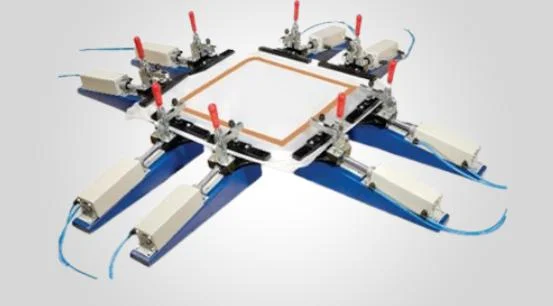
Industrial Pneumatic Mesh Stretching Clamp with Adjustable Frame & 40N/cm Tension
Industrial Screen Printing UV Exposing Machine With 99 Programmable Settings
Cheran Digital Hot Air Screen Drying Machine For Textile And Graphic Printing
Why Businesses Trust Pepagora
Thousands of companies trust Pepagora to source smarter and sell faster
Expand Your Sales Globally
25000+Products listed.Get discovered by global buyers
Tools to boost visibility
Build your own catalog

Source Smarter,Grow Faster
4000+Active RFQs
100+ Countries served
Easy Sourcing Tools
