
 IN
INundefined
Modems
58 products available
𝗪𝗵𝗮𝘁 𝗮𝗿𝗲 𝗠𝗼𝗱𝗲𝗺𝘀?
Modems are devices that modulate and demodulate signals for data transmission over various communication channels. They serve as the bridge between a digital device, such as a computer, and an analog signal, allowing for effective communication. The primary function of a modem is to convert digital data from a computer into an analog signal that can travel over telephone lines or cable systems, and vice versa.
In a business context, modems are crucial for connecting to the internet, enabling communication, and facilitating data transfer. They are used in various industries, from telecommunications to manufacturing, to ensure reliable connectivity. Modems play a significant role in network infrastructure, supporting functions such as remote access, data backup, and cloud computing. As businesses increasingly rely on digital communication, the importance of modems continues to grow, highlighting their relevance in today’s market.
𝗞𝗲𝘆 𝗙𝗲𝗮𝘁𝘂𝗿𝗲𝘀 𝗮𝗻𝗱 𝗦𝗽𝗲𝗰𝗶𝗳𝗶𝗰𝗮𝘁𝗶𝗼𝗻𝘀
Modems come equipped with various features and specifications that cater to different communication needs. Understanding these specifications is essential for businesses when selecting the right modem for their operations.
Key specifications include:
1. Data Transmission Speed
- Indicates how quickly data can be transmitted.
- Measured in megabits per second (Mbps).
2. Compatibility
- Refers to the modem's ability to work with different network types.
- Includes support for DSL, cable, fiber, and more.
3. Connection Type
- Defines how the modem connects to the network.
- Options include wired Ethernet or wireless connections.
4. Number of Ports
- Indicates how many devices can connect to the modem.
- Typically ranges from 1 to 4 Ethernet ports.
5. Security Features
- Includes built-in firewalls and encryption protocols.
- Essential for protecting data during transmission.
6. Form Factor
- Refers to the physical design of the modem.
- Can be a standalone unit or integrated with a router.
7. Power Supply
- Indicates the power requirements for the modem to operate effectively.
- Usually comes with a standard power adapter.
8. Warranty Period
- Reflects the manufacturer's assurance on the product's performance.
- Typically ranges from 1 to 3 years.
In summary, selecting a modem with the right specifications is critical for ensuring optimal performance and compatibility with existing systems.
𝗖𝗼𝗺𝗺𝗼𝗻 𝗔𝗽𝗽𝗹𝗶𝗰𝗮𝘁𝗶𝗼𝗻𝘀 𝗮𝗻𝗱 𝗨𝘀𝗲 𝗖𝗮𝘀𝗲𝘀
Modems are utilized across a broad spectrum of industries, each with unique applications.
1. Telecommunications: Modems are essential for internet service providers to deliver broadband services to customers, ensuring stable and high-speed internet connections.
2. Manufacturing: In manufacturing, modems facilitate communication between machines and central systems, enabling real-time data exchange and automation.
3. Healthcare: Modems support telemedicine applications, allowing healthcare professionals to communicate and share patient data remotely.
4. Retail: Retail businesses rely on modems for point-of-sale systems, enabling fast and secure transactions over the internet.
5. Education: Educational institutions utilize modems to provide online learning platforms, ensuring students have access to resources from remote locations.
6. Logistics: In logistics, modems connect tracking systems to the internet, providing real-time updates on shipment statuses.
7. Smart Buildings: Modems are integral to smart building technologies, enabling communication between IoT devices for automation and efficiency.
𝗣𝗿𝗼𝗱𝘂𝗰𝘁 𝗩𝗮𝗿𝗶𝗮𝗻𝘁𝘀 𝗮𝗻𝗱 𝗦𝘂𝗯𝗰𝗮𝘁𝗲𝗴𝗼𝗿𝗶𝗲𝘀
Modems come in various types, each designed for specific applications and environments.
Cable Modem: This type connects to cable internet services, providing high-speed internet access to homes and businesses. It is ideal for environments that require reliable internet connectivity.
DSL Modem: Designed for digital subscriber line services, this modem connects to telephone lines, providing internet access in areas where cable service is unavailable. It is suitable for small businesses and remote locations.
Wireless Modem: A wireless modem allows devices to connect to the internet without physical cables. It is perfect for offices requiring mobility and flexibility.
𝗕𝗲𝗻𝗲𝗳𝗶𝘁𝘀 𝗮𝗻𝗱 𝗔𝗱𝘃𝗮𝗻𝘁𝗮𝗴𝗲𝘀
Investing in the right modem can offer numerous advantages to businesses.
1. Enhanced Connectivity: A good modem ensures stable and reliable internet connections, reducing downtime and enhancing productivity.
2. Improved Data Transfer Rates: High-speed modems facilitate faster data transfers, which is crucial for operations that rely on large amounts of data.
3. Increased Security: Modern modems come with built-in security features that protect sensitive information from unauthorized access.
4. Cost Efficiency: By integrating multiple functions, such as routing and modem capabilities, businesses can reduce equipment costs.
5. Scalability: Many modems support multiple connections, allowing businesses to expand their network as needed without significant additional investment.
6. Remote Access: Modems enable remote access to business systems, facilitating telecommuting and remote management.
𝗕𝘂𝘆𝗶𝗻𝗴 𝗚𝘂𝗶𝗱𝗲 𝗳𝗼𝗿 𝗕𝟮𝗕 𝗕𝘂𝘆𝗲𝗿𝘀
When sourcing modems, it is essential to consider several factors to ensure the right choice for your business needs.
1. Quality Assessment: Evaluate the quality of the modem based on vendor reputation, customer reviews, and performance metrics. Ensure that the product meets industry standards for reliability and efficiency.
2. Supplier Verification: Vet suppliers by checking their certifications and track record. Reliable suppliers should have a history of providing quality products and excellent customer service.
3. Pricing and MOQ: Understand the pricing structure and minimum order quantities (MOQ) for the modems. This information is crucial for budgeting and ensuring that you meet your operational needs without overspending.
4. Delivery and Lead Times: Discuss logistics with suppliers to determine delivery schedules. Timely delivery is vital for maintaining operational continuity and meeting customer demands.
5. Compliance Requirements: Ensure that the modems comply with relevant industry standards and regulations, including safety certifications and environmental considerations.
𝗖𝗼𝗺𝗽𝗹𝗶𝗮𝗻𝗰𝗲 𝗮𝗻𝗱 𝗖𝗲𝗿𝘁𝗶𝗳𝗶𝗰𝗮𝘁𝗶𝗼𝗻𝘀
Compliance and certifications are critical aspects of modem manufacturing and usage.
Modems should adhere to quality standards such as ISO 9001, which ensures consistent quality in manufacturing processes. This standard is essential for businesses that prioritize reliability and performance.
Industry certifications, such as CE, indicate that the modem meets European safety, health, and environmental protection standards. This certification is crucial for businesses operating in or exporting to Europe.
Furthermore, compliance with safety and testing requirements ensures that modems can withstand operational stresses and function reliably over time. Regional compliance considerations may vary, so it is essential to be aware of local regulations and standards when sourcing modems for different markets.
𝗪𝗵𝘆 𝗦𝗼𝘂𝗿𝗰𝗲 𝗠𝗼𝗱𝗲𝗺𝘀 𝗳𝗿𝗼𝗺 𝗣𝗲𝗽𝗮𝗴𝗼𝗿𝗮?
Pepagora offers a reliable platform for sourcing modems with several key advantages that benefit B2B buyers.
Verified Supplier Network: Pepagora maintains a network of verified suppliers, ensuring that buyers have access to high-quality products. This network is built on trust and thorough vetting processes, providing peace of mind for businesses.
Streamlined RFQ Process: The request for quotation (RFQ) process on Pepagora is designed to be efficient and user-friendly. Buyers can easily submit their requirements and receive competitive quotes from multiple suppliers, simplifying the decision-making process.
Trade Assurance and Support: Pepagora provides trade assurance, protecting buyers against potential risks associated with transactions. This support helps businesses feel secure in their purchasing decisions.
Regional Coverage: With a presence in key markets such as India, GCC, and Southeast Asia, Pepagora ensures broad geographic reach. This coverage allows businesses to access modems suitable for their specific markets, enhancing their operational capabilities.
Newly Added









Recently Added
Leo Integrated Technologies Pvt Ltd
Retail And Hospitality 58mm Thermal Printer For High Speed Receipts
80mm Thermal Printer 125mm/sec 72mm Width For Retail Logistics
Retail & Logistics 58mm Thermal Panel Printer for Receipts & Labels
Webstar Software Pvt Ltd
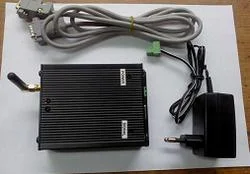
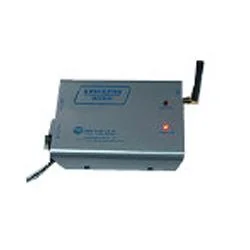
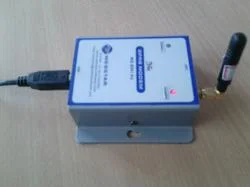
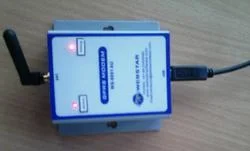
Industrial GSM GPRS USB Modem For Remote Data And SMS Transmission
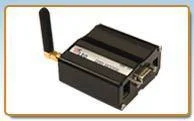
Industrial GSM GPRS Modem For IoT M2M Automation And Remote Monitoring
Industrial GPRS Modem For Remote Data Transfer And Buffering
Zentek Electronics & Communication Pvt Ltd
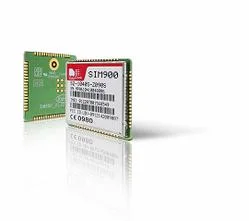
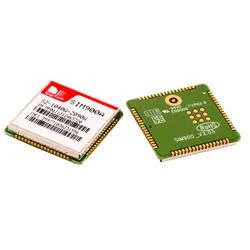
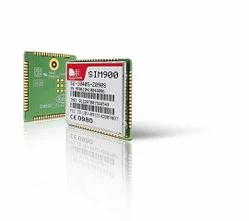
SIM900A Dual Band GSM/GPRS Module For IoT And Industrial Automation
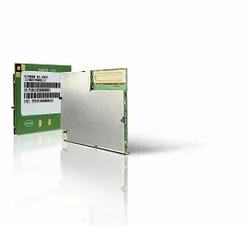
Industrial 3G Module HSDPA 7.2 Mbps UMTS Quad Band IoT M2M
Industrial IoT SIM900 Quad Band GSM GPRS Module Low Power Compact
Zentek Electronics & Communication Pvt Ltd
Industrial GSM/GPRS TTL SIM900 Modem For IoT M2M Communication
GPRS EDGE USB Modem Quad Band Mobile Data Voice SMS
Business 3.1 Mbps 3G USB Modem Plug and Play Global Band
Bellicose Solutions
Professional Computer Networking Services Reliable Custom Cables
Professional CCTV Installation And Maintenance Services For Businesses
Thin Client And Router Solutions For Secure Network Infrastructure
3 A Exports
Industrial Rust Preventive Oil For Metal Protection And Corrosion Resistance
Industrial Boiler Oxygen Scavenger And Corrosion Inhibitor Oxinol HH
Industrial Rust Preventive Oil Protecta 30H Hard Film Corrosion Protection
Adaptek Automation Technology
Industrial HMI LCD Display Allen Bradley PV600 2711 K3A5L1 Keypad
Industrial HMI Siemens TP270 Touch Panel Automation Control
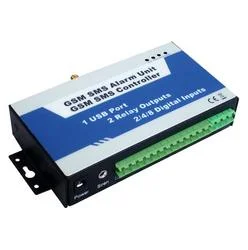
GSM Alarm Controller For Remote Monitoring And SMS Control
Achme Communication
Business HCL Computer Systems Ezeebee Desktop Reliable Performance
Business Apple iMac Intel Core i5 Desktop For Professional Use
Apple MacBook Intel Core 2 Duo Laptop For Business & Education
Shenzhen LFN Technology Co
Business USB WiFi Adapter 1300Mbps High Speed Plug and Play
IR Receiver For TV Smart Home Industrial DIY Electronics Remote Control
SMT IR Receiver Module LF1738AE1L L For Remote Control Systems
Why Businesses Trust Pepagora
Thousands of companies trust Pepagora to source smarter and sell faster
Expand Your Sales Globally
25000+Products listed.Get discovered by global buyers
Tools to boost visibility
Build your own catalog

Source Smarter,Grow Faster
4000+Active RFQs
100+ Countries served
Easy Sourcing Tools
