
 IN
INundefined
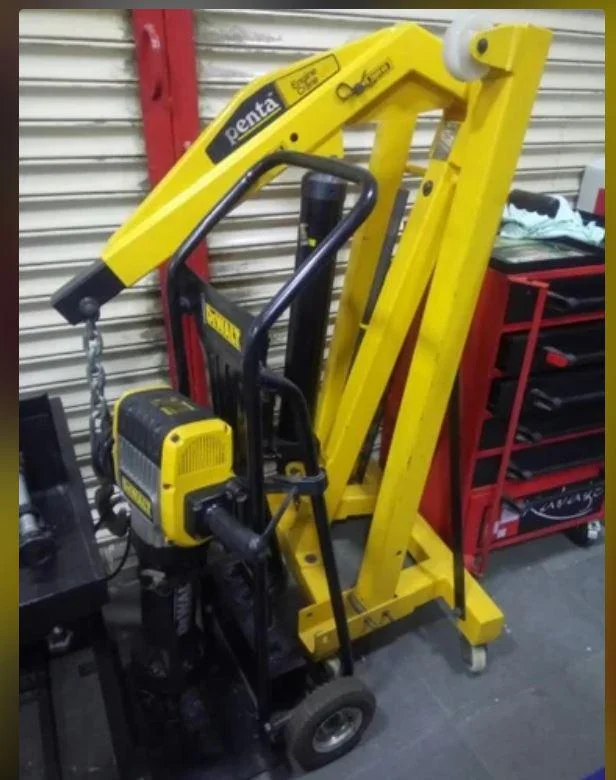
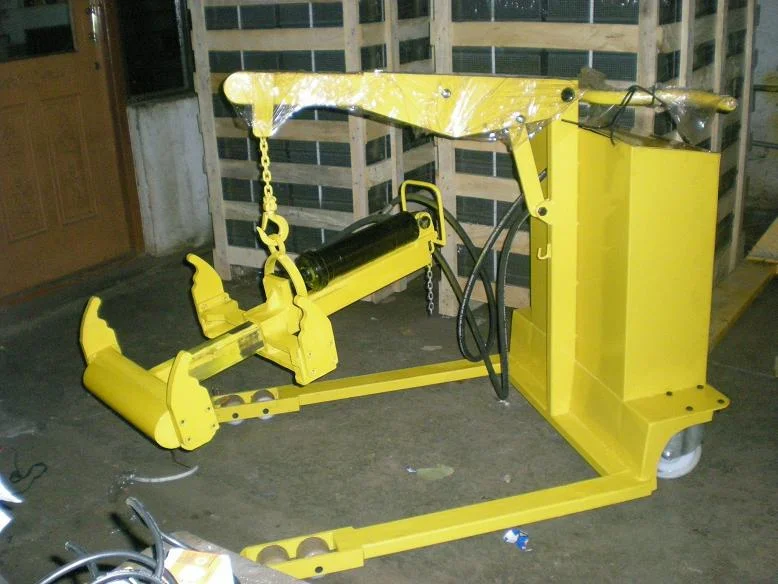
Mobile Cranes
20 products available
𝗪𝗵𝗮𝘁 𝗮𝗿𝗲 𝗠𝗼𝗯𝗶𝗹𝗲 𝗖𝗿𝗮𝗻𝗲𝘀?
Mobile cranes are versatile lifting machines designed for transporting, lifting, and moving heavy loads in various environments. They typically feature a telescopic boom that can extend and retract, allowing for greater reach and flexibility. These cranes are mounted on wheeled chassis, enabling them to move easily over different terrains and job sites. Their design incorporates advanced hydraulic systems that provide efficient power and control during operations.
Mobile cranes are extensively used across a range of industries including construction, manufacturing, and logistics. In construction, for example, they play a crucial role in lifting steel beams, concrete panels, and other heavy materials. In logistics, they assist in loading and unloading goods and equipment from trucks and shipping containers. The adaptability of mobile cranes makes them indispensable in various applications, further solidifying their relevance in the industrial market.
𝗞𝗲𝘆 𝗙𝗲𝗮𝘁𝘂𝗿𝗲𝘀 𝗮𝗻𝗱 𝗦𝗽𝗲𝗰𝗶𝗳𝗶𝗰𝗮𝘁𝗶𝗼𝗻𝘀
Mobile cranes are equipped with a variety of features that enhance their performance and usability. When evaluating a mobile crane, understanding its specifications is essential for selecting the right equipment for specific tasks.
Key specifications include:
1. Lifting Capacity
- This specification indicates the maximum weight the crane can lift safely.
- Typical ranges vary from a few tons to over 100 tons.
2. Boom Length
- The boom length affects the crane's reach and height capabilities.
- Standard boom lengths range from 20 meters to over 60 meters.
3. Radius
- The radius is the distance from the center of the crane to the load.
- It typically ranges from 3 meters to 50 meters, depending on the model.
4. Transport Weight
- This is the total weight of the crane when it is not loaded.
- Transport weights can range from 10 tons to 90 tons or more.
5. Engine Power
- Engine power is crucial for operational efficiency and mobility.
- Mobile cranes usually feature engines ranging from 100 to 600 horsepower.
6. Stabilization System
- This feature ensures the crane remains stable during operation.
- Common systems include outriggers and counterweights.
7. Operating Speed
- This refers to how quickly the crane can lift and lower loads.
- Typical operating speeds can range from 0.5 m/min to 10 m/min.
8. Control System
- Modern mobile cranes often include advanced control systems for precise operation.
- Features may include remote controls and programmable settings.
In summary, understanding these key features and specifications enables businesses to choose mobile cranes that best fit their operational needs.
𝗖𝗼𝗺𝗺𝗼𝗻 𝗔𝗽𝗽𝗹𝗶𝗰𝗮𝘁𝗶𝗼𝗻𝘀 𝗮𝗻𝗱 𝗨𝘀𝗲 𝗖𝗮𝘀𝗲𝘀
Mobile cranes are utilized in a variety of industries, showcasing their versatility and effectiveness.
1. Construction: Mobile cranes are essential for lifting large construction materials like steel frames and concrete slabs. They facilitate the assembly of buildings and infrastructure projects.
2. Manufacturing: In manufacturing, mobile cranes are used to move heavy machinery and materials within factories. They assist in loading and unloading products for shipping.
3. Oil and Gas: Mobile cranes are critical in the oil and gas industry for moving heavy equipment and materials at drilling sites and refineries.
4. Shipping and Logistics: These cranes are vital in ports and warehouses for loading and unloading containers from ships and trucks.
5. Mining: In mining operations, mobile cranes are employed to transport heavy equipment and materials, enhancing operational efficiency.
6. Events and Entertainment: Mobile cranes are often used to set up stages and equipment for concerts and festivals, providing essential support for large-scale events.
7. Utilities: In the utilities sector, mobile cranes are used for maintenance and installation of power lines and telecommunications equipment.
𝗣𝗿𝗼𝗱𝘂𝗰𝘁 𝗩𝗮𝗿𝗶𝗮𝗻𝘁𝘀 𝗮𝗻𝗱 𝗦𝘂𝗯𝗰𝗮𝘁𝗲𝗴𝗼𝗿𝗶𝗲𝘀
Mobile cranes come in various configurations, each tailored for specific applications.
All Terrain Cranes: These cranes are designed for versatility, capable of operating on both rough terrain and paved surfaces. They are ideal for construction sites where ground conditions vary.
Truck Mounted Cranes: Mounted on trucks, these cranes offer mobility and quick setup, making them suitable for urban projects requiring frequent moves.
Rough Terrain Cranes: These cranes are specifically engineered for off-road conditions, featuring large tires and powerful engines, perfect for construction and mining applications.
Crawler Cranes: Equipped with tracks instead of wheels, crawler cranes provide excellent stability on soft ground. They are often used in heavy lifting applications where stability is crucial.
𝗕𝗲𝗻𝗲𝗳𝗶𝘁𝘀 𝗮𝗻𝗱 𝗔𝗱𝘃𝗮𝗻𝘁𝗮𝗴𝗲𝘀
Mobile cranes offer numerous benefits that enhance operational efficiency and safety.
1. Versatility: Mobile cranes can be used in a wide range of applications across various industries, making them a valuable asset.
2. Mobility: Their wheeled design allows for easy transportation from one location to another, reducing downtime.
3. High Lifting Capacity: Mobile cranes can lift heavy loads, which is essential for construction and industrial operations.
4. Advanced Technology: Many mobile cranes are equipped with modern control systems that enhance operational precision and safety.
5. Quick Setup: Mobile cranes can be set up quickly on-site, allowing for faster project timelines.
6. Cost Efficiency: By consolidating multiple lifting tasks into one machine, mobile cranes can reduce operational costs and improve productivity.
𝗕𝘂𝘆𝗶𝗻𝗴 𝗚𝘂𝗶𝗱𝗲 𝗳𝗼𝗿 𝗕𝟮𝗕 𝗕𝘂𝘆𝗲𝗿𝘀
When sourcing mobile cranes, several factors should be considered to ensure an informed purchase.
1. Quality Assessment: Evaluate the build quality and materials used in the crane's construction. Look for models that meet or exceed industry standards for durability and performance.
2. Supplier Verification: Vet potential suppliers to ensure they have a good reputation and track record. Check reviews and obtain references from previous buyers.
3. Pricing and MOQ: Understand the pricing structure and minimum order quantities. Compare quotes from different suppliers to find the best deal.
4. Delivery and Lead Times: Consider the logistics of delivery. Confirm lead times to ensure the crane arrives when needed.
5. Compliance Requirements: Ensure that the mobile crane complies with regional safety and operational regulations. This may include certifications like CE or other local standards.
𝗖𝗼𝗺𝗽𝗹𝗶𝗮𝗻𝗰𝗲 𝗮𝗻𝗱 𝗖𝗲𝗿𝘁𝗶𝗳𝗶𝗰𝗮𝘁𝗶𝗼𝗻𝘀
Mobile cranes must adhere to specific quality standards and certifications to ensure safety and reliability. Relevant quality standards include ISO 9001, which focuses on quality management systems to enhance customer satisfaction.
In addition to ISO certifications, mobile cranes are often required to have CE marking, indicating compliance with European safety standards. This certification ensures that the cranes meet essential health, safety, and environmental protection requirements.
Safety and testing requirements are crucial in the manufacturing of mobile cranes. Manufacturers must conduct rigorous testing to verify that cranes can withstand operational stresses and safety hazards.
Furthermore, regional compliance considerations may vary. Buyers should be aware of local regulations that govern construction equipment to avoid legal issues and ensure safety on job sites.
𝗪𝗵𝘆 𝗦𝗼𝘂𝗿𝗰𝗲 𝗠𝗼𝗯𝗶𝗹𝗲 𝗖𝗿𝗮𝗻𝗲𝘀 𝗳𝗿𝗼𝗺 𝗣𝗲𝗽𝗮𝗴𝗼𝗿𝗮?
Pepagora provides a trusted platform for sourcing mobile cranes, offering several key advantages for B2B buyers.
Verified Supplier Network: Pepagora has established a network of verified suppliers, ensuring that buyers can source high-quality mobile cranes with confidence. Each supplier undergoes a thorough vetting process to guarantee reliability.
Streamlined RFQ Process: The request for quotation process is designed to be user-friendly. Buyers can easily submit their requirements and receive competitive quotes from multiple suppliers, saving time and effort.
Trade Assurance and Support: Pepagora offers trade assurance to protect buyers throughout the purchasing process. This includes support for any issues that may arise, ensuring a smooth transaction.
Regional Coverage: With a strong presence in India, the GCC, and Southeast Asia, Pepagora provides extensive coverage, making it easier for buyers to access mobile cranes tailored to their regional needs. This geographic reach enhances convenience and accessibility for B2B buyers looking for reliable lifting solutions.
Newly Added



Recently Added
Force Lift Materials Movement
Warehouse 1.5 Ton Hybrid Pallet Truck With 20Ah Lithium Battery
Warehouse Hand Pallet Truck 1500kg Walkie 24V Li Battery
High Lift Pallet Truck 1000kg Capacity 800mm Lifting Height Manual Electric
Innovative Engineers
Warehouse Hydraulic Hand Pallet Truck 2500 kg Capacity 1150 mm Fork
EASYLIFT Hydraulic Manual Stacker 1000kg Capacity Adjustable Forks
Hydraulic Scissor Lift With Rollers For Apparel Material Handling
Bhaskara Handling Technologies
Industrial Hydraulic Hand Pallet Trucks For Material Handling
Industrial Scissor Lifting Platforms For Euro Pallet Positioning
Industrial Battery Operated Stacker For Efficient Material Handling
Hefty Industrial Equipment
Warehouse Electric Stacker 1.5 2T Capacity 6m Lift Height 5 6H Runtime
CTL15 VNA Forklift Narrow Aisle High Density Storage 13m Lift
Trackless Transfer Car BWP Type Heavy Load Handling With Safety Features
Aman Lifter
Premium Articulated Boom Lifts For Construction And Industrial Maintenance
Rent Articulated Boom Lifts For Construction And Industrial Projects
Premium Articulated Boom Lifts For Construction And Industrial Projects
Austuel Construction Equipment
Premium Tower Hoist For Construction And Industrial Material Handling
Industrial 6 Cum/Hour Sand Sieving Machine With 2HP Motor
Lab Industrial Precision Test Sieves For Particle Size Analysis
Joveen Traders
Industrial Jib Cranes 25 650 Ton Forged Metal Long Life
Heavy Lifting Terrain Cranes 25 650 Ton Capacity Long Life
Heavy Duty Crawler Cranes 25 650 Tons Forged Metal Long Life
Apurva Engineering Corporation
Industrial Single Girder Cranes Metal Construction Easy Installation
Industrial Single Girder EOT Crane 10 Ton 28 Meter Span IS Compliant
Industrial Heavy Duty Double Girder Crane IS 3177 Compliant
Aliner Automotive Equipments Private Limited
Professional Computerized Wheel Balancer Machine With Video Graphic Alignment
Automotive Workshop Electro Hydraulic Lift 3200kg Dual Cylinder 24V
RAASM Lube Management System 46116 Air Operated Suction Drainer 115L Tank
Annapurna Trollies Private Limited
Industrial Rotated Hydraulic Floor Crane Durable Metal Material Handling
Industrial Jib Crane Metal Standard Easy Install Durable Material Handling
Industrial Manual Hydraulic Floor Crane 500 3000 Kg Metal Durable
Why Businesses Trust Pepagora
Thousands of companies trust Pepagora to source smarter and sell faster
Expand Your Sales Globally
25000+Products listed.Get discovered by global buyers
Tools to boost visibility
Build your own catalog

Source Smarter,Grow Faster
4000+Active RFQs
100+ Countries served
Easy Sourcing Tools
