
 IN
INundefined
Milk Transfer Pumps
2 products available
𝗪𝗵𝗮𝘁 𝗮𝗿𝗲 𝗠𝗶𝗹𝗸 𝗧𝗿𝗮𝗻𝘀𝗳𝗲𝗿 𝗣𝘂𝗺𝗽𝘀?
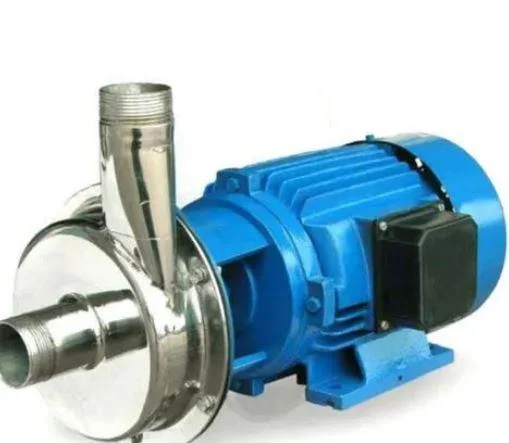
Milk Transfer Pumps are specialized devices designed to efficiently move milk from one location to another. These pumps are engineered to handle the unique properties of milk, ensuring that the product remains uncontaminated and maintains its quality throughout the transfer process. They play a crucial role in the dairy industry, where the safe and efficient handling of milk is vital.
The primary uses of Milk Transfer Pumps extend across various applications within the dairy sector. They are commonly employed in dairy farms, processing plants, and distribution centers. These pumps facilitate the safe transfer of milk from storage tanks to processing equipment or packaging lines. Their design ensures compliance with hygiene standards and minimizes the risk of contamination, making them indispensable in the dairy supply chain.
In the context of the industry, the demand for Milk Transfer Pumps is growing due to the increasing global consumption of dairy products. As businesses strive for efficiency and quality assurance, the relevance of these pumps in maintaining the integrity of milk during transfer is paramount. With a focus on innovation and technology, manufacturers are continuously improving pump designs to meet evolving market needs.
𝗞𝗲𝘆 𝗙𝗲𝗮𝘁𝘂𝗿𝗲𝘀 𝗮𝗻𝗱 𝗦𝗽𝗲𝗰𝗶𝗳𝗶𝗰𝗮𝘁𝗶𝗼𝗻𝘀
Milk Transfer Pumps come with a range of features and specifications that cater to the demanding requirements of the dairy industry. Understanding these specifications helps buyers select the right pump for their needs.
Key specifications include:
1. Flow Rate
- Determines the volume of milk transferred per minute.
- Typically ranges from 500 to 5,000 liters per hour.
2. Material of Construction
- Often made from stainless steel to ensure hygiene and durability.
- Must comply with food-grade standards.
3. Power Requirements
- Electric or pneumatic options available.
- Voltage specifications commonly range from 220V to 480V.
4. Pump Type
- Can be centrifugal or positive displacement.
- Each type offers different advantages depending on the application.
5. Temperature Range
- Designed to operate efficiently within specific temperature limits.
- Data not available on exact ranges.
6. Suction and Discharge Size
- Vary based on the system requirements.
- Common sizes include 2 inches to 4 inches in diameter.
7. Weight
- The weight of the pump impacts installation and mobility.
- Typical weight ranges from 50 kg to 150 kg.
8. Certification
- Pumps often carry CE certification to indicate compliance with European safety standards.
In summary, understanding the key features and specifications of Milk Transfer Pumps is essential for making informed purchase decisions. This knowledge ensures that businesses select pumps that are suitable for their specific operational needs.
𝗖𝗼𝗺𝗺𝗼𝗻 𝗔𝗽𝗽𝗹𝗶𝗰𝗮𝘁𝗶𝗼𝗻𝘀 𝗮𝗻𝗱 𝗨𝘀𝗲 𝗖𝗮𝘀𝗲𝘀
Milk Transfer Pumps are vital tools in several industries related to dairy processing and distribution.
1. Dairy Farms: These pumps are used to transfer fresh milk from milking stations to storage tanks, ensuring quick and safe handling.
2. Dairy Processing Plants: In processing facilities, pumps facilitate the movement of milk between various stages, including pasteurization and homogenization.
3. Bottling and Packaging: Milk Transfer Pumps are critical in transferring processed milk to bottling lines, ensuring minimal exposure and contamination.
4. Ice Cream Production: Used to transfer milk and cream to ice cream mix preparation units, maintaining consistency in product quality.
5. Cheese Production: Pumps assist in moving milk to curdling tanks, playing a crucial role in the initial stages of cheese manufacturing.
6. Distribution Centers: In logistics, these pumps help in transferring milk to trucks for distribution, ensuring timely delivery.
7. Research and Development Labs: Used in experimental setups to analyze milk properties without compromising quality.
𝗣𝗿𝗼𝗱𝘂𝗰𝘁 𝗩𝗮𝗿𝗶𝗮𝗻𝘁𝘀 𝗮𝗻𝗱 𝗦𝘂𝗯𝗰𝗮𝘁𝗲𝗴𝗼𝗿𝗶𝗲𝘀
Milk Transfer Pumps come in diverse designs to meet various operational needs. While specific subcategories are not available, the general diversity allows businesses to select pumps tailored to their applications.
Centrifugal Milk Transfer Pumps
These pumps are popular for their ability to handle large volumes of milk quickly. Their design minimizes shear forces, making them ideal for transferring sensitive products like milk.
Positive Displacement Milk Transfer Pumps
These pumps are suitable for applications requiring precise flow control. They can handle viscous liquids and are commonly used in environments where consistent flow rates are critical.
Sanitary Milk Transfer Pumps
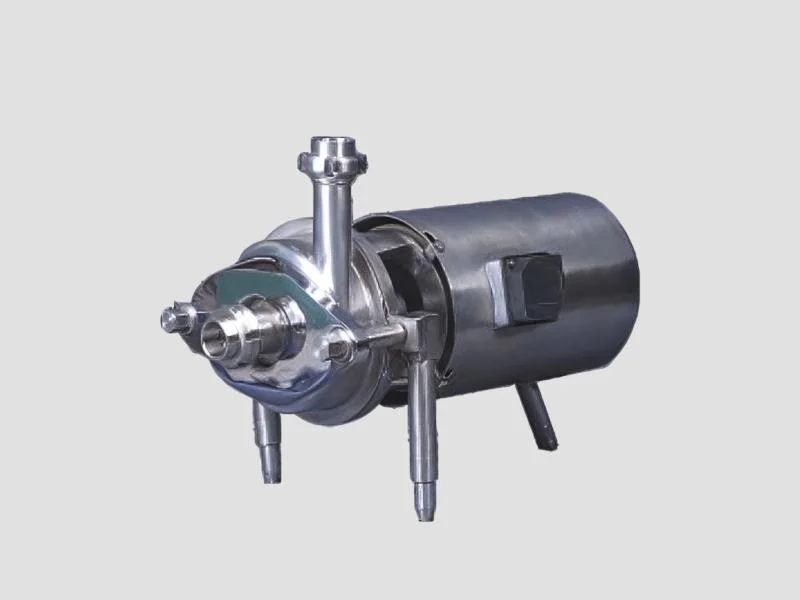
Designed with hygiene in mind, these pumps feature smooth surfaces and minimal crevices to ensure easy cleaning. They are essential in environments where contamination must be avoided.
𝗕𝗲𝗻𝗲𝗳𝗶𝘁𝘀 𝗮𝗻𝗱 𝗔𝗱𝘃𝗮𝗻𝘁𝗮𝗴𝗲𝘀
The benefits of using Milk Transfer Pumps are significant for businesses in the dairy industry.
1. Efficiency: These pumps enable rapid transfer of milk, reducing processing time and improving productivity.
2. Quality Maintenance: Designed to minimize contamination, they help preserve the quality and safety of milk throughout the transfer process.
3. Versatility: Capable of handling various types of liquids, Milk Transfer Pumps can be adapted for different applications within the dairy sector.
4. Cost-Effectiveness: By optimizing the transfer process, businesses can reduce waste and operational costs associated with milk handling.
5. Compliance: Many pumps meet stringent hygiene and safety standards, ensuring that businesses adhere to industry regulations.
6. Reliability: Built for durability, these pumps offer long service life with minimal maintenance requirements.
𝗕𝘂𝘆𝗶𝗻𝗴 𝗚𝘂𝗶𝗱𝗲 𝗳𝗼𝗿 𝗕𝟮𝗕 𝗕𝘂𝘆𝗲𝗿𝘀
When sourcing Milk Transfer Pumps, B2B buyers should consider several key factors to ensure they make the right choice.
1. Quality Assessment: Look for pumps that come with certifications indicating compliance with industry standards. Evaluate materials used in construction for durability and hygiene.
2. Supplier Verification: Vet suppliers to ensure they have a good reputation and reliable track records. Check for customer reviews and industry references.
3. Pricing and MOQ: Understand the cost structure and minimum order quantities. Compare prices across different suppliers to ensure competitive rates.
4. Delivery and Lead Times: Assess logistics capabilities of suppliers. Confirm lead times to ensure timely delivery that aligns with production schedules.
5. Compliance Requirements: Ensure that the chosen pumps comply with necessary regulations, including food safety standards to avoid legal issues.
𝗖𝗼𝗺𝗽𝗹𝗶𝗮𝗻𝗰𝗲 𝗮𝗻𝗱 𝗖𝗲𝗿𝘁𝗶𝗳𝗶𝗰𝗮𝘁𝗶𝗼𝗻𝘀
Compliance and certifications are crucial aspects of Milk Transfer Pumps in the dairy industry. Pumps must adhere to relevant quality standards such as ISO 9001, which ensures that manufacturing processes meet international quality management criteria.
HACCP (Hazard Analysis and Critical Control Points) guidelines are also significant, as they focus on food safety throughout the production process. By following these guidelines, manufacturers can minimize risks associated with contamination and ensure product safety.
CE certification is another important aspect, particularly for products sold in European markets. This certification signifies that the product meets necessary safety, health, and environmental protection standards.
In addition to these certifications, manufacturers should consider regional compliance requirements, as different countries may have specific regulations governing food handling equipment. Staying informed about these regulations ensures that businesses are compliant and can operate without legal hindrances.
𝗪𝗵𝘆 𝗦𝗼𝘂𝗿𝗰𝗲 𝗠𝗶𝗹𝗸 𝗧𝗿𝗮𝗻𝘀𝗳𝗲𝗿 𝗣𝘂𝗺𝗽𝘀 𝗳𝗿𝗼𝗺 𝗣𝗲𝗽𝗮𝗴𝗼𝗿𝗮?
Pepagora provides an excellent platform for sourcing Milk Transfer Pumps, offering several key advantages that benefit B2B buyers.
Verified Supplier Network: Pepagora has established a network of verified suppliers, ensuring that buyers connect with reputable manufacturers. This vetting process helps mitigate risks associated with sourcing equipment.
Streamlined RFQ Process: The request for quotation process on Pepagora is designed to be user-friendly, allowing buyers to easily compare offers from multiple suppliers. This streamlined approach saves time and simplifies decision-making.
Trade Assurance and Support: Pepagora offers trade assurance, providing buyers with protection against potential issues. Their support team is available to assist with any inquiries or concerns throughout the purchasing process.
Regional Coverage: With a strong presence in India, the GCC, and Southeast Asia, Pepagora is well-positioned to serve a diverse range of markets. This geographic reach allows businesses to access a wide variety of Milk Transfer Pumps tailored to their specific needs.
Newly Added


Recently Added
Askib Engineers Private Limited
Industrial Brinell Microscope 25X Magnification 0.01mm LC NABL Certified
NABL Certified Rubber Bellows for Hardness Testers 8 Inch 12 Inch
NABL Certified Steel Ball Indentors For Rockwell Brinell Hardness Testers
PC Pumps & Systems
Industrial Screw Pump For Viscous Fluids Oils Slurries Low Pulsation Flow
Sanitary Progressive Cavity Pump For Food Pharma SS316/SS304 CIP/SIP
Industrial Progressive Cavity Pump For High Viscosity Fluids And Abrasive Slurries
Precitech Engineering
Industrial High Temperature Centrifugal Thermic Fluid Pump 3 10 m/hr 240V
Industrial Progressive Cavity Pump For Viscous And Abrasive Fluid Transfer
Industrial Fluid Transfer Precision Back Pull Out Centrifugal Pump
Why Businesses Trust Pepagora
Thousands of companies trust Pepagora to source smarter and sell faster
Expand Your Sales Globally
25000+Products listed.Get discovered by global buyers
Tools to boost visibility
Build your own catalog

Source Smarter,Grow Faster
4000+Active RFQs
100+ Countries served
Easy Sourcing Tools
