
 IN
INundefined
Microscopes (Digital, Optical, Student)
86 products available
What are Microscopes (Digital, Optical, Student)?
Microscopes are precision instruments that allow users to magnify and observe small objects that are not visible to the naked eye. They come in various types, including digital, optical, and student models, each designed to serve specific purposes and user needs. Digital microscopes provide enhanced imaging capabilities by connecting to computers or displays, while optical microscopes rely on lenses to magnify the specimen. Student microscopes are typically designed for educational purposes, featuring user-friendly designs and essential functionality.
Microscopes are widely used across various sectors, including education, research, and industrial applications. In educational settings, student microscopes allow learners to explore biological specimens and materials, fostering curiosity and understanding of microscopic worlds. In laboratories and research institutions, digital and optical microscopes are essential for conducting detailed examinations in fields such as biology, materials science, and engineering. The market for microscopes is robust, driven by the need for advanced analytical tools in science and industry.
The relevance of microscopes in today's industries cannot be overstated. As technology advances, the demand for high-quality imaging and analysis continues to grow. This has led to innovations in microscope technology, making them more versatile and accessible for various applications across sectors.
𝗞𝗲𝘆 𝗙𝗲𝗮𝘁𝘂𝗿𝗲𝘀 𝗮𝗻𝗱 𝗦𝗽𝗲𝗰𝗶𝗳𝗶𝗰𝗮𝘁𝗶𝗼𝗻𝘀
Microscopes come with a range of features and specifications that enhance their usability and performance. When selecting a microscope, it is essential to consider these critical specifications to meet specific operational needs.
Key specifications include:
1. Magnification Range
- The range of magnification indicates how much larger a specimen will appear.
- Typical ranges can be from 40x to 1000x or more.
2. Resolution
- Resolution determines the ability to distinguish between two closely spaced points.
- High-resolution microscopes can achieve resolutions of 200 nanometers or better.
3. Illumination Type
- Microscopes may use LED, halogen, or fluorescence lighting.
- The choice of illumination affects clarity and color representation.
4. Stage Type
- Microscopes can have mechanical or fixed stages for specimen placement.
- Mechanical stages allow for easy movement and positioning.
5. Camera Compatibility
- Digital microscopes often support various camera types for image capture.
- Compatibility with high-resolution cameras enhances documentation.
6. Software Integration
- Many digital microscopes come with software for image analysis and processing.
- Software features may include measurement tools and data reporting.
7. Portability
- Some microscopes are designed to be lightweight and portable for field use.
- Portability can include battery operation and compact design.
8. Build Quality
- The durability of the microscope is important for long-term use.
- High-quality materials and construction lead to better longevity.
In summary, understanding these features and specifications is crucial for selecting the right microscope that aligns with specific operational requirements and applications.
𝗖𝗼𝗺𝗺𝗼𝗻 𝗔𝗽𝗽𝗹𝗶𝗰𝗮𝘁𝗶𝗼𝗻𝘀 𝗮𝗻𝗱 𝗨𝘀𝗲 𝗖𝗮𝘀𝗲𝘀
Microscopes serve a variety of industries and applications, providing essential tools for detailed analysis and observation.
1. Education: Student microscopes are widely used in schools and universities, allowing students to investigate biological specimens and learn fundamental scientific concepts.
2. Healthcare: In medical laboratories, optical and digital microscopes are used to examine blood samples, tissues, and other biological materials for diagnostic purposes.
3. Manufacturing: Microscopes help quality control teams inspect materials, components, and assemblies for defects, ensuring product standards are met.
4. Research: Scientific research relies heavily on microscopes for studying cellular structures, materials, and chemical compositions in various fields such as biology and materials science.
5. Environmental Science: Microscopes are used to analyze soil samples, water quality, and microbial populations, aiding in environmental monitoring and conservation efforts.
6. Forensics: In forensic science, microscopes assist in the examination of evidence, such as fibers and hair, helping to solve criminal cases.
7. Electronics: Microscopes play a role in inspecting microelectronic components and solder joints, ensuring the integrity of electronic devices.
𝗣𝗿𝗼𝗱𝘂𝗰𝘁 𝗩𝗮𝗿𝗶𝗮𝗻𝘁𝘀 𝗮𝗻𝗱 𝗦𝘂𝗯𝗰𝗮𝘁𝗲𝗴𝗼𝗿𝗶𝗲𝘀
Microscopes are available in various forms to cater to different user needs and applications. Each variant offers distinct features tailored to specific tasks.
Digital Microscopes: These microscopes integrate digital imaging technology, allowing users to capture and analyze images on computers. They are ideal for research applications where documentation and analysis are essential.
Optical Microscopes: Traditional optical microscopes utilize lenses to magnify specimens. They are commonly used in educational settings and laboratories where direct observation is required.
Student Microscopes: Designed specifically for educational use, these microscopes feature simplified controls and robust construction. They provide an excellent introduction to microscopy for learners.
𝗕𝗲𝗻𝗲𝗳𝗶𝘁𝘀 𝗮𝗻𝗱 𝗔𝗱𝘃𝗮𝗻𝘁𝗮𝗴𝗲𝘀
Microscopes offer numerous benefits that enhance their utility across various applications.
1. Enhanced Visualization: Microscopes provide detailed images of small specimens, enabling users to conduct thorough examinations.
2. Educational Value: They are essential tools in education, promoting active learning and engagement in scientific inquiry.
3. Versatility: Microscopes can be used across multiple industries, from research to manufacturing, making them invaluable tools.
4. Technological Integration: Digital microscopes offer software compatibility for advanced image analysis and data reporting, enhancing productivity.
5. Quality Control: In manufacturing, microscopes are critical for ensuring product quality by identifying defects during the inspection process.
6. Research Advancement: The use of microscopes in scientific research leads to discoveries and innovations that drive progress in various fields.
𝗕𝘂𝘆𝗶𝗻𝗴 𝗚𝘂𝗶𝗱𝗲 𝗳𝗼𝗿 𝗕𝟮𝗕 𝗕𝘂𝘆𝗲𝗿𝘀
When sourcing microscopes, it is vital for B2B buyers to consider several factors to ensure they select the right equipment.
1. Quality Assessment: Evaluate the build quality and performance specifications of microscopes. Look for models that meet industry standards for reliability and accuracy.
2. Supplier Verification: Vet potential suppliers to ensure they provide high-quality products and reliable support. Check for customer reviews and certifications to gauge their credibility.
3. Pricing and MOQ: Consider the cost of microscopes and minimum order quantities. Understanding pricing structures can help in budgeting and financial planning.
4. Delivery and Lead Times: Assess the supplier's ability to deliver products on time. Reliable logistics can prevent delays in project timelines.
5. Compliance Requirements: Ensure that the microscopes comply with relevant industry standards and regulations. This may include certifications like CE and adherence to quality management systems.
𝗖𝗼𝗺𝗽𝗹𝗶𝗮𝗻𝗰𝗲 𝗮𝗻𝗱 𝗖𝗲𝗿𝘁𝗶𝗳𝗶𝗰𝗮𝘁𝗶𝗼𝗻𝘀
Microscopes must adhere to specific quality standards and certifications to ensure safety and effectiveness. Compliance with standards like ISO 9001 ensures that manufacturing processes meet high-quality management criteria, fostering product reliability.
Industry certifications, such as CE marking, indicate that the products meet European safety and health requirements. This is crucial for users in regions where such certifications are mandatory.
Safety and testing requirements are also essential to ensure that microscopes are safe for use in various environments. Buyers should check for regional compliance considerations, especially when sourcing products internationally, to ensure they meet local regulations.
Why Source Microscopes (Digital, Optical, Student) from Pepagora?
Pepagora is a trusted platform for sourcing microscopes, offering several key advantages to B2B buyers.
Verified Supplier Network: Pepagora connects buyers with a network of verified suppliers, ensuring access to high-quality products and dependable service.
Streamlined RFQ Process: The Request for Quotation process is designed to be efficient, allowing buyers to easily obtain multiple quotations from different suppliers, ensuring competitive pricing.
Trade Assurance and Support: Buyers benefit from trade assurance programs that protect their investments, providing peace of mind in transactions.
Regional Coverage: Pepagora extends its services across India, the GCC, and Southeast Asia, catering to a wide geographic area and ensuring access to microscopes tailored to diverse market needs.
Newly Added






Recently Added
Contech Micro System
Engineering Education Premium Theory Of Machines Lab Equipment With Gyroscopes And Vibration Systems
Fluid Mechanics Lab Equipment For Engineering Education And Industrial R&D
Industrial Precision Toolmakers Microscope For Quality Control And Metrology
Omega Metrology Products
Industrial AI Vision Inspection System For Automated Quality Control
Industrial Quality Control Vertical Screen Profile Projector For Precision Measurement
Bench Type Digital Profile Projector For Precision Dimensional Inspection
Beetta Instruments & Equipment Co.
Histology Labs Premium Rotary Microtome For Precise Tissue Sectioning
Premium Sledge Microtomes For Histology And Pathology Labs
High Precision Freezing Microtomes For Cryosectioning In Labs
Sansel Instruments And Controls
Industrial Ultrasonic Level Transmitter GSM Modem 4 20mA IP65
Industrial TDS Transmitter 0 9999 PPM 4 20mA Output Automatic Calibration
Industrial Conductivity Transmitter with 4 20mA Output and Temperature Compensation
B. D. Instrumentation India
Industrial Hot Air Universal Oven with Stainless Steel Chamber
BDI 129 Horizontal Laminar Air Flow Cabinet HEPA Filtration Sterile Workspace
Laboratory BOD Incubator Double Wall Temperature Control
Hi-Tech Equipments Company
Educational & Industrial OEM Spectrometer for Accurate Measurement & Analysis
Premium Dissection Kit OEM Supply Standard New Durable Educational Medical
Reliable OEM LCD Projectors For Education And Business Presentations
Pranava Lab Solutions Pvt Ltd
Professional StereoZoom Microscope For Electronics, Medical & Education
Compact Mini Electrophoresis System for DNA RNA Analysis in Labs
Premium Lab Fume Hoods for Safe Chemical Handling and Ventilation
Nascent Technology Inc
Industrial R&D Trinocular Metallurgical Microscope for Material Analysis
Industrial Lab Trinocular Inverted Metallurgical Microscope for Metal Analysis
Professional CCD Camera For Security Surveillance And Microscope Imaging
Premier Electromech Systems
Professional Electronics Soldering Tip Precision Screw Driver Industrial
Professional Electronics Assembly Premier Pointed Soldering Tip
Premier Sloped Round Desolder Tip 5C For Electronics Repair And PCB Rework
B. L. Scientific Instruments Co
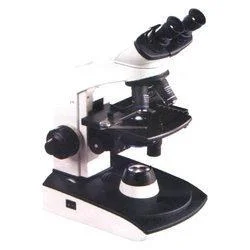
Student Microscope Premium Die Cast Body Inclinable 90 Degrees
Professional Medical Microscope With Pressure Die Cast Body And 90 Degree Inclination
Laboratory Analytical Funnels For Precise Liquid Transfer And Filtration
Why Businesses Trust Pepagora
Thousands of companies trust Pepagora to source smarter and sell faster
Expand Your Sales Globally
25000+Products listed.Get discovered by global buyers
Tools to boost visibility
Build your own catalog

Source Smarter,Grow Faster
4000+Active RFQs
100+ Countries served
Easy Sourcing Tools
